
Are Lima Beans Good for Acid Reflux?

Medically reviewed by Aneeza Pervez Updated Date: January 2, 2026
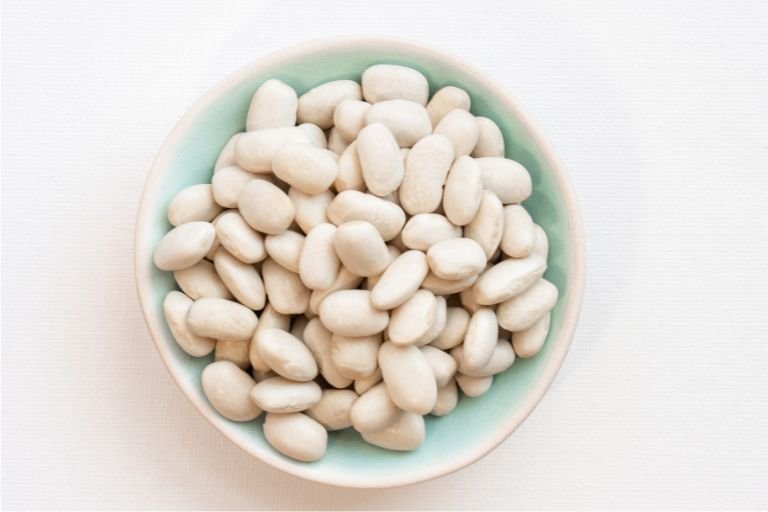
Lima beans, also known as butter beans, are a creamy and nutrient-rich legume that’s a favorite in soups, stews, and side dishes. Packed with fiber, plant-based protein, and essential vitamins and minerals, lima beans are a healthy addition to many diets. But for individuals dealing with acid reflux or GERD (gastroesophageal reflux disease), the question arises: “Are lima beans good for acid reflux?”
The good news is that lima beans are low-acid and generally safe for most individuals with acid reflux. Their high fiber content supports healthy digestion and reduces pressure on the stomach, which can help alleviate reflux symptoms. However, the way lima beans are prepared and consumed plays a significant role in how they affect acid reflux.
In this article, we’ll explore the acidity of lima beans, their nutritional benefits, and tips for incorporating them into a reflux-friendly diet.
Are Lima Beans Acidic or Alkaline?
Lima beans are considered low-acid, with a pH level between 6.0 and 6.5, placing them closer to neutral on the pH scale. This makes them a reflux-friendly food compared to highly acidic options like citrus fruits, tomatoes, or coffee.
Additionally, lima beans are rich in alkaline minerals like magnesium and potassium, which may help balance the body’s pH levels and neutralize excess stomach acid. This alkalizing effect can make lima beans a soothing option for people dealing with acid reflux.
Related to Read: Are Black Beans Acidic?
Nutritional Benefits of Lima Beans
Lima beans are a nutrient-dense legume that offers several health benefits, particularly for those managing acid reflux:
1. High in Fiber
- Lima beans are an excellent source of dietary fiber, with about 13 grams of fiber per cup. Fiber supports healthy digestion by promoting regular bowel movements and reducing bloating, which can help lower pressure on the stomach and minimize reflux episodes.
2. Packed with Plant-Based Protein
- One cup of cooked lima beans provides about 15 grams of protein, making them a satisfying and reflux-friendly source of protein for vegetarians and vegans.
3. Rich in Alkaline Minerals
- Lima beans are high in magnesium and potassium, which help regulate muscle function, including the lower esophageal sphincter (LES). A strong LES prevents stomach acid from flowing back into the esophagus.
4. Low in Fat
- Lima beans are naturally low in fat, with less than 1 gram of fat per cup, which is crucial for preventing the relaxation of the LES—a common cause of acid reflux.
5. Source of Antioxidants
- Lima beans contain antioxidants like manganese and folate, which help reduce inflammation in the digestive system and promote overall gut health.
6. Low in Calories
- Lima beans are nutrient-dense but low in calories, making them a great option for weight management. Maintaining a healthy weight can reduce acid reflux symptoms.
Author Tip: 7 Kinds of Foods to Avoid with GERD
Can Lima Beans Trigger Acid Reflux?
While lima beans are generally safe for acid reflux sufferers, there are a few factors to consider:
1. Gas and Bloating
- Lima beans are high in fiber and contain oligosaccharides, a type of carbohydrate that can produce gas during digestion. For some individuals, this may lead to bloating or abdominal discomfort, which can increase pressure on the stomach and trigger reflux.
2. Portion Size
- Overeating lima beans—or any food—can put pressure on the stomach, forcing acid back into the esophagus. Stick to moderate portions to avoid triggering reflux symptoms.
3. Preparation Method
- The way lima beans are prepared matters. Adding acidic ingredients like tomatoes, vinegar, or hot spices can make lima beans more likely to trigger reflux. Opt for simple, reflux-friendly preparations.
4. Individual Sensitivities
- Some people may be more sensitive to legumes, experiencing digestive discomfort even with small amounts. If lima beans cause symptoms like bloating, try soaking them overnight or starting with smaller servings to see how your body reacts.
Related to Read: Are Green Peas Acidic?
Tips for Eating Lima Beans Safely with Acid Reflux
If you enjoy lima beans and want to include them in your diet without aggravating acid reflux, follow these tips:
1. Soak and Cook Thoroughly
- Soaking lima beans overnight and cooking them thoroughly can reduce gas-producing compounds, making them easier to digest.
2. Start with Small Portions
- Begin with a small serving (about 1/2 cup) to see how your body reacts. Gradually increase the portion size if tolerated well.
3. Avoid Acidic Additives
- Skip acidic ingredients like tomatoes, citrus juices, or vinegar. Instead, season lima beans with reflux-friendly herbs and spices like parsley, basil, or turmeric.
4. Pair with Low-Acid Foods
- Combine lima beans with alkaline or neutral foods like rice, quinoa, steamed vegetables, or lean proteins for a balanced, reflux-friendly meal.
5. Eat Slowly and Chew Thoroughly
- Taking your time to eat and chewing thoroughly can aid digestion and reduce the likelihood of bloating or discomfort.
6. Avoid Eating Late at Night
- Refrain from consuming lima beans—or any food—within 2–3 hours of bedtime to minimize nighttime reflux.
Reflux-Friendly Lima Bean Recipes
1. Lima Bean and Quinoa Bowl
Ingredients:
- 1 cup cooked lima beans
- 1/2 cup cooked quinoa
- 1/2 cup steamed spinach
- 1 tablespoon olive oil
- A pinch of turmeric and black pepper
Instructions:
- Combine cooked lima beans, quinoa, and spinach in a bowl.
- Drizzle with olive oil and sprinkle with turmeric and black pepper.
- Serve warm as a balanced, reflux-friendly meal.
2. Simple Lima Bean Soup
Ingredients:
- 1 cup cooked lima beans
- 2 cups low-sodium vegetable broth
- 1/2 cup diced carrots
- 1/2 cup diced celery
- Fresh parsley for garnish
Instructions:
- In a pot, combine lima beans, vegetable broth, carrots, and celery.
- Simmer for 15–20 minutes.
- Garnish with parsley and serve warm.
3. Lima Bean and Avocado Salad
Ingredients:
- 1 cup cooked lima beans
- 1/2 avocado, diced
- 1/4 cup diced cucumber
- 1 tablespoon olive oil
- Fresh dill or cilantro for garnish
Instructions:
- Toss lima beans, avocado, and cucumber in a bowl.
- Drizzle with olive oil and sprinkle with fresh dill or cilantro.
- Enjoy as a light, refreshing side dish.
Frequently Asked Questions About Lima Beans and Acid Reflux
1. Are lima beans good for acid reflux?
Yes, lima beans are low in acidity and rich in fiber, making them a reflux-friendly food when consumed in moderation and prepared properly.
2. Can lima beans cause bloating?
Yes, lima beans contain fiber and oligosaccharides that can cause bloating in some individuals. Soaking and cooking them thoroughly can reduce this effect.
3. Are canned lima beans safe for acid reflux?
Canned lima beans can be reflux-friendly if they are low in sodium and free of acidic additives. Rinse them thoroughly to remove excess salt before use.
4. Can I eat lima beans every day if I have GERD?
You can include lima beans in your diet regularly, but moderation is key. Start with small portions and monitor your symptoms.
5. What are other reflux-friendly legumes?
Other reflux-friendly legumes include lentils, chickpeas, and black beans. Like lima beans, they should be soaked and cooked properly for easier digestion.
Final Thoughts
Lima beans are a nutritious, low-acid food that can be a valuable addition to a reflux-friendly diet. Their high fiber content, plant-based protein, and alkaline minerals make them a great option for promoting digestion and reducing reflux symptoms.
By preparing them properly, avoiding acidic additives, and eating them in moderation, you can enjoy the many health benefits of lima beans without worrying about aggravating acid reflux. If you’re new to eating lima beans, start with small portions and adjust based on how your body reacts.
Gluco6 Reviews
ProstaVive Reviews
Mitolyn Reviews
Nagano Tonic Reviews
Nerve Fresh
Lipozem Reviews
Sugar defender
CelluCare Reviews
Nitric Boost Ultra Reviews
Pineal XT Reviews
Related Posts






Subscribe for New Racipies
Get mental health tips, updates, and resources delivered to your inbox.
Are Hazelnuts Good for Acid Reflux?

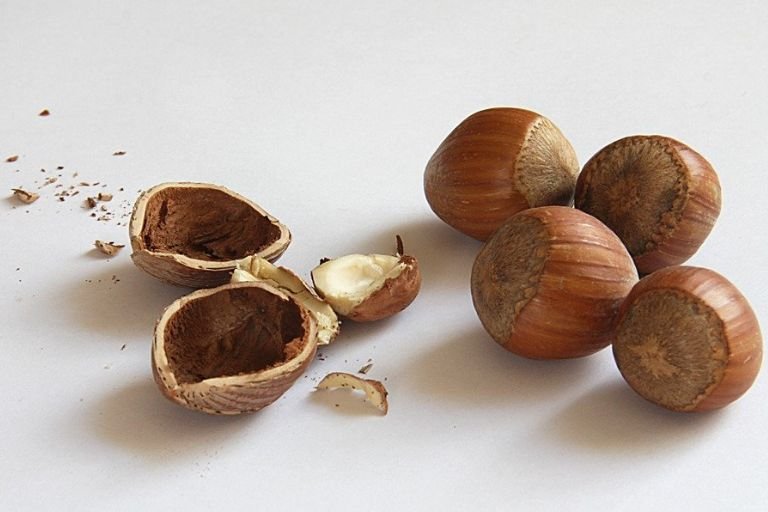
Hazelnuts, known for their rich, nutty flavor and nutritional benefits, are a popular snack and ingredient in a variety of dishes. Packed with healthy fats, fiber, and essential nutrients, they make a great addition to many diets. But for individuals dealing with acid reflux or GERD (gastroesophageal reflux disease), the question arises: “Are hazelnuts good for acid reflux, or can they trigger symptoms like heartburn and discomfort?”
The short answer is: Hazelnuts can be both helpful and potentially problematic, depending on the portion size and individual tolerance. While hazelnuts are generally considered reflux-friendly due to their low acidity and health benefits, their fat content (even though it’s healthy fat) may trigger reflux symptoms in some individuals if consumed in large quantities.
In this article, we’ll break down the pros and cons of hazelnuts for acid reflux sufferers, explore their nutritional benefits, and share tips for incorporating them safely into a reflux-friendly diet.
Are Hazelnuts Acidic or Alkaline?
Hazelnuts are low in acidity, with a pH level of around 6.0 to 7.0, placing them in the neutral to mildly alkaline range. This makes them significantly less acidic than many other foods that can aggravate reflux, such as citrus fruits, coffee, and spicy dishes.
Their low acidity means that hazelnuts are unlikely to directly irritate the esophagus or stomach lining. However, their impact on acid reflux depends more on their fat content and how they are consumed.
Related to Read: Are Brazil Nuts Acidic?
Nutritional Profile and Benefits of Hazelnuts
Hazelnuts are a nutritional powerhouse, offering a range of health benefits that can indirectly support digestion and overall gut health:
1. Rich in Healthy Fats
- Hazelnuts are packed with monounsaturated fats, which are heart-healthy and anti-inflammatory. While fats are beneficial in moderation, excessive consumption can relax the lower esophageal sphincter (LES), which may lead to acid reflux.
2. High in Fiber
- According to research, fiber is very beneficial for stomach health. One ounce of hazelnuts contains about 3 grams of dietary fiber, which supports healthy digestion and helps regulate bowel movements. Proper digestion can reduce pressure on the stomach and lower the risk of reflux episodes.
3. Loaded with Antioxidants
- Hazelnuts are rich in vitamin E and other antioxidants like phenolic compounds, which protect cells from oxidative stress and inflammation. This can promote the healing of tissues in the esophagus affected by acid reflux.
4. Source of Magnesium and Potassium
- Magnesium helps relax muscles, including the LES, and regulates digestive processes, while potassium supports proper muscle function and maintains electrolyte balance.
5. Low in Sugar
- Hazelnuts are naturally low in sugar, making them a better snack option for reflux sufferers compared to sugary treats that can trigger reflux symptoms.
6. High in Protein
- With about 4 grams of protein per ounce, hazelnuts provide a filling and nutrient-dense snack option that can help curb overeating, a common trigger for acid reflux
Can Hazelnuts Trigger Acid Reflux?
While hazelnuts are generally safe for individuals with acid reflux, they may trigger symptoms in certain cases. Here’s why:
1. High Fat Content
- Although the fats in hazelnuts are healthy, all fats—whether good or bad—can relax the lower esophageal sphincter (LES), the muscle that prevents stomach acid from flowing back into the esophagus.
- One ounce of hazelnuts contains about 17 grams of fat, so consuming large portions can potentially trigger reflux symptoms.
2. Portion Size Matters
- Eating too many hazelnuts in one sitting can overwhelm the stomach, leading to bloating and increased pressure on the LES, which may worsen acid reflux.
3. Individual Sensitivities
- Some individuals may be more sensitive to nuts, experiencing symptoms like heartburn, bloating, or indigestion after eating hazelnuts.
4. Additives in Processed Nuts
- Many store-bought hazelnuts are roasted, salted, or coated in sugar or chocolate. These additives can irritate the stomach lining or worsen reflux symptoms. Stick to raw or dry-roasted, unsalted hazelnuts to avoid unnecessary triggers.
Tips for Eating Hazelnuts Safely with Acid Reflux
If you enjoy hazelnuts and want to include them in your diet without aggravating acid reflux, follow these tips:
- Eat in Moderation
- Stick to a small handful (about 1 ounce or 12–15 hazelnuts) per serving. This provides the nutritional benefits without overloading your stomach with fats.
- Choose Unsalted, Unflavored Options
- Opt for raw or dry-roasted hazelnuts without added salt, sugar, or flavorings that can irritate the digestive system.
- Pair with Reflux-Friendly Foods
- Combine hazelnuts with non-acidic fruits (like bananas or melons) or whole grains (like oatmeal) to create a balanced snack or meal.
- Avoid Eating Before Bed
- Consuming hazelnuts or any other food close to bedtime can worsen reflux symptoms. Try to eat at least 2–3 hours before lying down.
- Chew Thoroughly
- Chewing hazelnuts thoroughly not only aids digestion but also reduces the likelihood of bloating or discomfort.
- Monitor Your Body’s Reaction
- Everyone’s body reacts differently to certain foods. If you notice that hazelnuts trigger reflux symptoms, it’s best to limit or avoid them altogether.
Reflux-Friendly Ways to Incorporate Hazelnuts into Your Diet
1. Hazelnut Oatmeal
- Add a small handful of chopped hazelnuts to your morning oatmeal for added crunch and nutrition. Pair with bananas or honey for sweetness.
2. Hazelnut Smoothie
Ingredients:
- 1 frozen banana
- 1 cup almond milk
- 1 tablespoon hazelnut butter (unsweetened)
- 1/4 teaspoon cinnamon (optional)
Instructions:
- Blend all ingredients until smooth.
- Enjoy as a satisfying and reflux-friendly breakfast or snack.
3. Hazelnut and Cucumber Salad
Ingredients:
- 1 cup sliced cucumbers
- 2 tablespoons chopped hazelnuts
- 1 teaspoon olive oil
- Fresh dill or parsley for garnish
Instructions:
- Combine cucumbers and hazelnuts in a bowl.
- Drizzle with olive oil and sprinkle with fresh herbs.
- Serve as a light and cooling side dish.
Hazelnut Recipes: Spiced Dark Chocolate Hazelnut Cookies
Hazelnut Caramel Coffee Macarons
Frequently Asked Questions About Hazelnuts and Acid Reflux
1. Are hazelnuts good for acid reflux?
Yes, hazelnuts can be a reflux-friendly snack if consumed in moderation. Their low acidity and high nutrient content make them beneficial for many, but their fat content may trigger symptoms in sensitive individuals.
2. Can roasted hazelnuts cause reflux?
Roasted hazelnuts are generally safe, but those with added salt, sugar, or spices can irritate the stomach. Stick to plain, dry-roasted hazelnuts to minimize the risk.
3. How many hazelnuts can I eat if I have reflux?
Stick to about 1 ounce (12–15 nuts) per serving to avoid overwhelming the stomach and triggering reflux.
4. Are hazelnut spreads safe for reflux?
Many hazelnut spreads (like Nutella) are high in sugar and unhealthy fats, making them less suitable for reflux sufferers. Opt for unsweetened hazelnut butter instead.
5. Are there alternatives to hazelnuts for reflux sufferers?
Yes, reflux-friendly nut options include almonds and cashews (in moderation). Seeds like sunflower or pumpkin seeds are also great alternatives.
Final Thoughts
Hazelnuts are a nutrient-dense, low-acid snack that can be included in a reflux-friendly diet when consumed in moderation. While their healthy fats and antioxidants make them beneficial for digestion and overall health, eating too many hazelnuts or consuming processed varieties may trigger acid reflux symptoms.
If you enjoy hazelnuts, start with small portions and pair them with other reflux-friendly foods to create a balanced and satisfying meal. Listen to your body and adjust your intake based on how it reacts. With mindful eating, hazelnuts can be a delicious and healthy addition to your diet.
Related Posts
Subscribe for New Racipies
Get mental health tips, updates, and resources delivered to your inbox.