
Are Sweet Potatoes Acidic? Sweet Potatoes for Acid Reflux

Medically reviewed by Aneeza Pervez Updated Date: January 2, 2026
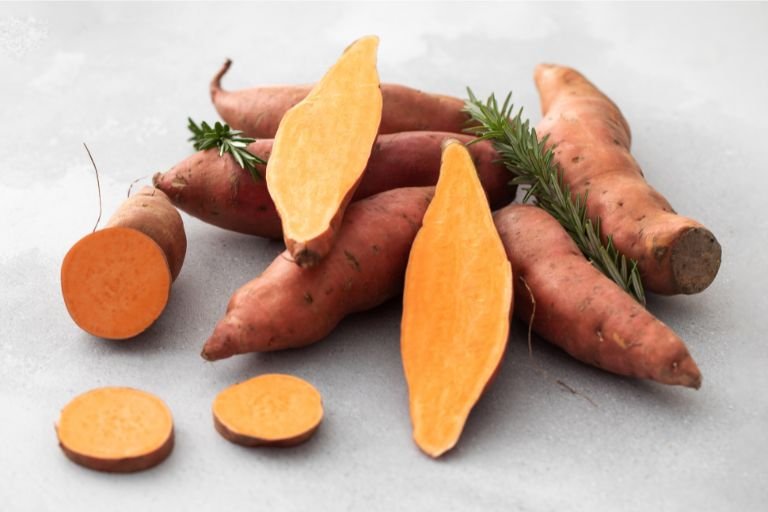
Imagine sitting down to enjoy a meal and then being greeted by that dreaded burning sensation in your chest—acid reflux. If you’ve experienced it, you know how important it is to choose the right foods to keep your digestion happy. Among the many questions about diet and acid reflux, one often pops up: Are sweet potatoes acidic? These vibrant, versatile vegetables have long been celebrated for their health benefits, but are they a friend or foe for those battling acid reflux? In this post, we’ll explore the surprising science behind sweet potatoes and how they could be the perfect addition to an acid reflux-friendly diet. Let’s dive in and discover if this comfort food can truly bring you digestive comfort.
Understanding the pH of Sweet Potatoes
The pH scale measures how acidic or alkaline a substance is, with a scale ranging from 0 (most acidic) to 14 (most alkaline). Foods with a pH below 7 are acidic, while those above 7 are alkaline.
Sweet potatoes have a pH value between 5.3 and 5.9, placing them in the mildly acidic category. However, their natural composition makes them less likely to trigger acid reflux compared to highly acidic foods like citrus fruits or tomatoes. Additionally, sweet potatoes are alkaline-forming in the body, which means they promote an alkaline effect after digestion.
Nutritional Profile of Sweet Potatoes
Sweet potatoes are nutrient-dense, providing a wealth of vitamins, minerals, and antioxidants. Here’s a breakdown of their nutritional content per 100 grams (boiled without skin):
| Nutrient | Amount |
| Calories | 86 kcal |
| Carbohydrates | 20 g |
| Fiber | 3 g |
| Protein | 1.6 g |
| Vitamin A (as Beta-Carotene) | 14,187 IU |
| Vitamin C | 2.4 mg |
| Potassium | 337 mg |
| Magnesium | 25 mg |
These nutrients contribute to sweet potatoes’ many health benefits, including their potential to alleviate acid reflux symptoms.
Author Tip: Is Potato Salad Healthy?
Sweet Potatoes and Acid Reflux
What Causes Acid Reflux?
Acid reflux occurs when stomach acid flows back into the esophagus, leading to symptoms like heartburn, regurgitation, and a sour taste in the mouth. Common triggers include fatty or spicy foods, caffeine, alcohol, and carbonated drinks.
Can Sweet Potatoes Help with Acid Reflux?
Sweet potatoes are considered a reflux-friendly food because of their:
- Low Acidity: Their mildly acidic nature and alkalizing effect make them unlikely to trigger acid reflux.
- High Fiber Content: Fiber helps improve digestion and prevent acid buildup in the stomach.
- Rich Potassium Levels: Potassium can help balance stomach acid and support overall digestive health.
Benefits of Sweet Potatoes for Digestive Health
Sweet potatoes have several properties that can aid in managing acid reflux and promoting overall digestive health:
- Rich in Complex Carbohydrates
Sweet potatoes provide sustained energy and are gentle on the stomach, reducing the risk of acid reflux. - High Fiber Content
Fiber promotes regular bowel movements and prevents conditions like constipation, which can exacerbate acid reflux. - Natural Anti-Inflammatory Properties
Sweet potatoes contain antioxidants like beta-carotene, which reduce inflammation in the digestive tract. - Magnesium and Potassium
These minerals help maintain the stomach’s pH balance and regulate muscle contractions, reducing the risk of acid reflux.
How to Incorporate Sweet Potatoes into an Acid Reflux Diet?
Best Cooking Methods
The way you prepare sweet potatoes significantly impacts their effect on acid reflux. Here are some reflux-friendly cooking tips:
- Boiling: Retains nutrients and softens the fibers, making them easier to digest.
- Steaming: Preserves vitamins and minerals while creating a soft texture.
- Baking: Enhances their natural sweetness but avoid adding acidic toppings like vinegar-based sauces.
Foods to Pair with Sweet Potatoes
Combining sweet potatoes with other reflux-friendly foods can create balanced, soothing meals:
| Food | Reason to Pair |
| Lean proteins (chicken, fish) | Low-fat options reduce reflux risk |
| Leafy greens (spinach, kale) | Alkaline properties combat acidity |
| Non-citrus fruits (bananas) | Gentle on the stomach |
Sample Recipe: Sweet Potato Mash
- Ingredients:
- 2 medium sweet potatoes
- 1 tbsp olive oil
- A pinch of cinnamon (optional)
- A sprinkle of salt
- Instructions:
- Boil the sweet potatoes until soft.
- Mash with olive oil and season with cinnamon and salt.
- Serve as a side dish with grilled chicken or steamed vegetables.
Potential Drawbacks of Sweet Potatoes
While sweet potatoes are generally well-tolerated, excessive consumption can pose risks:
- Oxalate Content
Sweet potatoes are high in oxalates, which can contribute to kidney stone formation in susceptible individuals. - Blood Sugar Spikes
Despite their low glycemic index, eating large quantities of sweet potatoes can cause a rise in blood sugar levels. - Portion Size Matters
Eating too much, even of a healthy food, can overload the digestive system and potentially trigger reflux symptoms.
Scientific Perspective on Sweet Potatoes and Acid Reflux
Research supports the inclusion of low-acid, high-fiber foods in managing acid reflux. A study published in the World Journal of Gastroenterology (2018) highlighted that dietary fiber intake is associated with a reduced risk of reflux symptoms. The natural anti-inflammatory properties of sweet potatoes further enhance their role as a soothing food for the digestive system.
Comparison: Sweet Potatoes vs. White Potatoes for Acid Reflux
Sweet potatoes often outperform white potatoes for managing acid reflux due to their higher fiber content and alkalizing properties.
| Feature | Sweet Potatoes | White Potatoes |
| pH Level | 5.3–5.9 (mildly acidic) | 5.4–5.9 (mildly acidic) |
| Nutrient Density | Higher in vitamin A, fiber | Higher in vitamin C |
| Alkalizing Effect | Stronger | Moderate |
| Impact on Acid Reflux | More beneficial | Neutral |
Sweet potatoes often outperform white potatoes for managing acid reflux due to their higher fiber content and alkalizing properties.
Tips for Managing Acid Reflux with Diet
Incorporating sweet potatoes is just one step in managing acid reflux. Here are additional tips:
- Eat Smaller Meals
Large meals can increase stomach pressure, leading to reflux. - Avoid High-Fat Foods
Fried and greasy foods are known to relax the lower esophageal sphincter, a key contributor to acid reflux. - Stay Upright After Eating
Gravity helps keep stomach acid where it belongs. - Limit Trigger Foods
Common culprits include coffee, chocolate, alcohol, and spicy dishes. - Hydrate Wisely
Drink plenty of water, but avoid carbonated beverages.
FAQs About Sweet Potatoes and Acid Reflux
1. Are sweet potatoes acidic or alkaline?
Sweet potatoes are mildly acidic but have an alkalizing effect on the body after digestion.
2. Can sweet potatoes worsen acid reflux?
Unlikely. When prepared in a reflux-friendly way, sweet potatoes are gentle on the stomach and can alleviate symptoms.
3. Are sweet potato fries safe for acid reflux?
Fried foods, including sweet potato fries, can trigger reflux due to their high fat content. Opt for baked or boiled versions.
4. How do sweet potatoes compare to yams for acid reflux?
Sweet potatoes and yams are similar nutritionally, but sweet potatoes are often softer and easier to digest, making them slightly better for acid reflux.
5. What is the best time to eat sweet potatoes for acid reflux?
Consume sweet potatoes during meals to support digestion. Avoid eating large portions close to bedtime.
6. Can I eat sweet potatoes every day?
Yes, in moderation. They’re nutritious and unlikely to trigger acid reflux when part of a balanced diet.
Conclusion
Sweet potatoes are a nutritious and acid reflux-friendly food. Their mild acidity, fiber content, and alkalizing properties make them a valuable addition to any reflux management plan. To maximize their benefits, prepare them using reflux-friendly methods and pair them with other low-acid foods.
Sweet potatoes aren’t just a healthy choice—they’re a delicious way to keep your digestive system in check. Enjoy them in moderation, experiment with new recipes, and feel good about adding this versatile vegetable to your diet.
Related Posts


Subscribe for New Racipies
Get mental health tips, updates, and resources delivered to your inbox.
Is Brussels Sprout Acidic? Are Suitable for Acid Reflux?

Brussels sprouts, one of the most nutritious members of the cruciferous vegetable family, have earned a reputation for their impressive health benefits. However, if you’re among those who experience acid reflux or gastroesophageal reflux disease (GERD), you may wonder, “Is Brussels sprout acidic? Are they safe for acid reflux?” These questions are crucial for individuals managing their diet to prevent heartburn and other reflux-related symptoms. In this article, we’ll delve into the acidity levels of Brussels sprouts, their potential benefits and drawbacks for acid reflux sufferers, and the best ways to incorporate them into a reflux-friendly diet. By the end, you’ll have a clear understanding of whether Brussels sprouts should make it to your plate.
Is Brussels Sprout Acidic or Alkaline? Understanding Their pH Levels
To determine whether Brussels sprouts are acidic, we look at their pH level. The pH scale ranges from 0 (highly acidic) to 14 (highly alkaline), with 7 being neutral.
| Food | pH Level | Classification |
| Brussels Sprouts | 6.0–6.8 | Slightly alkaline |
Brussels sprouts are classified as slightly alkaline, meaning they are not acidic. This makes them a good choice for individuals looking to avoid highly acidic foods.
Author Tip: Are Brussels Sprouts Safe for Acid Reflux?
Nutritional Profile of Brussels Sprouts: Packed with Health-Boosting Nutrients
Brussels sprouts are packed with essential nutrients, which contribute to their health benefits:
- Vitamins: High in vitamin C and vitamin K, which support immune health and bone strength.
- Fiber: A rich source of dietary fiber that aids digestion and promotes gut health.
- Antioxidants: Contains glucosinolates and other powerful antioxidants that help reduce inflammation and oxidative stress.
- Minerals: Provides potassium, manganese, and folate for optimal bodily functions.
- Low in Calories: About 38 calories per cup (cooked), making them ideal for weight management.
Are Brussels Sprouts Safe for Acid Reflux? Exploring Their Effects on Reflux Symptoms
Acid reflux, characterized by symptoms such as heartburn and regurgitation, often requires careful dietary choices. Here’s how Brussels sprouts can affect acid reflux:
1. Alkaline Nature Helps Neutralize Stomach Acid
Their slightly alkaline pH can help neutralize excess stomach acid, making them a suitable option for individuals with acid reflux.
2. Rich in Fiber to Support Digestive Health
Dietary fiber in Brussels sprouts aids digestion and helps prevent constipation, which can reduce pressure on the lower esophageal sphincter (LES), a common cause of acid reflux.
3. Anti-inflammatory Properties Provide Digestive Relief
The antioxidants in Brussels sprouts, such as kaempferol and glucosinolates, have anti-inflammatory effects that may benefit the esophagus and reduce irritation caused by acid reflux.
4. Potential for Gas and Bloating in Sensitive Individuals
While Brussels sprouts are generally safe, they can cause gas and bloating in some people due to their fiber and raffinose content. These symptoms may exacerbate acid reflux in sensitive individuals.
Author Tip: 7 Kinds of Foods to Avoid with GERD
Tips for Including Brussels Sprouts in an Acid Reflux-Friendly Diet Plan
To enjoy Brussels sprouts without triggering acid reflux, consider these tips:
1. Cook Them Properly to Retain Nutrients and Reduce Discomfort
Avoid frying or cooking with heavy fats, as these methods can worsen reflux symptoms. Opt for steaming, roasting, or lightly sautéing with olive oil.
2. Pair with Alkaline Foods for Balanced Meals
Combine Brussels sprouts with other alkaline foods like quinoa, spinach, or sweet potatoes for a balanced and reflux-friendly meal.
3. Eat in Moderation to Avoid Overloading the Digestive System
Start with small portions to see how your body reacts. Gradually increase the quantity if no adverse symptoms occur.
4. Avoid Spicy or Acidic Seasonings That May Trigger Reflux
Season Brussels sprouts with mild herbs like thyme or rosemary instead of acidic dressings or spicy sauces.
Author Tip: 7-Day Meal Plan For Gastritis
Health Benefits of Brussels Sprouts Beyond Managing Acid Reflux Symptoms
Brussels sprouts offer a wide range of health benefits that make them a valuable addition to your diet:
1. Supports Immune Health with High Vitamin C Content
The high vitamin C content boosts immunity and helps the body fight infections effectively.
2. Promotes Heart Health by Reducing Oxidative Stress
Antioxidants in Brussels sprouts reduce oxidative stress, which is linked to heart disease. Their fiber content also helps manage cholesterol levels.
3. Aids in Detoxification and Supports Liver Health
Glucosinolates in Brussels sprouts support liver detoxification processes, enhancing overall health and wellbeing.
4. Improves Bone Health Through Essential Nutrients
Rich in vitamin K, Brussels sprouts play a crucial role in bone mineralization and reducing the risk of fractures.
Scientific Insights on Brussels Sprouts and Acid Reflux Management
Studies have highlighted the role of vegetables, including Brussels sprouts, in managing acid reflux:
- Fiber and Digestion Support: A study published in the World Journal of Gastroenterology emphasized the importance of high-fiber foods in improving gut motility and reducing reflux symptoms.
- Alkaline Benefits for Neutralizing Acid: Research in the Journal of Clinical Gastroenterology suggested that alkaline foods can help neutralize stomach acid and reduce irritation in the esophagus.
- Anti-inflammatory Properties for Digestive Health: A review in Nutrients highlighted the anti-inflammatory benefits of cruciferous vegetables like Brussels sprouts in supporting digestive health.
Potential Downsides of Brussels Sprouts for Acid Reflux Sufferers
While generally safe, Brussels sprouts may not suit everyone:
1. Gas and Bloating Can Cause Digestive Discomfort
Their fiber and raffinose content can cause discomfort in some people, potentially worsening reflux symptoms in sensitive individuals.
2. Individual Sensitivities May Affect Digestive Reactions
Some individuals with sensitive digestive systems may experience mild discomfort after consuming Brussels sprouts.
How to Incorporate Brussels Sprouts into Your Acid Reflux-Friendly Diet Successfully?
Here are some acid reflux-friendly ways to enjoy Brussels sprouts:
1. Roasted Brussels Sprouts with Light Seasoning
Roast them with olive oil, garlic, and a pinch of sea salt for a delicious and healthy side dish that’s easy on the stomach.
2. Brussels Sprout Salad with Reflux-Friendly Ingredients
Shred raw Brussels sprouts and toss them with avocado, almonds, and a light vinaigrette for a crunchy and nutritious salad.
3. Creamy Brussels Sprouts Soup for Soothing Relief
Blend cooked Brussels sprouts with low-sodium vegetable broth, carrots, and herbs for a soothing and reflux-friendly soup.
4. Vegetable Stir-Fry Featuring Brussels Sprouts
Lightly sauté Brussels sprouts with tofu, ginger, and low-sodium soy sauce for a flavorful and balanced dish.
Brussels Sprouts Recipes: Brussels Sprouts, Momofuku-style
Brussels Sprouts With Bacon And Juniper Berries
Conclusion: Is Brussels Sprout a Good Choice for Acid Reflux?
Brussels sprouts are slightly alkaline and rich in nutrients, making them a good choice for most individuals, including those with acid reflux. Their fiber, antioxidants, and anti-inflammatory properties contribute to overall digestive health and may help manage acid reflux symptoms. However, it’s essential to monitor your body’s response and prepare them in reflux-friendly ways to avoid discomfort.
By incorporating Brussels sprouts into your diet wisely, you can enjoy their numerous health benefits without triggering acid reflux. Whether roasted, in salads, or as part of a balanced meal, Brussels sprouts can be a valuable addition to a healthy, reflux-friendly diet.
Related Posts
Subscribe for New Racipies
Get mental health tips, updates, and resources delivered to your inbox.