
Slow-Roasted Tomatoes, and other Weekend Stories

Medically reviewed by Christiana George Updated Date: June 8, 2023

This weekend was beautiful, warm but not hot, today especially. So I took a break from the kitchen.
I bought grapes, the first of the season! While I was sad to learn that my favorite kind, muscat, is not grown in this area, I was delighted to discover many other varieties that smelled like perfume and tasted as sweet as candy. Apparently a lot of grapes are grown up near Ithaca. That’s not so very far away from here, is it?
I saw a man walking nonchalantly by my favorite home on Manhattan. It’s beautiful, and he didn’t even bat an eye. Maybe he walks by it all the time, maybe he lives just a few doors down, maybe he has no appreciation for lush, gorgeous ivy covering a stately brick exterior. Or maybe I’m just particularly sensitive towards the aesthetically pleasing. All I know is, whenever I pass it, I have stop, sigh, and admire.
I went to Chinatown and bought boba, also known as bubble milk tea. Have you ever had it? It’s probably my favorite beverage in the world, un-eclipsable by anything else, alcoholic or non-. Truthfully, Chris and I make the trip to Chinatown often to buy boba, at least twice a week. Our favorite spot is located on Canal Street, but it’s too expensive for addicts like us. So we go to another spot that’s decent, but made all the sweeter by the fact that it has a 2-for-1 deal. Alas, Chatime we’ll have to reserve for special occasions.
I had two credit cards stolen. I believe the theft occurred in a coffee shop near NYU, the unlikeliest of places if you ask me. And the funny thing is, I’d scooted my purse in closer because I’d felt uncomfortable by how near the party behind me sat. The exact same thing had happened to me in Bolivia: a man who’d sat a little too close for comfort, me preemptively pulling my purse in. He’d managed to get away with about $7 worth of cash. The thief in New York had unsuccessfully tried making a $900+ purchase at the Apple store on both cards. It serves her (her? him? Would a man try to pass a card with a woman’s name on it as his?) right.
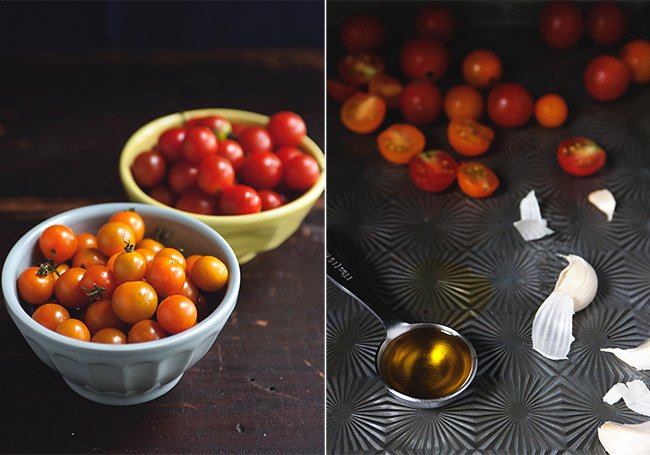
Before all this happened, on Friday, I roasted tomatoes.
I think I might’ve mentioned that I like my tomatoes raw, with just a touch of olive oil and salt. But in the case of cherry tomatoes, well, roasting them slowly on low heat, is a one-up.
The taste pierces. It’s so sharply sweet and intense, tomato condensed and condensed some more until all its taste is packaged in a shriveled, innocuous mass. For these tomatoes, I’m willing to turn my oven on, the oven that had traumatized me weeks ago, the oven that I’d vowed to part ways with until after Labor Day, until after temperatures dip below the 80′s once and for all.
A little goes a long way. I’ll be tossing them in salads, on sandwiches, on bagels, in pasta, whenever I need a boost of tomato action. Which could be anytime inspiration strikes, like when I walk by the fridge.

Yup, my weekend was punctuated by tomatoes. They’re a good thing to have around when I’m dealing with my credit card companies’ fraud departments on the phone. And for easing myself back into the work week.
Happy Monday, friends.
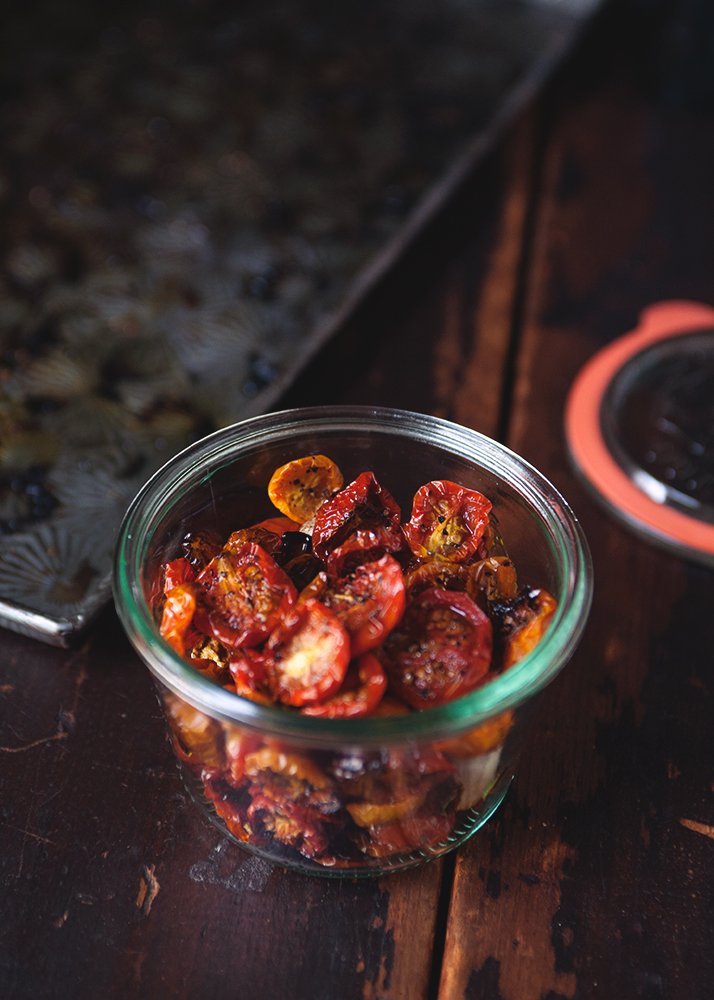
SLOW-ROASTED TOMATOES
Ingredients:
Cherry tomatoes
Olive oil
3 to 4 cloves of garlic, unpeeled
salt and pepper
Directions:
Preheat the oven to 250 degrees (Note: My oven only goes down to 300 degrees, so I had to roast them at this temperature.)
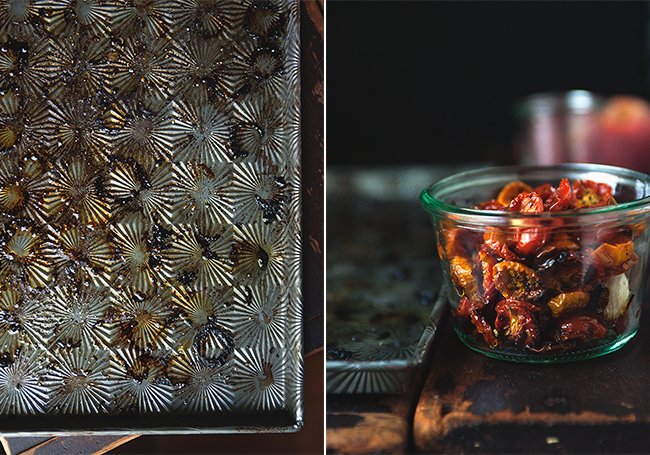
Cut the tomatoes in half. Toss with the olive oil (so they’re lightly covered) and lay the halves on a baking sheet, cut side up, along with the garlic cloves. Sprinkle with salt and pepper to taste. Roast the tomatoes for 2 to 3 hours until they shrivel but are still juicy on the inside. (Note: Because my oven was at 300 degrees, I had to turn the oven off after about an hour and 15 minutes because the tomatoes in the corners had started burning. I won’t lose any to the carbonizing effects of heat!)
To store, let the tomatoes cool and put them in a covered jar in the fridge. You may need to cover them with some extra olive oil.
Related Posts



Subscribe for New Racipies
Get mental health tips, updates, and resources delivered to your inbox.
Are Spinach Leaves Acidic? Spinach Leaves and Acid Reflux


Are Spinach Leaves Acidic? Spinach Leaves and Acid Reflux
Spinach is often hailed as a superfood due to its impressive nutrient profile and versatility in various dishes. But for individuals suffering from acid reflux or aiming to maintain a balanced pH in their diet, the question arises: are spinach leaves acidic? Understanding the pH properties of spinach leaves can help determine their role in managing acid reflux and overall digestive health. This leafy green is widely recognized for being rich in vitamins, minerals, and antioxidants, but does it contribute to acidity or alleviate it?
In this comprehensive guide, we’ll explore whether spinach leaves are acidic or alkaline, their benefits for acid reflux sufferers, and how they compare to other greens. Additionally, we’ll uncover the best ways to include spinach in a reflux-friendly diet and address common misconceptions about this nutrient-packed vegetable.
If you’re wondering whether spinach is the right choice for your digestive health, keep reading!
What Makes a Food Acidic or Alkaline?
Understanding pH and Its Role in Nutrition
The pH scale measures the acidity or alkalinity of substances on a scale of 0 to 14, with 7 being neutral. Foods below 7 are acidic, while those above 7 are alkaline. Spinach, like other leafy greens, has unique pH properties that make it a valuable addition to a balanced diet.
How Acid-Forming Foods Affect the Body
Acid-forming foods, such as fried items, processed sugars, and caffeine, can increase stomach acidity and trigger acid reflux. Conversely, alkaline foods help neutralize stomach acid, reducing irritation and promoting better digestive health.
Importance of Alkaline Foods for Acid Reflux
For individuals with acid reflux, incorporating more alkaline foods into their diet can alleviate symptoms by reducing acid production in the stomach. Spinach, as we’ll see, plays a significant role in this dietary adjustment.
Are Spinach Leaves Acidic or Alkaline?
Natural pH of Spinach Leaves
Raw spinach leaves are considered mildly alkaline, with a pH value that typically falls between 7.0 and 7.5. When cooked, spinach may become slightly acidic due to the breakdown of its natural compounds, but it still retains alkalizing properties in the body.
Spinach’s Alkalizing Effect on the Body
Although spinach contains oxalic acid, which is naturally acidic, it metabolizes as alkaline in the body. This means it helps balance the body’s pH by neutralizing excess acid, making it an excellent choice for those managing acid reflux.
Does Spinach Trigger Acid Reflux?
Spinach is unlikely to trigger acid reflux in most people. In fact, its high water content and fiber promote better digestion, making it a reflux-friendly food. However, individuals with sensitivities to oxalates may need to moderate their intake.
Related to Read: Are Baby Spinach Acidic?
Nutritional Benefits of Spinach Leaves
Rich in Essential Vitamins and Minerals
Spinach is a nutritional powerhouse, providing vitamins A, C, K, and folate, along with minerals like iron, magnesium, and potassium. These nutrients support overall health, from boosting immunity to maintaining strong bones.
High in Antioxidants
Spinach contains antioxidants such as lutein, zeaxanthin, and beta-carotene, which combat free radicals and reduce inflammation. This makes spinach beneficial not only for digestive health but also for preventing chronic diseases.
Fiber Content and Digestive Health
Spinach’s high fiber content aids in digestion by promoting regular bowel movements and reducing the likelihood of constipation—one of the factors that can exacerbate acid reflux.
Spinach and Acid Reflux: What You Need to Know
How Spinach Eases Acid Reflux Symptoms
Spinach helps soothe the digestive tract by neutralizing stomach acid. Its natural water content also keeps the esophagus hydrated, reducing irritation caused by acid reflux episodes.
Comparing Spinach to Other Leafy Greens
Spinach stands out among leafy greens for its alkalizing properties and nutrient density. While kale, lettuce, and arugula are also excellent choices for acid reflux sufferers, spinach offers a unique blend of vitamins, minerals, and antioxidants that make it a top contender.
Potential Concerns for Spinach Consumption
For individuals prone to kidney stones, spinach’s oxalate content may pose a concern. Moderation and pairing spinach with calcium-rich foods, like yogurt or cheese, can reduce oxalate absorption and its associated risks.
Best Ways to Incorporate Spinach Into a Reflux-Friendly Diet
Raw Spinach in Salads
Raw spinach leaves make an excellent base for salads. Combine them with alkaline vegetables like cucumbers, carrots, and avocado for a refreshing, nutrient-packed dish.
Spinach in Smoothies
Blend spinach with bananas, almond milk, and a dash of honey to create a delicious, reflux-friendly smoothie. Its mild flavor pairs well with a variety of fruits.
Cooked Spinach Recipes
Steamed or sautéed spinach retains its alkalizing properties while becoming easier to digest. Avoid cooking spinach with acidic ingredients like tomatoes or vinegar to keep it reflux-friendly.
Author Tip: 7-Day Meal Plan For Gastritis
Spinach vs. Acid-Forming Foods
Spinach vs. High-Acid Vegetables
Unlike acidic vegetables like tomatoes and peppers, spinach helps neutralize stomach acid. Its alkalizing effect makes it a safer choice for those with acid reflux.
Spinach as a Low-Acid Alternative
For recipes that call for acidic greens, such as mustard greens or sorrel, spinach can be used as a milder, more alkaline substitute.
How Spinach Balances Acidic Meals?
Adding spinach to dishes with acidic components, like pasta sauces or curries, helps balance the pH of the meal, making it gentler on the stomach.
Author Tip: 7 Kinds of Foods to Avoid with GERD
Common Myths About Spinach and Acidity
Does Spinach Cause Bloating or Gas?
Raw spinach contains insoluble fiber, which may cause bloating in some individuals. Cooking spinach reduces its fiber content, making it easier to digest.
Is Spinach Too Acidic for People with Reflux?
While spinach contains oxalic acid, it metabolizes as alkaline in the body. For most people, it’s a beneficial addition to a reflux-friendly diet.
Can Spinach Be Eaten Daily?
Yes, spinach can be consumed daily in moderation. Its health benefits far outweigh its oxalate content, especially when balanced with other alkaline foods.
Spinach Recipes: Ricotta, Spinach, and Mushroom filled Crepe
Lamb’s Quarters Frittata, Or Spinach’s Hillbilly Cousin
Final Thoughts on Spinach Leaves and Acid Reflux
Spinach leaves are not only mildly alkaline but also packed with nutrients that promote digestive health and reduce acid reflux symptoms. Their fiber, antioxidants, and alkalizing properties make them an excellent choice for individuals managing acid reflux. Whether consumed raw, cooked, or blended into smoothies, spinach is a versatile and nutritious addition to any diet. While moderation is key for individuals with oxalate sensitivity, spinach remains one of the best greens for maintaining a balanced pH and supporting overall well-being.
FAQs
- Are spinach leaves acidic?
No, spinach leaves are mildly alkaline and help neutralize stomach acid. - Is spinach good for acid reflux?
Yes, spinach is excellent for acid reflux due to its alkalizing properties and high water content. - Does spinach contain oxalic acid?
Yes, spinach contains oxalic acid, but it metabolizes as alkaline in the body and is generally safe for most people. - What are other alkaline greens like spinach?
Kale, lettuce, arugula, and Swiss chard are also alkaline greens suitable for acid reflux sufferers. - Can cooked spinach lose its alkalizing properties?
Cooked spinach may become slightly acidic, but it retains alkalizing effects when metabolized in the body.
Related Posts



Subscribe for New Racipies
Get mental health tips, updates, and resources delivered to your inbox.