
Kale Avocado Salad, And Searching, Searching

Medically reviewed by Christiana George Updated Date: January 2, 2026
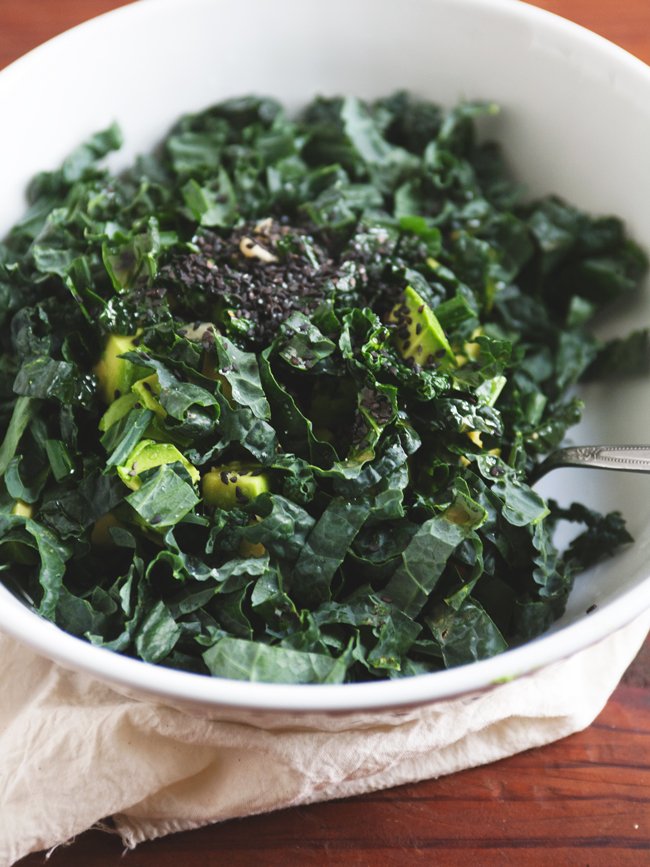
There’s a certain urgency I feel when I’m at the farmer’s market and I’m deciding what I want to buy, and it’s not a good urgency. It’s the urgency caused by a thousand heads of kale peeking out at me from the reusable bags of their well-intentioned shoppers. It’s an urgency that then leads me to examine the many varieties of kale that are on sale, trying to overcome the fact that I find most vegetables utterly repugnant. It’s an urgency that brings out feelings of guilt and anxiety and SHAME, because no self-respecting adult should feel so abhorrent towards plants and their nutritional content.
I guess I have an uneasy relationship with vegetables. Kale, with its gray-green and fibrous leaves, exemplifies everything funny I feel towards them. I want to like it though, and therein lies the problem. I mean, it’s a pretty cool vegetable: its color makes me swoon, its texture reminds me of the skin of a dinosaur, and it’s so damn healthy it hurts. I just can’t get over the taste.
So what else is a person to do in such a situation except brute force it? Try as many kale recipes as possible until she finds one to her liking? That’s what I’ve been trying to do, and this recipe is a step forward in my learning to like it.

It originally caught my eye because of the pairing of kale with avocado. Um, I love avocado. Avocado has the power to correct the taste of anything, just like tomatoes, or soy sauce. Avocado makes me think of California. It also makes me think of Chile, except it’s called palta there and Chileans pile it on hot dogs and it is delicious.
So wouldn’t it make perfect sense that avocado complements kale? In the salad, creamy countered tough… and what a successful experiment in contrasts it was. Along with the citrus-y dressing, this salad mellowed the toughness of the kale with notes of sweet and tart.
It was lovely. I ate the whole thing singlehandedly! Also, if you don’t mind the discoloration of avocado, it tastes better after you’ve left the flavors hang out together for awhile. It was delicious with scrambled eggs for lunch.
I’ll keep searching (a blessing and a curse, never being satisfied with a recipe) but it’s good to know that I’ve got a solid kale recipe in my arsenal.

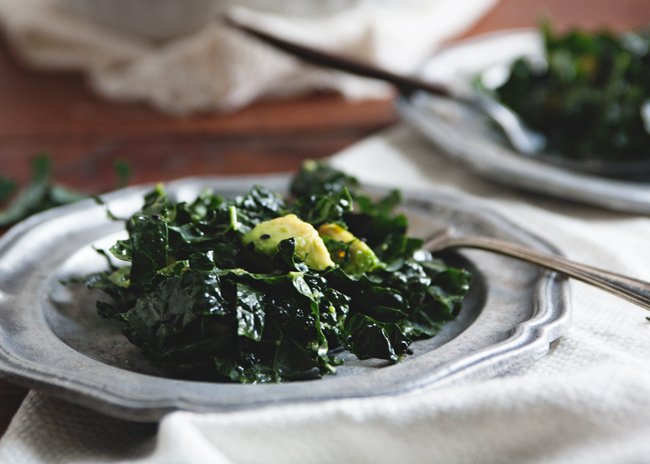
KALE AVOCADO SALAD
Adapted from Saveur
Serves 6
Ingredients:
- 1⁄2 cup orange juice
- 3 Tbsp fresh lemon juice
- 2 tsp soy sauce
- 1 clove garlic, smashed and chopped into a paste
- 4 Tbsp extra-virgin olive oil
- 2 avocados, halved, pitted, and peeled
- 2 Tbsp black sesame seeds
- 1 bunch kale (about 3⁄4 lb.), stemmed and finely chopped
- Kosher salt and freshly ground black pepper, to taste
Directions:
Whisk together juices, soy sauce, and garlic in a bowl. Slowly whisk in oil. Set aside.
Cut the avocados into 1⁄2″ cubes. Put cubed avocados, half sesame seeds, and kale into a serving bowl. Toss kale mixture with dressing and season generously with salt and pepper.
Related Posts

Subscribe for New Racipies
Get mental health tips, updates, and resources delivered to your inbox.
Don’t Think Fat, Think Pork Belly: Dongpo Pork


Though my sister and I were never picky eaters, my mom had to apply her persuasion skills every now and then to get us to eat the food she’d prepared. Every parent must have to figure out an angle, some way of coaxing their child into eating the undesirable, or else dinner quickly descends into an unpleasant affair.
My mom appealed to our vanity. Everything was “good for the skin”—tomatoes gave you a rosy blush, tofu made it silky. And pork belly, well, apparently the fat operated as some kind of lubricant, turning your skin soft and plush. She also insisted that what we were eating wasn’t fat, just the extremely thick epidermis of the pig.
C’mon.
I wasn’t stupid, even at the grand age of ten. But it wasn’t like I needed the prodding anyway. I loved meat, especially pork belly. Although I never registered that what I was eating was pork belly. You don’t think about such things when you’re a kid. It was only later, now, that I realize what cut of meat my mom constantly cooked.

I’m not going to lie, dongpo pork is really fatty. But that’s what makes it so good! Pork belly is used a lot in Chinese cooking: twice-cooked pork (my dad’s favorite), red-braised pork (my sister’s favorite), and dongpo pork. I was reminded of the prevalence of pork used in Chinese cooking while going through all these recipes—the Chinese character for meat usually signifies pork unless otherwise noted.
I never knew the origin story of this dish, but it’s actually named after the Chinese poet Su Dongpo, who apparently was banished to Hangzhou, then considered the boondocks I guess, to lead a life of poverty. He was a great chef, and actually invented dongpo pork as he was trying to improve on red-braised pork.
As the meat braised, it filled the apartment with the fragrant smell of Shaoxing wine… and made me feel slightly homesick. So I called my mom to tell her what I was doing, and you know what her response was? “Don’t eat too much of it! It will raise your cholesterol!”
C’mon, Mom. It’s good for my skin, remember?
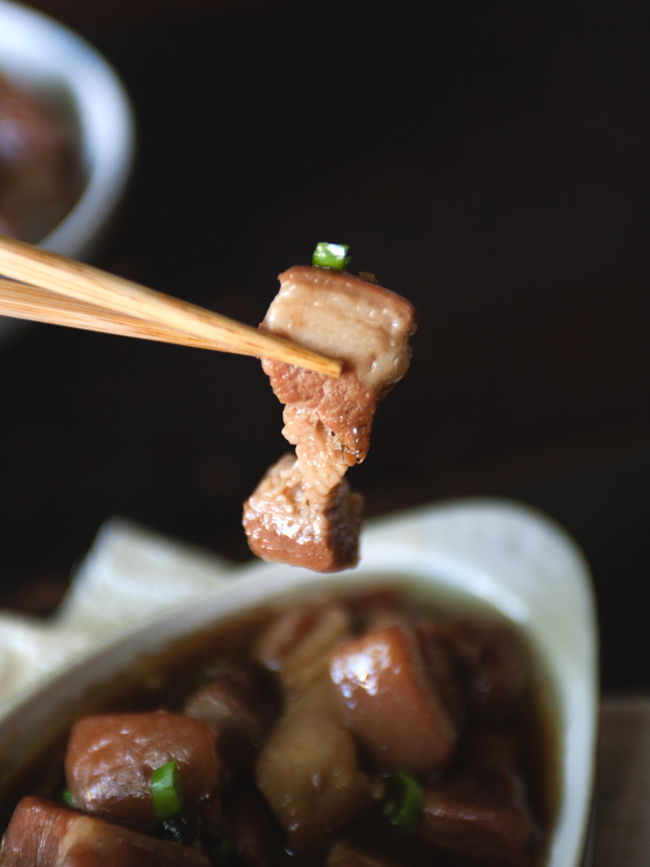

DONGPO PORK, a.k.a. BRAISED PORK BELLY
Adapted from Maameemoomoo
Serves 4
Ingredients:
1.5 lb. pork belly
1 Tbsp canola oil
2 scallions, chopped into 1-inch pieces
3 cloves garlic, peeled
3 Tbsp rock sugar or brown sugar
3 Tbsp soy sauce
3.5 cups lukewarm water
3 cups boiling water
1.5 Tbsp dark soy sauce
1/2 cup shaoxing wine
1 Tbsp cornstarch
Directions:
In a wok on medium heat, add oil. Saute scallions, ginger and garlic for 2-3 mins until fragrant. Add sugar and further saute until sugar starts to melt. Add soy sauce, dark soy and wine. Bring to a boil. Once boiling, turn off heat and add lukewarm water. Set aside.
While sauce is coming to a boil, slice pork belly into pieces about 2 inches thick. Place pork belly pieces on a chopping board or a baking pan and scald them on all sides with boiling water.
Place the pork pieces skin side down in a pan large enough to fit all the pieces together and add the earlier sauce mixture. Bring to boil. Once boiling, turn down the heat to a low simmer and braise the pork for 30 mins, covered. After 30 minutes, flip the pork belly pieces over and continue braising, covered, for a minimum of 3 hours, basting the skin occasionally.
When ready, remove pork belly pieces gently and set aside. Strain remaining sauce into a saucepan and bring to a low simmer. Mix cornstarch with 1/4 cup water and gently pour it into the sauce. Stir well until sauce becomes a shiny, sticky glaze. Turn off heat. To serve, gently place the pork belly onto a plate and spoon the sauce over. Serve with rice or noodles (my favorite!).
Related Posts





Subscribe for New Racipies
Get mental health tips, updates, and resources delivered to your inbox.