
Christmas Rice Krispie Treats

Medically reviewed by Christiana George Updated Date: January 6, 2026

Having the kids home for winter vacation is always difficult. They always seem to get bored, no matter how many toys, crafts, or games they have. Cold, rainy days make it even harder because they can’t go play outside. So today I kept them busy for a little bit with some fun Rice Krispie Treats we shaped out of a Jello Jigglers mold. They came out really cute, so I thought I’d share them with you.
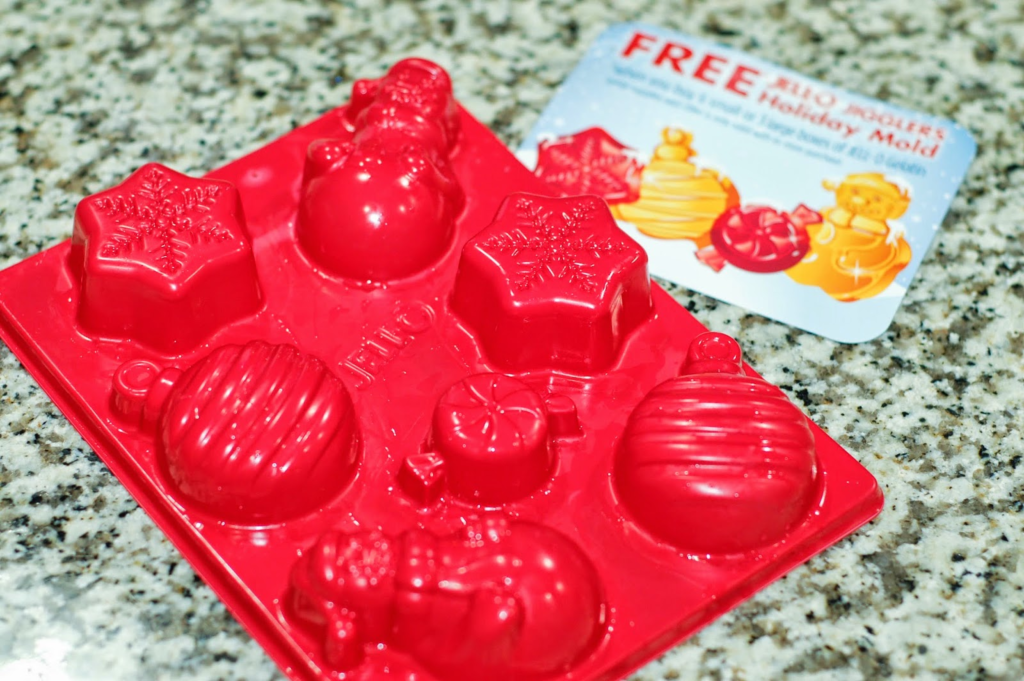
I got this mold free at the supermarket and hadn’t used it yet. I kept meaning to make Jello, but kept forgetting. I had some Rice Krispie cereal left in the pantry that I wanted to use up, so that seemed like a more interesting choice for this mold.
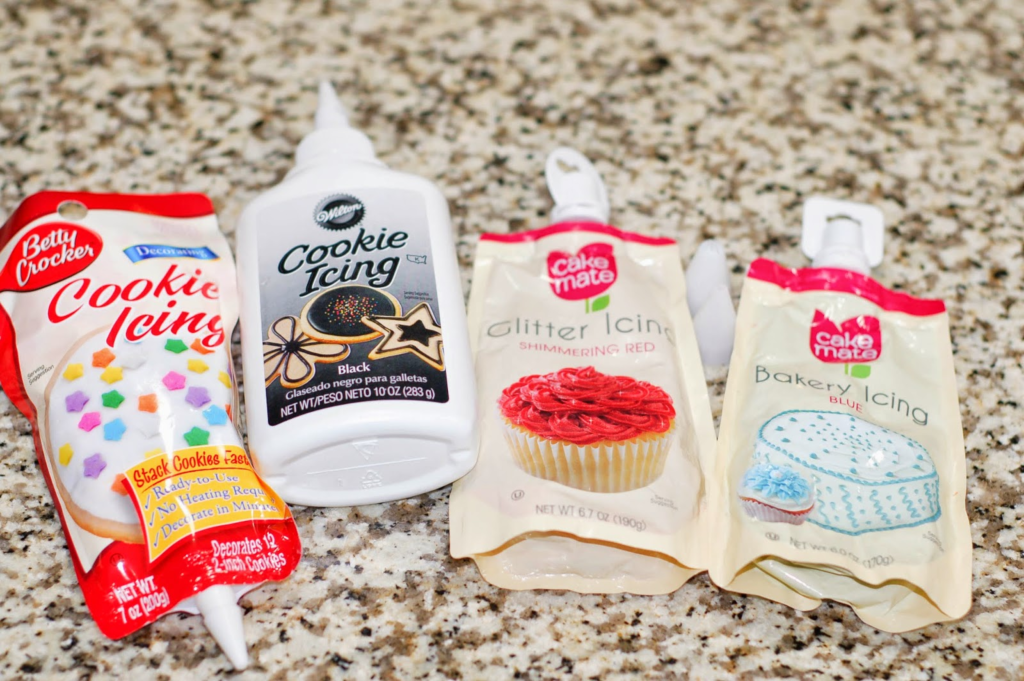
I went through the pantry for icing and candy to decorate the treats. I had cookie icing and regular icing. Cookie icing is great for glueing on candy because it hardens. The other icing will get stiff, but not harden as much. It does make for pretty decorations though, especially the glitter one.

Besides sprinkles, I also pulled out some fruit roll-ups, Air Heads candy strips, and regular and mini M&Ms.
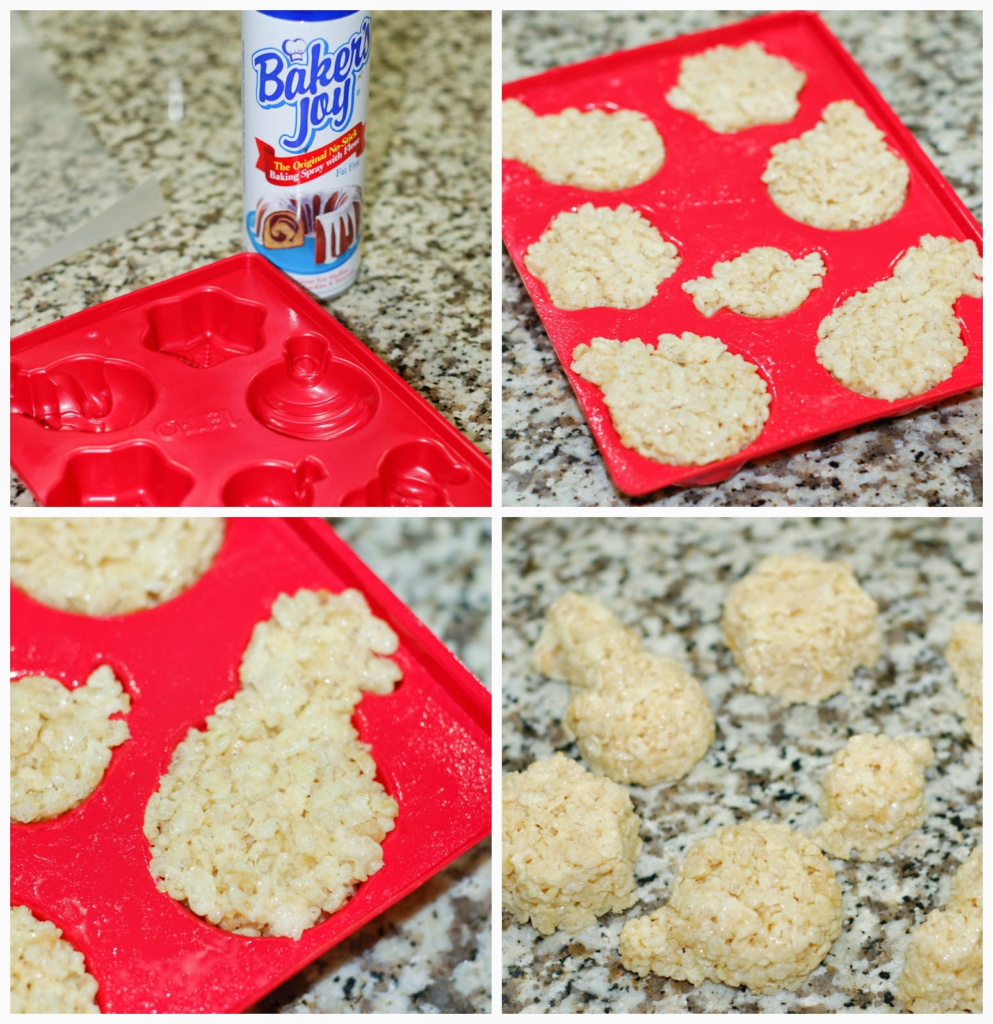
After I mixed the Rice Krispies with the melted butter and marshmallows, I just took scoops and place them in the mold cavities and pressed them in to form the shape. By the time I filled in the last cavity, I was able to flip the mold over and the shapes slid out thanks to the Baker’s Joy non-stick spray I used. So I just kept refilling the mold and making more shapes. I was able to fill the mold three times before running out of the Rice Krispie mix. I placed the molded treats in the fridge to firm up a bit more before decorating them.

Here’s where the kids had fun. My daughter usually takes her time decorating, while my son just likes to put as many candies as possible like he did for our gingerbread cookies a few weeks ago.

We didn’t end up using all the candies and sprinkles I pulled out, but the Air Heads made for some nice scarves on the snowmen. The fruit roll ups I used to wrap around the tops of the ornaments and for the snowman noses.

My kids enjoyed themselves and it kept them from fighting and driving me nuts for about an hour. And the treats came out reasonably good looking, so it was a success in my book. What are your kids doing for winter break?
Christmas Rice Krispie Treats
by The Sweet Chick
Prep Time: 20-30 minutes
Cook Time: 5 minutes
Keywords: stove top dessert snack rice krispies marshmallows cookie icing candy Christmas rice krispie treats American winter
Ingredients (21 treats)
For the treats
- 3 tablespoons butter
- 3 cups mini marshmallows
- 4 cups Rice Krispie cereal
For the toppings
- mini M&Ms
- sprinkles
- fruit roll ups
- Air Heads Extremes
- Betty Crocker cookie icing
- Cake Mate glitter icing/ bakery icing
Additional items
- Jello Jigglers holiday mold
Instructions
For the treats
In a large sauce pan, melt butter and marshmallows over low heat. Stir until completely melted.
Remove from heat and add Rice Krispie cereal. Mix until fully incorporated.
Spray Jello mold with non-stick spray.
Once the cereal mixture has cooled slightly, and can be touched, place spoonfuls of mixture into the mold cavities.
Press the mixture in with your hands to form the shapes, filling the cavities flush.
Once all cavities are filled, flip the mold over and the treats should fall out by themselves. If not, give the mold a slight tap.
Place finished treats aside and fill the mold again.
Once all mixture is used, place finished treats in an airtight container and place in the fridge for about an hour or overnight.
For the toppings
Once the treats have set, let the decorating begin. Use your imagination.
Use the cookie icing as the glue to hold candies in place and also as a decoration. The fruit roll ups and Air Heads work great as scarves, just cut to fit.
The Cake Mate icing bags come with different tips (sold separately), so you can experiment. I used the star tip to make the snowman hat and mittens.
It’s all about having fun. Enjoy!
Notes
The treats can be made ahead of time and decorated another day.
Finished treats can be kept in an airtight container at room temperature or in the fridge for longer storage.
Related Posts



Subscribe for New Racipies
Get mental health tips, updates, and resources delivered to your inbox.
Pâté au Saumon (Salmon Pie)

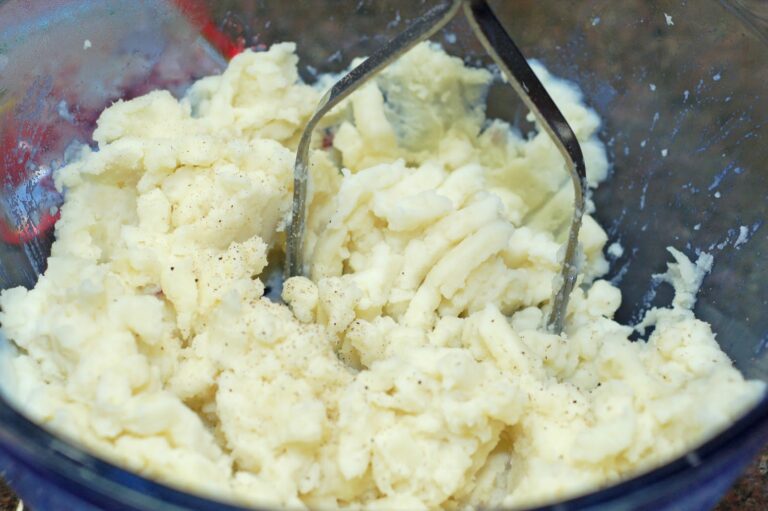

My grandmaman always made the best pies. Maple sugar pies, blueberry pies, raisin pies, etc. She always had a freezer full of homemade pies. But the one I used to ask her to make the most when I was younger is this dinner pie. It’s a simple pie, just mashed potatoes and a package of salmon. Of course grandmaman made her pie crust from scratch. That is on my bucket list of things to learn how to make. One day, when I have more free hours in a day, I will conquer it. For now I keep it simple and buy the ready made pie crusts.
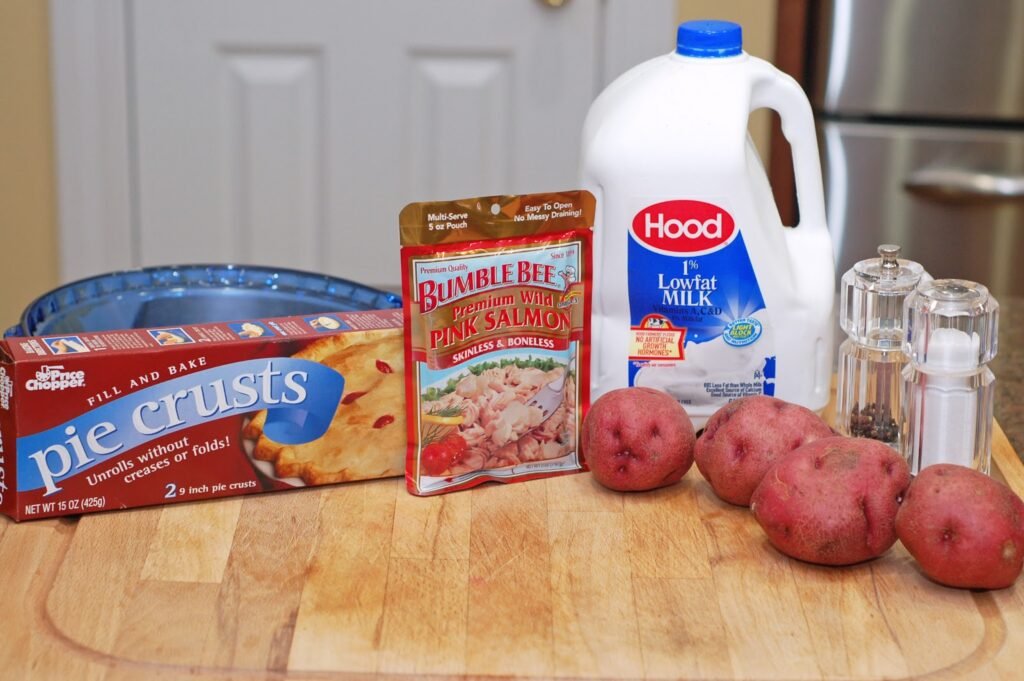
Grandmaman used to make this pie around Easter time, for those meatless Fridays during Lent. But this pie is great for any day of the week. It’s easy to make and it tastes great.

You can boil your potatoes on the stove-top, but I actually boil mine in the microwave with my Pampered Chef Rice Cooker. Only 10 minutes and they are fork tender.

You want the mashed potatoes to be moist, but not watery. You don’t want a soggy pie crust.
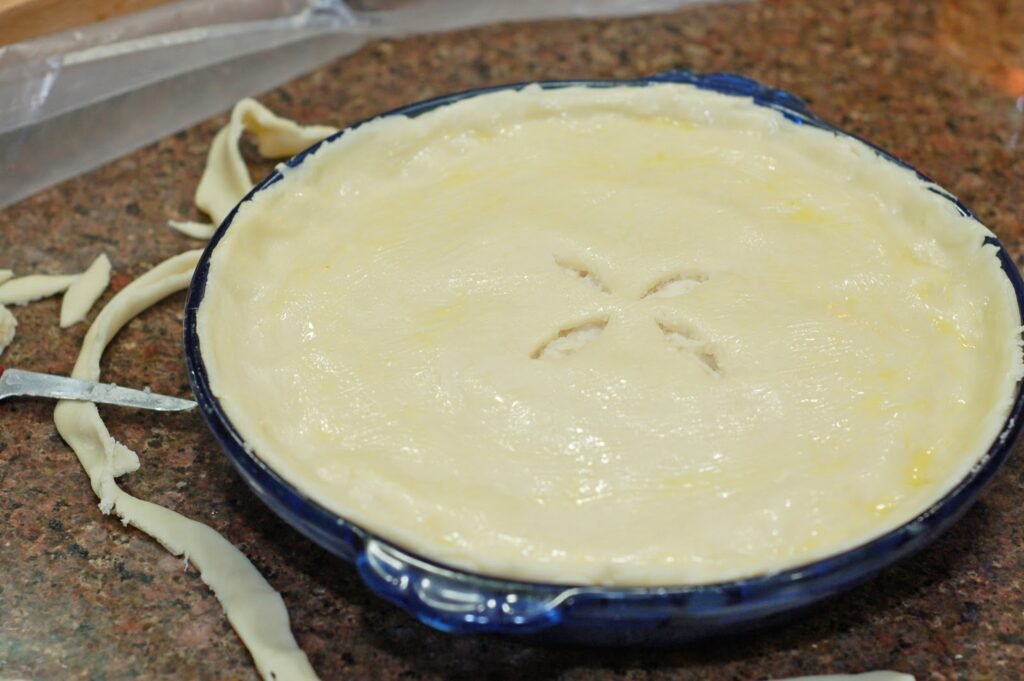
I did end up adding a light egg wash over the crust before putting it in the oven to to get it to have a golden glow.

Typically in Quebec, they just slap on some ketchup and call it a meal. And I am ok with that. That is how I grew up eating it. But, this time I wanted to fancy it up a bit, so I made a a creamy lemon dill sauce to accompany it.

Since Chobani was kind enough to send me some of their tasty Greek style yogurts to sample, I wanted to incorporate them into the sauce. If you haven’t tried their yogurt yet, I highly recommend you try it. And no they didn’t pay me to say that. I have been eating their yogurt for a while now and like it better than the Yoplait I used to eat. It does have a slightly sour aftertaste, but the the texture is smoother and the flavored ones don’t have that overly sweet taste that the other yogurts have. I have used it in smoothies and some of my desserts with great results. Even my little ones like Chobani.

I was really pleased at how creamy this sauce came out. I think it would make a great veggie dip also. I just put it on my slice of pie cold, but you can warm it up a little in the microwave if you like.
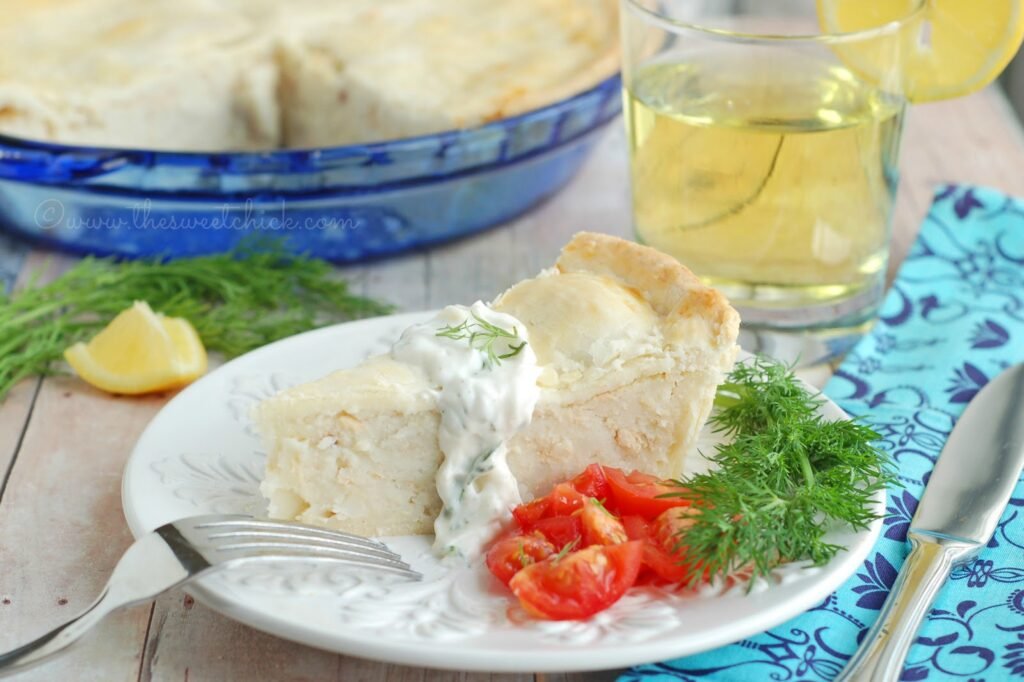
You can serve this up with a side of veggies, or a salad. Either way, it makes for a delicious meal. And for those of you that are curious, yes my grandmaman is still alive and very healthy. She just happens to live in an assisted living type facility and does not have a kitchen in her small apartment, so she doesn’t cook anymore. I miss her pies.
Pâté au Saumon (Salmon Pie)
by The Sweet Chick
Prep Time: 20 minutes
Cook Time: 15-20 minutes
Keywords: bake entree salmon mashed potatoes greek yogurt lemon Easter pie French Canadian
Ingredients (6-8 servings)
For the pie
- 4 or 5 medium potatoes
- 1/2 cup milk
- 1 tablespoon butter
- 1 (5 oz.) package pink salmon (skinless, boneless)
- 2 – 9inch ready made pie crusts
- 1 egg
- salt and pepper to taste
For the sauce
- 1/2 cup Chobani greek yogurt, plain
- 1/3 cup mayonaise
- 1 tablespoon chopped fresh dill
- 1/2 teaspoon grated lemon peel
- 1 tablespoon fresh lemon juice
- 1/8 teaspoon pepper
Instructions
For the pie
Preheat oven to 375º F.
Peel and cut potatoes into halves, place in a medium pot and cover with water.
Bring water up to a boil over medium high heat on stove top and boil for 10-15 minutes or until potatoes are fork tender.
Drain potatoes and place in a large bowl. Mash potatoes until no longer lumpy.
Add butter and milk and mix by hand until completely blended. Then add salt and pepper to taste. (I am usually a little heavy on the salt.)
Add in the salmon and mix until all incorporated.
In a 9 1/2 inch pie plate, place the first pie crust at the bottom and fill with the potato/salmon mixture.
Next, place the second pie crust over the mixture. With your hands or a fork, go around the entire pie and press the two pie crusts together at the edges to seal. Cut off any excess crust with a knife.
Cut 3 or 4 small slits in the top crust to vent.
In a small bowl whisk the egg and with a pastry brush, brush a thin layer over the top pie crust.
Place pie in the oven and bake for 15-20 minutes or until the crust is a golden color and flaky.
Remove from oven and let sit for 5 minutes before serving.
For the sauce
Place all ingredients in a medium bowl and mix until well blended, then serve with the pie. If you want you can warm up the sauce in the microwave for 15-20 seconds or until desired temperature is achieved.
Related Posts




Subscribe for New Racipies
Get mental health tips, updates, and resources delivered to your inbox.