
Chocolate Pumpkin Rice Krispie Treats

Medically reviewed by Christiana George Updated Date: January 6, 2026

The fall weather down south is a lot different from the fall weather back home. Here, I am still wearing my flip flops, capris, and short sleeves. Back home I would have to be bundled up with long pants, socks, shoes, sweater, and a jacket. I have not seen a lot of trees changing colors, but the fall decorations help me remember what season it is. It is pumpkin season! I have ideas floating in my head as to what else I can make with pumpkin puree. I need to get them out. Here is one of them. This recipe is based off the Maple Pumpkin Rice Krispie Treats I made last year.

The ingredients are pretty basic and assembly is a breeze. If you ever need to make a quick treat or dessert, Rice Krispie treats are the way to go. And you can make them so many different ways.

The big flavor in these particular treats are the Hershey’s Pumpkin Spice Kisses. These are delicious all on their own, but adding them to my Rice Krispie treats brought them to a whole other level.

I didn’t even chop them. I just threw them into the warm marshmallow mix until they melted, so the flavors would spread evenly throughout the treats.

Dark chocolate and pumpkin spice are always a winning combo in my book. Last year I used them to make the Maple Pumpkin Rice Krispie Treats and Maple Pumpkin Chocolate Chip Bread.

Can you smell that pumpkin spice? If not, get closer to your screen. Just kidding. Now these treats can be finished at this stage or you can be crazy like me and add another layer of flavor.
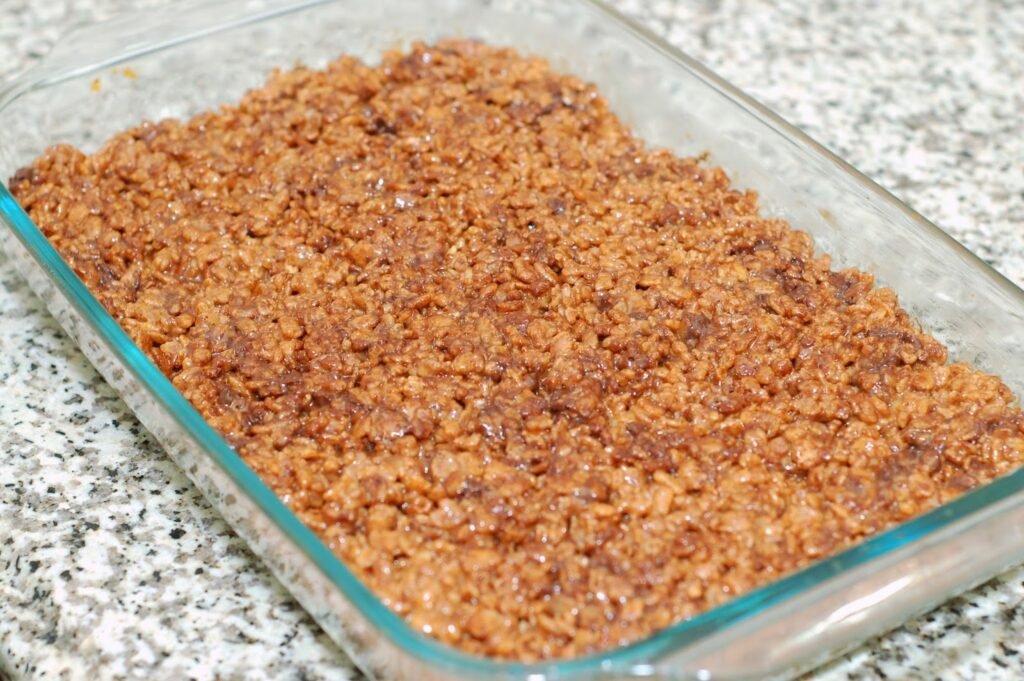
I found this really easy recipe for a marshmallow fluff frosting that I adapted for my recipe.
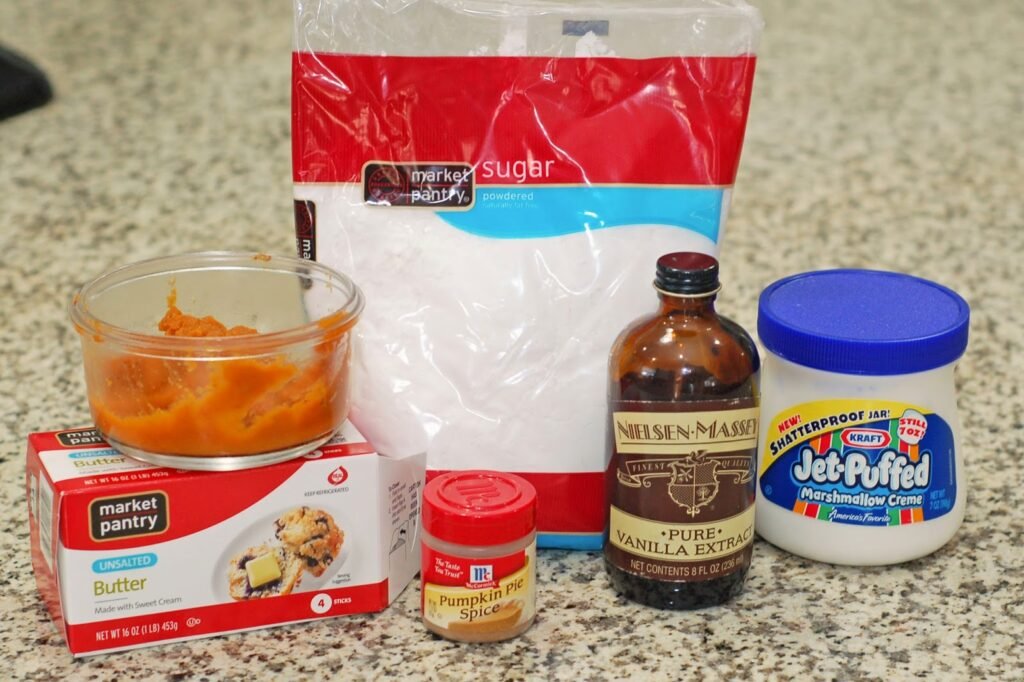
It is so light and fluffy and not too sweet. I am going to have to make some more to frost some cupcakes.
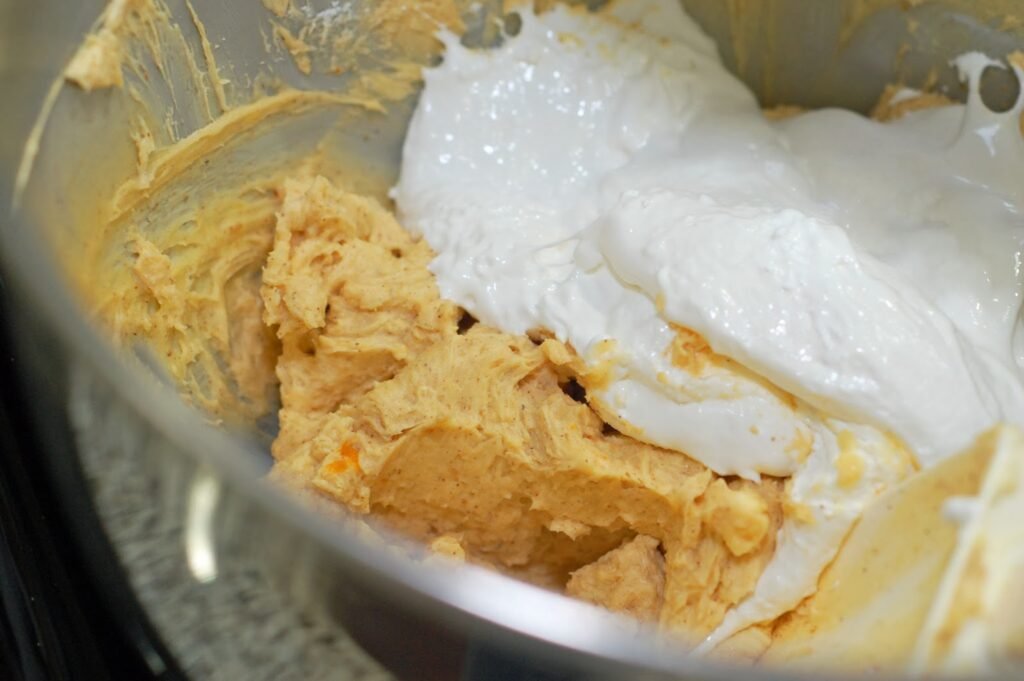
You have to hurry and frost the treats before you eat the frosting with a spoon. It is that good.

I’ve got another winning Rice Krispie Treat flavor and a winning combo of treats and frosting. The pumpkin spice flavors in both came together nicely. The textures of soft, fluffy frosting and crunchy Rice Krispies will keep the party going in your mouth. And the dark chocolate will make your tongue dance for joy. Go on and make some today!
Chocolate Pumpkin Rice Krispie Treats

by The Sweet Chick
Prep Time: 15 minutes
Cook Time: 5 minutes
Keywords: no bake snack dessert dark chocolate chips rice krispies pumpkin marshmallows bars rice krispie treats American
Ingredients (24 squares)
For the treats
- 5 tablespoons butter
- 4 cups mini marshmallows
- 1/3 cup pumpkin puree
- 1 cup Hershey’s Pumpkin Spice Kisses
- 1/4 teaspoon salt
- 7 cups Cocoa Krispie cereal
- 1 cup dark chocolate chips
For the frosting
- 1 cup butter (2 sticks)
- 2 tablespoons pumpkin puree
- 1 teaspoon vanilla extract
- 1 teaspoon pumpkin spice
- 1 cup powdered sugar
- 1 jar (7 oz.) marshmallow fluff
Instructions
For the treats
In a large sauce pan, melt butter, marshmallows, and pumpkin puree over low heat. Stir until completely melted.
Remove from heat and add salt and Pumpkin Spice Kisses. Stir until the candies are all melted and mixture is smooth.
Next add Rice Krispies and stir until completely blended.
Then add the chocolate chips and stir gently. Some of the chocolate may melt. It’s ok.
Pour the mixture into a greased 9 x 13 pan or a cookie sheet and spread it evenly with a piece of greased waxed paper.
Place in fridge to cool.
For the frosting
In a stand mixer, beat butter, pumpkin puree, vanilla, and pumpkin spice on low until well mixed.
Add powdered sugar and beat on low until it is well blended into the butter mixture, then beat on medium/high until fluffy.
Then add the fluff and beat on low speed until all incorporated.
Spread frosting evenly over cooled treats and add sprinkles if desired.
Place treats back in fridge for frosting to set.
Once frosting is set, cut treats into squares and enjoy.
Related Posts






Subscribe for New Racipies
Get mental health tips, updates, and resources delivered to your inbox.
Are Spinach Leaves Acidic? Spinach Leaves and Acid Reflux


Are Spinach Leaves Acidic? Spinach Leaves and Acid Reflux
Spinach is often hailed as a superfood due to its impressive nutrient profile and versatility in various dishes. But for individuals suffering from acid reflux or aiming to maintain a balanced pH in their diet, the question arises: are spinach leaves acidic? Understanding the pH properties of spinach leaves can help determine their role in managing acid reflux and overall digestive health. This leafy green is widely recognized for being rich in vitamins, minerals, and antioxidants, but does it contribute to acidity or alleviate it?
In this comprehensive guide, we’ll explore whether spinach leaves are acidic or alkaline, their benefits for acid reflux sufferers, and how they compare to other greens. Additionally, we’ll uncover the best ways to include spinach in a reflux-friendly diet and address common misconceptions about this nutrient-packed vegetable.
If you’re wondering whether spinach is the right choice for your digestive health, keep reading!
What Makes a Food Acidic or Alkaline?
Understanding pH and Its Role in Nutrition
The pH scale measures the acidity or alkalinity of substances on a scale of 0 to 14, with 7 being neutral. Foods below 7 are acidic, while those above 7 are alkaline. Spinach, like other leafy greens, has unique pH properties that make it a valuable addition to a balanced diet.
How Acid-Forming Foods Affect the Body
Acid-forming foods, such as fried items, processed sugars, and caffeine, can increase stomach acidity and trigger acid reflux. Conversely, alkaline foods help neutralize stomach acid, reducing irritation and promoting better digestive health.
Importance of Alkaline Foods for Acid Reflux
For individuals with acid reflux, incorporating more alkaline foods into their diet can alleviate symptoms by reducing acid production in the stomach. Spinach, as we’ll see, plays a significant role in this dietary adjustment.
Are Spinach Leaves Acidic or Alkaline?
Natural pH of Spinach Leaves
Raw spinach leaves are considered mildly alkaline, with a pH value that typically falls between 7.0 and 7.5. When cooked, spinach may become slightly acidic due to the breakdown of its natural compounds, but it still retains alkalizing properties in the body.
Spinach’s Alkalizing Effect on the Body
Although spinach contains oxalic acid, which is naturally acidic, it metabolizes as alkaline in the body. This means it helps balance the body’s pH by neutralizing excess acid, making it an excellent choice for those managing acid reflux.
Does Spinach Trigger Acid Reflux?
Spinach is unlikely to trigger acid reflux in most people. In fact, its high water content and fiber promote better digestion, making it a reflux-friendly food. However, individuals with sensitivities to oxalates may need to moderate their intake.
Related to Read: Are Baby Spinach Acidic?
Nutritional Benefits of Spinach Leaves
Rich in Essential Vitamins and Minerals
Spinach is a nutritional powerhouse, providing vitamins A, C, K, and folate, along with minerals like iron, magnesium, and potassium. These nutrients support overall health, from boosting immunity to maintaining strong bones.
High in Antioxidants
Spinach contains antioxidants such as lutein, zeaxanthin, and beta-carotene, which combat free radicals and reduce inflammation. This makes spinach beneficial not only for digestive health but also for preventing chronic diseases.
Fiber Content and Digestive Health
Spinach’s high fiber content aids in digestion by promoting regular bowel movements and reducing the likelihood of constipation—one of the factors that can exacerbate acid reflux.
Spinach and Acid Reflux: What You Need to Know
How Spinach Eases Acid Reflux Symptoms
Spinach helps soothe the digestive tract by neutralizing stomach acid. Its natural water content also keeps the esophagus hydrated, reducing irritation caused by acid reflux episodes.
Comparing Spinach to Other Leafy Greens
Spinach stands out among leafy greens for its alkalizing properties and nutrient density. While kale, lettuce, and arugula are also excellent choices for acid reflux sufferers, spinach offers a unique blend of vitamins, minerals, and antioxidants that make it a top contender.
Potential Concerns for Spinach Consumption
For individuals prone to kidney stones, spinach’s oxalate content may pose a concern. Moderation and pairing spinach with calcium-rich foods, like yogurt or cheese, can reduce oxalate absorption and its associated risks.
Best Ways to Incorporate Spinach Into a Reflux-Friendly Diet
Raw Spinach in Salads
Raw spinach leaves make an excellent base for salads. Combine them with alkaline vegetables like cucumbers, carrots, and avocado for a refreshing, nutrient-packed dish.
Spinach in Smoothies
Blend spinach with bananas, almond milk, and a dash of honey to create a delicious, reflux-friendly smoothie. Its mild flavor pairs well with a variety of fruits.
Cooked Spinach Recipes
Steamed or sautéed spinach retains its alkalizing properties while becoming easier to digest. Avoid cooking spinach with acidic ingredients like tomatoes or vinegar to keep it reflux-friendly.
Author Tip: 7-Day Meal Plan For Gastritis
Spinach vs. Acid-Forming Foods
Spinach vs. High-Acid Vegetables
Unlike acidic vegetables like tomatoes and peppers, spinach helps neutralize stomach acid. Its alkalizing effect makes it a safer choice for those with acid reflux.
Spinach as a Low-Acid Alternative
For recipes that call for acidic greens, such as mustard greens or sorrel, spinach can be used as a milder, more alkaline substitute.
How Spinach Balances Acidic Meals?
Adding spinach to dishes with acidic components, like pasta sauces or curries, helps balance the pH of the meal, making it gentler on the stomach.
Author Tip: 7 Kinds of Foods to Avoid with GERD
Common Myths About Spinach and Acidity
Does Spinach Cause Bloating or Gas?
Raw spinach contains insoluble fiber, which may cause bloating in some individuals. Cooking spinach reduces its fiber content, making it easier to digest.
Is Spinach Too Acidic for People with Reflux?
While spinach contains oxalic acid, it metabolizes as alkaline in the body. For most people, it’s a beneficial addition to a reflux-friendly diet.
Can Spinach Be Eaten Daily?
Yes, spinach can be consumed daily in moderation. Its health benefits far outweigh its oxalate content, especially when balanced with other alkaline foods.
Spinach Recipes: Ricotta, Spinach, and Mushroom filled Crepe
Lamb’s Quarters Frittata, Or Spinach’s Hillbilly Cousin
Final Thoughts on Spinach Leaves and Acid Reflux
Spinach leaves are not only mildly alkaline but also packed with nutrients that promote digestive health and reduce acid reflux symptoms. Their fiber, antioxidants, and alkalizing properties make them an excellent choice for individuals managing acid reflux. Whether consumed raw, cooked, or blended into smoothies, spinach is a versatile and nutritious addition to any diet. While moderation is key for individuals with oxalate sensitivity, spinach remains one of the best greens for maintaining a balanced pH and supporting overall well-being.
FAQs
- Are spinach leaves acidic?
No, spinach leaves are mildly alkaline and help neutralize stomach acid. - Is spinach good for acid reflux?
Yes, spinach is excellent for acid reflux due to its alkalizing properties and high water content. - Does spinach contain oxalic acid?
Yes, spinach contains oxalic acid, but it metabolizes as alkaline in the body and is generally safe for most people. - What are other alkaline greens like spinach?
Kale, lettuce, arugula, and Swiss chard are also alkaline greens suitable for acid reflux sufferers. - Can cooked spinach lose its alkalizing properties?
Cooked spinach may become slightly acidic, but it retains alkalizing effects when metabolized in the body.
Related Posts



Subscribe for New Racipies
Get mental health tips, updates, and resources delivered to your inbox.