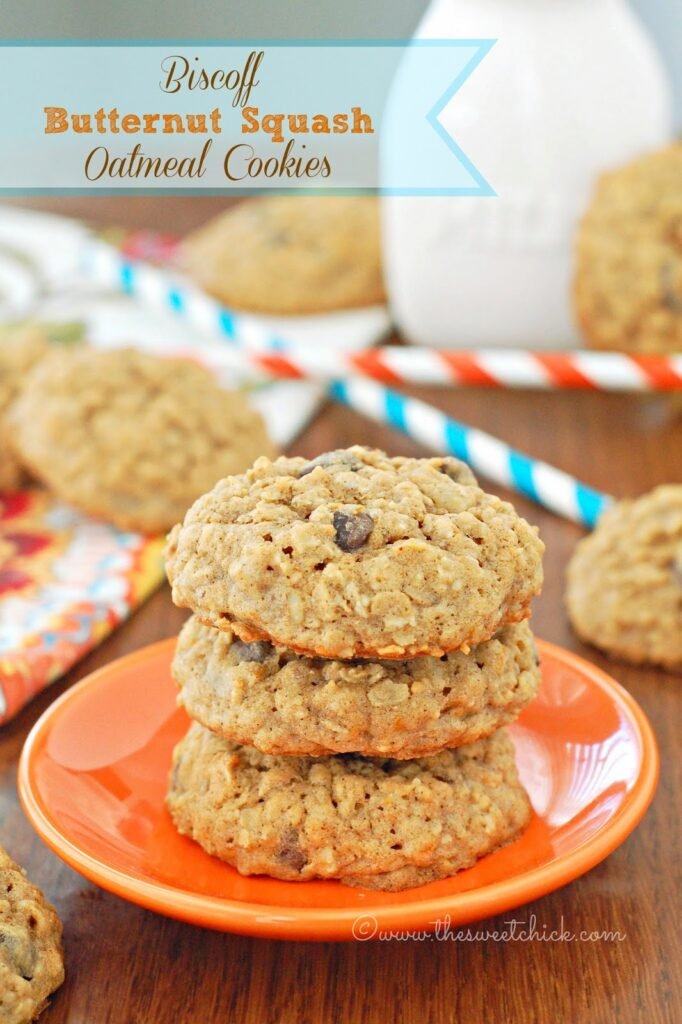
Biscoff Butternut Squash Oatmeal Cookies

Medically reviewed by Christiana George Updated Date: December 14, 2022
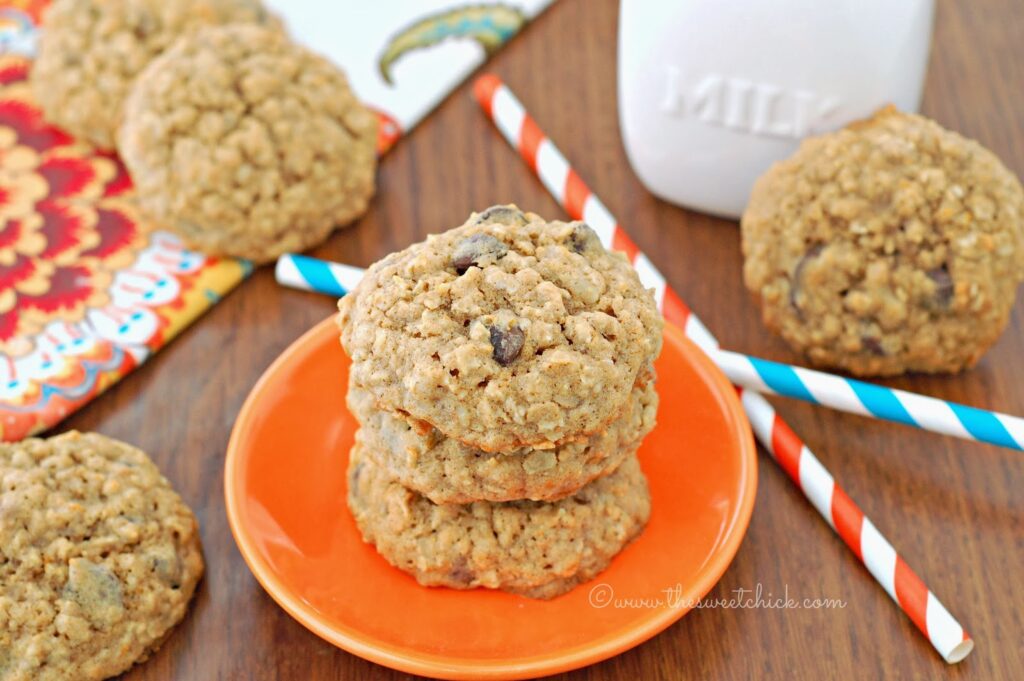
So I signed up for a neighborhood cookie exchange.  I gotta say, I am really liking this new neighborhood.  There’s a monthly get together of mom’s where I learned how to play Bunco.  At Halloween everyone was sending out Boo-Baskets.  Now we are exchanging cookies.  It’s a very friendly atmosphere.  I am currently testing out new cookie recipes for the exchange.  Since I have been on a butternut squash trend, I thought I’d start there.  I wanted to see what other flavorsI could mix with the squash.  I found some Biscoff, dark chocolate chips, and some quick oats in the pantry.  I am always up for something new.
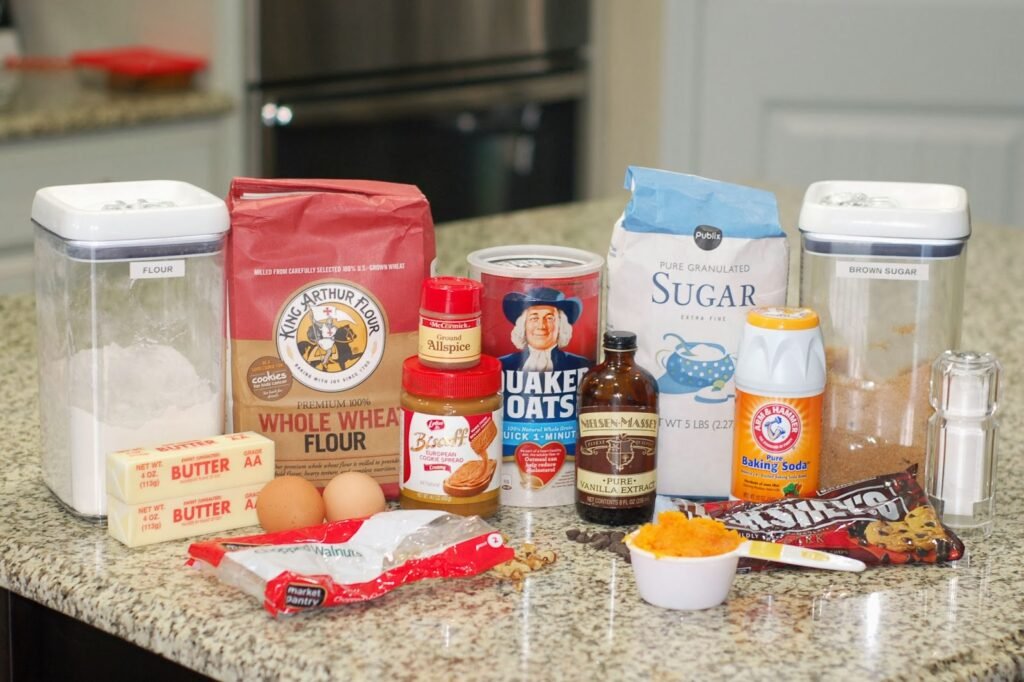
I’ll admit, I was a little skeptical about the combination of flavors myself.  I was really just winging it.  But hey, I am not going to know if it works, unless I try it.
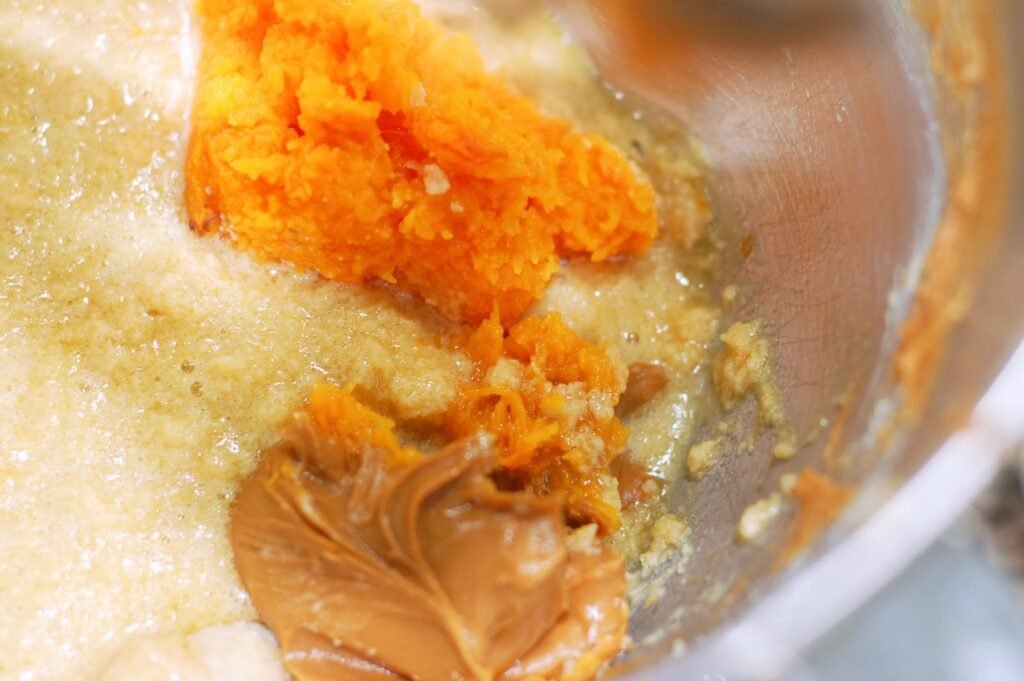
Butternut squash does have a little bit of sweetness in it when cooked, so I wanted to pair it with something else sweet, but something other than maple syrup.  Thank goodness I had some Biscoff.


The walnuts are optional, but the chocolate chips are not.  You gotta have them.  You can use semi-sweet ones if you like, but I am a dark chocolate kinda gal.

I know it’s not safe to eat raw cookie dough, but I just had to have a nibble.  It smelled so good.

The cookies came out soft and chewy, just like an oatmeal cookie should.  And let me tell ya, Biscoff and butternut squash are fantabulous together.

If you don’t believe me, ask this guy.  He is my picky eater.  He doesn’t eat vegetables and if he doesn’t like the texture of a particular food, he gags on it.  Much to the dismay of the rest of us eating next to him.  He did not however have any problems shoving a whole cookie in his mouth and asking for another one.  If that is not a measure of success, I don’t know what its.

I think my neighbors will be pleased with these Biscoff Butternut Squash Cookies also.  I can’t wait for our cookie exchange.

Biscoff Butternut Squash Cookies

by The Sweet Chick


Prep Time: 15 minutes

Cook Time: 10-12 minutes

Keywords: bake dessert snack butternut squash biscoff dark chocolate chips quick oats cookie American fall

Ingredients (36 cookies)

  • 1/2 cup + 2 tablespoons butter, softened
  • 3/4 cups brown sugar
  • 1/2 cup granulated sugar
  • 2 eggs, beaten
  • 1 teaspoon vanilla
  • 1/2 cup butternut squash puree
  • 1/3 cup Biscoff Spread
  • 1 cup whole wheat flour
  • 1/2 cup all purpose flour
  • 1 teaspoon baking soda
  • 2 teaspoons ground allspice
  • 1/2 teaspoon salt
  • 3 cups quick oats
  • 1 cup dark chocolate chips
  • 1/2 cup chopped walnuts

Instructions

Preheat oven to 350º F.

In a stand mixer cream together the butter and the sugars on medium speed.

Add eggs, vanilla, butternut squash and Biscoff and mix well.


In a medium bowl combine the flours, baking soda, allspice and salt until well blended, then slowly add to the wet ingredients.

Next add the quick oats and mix on low until all incorporated.

Then add the walnuts and chocolate chips and continue to mix on low until completely incorporated.

With a medium cookie scoop, drop by scoopful onto a greased cookie sheet at least 2 inches apart.

Bake at 350º for 10-12 minutes or until the tops are a golden brown.

Remove from oven and let cool for 2 minutes, then move to a cooling rack to completely cool.

Bet you can’t eat just one!


Subscribe for New Racipies

Get mental health tips, updates, and resources delivered to your inbox.

Is Green Pepper Acidic? Green Pepper and Acid Reflux

Aneeza Pervez
Is Green Pepper Acidic

Introduction to Green Peppers and Digestive Health

Green peppers, also known as bell peppers, are a common ingredient in many cuisines worldwide. Known for their crisp texture and mildly sweet flavor, they’re a versatile addition to salads, stir-fries, and stuffed pepper recipes. But if you’re managing acid reflux or concerned about acidity in foods, you might wonder: are green peppers acidic, and do they affect acid reflux?

Let’s explore the acidity of green peppers, their impact on digestion, and how they can fit into a reflux-friendly diet.

Nutritional Profile of Green Peppers

Green peppers are not only delicious but also highly nutritious. Here’s a quick overview of their benefits per 1 cup (about 150 grams):


  • Calories: 30
  • Fiber: 3 grams, supporting digestion and gut health.
  • Vitamin C: Over 100% of the daily recommended intake, boosting immunity and reducing inflammation.
  • Vitamin A and Beta-Carotene: Beneficial for eye and skin health.
  • Antioxidants: Combat oxidative stress and protect cells from damage.
  • Low Fat and Sugar: Making them a healthy snack for weight management and blood sugar control.

Their nutrient density makes them a valuable addition to most diets, but how do they fare when it comes to acidity?

Related to Read: Are Red Peppers Acidic? 

Understanding the Acidity of Green Peppers

Are Green Peppers Acidic or Alkaline?

Green peppers are classified as slightly acidic, with a pH level ranging between 5.2 and 5.9. While this places them in the acidic category, they are much less acidic than citrus fruits, tomatoes, or vinegar. Their mild acidity makes them more tolerable for individuals with sensitive stomachs.

Factors That May Influence Acidity

  1. Ripeness: Green peppers are unripe versions of red, yellow, or orange bell peppers. As they ripen, their acidity slightly decreases, making red peppers less acidic than green ones.
  2. Cooking Method: Roasting or sautéing green peppers can reduce their acidity, making them easier to digest for individuals prone to acid reflux.

Green Peppers and Acid Reflux

What Is Acid Reflux?

Acid reflux occurs when stomach acid flows backward into the esophagus, causing discomfort such as heartburn, a burning sensation in the chest, and regurgitation. It can be triggered by certain foods, lifestyle habits, or medical conditions like GERD (gastroesophageal reflux disease).

Do Green Peppers Trigger Acid Reflux?

Green peppers are generally considered mild and unlikely to trigger acid reflux in most people. However, their impact can vary depending on the individual:

  • Potential Irritants: For some, the fibrous skin of green peppers may irritate the stomach lining, especially if consumed raw.
  • Portion Size: Eating large amounts of green peppers in one sitting could exacerbate reflux symptoms due to increased stomach pressure.

Benefits for Acid Reflux Sufferers

  • Low Fat Content: Green peppers are naturally low in fat, which makes them less likely to cause reflux compared to high-fat foods.
  • Rich in Alkaline Nutrients: While slightly acidic, green peppers contain minerals like potassium and magnesium, which help neutralize stomach acid.

Author Tip: 7-Day Meal Plan For Gastritis

How to Safely Consume Green Peppers with Acid Reflux?

To enjoy green peppers without worsening acid reflux, consider the following tips:


Cooked vs. Raw

Cooked green peppers are often easier to digest and less likely to cause reflux symptoms compared to raw ones. Steaming, roasting, or sautéing can soften their fibrous structure.

Portion Control

Stick to moderate portions—about half a cup of green peppers per serving—to avoid overloading your stomach.

Pairing with Non-Acidic Foods

Combine green peppers with alkaline or neutral foods like whole grains, lean proteins, or other non-acidic vegetables to balance the meal’s overall acidity.

Avoid Spicy Seasonings

When preparing green peppers, avoid using highly acidic or spicy seasonings, such as vinegar, tomato-based sauces, or chili flakes, as these can trigger reflux.

Related to Read: Is Bell Pepper Juice Acidic?

Health Benefits of Green Peppers for Digestion

Green peppers offer several benefits for digestive health:

  • High Fiber Content: Promotes regular bowel movements and prevents constipation.
  • Antioxidants: Help reduce inflammation in the stomach lining.
  • Vitamin C: Supports the repair and maintenance of tissues in the digestive tract.

These benefits make green peppers a suitable addition to a GERD-friendly diet, provided they are consumed mindfully.

Delicious and GERD-Friendly Green Pepper Recipes

Stuffed Green Peppers

  • Ingredients: Quinoa, lean ground turkey, and chopped spinach.
  • Preparation: Hollow out the green peppers, stuff them with the mixture, and bake. Avoid tomato sauces to keep the dish reflux-friendly.

Green Pepper Stir-Fry

  • Ingredients: Sliced green peppers, broccoli, and tofu.
  • Preparation: Sauté the vegetables with a splash of olive oil and a sprinkle of herbs for a light, non-acidic dinner.

Green Pepper Soup

  • Ingredients: Roasted green peppers, carrots, and vegetable broth.
  • Preparation: Blend the ingredients for a smooth and soothing soup.

Author Tip: 7 Kinds of Foods to Avoid with GERD


Conclusion

Green peppers, with their mild acidity and high nutrient content, can be a healthy choice for individuals with acid reflux or GERD. While they may not suit everyone, especially when consumed raw or in large quantities, cooking and pairing them with reflux-friendly foods can minimize the risk of symptoms. By incorporating green peppers thoughtfully into your diet, you can enjoy their benefits without compromising your digestive health.

FAQs

Are green peppers acidic or alkaline?
Green peppers are slightly acidic, with a pH range of 5.2 to 5.9.

Can green peppers trigger acid reflux?
In some individuals, raw green peppers may cause mild irritation, but they are generally well-tolerated when cooked.

Are cooked green peppers better for acid reflux?
Yes, cooking green peppers reduces their fibrous structure, making them easier to digest and less likely to trigger reflux.

How much green pepper is safe for someone with GERD?
Stick to moderate portions, around half a cup per serving, to avoid triggering reflux symptoms.

Can green peppers be included in a low-acid diet?
Yes, when cooked and paired with non-acidic foods, green peppers can be part of a low-acid diet.


Subscribe for New Racipies

Get mental health tips, updates, and resources delivered to your inbox.