
Vegas Day Three – Part One

Medically reviewed by Christiana George Updated Date: January 6, 2026

Oh yeah, it was back to the Paris for breakfast at Mon Ami Gabi. I already knew what I was going to be ordering. I spotted it on the menu the previous day. The walk over wasn’t so bad that day. The sky was mostly cloudy, so the sun wasn’t beating down on us like the day before. It almost looked like it was going to rain.


When we arrived, I ordered up some waffles with fresh strawberries and fresh whipped cream. It was crispy on the outside and soft and fluffy on the inside. The strawberries and cream were just right.

And what Parisian breakfast would be complete without a pain au chocolat. Mmmmm!!!! Just like the ones I remember in Paris. A nice flaky pastry filled with yummy chocolate.
After breakfast we took a walk over to the Bellagio again to play some slots and hang out for a while. When it started getting close to lunch time we headed back towards the hotel and stopped at the Crystals Mall to eat at Wolfgang Puck’s Pizzeria & Cucina.
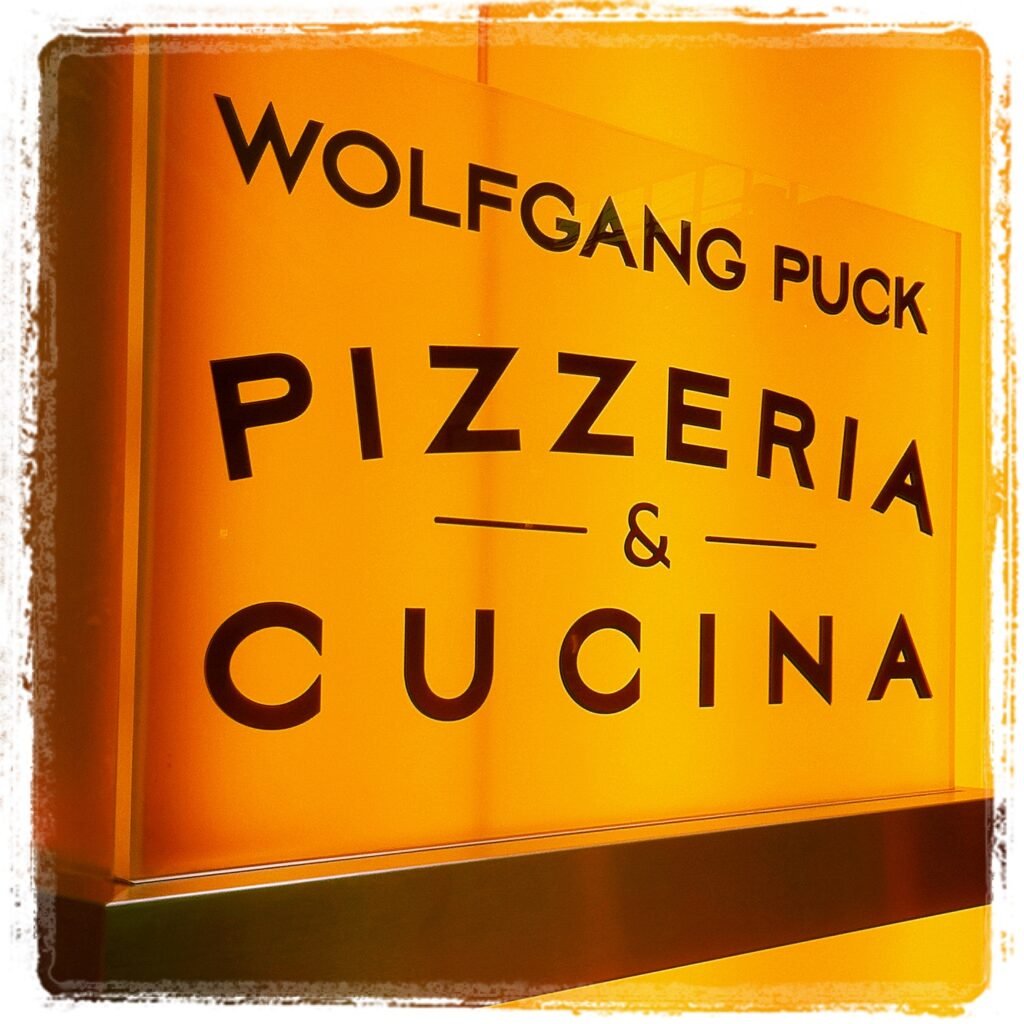
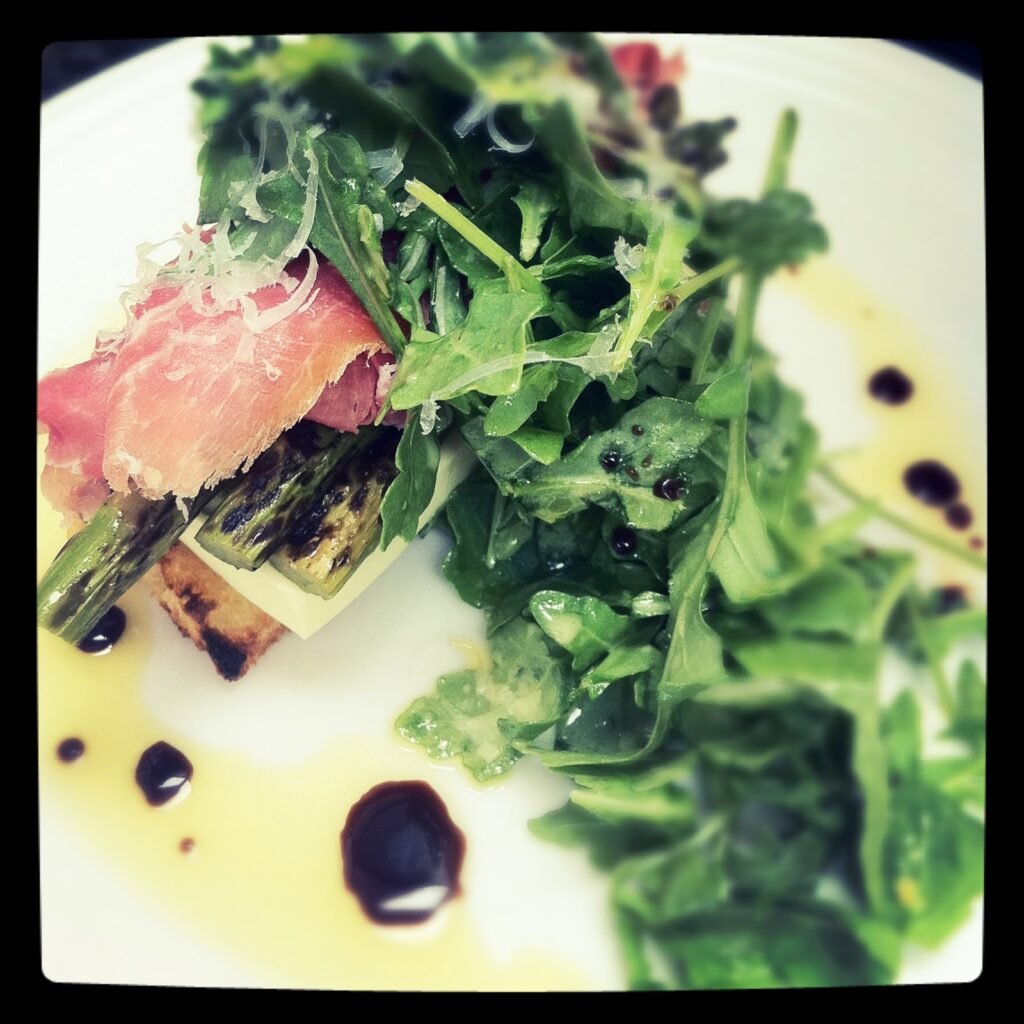
My husband ordered a Margherita pizza and I ordered an Apsaragus Salad with parmesan panna cotta and prosciutto.

The pizza was not anything to write home about. It tasted much like any other pizza back home. My salad however, was divine. Ooh the blend of tastes was uber good. And it looked so pretty.
We didn’t stick around for dessert because I wanted to head over to Jean-Philippe’s and try one of the pastries this time. More about that later…
Related Posts



Subscribe for New Racipies
Get mental health tips, updates, and resources delivered to your inbox.
Does Poppi Have Caffeine? Flavor List, Sugar Content, and Health Review


Are you swapping your daily soda for a healthier alternative? Many of my patients ask me, does poppi have caffeine in it? It is a great question. We all want to make better beverage choices without accidental jitters. People see the bright cans and assume it works like an energy drink.
Furthermore, folks frequently wonder which poppi drinks have caffeine. As a board-certified physician, I spend a lot of time analyzing food labels. I recently sat down with a patient who was struggling with severe sleep issues.
We discovered hidden stimulants in her daily drinks. Therefore, understanding what you consume is vital for your health. Let us explore the ingredients, sugar content, and flavor profiles of this popular prebiotic soda.
TL;DR: Quick Overview
- All standard flavors of this brand are entirely free of stimulants.
- You will not find any hidden tea or coffee extracts inside.
- The drinks contain very low sugar, usually around two to five grams.
- They use natural sweeteners instead of artificial chemicals like aspartame.
- These beverages aim to support digestion using apple cider vinegar.
The Core Question Answered
First of all, you might wonder about the basic formulation. This brand proudly markets itself as a functional prebiotic soda. It aims to replace traditional, highly processed soft drinks. Consequently, the creators designed it specifically without any harsh stimulants.
You will not experience sudden energy crashes after drinking a can. Many popular energy beverages rely heavily on guarana or green tea extracts. However, this specific brand avoids those ingredients completely.
In my medical practice, I frequently treat patients with severe stimulant sensitivities. These individuals often experience rapid heart rates from traditional sodas. Therefore, I often recommend this brand as a much safer, calming alternative.
Which Drinks Contain Stimulants?
You probably want to know about the entire product lineup. People frequently ask me which poppies have caffeine inside them. The answer is incredibly simple and straightforward. Every single standard flavor in their current lineup is totally stimulant-free.
The company focuses strictly on digestive health and refreshing taste. They do not manufacture energy-boosting product lines. As a result, you can safely drink any flavor late at night.
You will not disrupt your precious sleep cycle or natural circadian rhythm. This makes the beverage an excellent choice for evening meals. You get the fun carbonation without the midnight restlessness.
Examining Specific Fruit Varieties
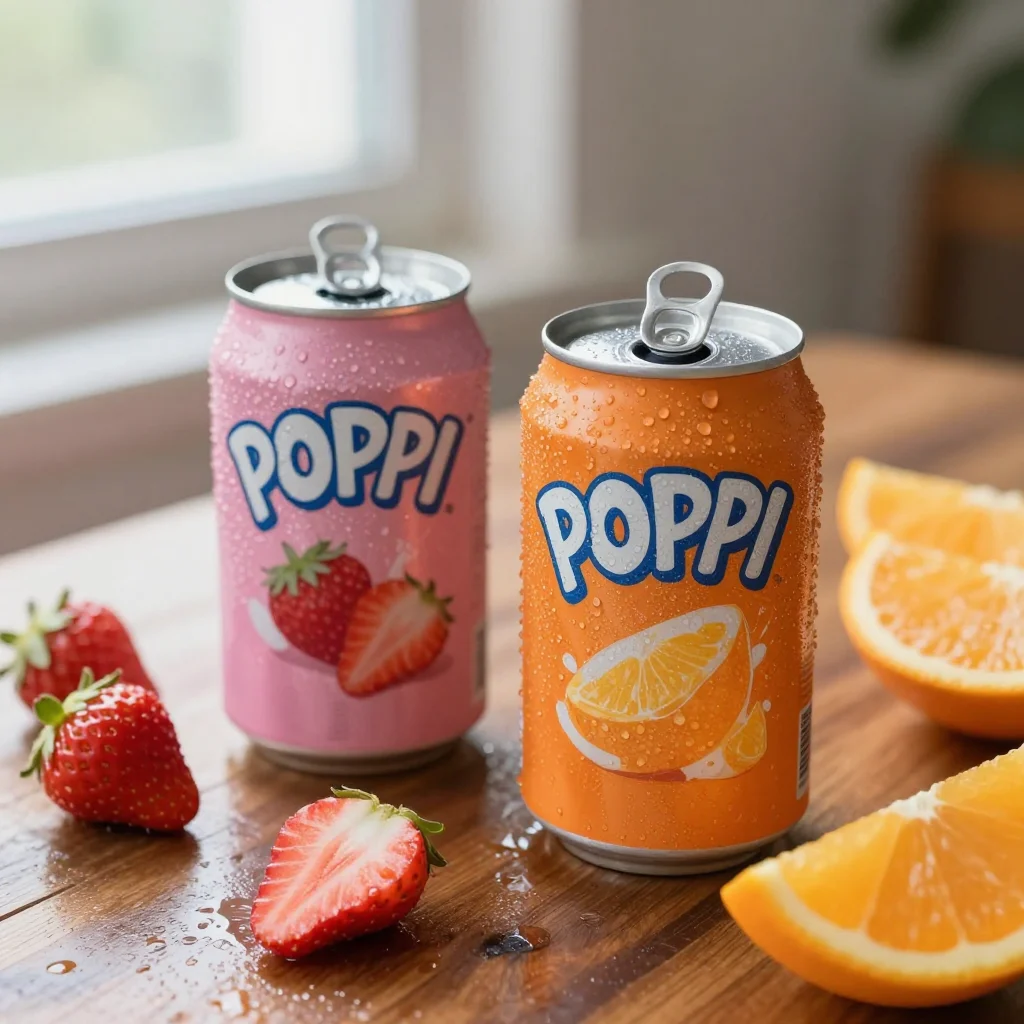
Let us look closer at some specific fan favorites. Many people love the bright, summery taste of the pink cans. Does Strawberry Lemon poppi have Caffeine? The answer is an absolute no.
It provides a wonderfully tart and sweet experience. You get the refreshing citrus kick entirely from natural fruit juices. Similarly, people often question the citrus blends.
Does poppi orange have caffeine in its recipe? Again, it contains absolutely zero milligrams. People often associate orange drinks with morning energy boosts. However, this specific beverage merely offers crisp, clean hydration.
Understanding the Classic Flavors
You might worry about the darker, traditional soda flavors. Historically, classic cola always contains high levels of stimulants. Naturally, consumers assume the prebiotic version does exactly the same.
However, the Classic Cola variety remains entirely stimulant-free. It uses natural flavorings to mimic that nostalgic, spicy taste. You get the familiar cola experience without the nervous jitters.
Likewise, the root beer and lemon lime options follow this exact rule. They serve as perfect substitutes for traditional, heavy soft drinks. This broad selection creates a fantastic list of caffeine-free Poppi flavors.
Analyzing the Sugar Content
Next, we must thoroughly discuss the actual carbohydrate load. Many patients directly ask me, “Does Poppi have sugar?” Yes, it does contain a very small, manageable amount.
Each standard can holds roughly two to five grams of total sugar. This comes directly from natural fruit juice and pure cane sugar. In contrast, a traditional soda often packs nearly forty grams.
That massive difference profoundly impacts your daily blood glucose levels. High sugar intake actively drives chronic inflammation and weight gain. Therefore, choosing a low-sugar alternative significantly improves your overall metabolic health.
Artificial Sweeteners and Additives
We must also examine the other sweetening agents used. Folks frequently ask, “Does Poppi have aspartame?” The answer is no, it avoids artificial sweeteners entirely.
Aspartame often causes severe digestive upset for many sensitive individuals. Furthermore, some medical studies link artificial sweeteners to negative microbiome changes. This brand uses stevia leaf extract to provide extra sweetness safely.
Stevia is a natural, plant-based compound that does not spike insulin. As a result, it perfectly fits into a balanced, health-conscious diet. It provides great taste while actively protecting your delicate gut lining.
Alcohol and Other Hidden Ingredients
Sometimes, natural fermentation processes confuse everyday consumers. People notice the apple cider vinegar and ask, “Does Poppi have alcohol?” You can rest easy knowing it contains absolutely zero alcohol.
It is a completely non-alcoholic, family-friendly beverage. The vinegar provides health benefits without any intoxicating effects. Therefore, pregnant people and young children can safely enjoy it.
I always appreciate transparent ingredient lists in my clinical work. Clean labels help patients make confident, informed dietary choices. This product clearly lists its simple, recognizable components on the back.
Exploring the Unique Taste Profile
You might naturally wonder what Poppi tastes like exactly. First of all, it does not taste exactly like a heavy syrup soda. It features a much lighter, crisper carbonation style.
You will immediately notice a very mild, pleasant tanginess. This specific tartness comes directly from the apple cider vinegar. However, the bright fruit flavors easily mask any strong vinegar notes.
It drinks much more like a sparkling fruit juice. Most of my patients find it incredibly refreshing on a hot day. It effectively satisfies that stubborn craving for bubbly, sweet drinks.
Comparing Brands in the Market
The functional beverage aisle is currently growing very rapidly. Shoppers frequently compare Olipop vs. Poppi at the grocery store. Both brands offer excellent, healthy alternatives to traditional soda.
However, they feature slightly different nutritional profiles and ingredients. Olipop generally contains significantly more dietary prebiotic fiber per can. It uses a complex blend of various botanical roots and extracts.
In contrast, Poppi relies primarily on apple cider vinegar for its benefits. Poppi also tends to taste slightly lighter and more fruit-forward. Ultimately, your personal choice depends entirely on your specific taste preferences.
Navigating Public Misconceptions
Public forums often show massive confusion about modern functional drinks. For example, does poppi have caffeine? Reddit threads pop up constantly. Users frequently debate the ingredients because the packaging looks so energetic.
This confusion stems from a very old, ingrained habit. People always ask, does pop have caffeine generally? Historically, most dark colas and mountain sodas absolutely do.
Therefore, consumers naturally project that same assumptions onto newer, healthier brands. It takes active education to break these old dietary misconceptions. Always read the label rather than guessing based on the can design.
Medical View on Prebiotic Benefits
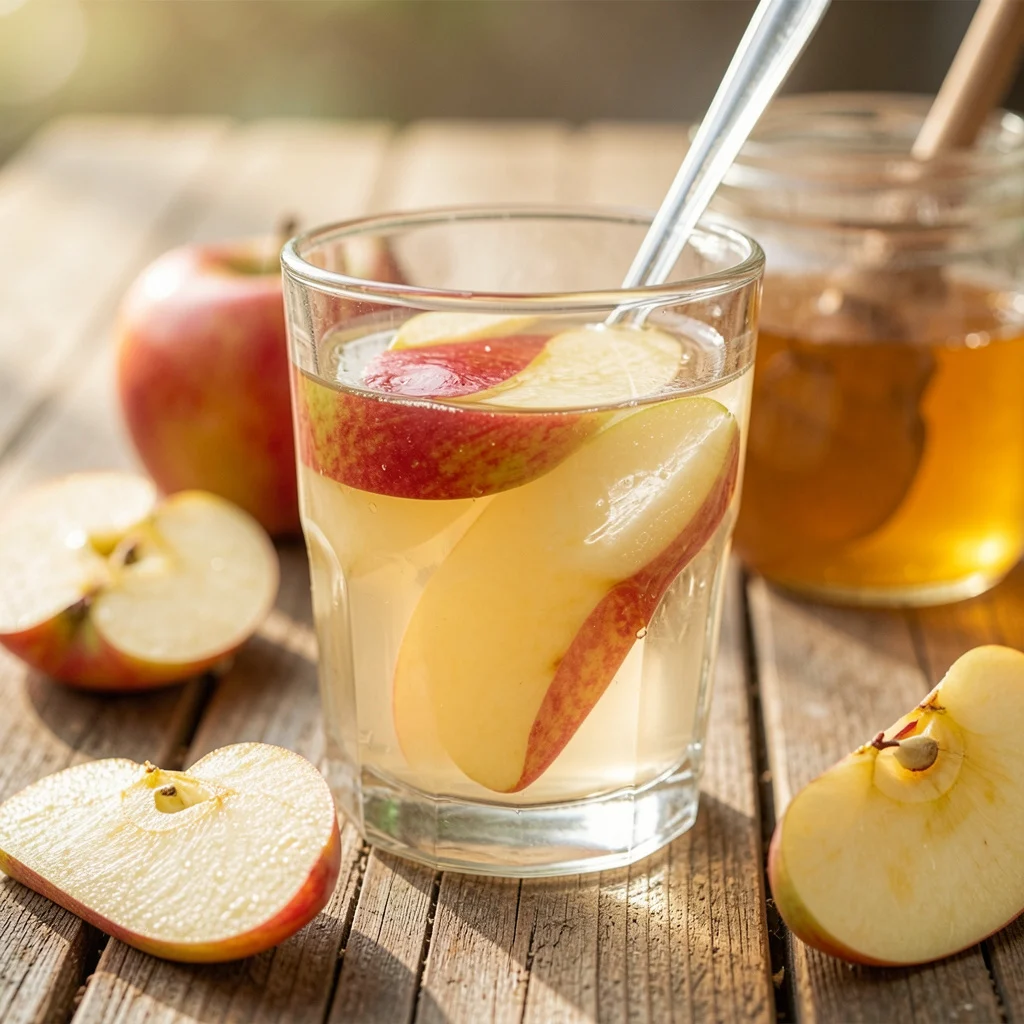
Let us delve into the actual clinical science behind the drink. The main functional ingredient is raw apple cider vinegar. Many wellness enthusiasts praise vinegar for its various purported health benefits.
Some emerging research suggests it might help stabilize post-meal blood sugar. Furthermore, it contains a small amount of naturally occurring pectin. Pectin acts as a mild prebiotic fiber in your lower intestines.
Prebiotics physically feed the good, healthy bacteria living in your gut. A thriving microbiome actively supports better immunity and smoother digestion. While not a medical cure, it certainly supports general dietary wellness.
Potential Risks and Limitations
We must also discuss the practical, realistic limitations of this product. It is not a magical health elixir or a daily supplement. You cannot replace whole fruits and vegetables with a canned beverage.
Also, the total fiber content remains relatively low overall. You still need complex carbohydrates from your daily solid food intake. Furthermore, the acidic nature of the drink requires some basic caution.
Frequent exposure to acidic liquids can slowly erode your dental enamel. I highly recommend drinking some plain water after finishing your sweet beverage. This simple habit actively protects your teeth from long-term decay.
Safe Consumption Guidelines
How many cans can you safely drink in one single day? I generally advise my patients to practice simple, reasonable moderation. One can per day serves as a fantastic, enjoyable treat.
It perfectly replaces that harmful afternoon craving for heavy traditional soda. However, relying on it for your primary hydration is a mistake. Your body absolutely needs pure, plain water to function optimally.
Treat these functional drinks as a bridge to a better diet. They help you step away from massive sugar loads comfortably. Consequently, you slowly train your palate to prefer less intense sweetness.
Why Stimulant-Free Matters
Choosing stimulant-free beverages carries significant, proven medical benefits. Chronic caffeine consumption often leads to elevated baseline cortisol levels. High cortisol actively keeps your body in a stressful fight-or-flight state.
This chronic stress severely damages your cardiovascular system over time. By choosing a calm beverage, you actively protect your heart health. You also greatly improve your chances of achieving deep, restorative sleep.
Deep sleep physically repairs your cellular tissues and boosts memory consolidation. Therefore, your drink choices directly impact your entire physical and mental foundation. Smart swaps yield massive, long-term dividends.
Frequently Asked Questions
Does this brand contain any hidden stimulants?
No, it is completely free of all natural and artificial stimulants. You will not find any tea, coffee, or guarana extracts inside the can.
Do they use artificial chemicals to make it sweet?
No, the company explicitly avoids artificial chemicals like aspartame or sucralose. They sweeten the drink naturally using pure cane sugar, fruit juice, and stevia.
Is this beverage actually better for you than regular soda?
Yes, it is significantly better due to the drastically lower sugar content. It also avoids harmful artificial dyes and provides a small digestive boost.
Will drinking this product upset my sensitive stomach?
Most people tolerate it perfectly well without any significant digestive issues. However, if you have severe acid reflux, the vinegar might cause slight irritation.
Can pregnant people safely consume these functional sodas?
Yes, it is generally considered very safe for pregnant individuals. It contains zero alcohol, zero stimulants, and only pasteurized, safe natural ingredients.
Conclusion
In summary, making healthier choices requires proper, accurate nutritional information. We thoroughly answered the big question: Does Poppi have caffeine? You now know that the entire product line is completely stimulant-free.
This makes it a truly fantastic option for anyone seeking better hydration. You can confidently enjoy flavors like strawberry lemon without fearing sleepless nights. We also explored how it successfully avoids massive sugar loads and aspartame.
As a physician, I always champion small, sustainable changes in daily habits. Swapping a traditional, sugary soda for a prebiotic alternative is a brilliant move. It actively supports your gut microbiome while satisfying your sweet tooth.
Remember to balance these fun beverages with plenty of fresh, plain water. Always listen closely to how your unique body responds to new ingredients. By understanding what you drink, you take direct control of your lasting health.
Evidence-Based References:
- National Center for Biotechnology Information (NCBI) StatPearls—Caffeine
- U.S. Food and Drug Administration (FDA) — Spilling the Beans: How Much Caffeine is Too Much?
- Mayo Clinic — Caffeine: How much is too much?
- PubMed — Beverage caffeine intakes in the U.S.
- PubMed — Caffeine content of brewed teas
Related Posts


Subscribe for New Racipies
Get mental health tips, updates, and resources delivered to your inbox.