
Are Pumpkin Seeds Safe for Acid Reflux?

Medically reviewed by Aneeza Pervez Updated Date: January 6, 2026
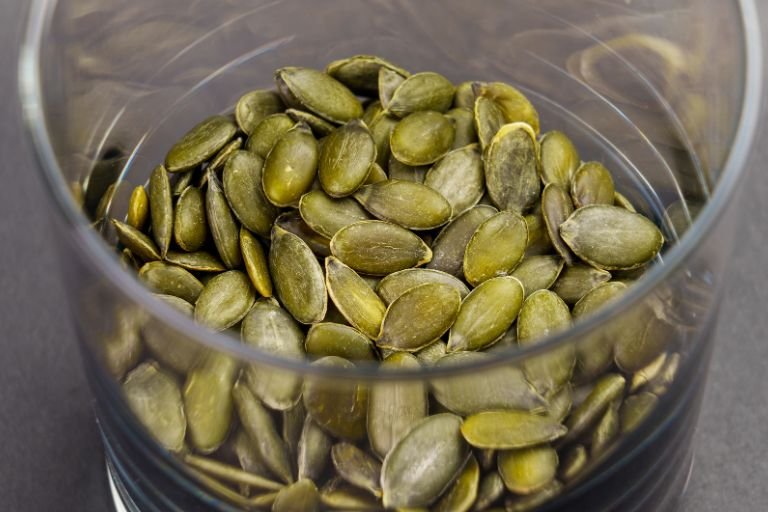
Acid reflux is a common digestive condition that affects millions worldwide. Understanding how specific foods influence acid reflux is critical for managing symptoms and improving quality of life.
Among the many foods often debated, pumpkin seeds have gained popularity for their nutritional benefits. But are they safe for acid reflux sufferers? This article dives deep into the science behind pumpkin seeds and their effects on acid reflux.
What Is Acid Reflux?
Acid reflux occurs when stomach acid flows back into the esophagus, causing discomfort and a burning sensation, commonly referred to as heartburn.
This condition is a result of the weakening or dysfunction of the lower esophageal sphincter (LES), a muscle that acts as a valve between the stomach and esophagus. When the LES doesn’t close properly, stomach contents escape, leading to acid reflux.
Common Symptoms
The symptoms of acid reflux vary, but often include:
- A burning sensation in the chest (heartburn).
- Regurgitation of food or sour liquid.
- Difficulty swallowing.
- Chronic cough or throat irritation.
- A feeling of a lump in the throat.
While occasional acid reflux is normal, frequent symptoms may indicate gastroesophageal reflux disease (GERD), which requires medical attention.
Causes and Triggers
Several factors can contribute to acid reflux, including:
- Overeating or consuming large meals.
- High-fat or spicy foods.
- Caffeinated or carbonated beverages.
- Obesity or pregnancy, which increases abdominal pressure.
- Smoking and alcohol consumption.
- Certain medications, like NSAIDs.
Dietary choices play a significant role in managing acid reflux, making it crucial to evaluate specific foods like pumpkin seeds.
Nutritional Profile of Pumpkin Seeds
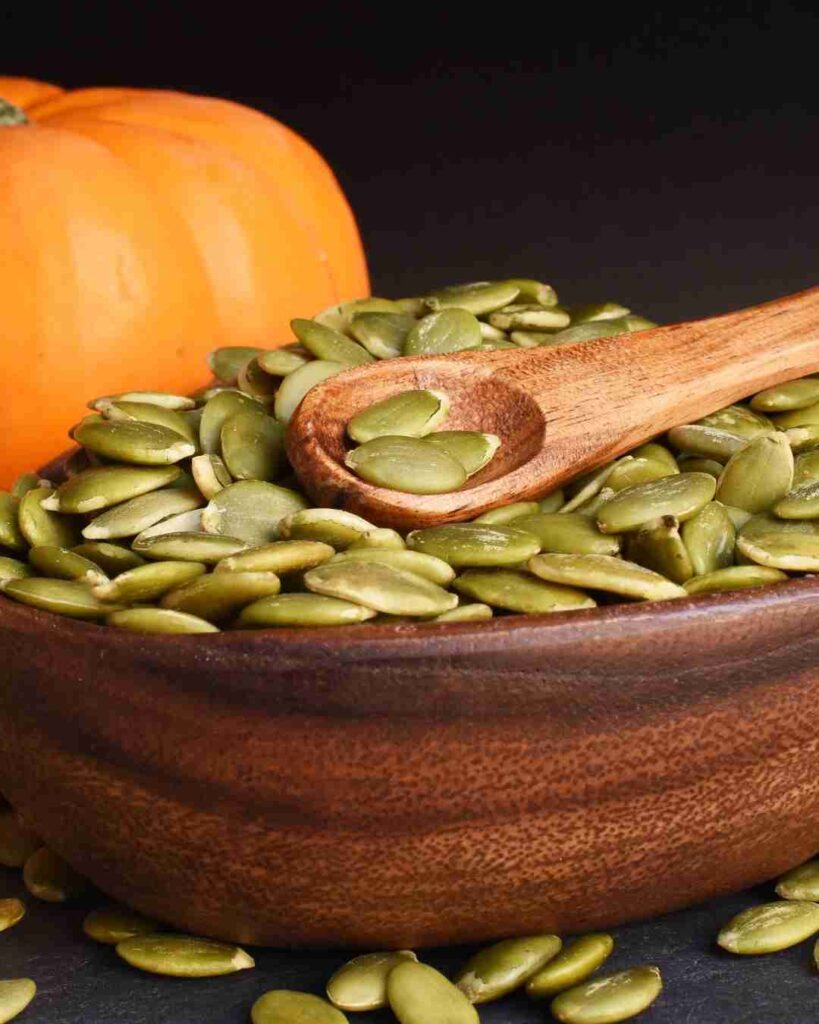
Key Nutrients in Pumpkin Seeds
Pumpkin seeds, also known as pepitas, are nutrient-dense and packed with essential vitamins and minerals. They contain:
- Healthy Fats: Primarily unsaturated fats, including omega-3 and omega-6 fatty acids.
- Protein: A good source of plant-based protein.
- Minerals: High levels of magnesium, zinc, potassium, and iron.
- Vitamins: Vitamin E, B vitamins, and antioxidants.
- Fiber: Supports digestive health.
Benefits of Pumpkin Seeds for Overall Health
Pumpkin seeds are celebrated for their numerous health benefits:
- Heart Health: Rich in healthy fats and magnesium, they promote cardiovascular health.
- Immune Support: High zinc content strengthens immunity.
- Bone Health: Magnesium and phosphorus contribute to strong bones.
- Antioxidant Properties: Reduce inflammation and combat oxidative stress.
- Improved Sleep: Contains tryptophan, which helps regulate sleep patterns.
Given their impressive nutritional profile, pumpkin seeds are often labeled as a superfood. However, their safety for acid reflux sufferers requires a closer look.
How Pumpkin Seeds May Affect Acid Reflux?
High Fat Content and Its Implications
Pumpkin seeds are rich in fats, with approximately 13 grams of fat per ounce. While these are primarily healthy fats, high-fat foods can relax the LES, making acid reflux worse for some individuals. This relaxation allows stomach acid to flow back into the esophagus, triggering symptoms like heartburn.
Potential Alkalizing Effect
Interestingly, pumpkin seeds have a mildly alkalizing effect on the body. Alkaline foods can help neutralize stomach acid and reduce reflux symptoms. However, this effect varies based on the individual’s overall diet and how the seeds are consumed.
Fiber Content and Digestion
Pumpkin seeds are a good source of dietary fiber, which supports healthy digestion and prevents constipation—a potential trigger for acid reflux. However, excessive fiber intake can sometimes lead to bloating or gas, which may exacerbate reflux in sensitive individuals.
Author Tip: Is Pumpkin Soup Acidic?
Are Pumpkin Seeds Safe for Acid Reflux Sufferers?
When Pumpkin Seeds Might Aggravate Symptoms?
Pumpkin seeds may worsen acid reflux symptoms in the following scenarios:
- Overconsumption: Eating large quantities can increase fat intake and put pressure on the LES.
- Roasted or Salted Seeds: Added oils and high sodium levels may irritate the stomach lining.
- Timing of Consumption: Eating seeds late at night or before lying down can trigger reflux.
Situations Where Pumpkin Seeds May Be Beneficial
Despite potential risks, pumpkin seeds can be beneficial for acid reflux sufferers when consumed:
- In small portions.
- Raw or lightly roasted without added oils or spices.
- Alongside alkaline or low-fat foods to balance acidity.
Related to Read: Is Pumpkin Puree Acidic?
Tips for Consuming Pumpkin Seeds Safely
Portion Control
Moderation is key. Limit consumption to a small handful (about 1 ounce) to avoid overloading the digestive system with fats or fiber.
Preparation Methods to Reduce Triggers
Opt for raw, unsalted pumpkin seeds or lightly roast them at home without added oils. Avoid pre-packaged seeds that are heavily seasoned or fried.
Pairing Pumpkin Seeds with Acid-Neutralizing Foods
Combine pumpkin seeds with foods like oatmeal, bananas, or yogurt, which have a soothing effect on the stomach. This pairing can help mitigate potential triggers.
Alternative Snacks for People with Acid Reflux
Low-Fat Options
Snacks like rice cakes, applesauce, or plain crackers are gentle on the stomach and unlikely to trigger reflux.
Alkaline-Rich Foods
Foods like cucumbers, melons, and leafy greens can help neutralize stomach acid, providing relief from reflux symptoms.
Lifestyle Changes to Manage Acid Reflux
Eating Habits
Adopt habits like eating smaller, more frequent meals, chewing food thoroughly, and avoiding meals close to bedtime.
Avoiding Common Triggers
Steer clear of known irritants such as caffeine, spicy foods, and carbonated beverages. Monitor your diet to identify personal triggers.
Importance of Maintaining a Healthy Weight
Excess weight can increase abdominal pressure, exacerbating acid reflux. A balanced diet and regular exercise can help maintain a healthy weight.
Expert Opinions and Research on Pumpkin Seeds and Acid Reflux
Studies on Seeds and Digestive Health
Research on seeds and their impact on digestion highlights the benefits of fiber and healthy fats for gut health. However, evidence specific to pumpkin seeds and acid reflux is limited, requiring more studies for conclusive recommendations.
Recommendations from Nutritionists
Many nutritionists suggest moderation when consuming seeds, including pumpkin seeds, for individuals with acid reflux. Pairing them with other reflux-friendly foods is often advised.
Recipes: Pumpkin Recipes
Pumpkin Spice Crepes with a Cinnamon Mascarpone Filling
Pumpkin Soynut Butter Chocolate Chip Cookies
Pumpkin Dulce de Leche Chocolate Chip Cookies
Conclusion
So, are pumpkin seeds safe for acid reflux sufferers? The answer depends on how they’re consumed and individual tolerance. While their high-fat content may trigger symptoms in some, their alkalizing and fiber properties can benefit others.
Moderation, preparation methods, and mindful eating are essential for safely incorporating pumpkin seeds into a reflux-friendly diet.
Managing acid reflux also involves adopting a healthy lifestyle, avoiding common triggers, and consulting with healthcare professionals for personalized advice.
FAQs
Are roasted pumpkin seeds better or worse for acid reflux?
Roasted pumpkin seeds, especially those with added oils or seasonings, may worsen acid reflux symptoms. Opt for raw or lightly roasted seeds without additives.
Can eating too many pumpkin seeds worsen acid reflux?
Yes, overconsumption can increase fat intake, which may relax the LES and trigger symptoms.
Do pumpkin seeds help with digestion?
Pumpkin seeds are rich in fiber, which supports digestion. However, excessive fiber may cause bloating, potentially aggravating reflux.
Are there any specific seeds better suited for acid reflux?
Chia and flaxseeds are low in fat and high in omega-3s, making them a better option for acid reflux sufferers.
Should I avoid all seeds if I have acid reflux?
Not necessarily. Start with small portions and monitor your body’s response. Choose seeds with low fat and minimal preparation.
Related Posts



Subscribe for New Racipies
Get mental health tips, updates, and resources delivered to your inbox.
Are Nature Valley Bars Healthy? Expert Analysis & Nutritional Insights

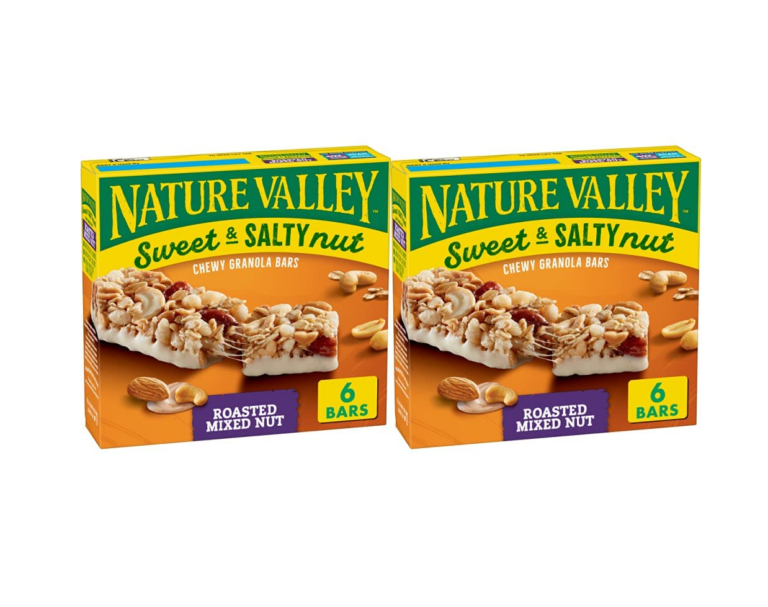
What’s better than a delicious, whole grain-packed snack that you can easily eat on the go?
In the case of Nature Valley bars, it’s easy to think that you’re eating healthy and fueling your body with fiber and vitamins. Why not? These bars have always been advertised as healthy snacks, with their simple ingredient lists and light nutritional values on the side of the box. But are nature valley bars healthy?
Nature Valley bars contain more calories than most candy bars, but they also contain ingredients that aren’t even food! They are often high in sugar and may contain unhealthy ingredients like palm oil. Plus, the bars are often processed and lack the nutritional benefits of whole foods.
Find out why Nature Valley bars may not be as healthy as you think in this article.
Are Nature Valley Bars Healthy?
It’s easy to believe that an item marketed as healthy must be good for you, but that isn’t always the case. Nature Valley bars are among the most popular snack bars on the market, but they may not be as healthy as you think.
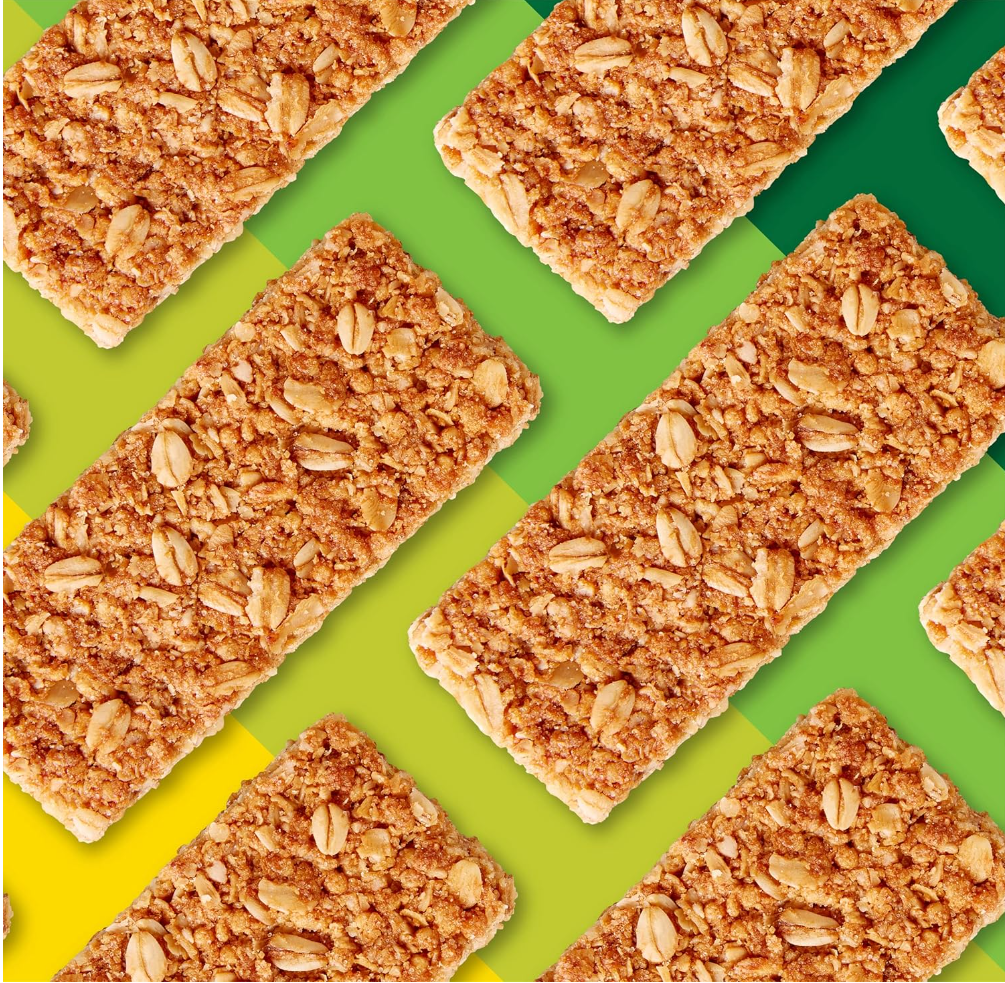
Although they are advertised as being 100% natural and delicious, there are actually numerous ingredients that would seem strange in any other food product. Let’s look at the reasons to avoid these bars.
| Nature Valley Bar | Calories | Fat | Saturated Fat | Sodium | Carbohydrates | Dietary Fiber | Sugars | Protein |
| Oats ‘n Honey Crunchy Granola Bar (2 bars) | 190 | 7g | 2.2g | 140mg | 29g | 3g | 6g | 2g |
| Peanut Butter Crunchy Granola Bar (2 bars) | 190 | 8g | 2g | 140mg | 28g | 3g | 5g | 3g |
| Sweet & Salty Nut Trail Mix Fruit & Nut Bar (2 bars) | 150 | 5g | 1g | 110mg | 25g | 3g | 6g | 2g |
| Almond Butter Crunchy Granola Bar (2 bars) | 180 | 7g | 2g | 140mg | 27g | 2g | 5g | 3g |
| Apple Cinnamon Crunchy Granola Bar (2 bars) | 170 | 7g | 2g | 140mg | 26g | 3g | 6g | 2g |
| Honey Almond Dark Chocolate Trail Mix Fruit & Nut Bar (2 bars) | 160 | 6g | 1g | 110mg | 26g | 3g | 6g | 2g |
High in sugar
While Nature Valley granola bars contain some healthy ingredients like whole grain oats and nuts, they also have a lot of sugar and processed ingredients. Sugar is often found in the form of brown rice syrup, honey, cane juice, corn syrup, chocolate, and fruit puree concentrate.
One bar contains nearly 6-12 grams of sugar, depending on the flavor of the bar. Their Fruit & Nut flavor bar range has comparatively less sugar (6-8 grams) than the Crunchy granola flavored bar range (10-12 grams).
Made From Processed Oil
While the ingredients in Nature Valley bars may be natural, the bars are made with processed oil. It means that the bars are high in unhealthy fats and calories. One of the main ingredients in Nature Valley bars is palm oil.
This oil is highly processed and refined, which means that it can be high in unhealthy saturated fats. Furthermore, some studies have shown that oils like palm oil may lead to higher cholesterol levels in people who eat a lot of it.
No Substantial Amount Of Fiber
Furthermore, Nature Valley bars have no protein or fiber content, making it difficult to control hunger and stabilize blood sugar levels. Fiber is an essential part of a healthy diet and helps keep you feeling full after eating. It means you may not feel satisfied after eating one and could end up snacking more later on.
The highest fiber content is Nature Valley’s variety of XL protein bars, which is 7 grams.
High In Calories
Counting calories? Unfortunately, Nature Valley bars cannot be your best ‘snack’ friend.
Nature Valley bars are often marketed as a healthy snack option, but they can actually be quite high in calories. This is because they are often made with processed ingredients and added sugars.
The most popular flavor, the chewy peanut butter chocolate chip bar, has 210 calories per serving. If you eat two of these bars in one sitting, you’ve consumed 420 calories- the equivalent of a McDonald’s hamburger!
Related Article: Are Nutri Grain Bars Healthy? Expert Insights and Nutrition Analysis
Deconstructing the Ingredients
Nature Valley bars, marketed as a wholesome snack, often list a variety of ingredients on their packaging. Let’s break down these components to better understand what goes into these bars.
1. Common Ingredients and Their Purposes
- Whole Grain Oats: A key ingredient known for its complex carbohydrates and fiber content, providing sustained energy.
- Sugar: Frequently used as a sweetener, it enhances the taste but can contribute to high sugar content.
- Vegetable Oils (Canola or Palm Kernel): These oils add moisture and texture to the bars but may contain saturated fats.
- Rice Flour: Often used for texture and as a binding agent.
- Honey or Syrup: Natural sweeteners that also help bind the ingredients.
- Salt: Used for flavor enhancement and as a preservative.
- Baking Soda: A leavening agent that affects the texture of the bars.
- Natural Flavor: Typically derived from real foods but may be used in small amounts for added taste.
2. Additives, Preservatives, or Artificial Flavorings
Nature Valley bars typically do not contain artificial flavors, colors, or preservatives. However, the “natural flavor” listed in the ingredients may raise questions about the specific sources.
3. Role of Sweeteners
Sweeteners like sugar, honey, or syrup are essential for enhancing the taste of Nature Valley bars. However, they also contribute to the sugar content, which can be a concern for those monitoring their sugar intake. The impact on the nutritional profile varies depending on the specific bar variety.
Is There Anything Good About Nature Valley Bars?
You might be wondering if your favorite brand of bars actually has something good stored in for you or not. Well, yes, nature valley bars have some good stuff in them. But will overweight people have bad sides eating them? Let’s see.
Contain Whole Grains
They contain oats in the form of whole grains. Oats are whole grain, and they’re packed with fiber and nutrients. Studies have shown that oats can help lower cholesterol, stabilize blood sugar levels, and even reduce the risk of heart disease.
While Nature Valley bars have some redeeming qualities, such as being made with whole grains, they also contain a lot of sugar and unhealthy fats. These ingredients can cause weight gain and lead to more serious health problems like diabetes or heart disease.
Contains Nuts
Different types of nature valley bars have different nut varieties. Unless you are not allergic to nuts, you will get a good source of protein, fiber, and healthy fats from them. You may think the presence of nuts can help you lose weight, lower your cholesterol, and reduce your risk of heart disease.
Despite the presence of these healthy ingredients, a single Nature Valley bar contains an unusual amount of calories, added sugar, and other preservatives, which overtakes all these health benefits.
Who Should Avoid Nature Valley Bars
Consuming Nature Valley bars is not harmful to health as long as you eat in moderation (supposedly 1 or 2 bars a week). However, if you fall under this category of people, you should count on how you eat these ‘so-called’ nutritious bars.
People Trying To Eat Healthily
If you are on a healthy diet or working out to lose that extra kilo, Nature valley bars are not for you to snack on.
Nature Valley bars are high in sugar and calories, leading to weight gain. They also contain artificial ingredients and preservatives, which may be harmful to your health. If you’re trying to eat healthily, it’s best to avoid Nature Valley bars.
Vegans Should Avoid
If you are following a vegan lifestyle, you should avoid a certain range of Nature Valley bars.
All the flavors from the Sweet and Salty bars and protein bars range of Nature Valley contain milk; therefore, it is not for vegan diets.
But, nature valley has some options for you in a completely vegan-friendly range which is their Fruit & Nut bars range. Moreover, the Crunchy Granola bar range is somewhat vegan, except for some which contain honey; simply avoid that!
Related Article: Are Waffles Healthy? Exploring Expert Insights for Nutritious Choices
Healthy Alternatives of Nature Valley Bars
While Nature Valley bars may seem like a healthy snack option, they are actually quite high in sugar and calories. If you’re looking for a healthier alternative, try one of these five options:
1. Cliff Bars
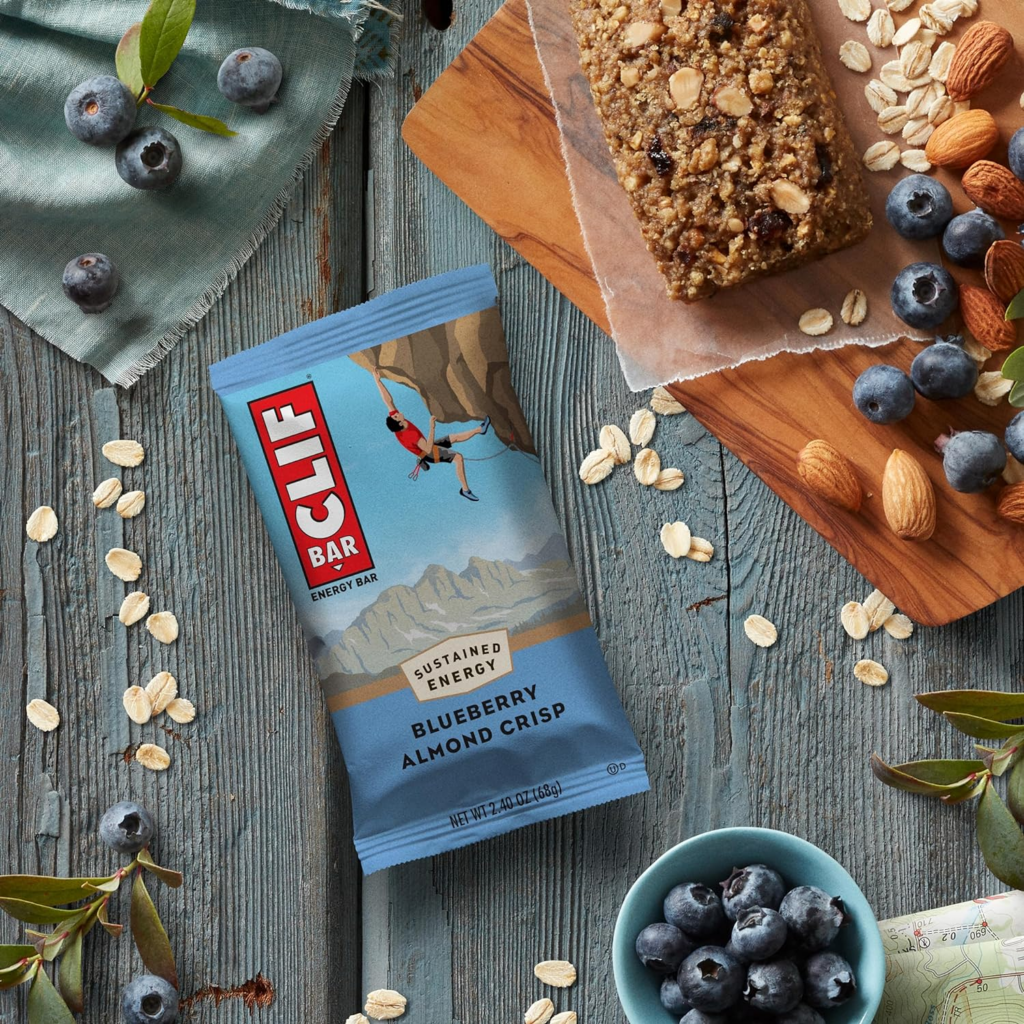
They have more protein and fiber than most nature valley bars. Clif Bars are a popular snack choice known for their higher protein and fiber content compared to most Nature Valley bars. Packed with nutritious ingredients, Clif Bars offer sustained energy and are a satisfying option for those seeking a more substantial and health-conscious snack. Get Clif Bar here.
2. Lara Bars

They have less sugar than most nature valley bars. Lara Bars are a great alternative to Nature Valley bars for those looking to reduce their sugar intake. These bars are known for their minimal ingredient lists, often consisting of just a few simple and natural components. With less sugar content, Lara Bars offer a wholesome and satisfying snack option for health-conscious individuals. Get LaraBar here.
3. KIND Bars
They are not only gluten-free but also vegan and non-GMO. They are made with all-natural ingredients, including nuts, seeds, fruit, and spices.

KIND Bars are a top choice for individuals seeking gluten-free, vegan, and non-GMO snack options. Crafted from a blend of all-natural ingredients like nuts, seeds, fruits, and spices, KIND Bars offer a delicious and health-conscious choice for those with dietary preferences and concerns. Buy KIND from Here.
4. Fruit by the Foot
This healthier option has half the amount of sugar as most nature valley bars. Fruit by the Foot is a healthier alternative to Nature Valley bars, boasting just half the amount of sugar.

These fruity snacks provide a sweet and satisfying treat with reduced sugar content, making them a preferred choice for those looking to enjoy a delightful snack without excessive sugar intake. Get it from here.
5. Homemade Granola Bars
If you’re looking for a homemade alternative to Nature Valley bars, consider homemade granola bars or a simple fruit and nut mix.
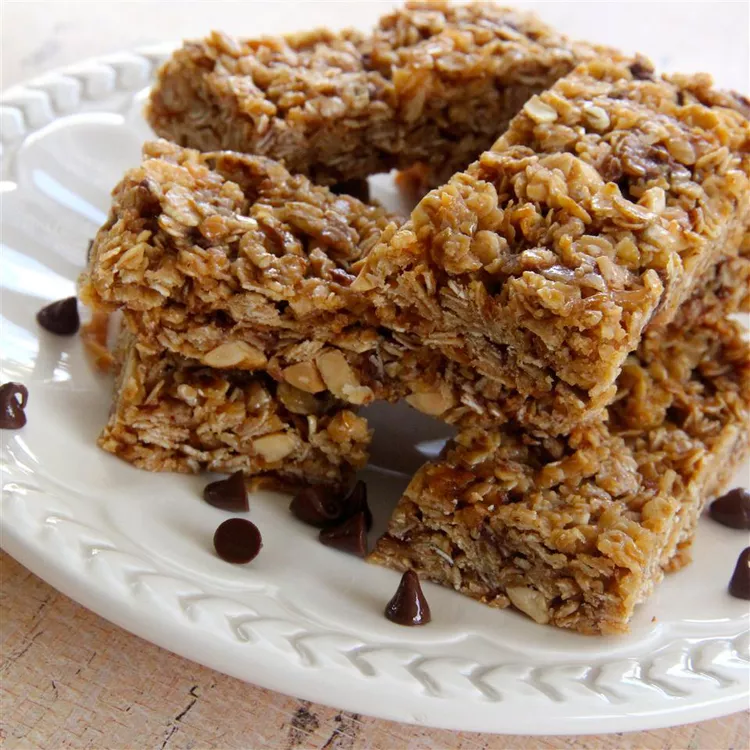
These options will likely be lower in sugar and calories and higher in fiber and nutrients, and of course, the best option than any packaged so-called healthy bars.
FAQs
Are nature valley bars good for weight loss?
While Nature Valley bars contain some healthy ingredients like whole grain and nuts, which might seem helpful in losing weight, they also contain a lot of sugar, calories, and other fattening ingredients. So, if you’re looking to lose weight, you may want to consider other options.
Are nature valley bars gluten-free?
Nature Valley has a whole range of gluten-free bars, where they specifically mention them as gluten-free. However, from that line, nature valley’s other bars are also made from non-glutinous whole grain oats. However, it is always better to read the labels to see if your preferred bars have gluten or not.
Are nature valley bars vegan?
Though Nature Valley markets itself as a health-conscious brand, not all of its products are vegan. In fact, some of its granola bars contain honey, an animal by-product. However, one of their bars- The Crunch and Fruit & Nut, is the most vegan-friendly of all as it seems not to contain any animal-derived ingredient like milk or honey.
Are nature valley bars dairy free?
Not all, but some of the nature valley bars are made for milk-free households. According to their ingredient labeling, the Nature Valley crunchy granola bars, Nature Valley oats & honey bars, and the Nature Valley Crunch and Fruit & Nut bars do not contain any dairy ingredients.
However, if you are completely lactose-intolerant, you may want to reassure yourself by reading the labels.
Final Thought
Are Nature Valley bars healthy? Its depend, while they often contain whole grains and nuts, providing essential nutrients and fiber, they can also be high in added sugars and unhealthy fats.
Nature Valley bars may not be what you’re putting into your body when you eat these supposedly nutritious snacks. Just because nature valley bars are labeled, natural doesn’t necessarily mean it’s healthy. In fact, many natural foods are processed and high in sugar, fat, and calories.
As such, you should always read the label on the bars before eating it to ensure you get the most nutritious version. If possible, head to Nature Valley’s website for more in-depth info about your favorite bars.
Related Posts






Subscribe for New Racipies
Get mental health tips, updates, and resources delivered to your inbox.