
Orange Basil Scones

Medically reviewed by Christiana George Updated Date: December 18, 2022

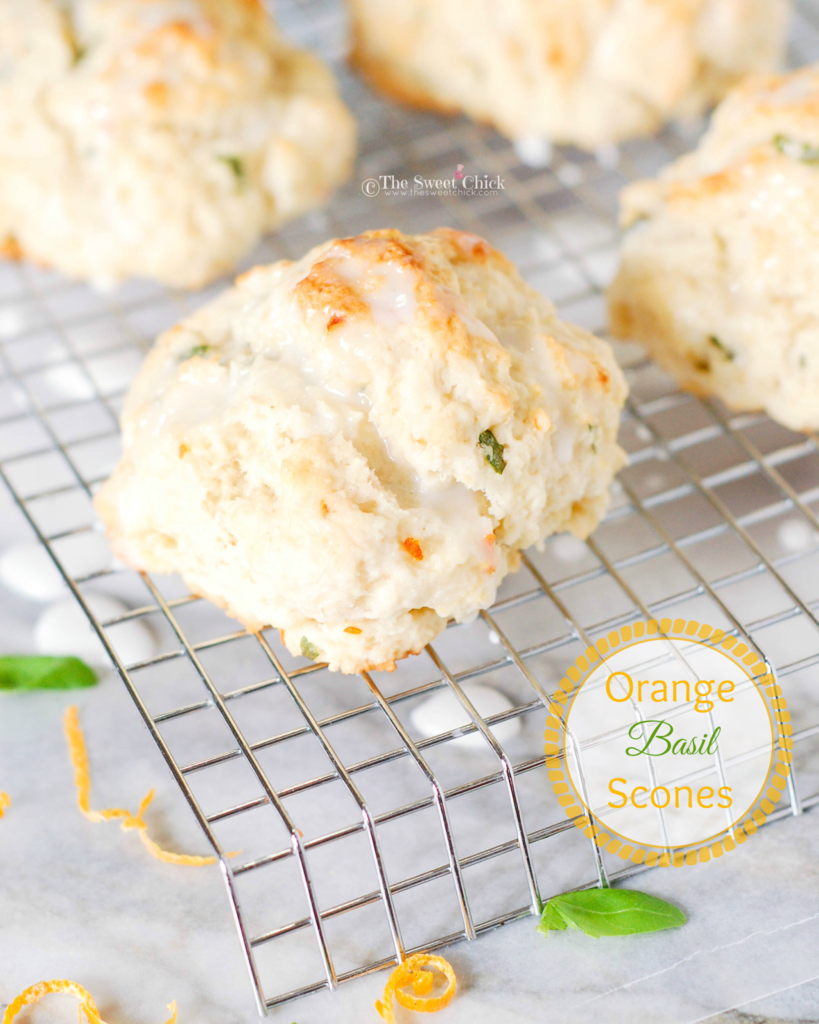
My husband was in the mood for some scones. I decided to make these Orange Basil Scones again. I had made some before the holidays hit, as a trial run and they were a hit, so I made some more. The combination of orange and basil gives a refreshing flavor to these scones. The tangy flavor of the citrus goes well with the sweetness of the fresh basil. They came out with the perfect amount of moistness, but still crumbly. Oh, I do so love a good scone.
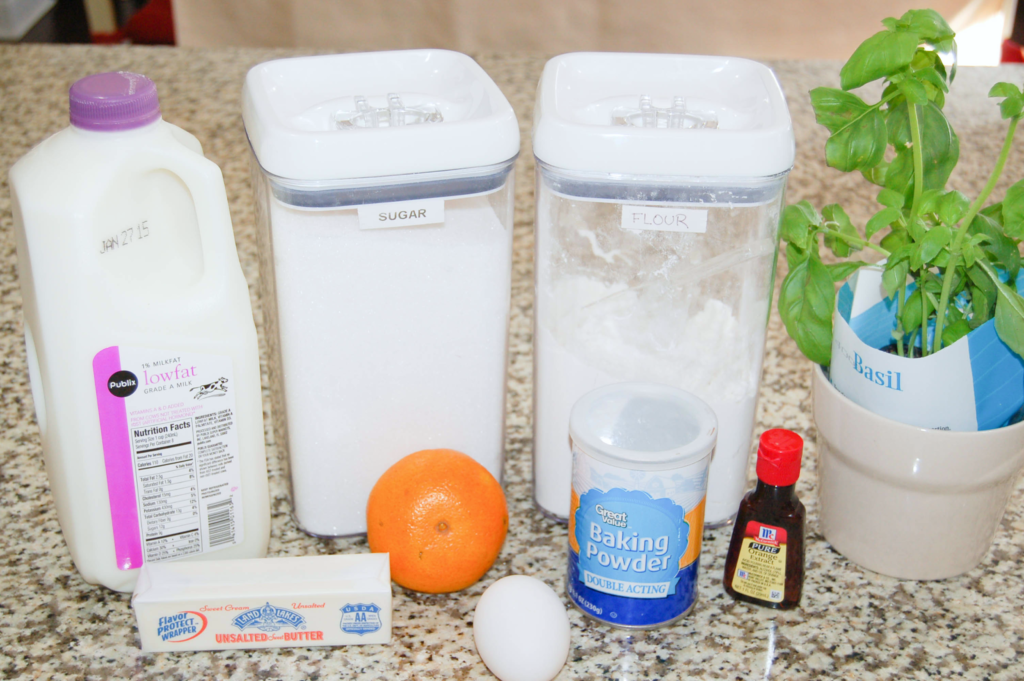
There are really not many ingredients needed. It’s a pretty basic recipe. The orange zest and fresh basil are what make the recipe special.
I love the smell of fresh basil. Can’t you just smell it through your screen right now?

You get little bits of orange zest and basil in every bite. The glaze gives them a bit more sweetness without overdoing it. You can add more or less as you wish. I just did a little drizzle. Even my daughter loved these. Of course, she is the one that always picked fresh leaves off my basil plants and ate them straight up. She knows good flavor when she tastes it and so will you when you make these Orange Basil Scones.
Here are some other great flavors I have made:


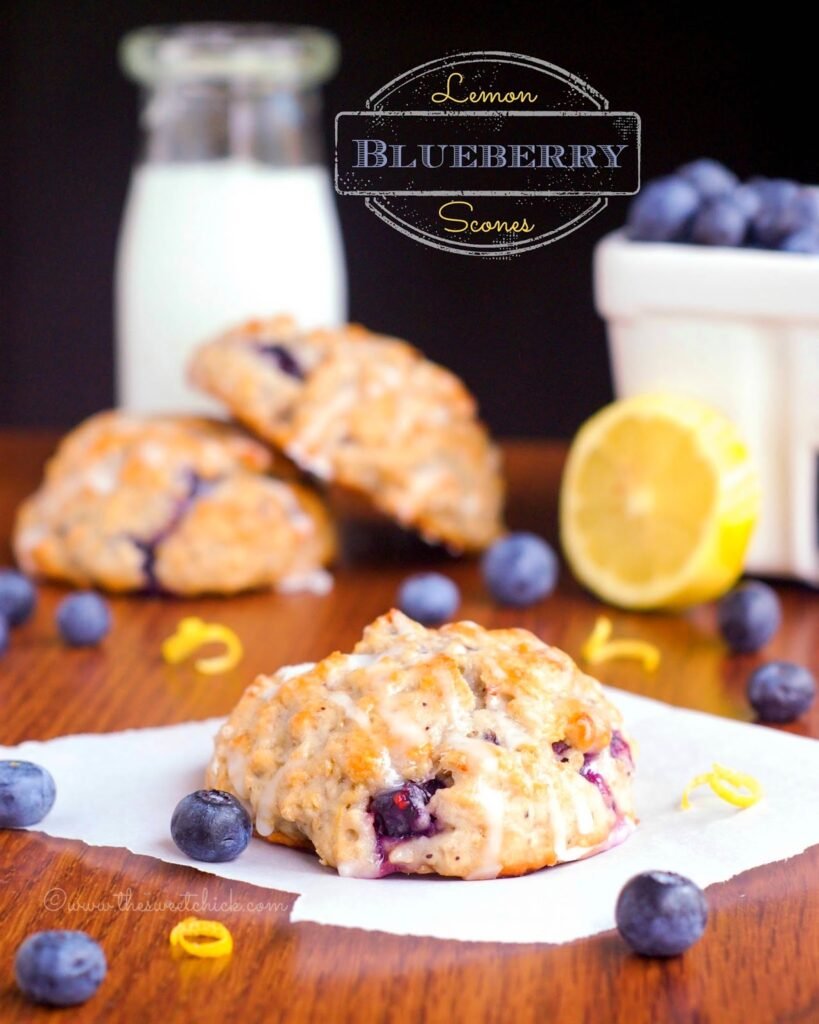

Orange Basil Scones
by The Sweet Chick
Prep Time: 15 minutes
Cook Time: 15 minutes
Keywords: bake bread breakfast dessert snack orange extract orange zest basil scones American
Ingredients (8 scones)
For the scones
- 2 cups flour
- 1/3 cup sugar
- 2 teaspoons baking powder
- 6 tablespoons cold butter
- 1/2 cup milk
- 1 egg
- 1 teaspoon orange extract
- 1 teaspoon chopped orange rind
- 2 tablespoons chopped fresh basil
For the topping
- 2 tablespoons milk
- 1-2 teaspoons sugar
For the glaze
- 3/4 cup powdered sugar
- 1- 1 1/2 tablespoons milk
- 1/4 teaspoon orange extract
Instructions
For the scones
Preheat oven to 425° F.
In a stand mixer, mix flour, sugar, and baking powder.
Cut up butter and add to flour mixture, mixing on low speed for 1 minute.
In a small bowl mix egg, milk, and orange extract until blended and add to the flour mixture. The batter will be a dough like consistency.
Next add in the basil and orange zest and mix until well distributed.
With a large scoop, place dough onto a greased or parchment lined cookie sheet. Do not flatten.
For the topping
Brush the tops and sides of each scone with milk and sprinkle with about 1/4 teaspoon or less of sugar.
Bake at 425°F for 13-15 minutes or until toothpick inserted in middle comes out clean and tops are a golden color.
Remove from oven and carefully place scones on cooling rack with wax paper underneath. (Scones will be extra hot due to the sugar.)
For the glaze
In a small bowl whisk together powdered sugar, milk, and orange extract until smooth.
Using the whisk, drizzle the scones with as much or as little glaze as you prefer.
You can wait for the glaze to set or go ahead and eat one!
Related Posts





Subscribe for New Racipies
Get mental health tips, updates, and resources delivered to your inbox.
Are Pickles Acidic? Pickles for Acid Reflux [Good or Bad]


Pickles are made from cucumbers; hence, a large portion of their nutritional content is derived from this non-starchy vegetable. Now to know how healthy they really are.
A question may arise in your mind, are pickles acidic?
Pickles have some acidic content in them. The range of pH varies from 3.2 to 3.6 which ensures its acidity. The variety of pickles may vary with their pH as well. Its acidic content doesn’t make it less healthy at all. Pickles are good for digestion and inflammation.
Today we will come to know about whether you should add pickles to your diet or not and also know about in which situation you avoid it. And how interesting their varieties could be.
Are pickles acidic or alkaline? What an expert says!
Pickles that have experienced fermentation are maintained in a salted environment that eventually turns acidic owing to helpful bacteria. This makes the pickles pH to vary between 3.2 to 3.6. More surprisingly, pickles have a different pH range than the cucumber.
Lactic acid has a very little difference in its chemical composition from acetic acid, making them close relations and making them more acidic.
Cucumber & pickles: why the pH is different
Pickles are made of cucumber. From the adverse process of cucumber to become pickles, makes them more acidic. The three major components of making pickles are vinegar, cucumber, salt and water.
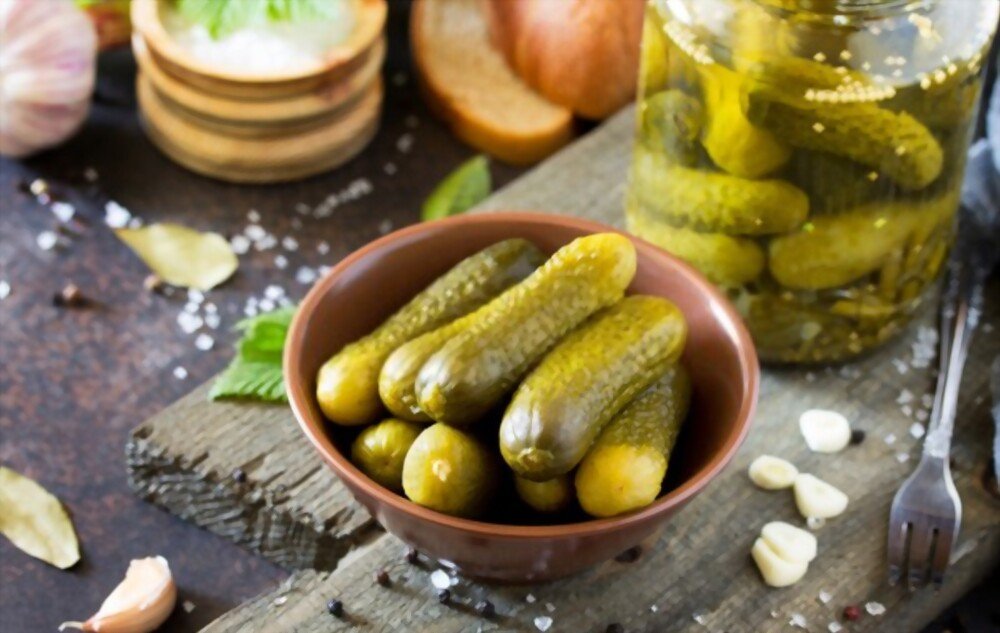
According to FAO, vinegar contains high amounts of acetic acid that may up to 12% of its main components. Other than that, cucumbers have a pH varying from 5.12 to 5.78 which indicates its acidity as well.
Cucumber has a pH range of 5.12 to 5.78 whether the pH of pickles decreases to 3.2 to 3.6. The fermentation process makes the cucumber turn into pickle and less acidic to more acidic by its contents.
So, Why Are Pickles Acidic?
These are the following reasons why pickles are mentioned to be an acidic food.
- According to the study of pubmed, it contains approximately 1.5% lactic acids.
- Pickles’ primary component, cucumbers, has a mild acidity (5.5 pH).
- In a vinegar brine, the cucumbers are placed (Level of pH range from 2.3 to 3).
Related Post: Is Broccoli acidic? Broccoli Acid Reflux (Is This True?)
Various pickles and its pH (pH of pickles)
There is a wide range of variety in pickles that also varies in their pH level. Let’s see the content analysis –

Pickles for acid reflux [good or bad]
Most of you will judge pickles for its acidic content for sure. But I would rather suggest you not to do that. Pickles are full of organic acids and have a pH of below 3.6 which is surely acidic but pickles will only trigger your acid reflux if you exceed the limit.
Our stomach content is already very acidic because of the presence of HCL on it. This acidic environment naturally doesn’t cause acid reflux because of the food particles. But, here are some conditions that will cause you acid reflux-
- If you have an empty stomach, you rather avoid having acidic fruits like pickles. Which can trigger the acidic component more and surely cause acid reflux.
- If you have some oily or fatty food that can also trigger acid reflux. Because the oily substances produce acid in the empty stomach and end with heartburn.
Related Post: Are Apples Acidic? Apples for Acid Reflux [Good or Bad]
Heartburn and Dill Pickles
Dill pickles can cause heartburn. Couple of pickles a day may not create a severe problem for you. Because our body’s immune system always makes sure to balance the homeostasis of the digestive system.
But if the limit exceeds and lot’s of pickles are consumed then the heartburn will come to you for all means. It will trigger the acidic components present in the stomach and create a backflow of acids that will cause heartburn and throat burns.
Pickles juice: does it help in acid reflux?
Most nutritionists suggest not eating pickles because of its higher acidic component. But they perish the pickle juice. Pickle juice is a dissolved ingredient of pickles that decreases the pH level and creates a safer appearance to drink it.
So, basically, pickles can cause acid reflux but pickle juice can help in remedy. There are lots of health benefits of having pickles juice and “remedy in acid reflux” is one of them.
According to USDA, Pickles juice has a pH ranging from 6.20 to 6.26 which is close to neutral. This closely neutral juice can easily help you to dissolve the acidic atmosphere of your stomach and minimize the acidic compounds.
Pickle juice is recommended for acid reflux for your gut health as well. It helps with a wonderful dosage of lactic acid bacteria, a beneficial probiotic bacterium that supports bowel health and is present in cucumbers.
Which pickles are you munching on right now?
A lot of varieties of pickles you see in your surroundings, let’s check out these varieties.
Bread and Butter pickles
All bread and butter pickles include one characteristic in common: their acidic brine contains a small amount of glucose, giving them a milder flavor than regular sour pickles.
Cornichons
Gherkin is referred to as a cornichon in elegant French. Those kinds of pickles are basically the same thing; they are both little (or less 2 inches), lumpy, and adorable.
Dill Pickles
The most well-known pickles are dill pickles, which, as you’ve probably predicted, are named for the dill flavor they possess. The most acidic pickles are dill pickles.
Sweat Pickles
Similar to bread and butter pickles, sweet pickles are produced using a saltwater that includes both vinegar and sugar. In other words, while the sweetness in sweet pickles is not as overpowering as it is in the other pickles just on the list, it is still present.
Kosher pickles
It may be a little surprising, but kosher pickles are not always produced in line with the Jewish special diets of the same name, some pickles labeled “kosher” are actually not kosher. This can supply16 mg of calcium which builds bone destiny and also supplies magnesium, phosphorus, iron and zinc.
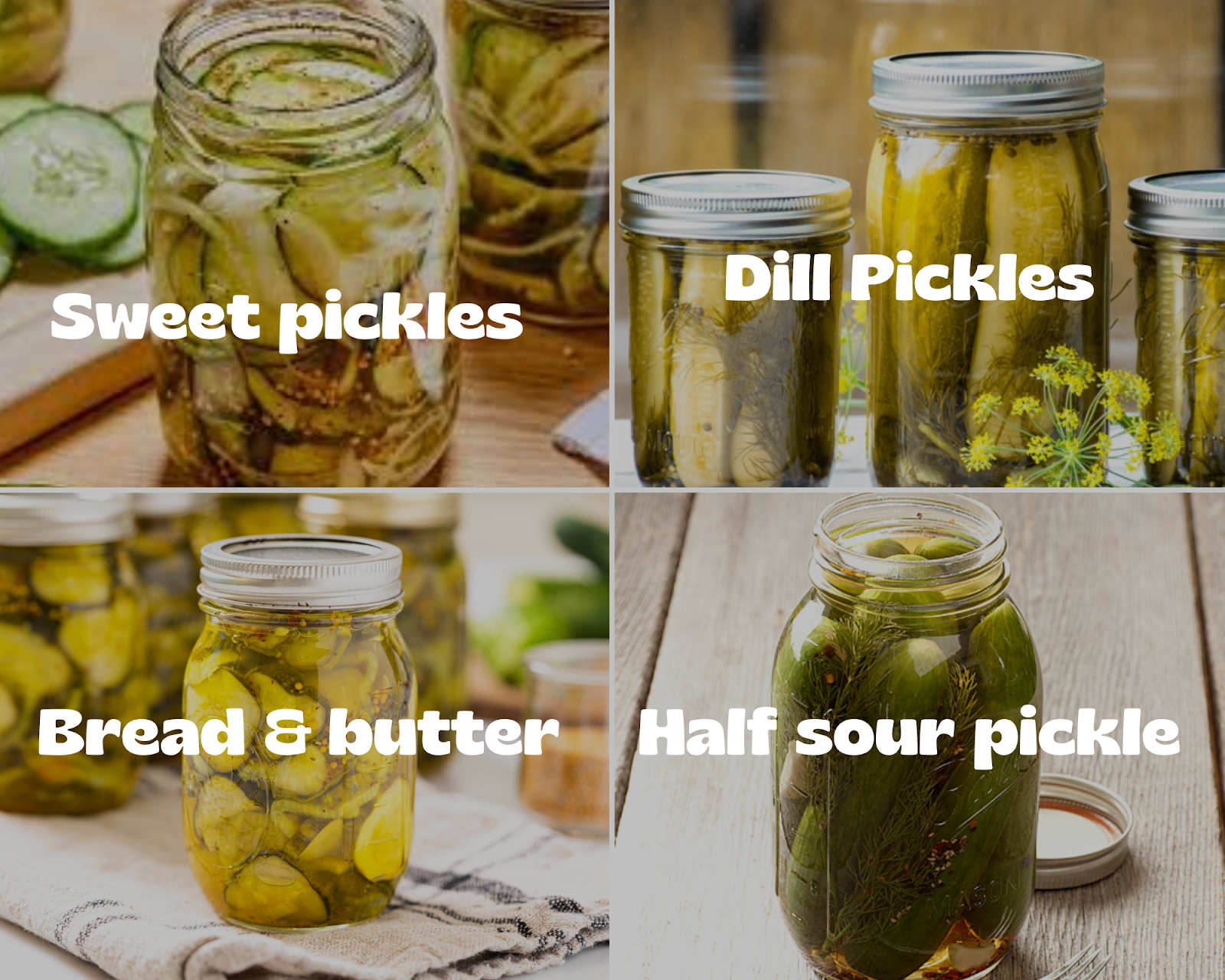
Other varieties of pickles are Kool-Aid pickles, Polish or German Pickles, Gherkins, Lime Pickles and more.
Fun fact: There are two types of pickle making processes, ferment and soaked pickles.
5 Reasons to start having pickles now
Pickles are healthy for our body, because pickles contain relatively little fat or protein and virtually entirely water, like the majority of vegetables. Due to the salty brine’s ability to pull water out of the pickles, they also contain a lot of vitamins.
Vitamins and minerals are abundant in pickles. Eating pickles may provide a range of health advantages, including the following:
Reduce Cell Damage
Pickles appear to have only small benefits on overall health in terms of reducing damage-causing oxidative stress. Pickles are a great option for anyone trying to increase their intake of antioxidants organically.
Blood Pressure Concerns
Too much salt in your diet each day can raise your blood pressure. Pickles should only be eaten periodically by anyone on blood pressure medication or trying to lower their salt intake.
Increased Risk of Osteoporosis
Pickles contain high levels of sodium; an increased risk of osteoporosis may be linked to high salt diets. High salt intake can further leach calcium from your bones, increasing the risk of osteoporosis if you are not getting enough calcium.
Aid Weight Loss
Pickled cucumbers have few calories. They could make you fat because of their high-water content. Pickles include vinegar as well, which has been connected to decreased appetite.
Healthy digestive system
Pickles are good for your digestive system as well. It helps with the lactic acid bacteria and other probiotics elements that helps you to make a healthy intestine and give a healthy stomach for you.
Content analysis of pickles and experts opinion
According to the webmd whole pickles contain-
- 20% of the recommended daily intake of vitamin K, which promotes blood clotting and strengthens bones.
- Vitamin C, an antioxidant that guards against cell damage, provides 3%–4% of your daily needs.
- Adults require 6% of the daily recommended calcium for strong bones, teeth, and nerves.
- 1% of the recommended daily intake of vitamin A, which is essential for good vision, immunological function, and pregnancy.
Related: Are Onions Acidic or Basic? Avoid With Acid Reflux or Not
FAQs
Are pickles acidic food?
Pickles are acidic, because acid foods contain enough acid to have a pH of 4.6 or below. Acidity can be added to foods like pickles or it can be found naturally in most fruits.
A measurement of acidity is “pH”; the lower the value, the more acidic the meal, and pickles have lower PH level.
Is pickle juice high in acid?
Yes, pickles are highly acidic. However, if a person with stomach ulcer it causes pain and disconformity.
So, they should avoid pickle juice but if you are a lover of pickles and have no diseases then you might relish a glass of pickle juice and enjoy your day.
Is eating dill pickles everyday good for you?
Pickles tend to be heavy in salt, so even though they offer certain health benefits, it is not a good idea to consume pickles every day.
Because too much sodium can cause hypertension, increase water retention, raise blood pressure and cause kidney impairment in those whose renal function is already weakened.
Conclusion
Hopefully you come to know whether the pickles are acidic or not? Also the varieties of pickles, its causes with acid reflux and remedy, benefits of pickles and effect of it on health.
Finally, you must know that in which situation you should avoid pickles because of their pH level. From now I am sure you can select your diet wisely.
Related Posts

Subscribe for New Racipies
Get mental health tips, updates, and resources delivered to your inbox.