
Is Buttermilk Good for Acid Reflux?

Medically reviewed by Aneeza Pervez Updated Date: January 2, 2026

Acid reflux can be a frustrating condition to manage. The burning sensation in the chest, throat irritation, and the discomfort of indigestion are common issues that those suffering from acid reflux deal with regularly. The quest for foods and drinks that alleviate or prevent these symptoms is often an ongoing journey. Among the many natural remedies suggested, buttermilk has been a staple in traditional medicine for its potential benefits in soothing the digestive system.
But is buttermilk truly effective in managing acid reflux, or is it just another food that promises much but delivers little? Let’s dive into the details and explore whether buttermilk could be a good choice for individuals suffering from acid reflux.
What Is Buttermilk and Its Nutritional Profile?
Buttermilk is a fermented dairy product, traditionally made as a byproduct of churning yogurt or cream to make butter. It’s a rich source of probiotics, which are beneficial bacteria that support gut health. It also contains several essential nutrients that contribute to overall health.
Key Nutrients in Buttermilk
- Probiotics: These bacteria play a crucial role in digestive health by maintaining a balance between good and bad bacteria in the gut.
- Calcium: Buttermilk is an excellent source of calcium, which is important for bone health and muscle function.
- Vitamin D: This vitamin helps the body absorb calcium and supports immune system function.
- Potassium: An essential mineral that helps regulate fluid balance, muscle function, and heart health.
- Low in Fat: Compared to whole milk or cream, buttermilk is low in fat, making it a lighter, healthier option.
Health Benefits of Buttermilk
Buttermilk is often praised for its digestive benefits, research suggest that it is particularly helpful in soothing the stomach and promoting healthy digestion. It’s a refreshing drink that can provide hydration and essential nutrients while being easy on the digestive system.
Can Buttermilk Cause Acid Reflux?
When considering whether buttermilk can cause acid reflux, it’s essential to evaluate its composition and how it interacts with the digestive system. Buttermilk has several properties that suggest it is unlikely to trigger acid reflux.
The Role of Alkaline Properties
Buttermilk, despite being slightly acidic, exhibits alkalizing effects once digested. This means that it can help balance stomach acidity, neutralizing the effects of excess acid that contribute to acid reflux. The pH level of buttermilk typically ranges from 4.5 to 4.8, which is on the acidic side. However, its digestion leads to an alkalizing effect in the stomach, making it beneficial for people suffering from acid reflux.
Lactose Intolerance Consideration
While buttermilk is generally considered gentle on the stomach, individuals who are lactose intolerant might experience discomfort, such as bloating or gas. This can indirectly trigger reflux symptoms. If you suspect lactose intolerance, it’s best to opt for lactose-free buttermilk or avoid it altogether.
How Is Buttermilk Good for Acid Reflux?
Buttermilk can be beneficial for individuals dealing with acid reflux due to its soothing and cooling properties. Let’s explore how it helps manage reflux symptoms.
Soothing Effect on the Esophagus
One of the primary benefits of buttermilk is its cooling effect on the digestive system. The texture of buttermilk can help coat and soothe the esophagus, which may reduce the burning sensation often experienced during acid reflux episodes. This effect makes buttermilk a comforting drink for those suffering from the discomfort of reflux.
Probiotics for Digestive Health
Buttermilk is rich in probiotics, which support gut health. A healthy gut plays an essential role in digestion and can help prevent conditions like acid reflux. The probiotics found in buttermilk help balance the digestive flora, reduce inflammation, and promote proper digestion, thus preventing the backflow of stomach acid into the esophagus.
Neutralizing Stomach Acidity
Despite its slightly acidic pH, buttermilk helps neutralize stomach acids. The alkaline properties of buttermilk work to reduce the acidity in the stomach, thereby minimizing symptoms of acid reflux. Drinking buttermilk after meals can provide quick relief from the discomfort caused by acid reflux.
Is Buttermilk Acidic or Alkaline?
One of the common questions regarding buttermilk is whether it is acidic or alkaline. As mentioned earlier, buttermilk is mildly acidic with a pH of about 4.5 to 4.8. However, the alkalizing effect it has on the stomach is what makes it suitable for acid reflux sufferers.
The Alkaline Effect After Digestion
Even though buttermilk starts out acidic, it becomes alkaline in the digestive system, which helps balance the overall stomach acidity. This unique property is what makes buttermilk an excellent option for individuals dealing with acid reflux. It’s not the acidity of buttermilk itself that’s harmful; rather, it’s the way it interacts with the body that provides relief.
Is Buttermilk Good for Gastritis and Stomach Pain?
In addition to being helpful for acid reflux, buttermilk can also provide relief for other gastrointestinal conditions like gastritis and stomach pain.
Author Tip: 7-Day Meal Plan For Gastritis: Balancing Nutrition and Gastritis
Soothing Effect for Gastritis
Gastritis, an inflammation of the stomach lining, can cause pain, bloating, and discomfort. Buttermilk’s cooling properties help soothe the stomach lining, reducing irritation and inflammation. This makes it an effective natural remedy for those with gastritis, offering both relief from pain and support for healing.
Relieving Stomach Pain from Ulcers
Buttermilk’s soothing properties extend to ulcers as well. Ulcers can cause intense stomach pain, but buttermilk can provide temporary relief by reducing irritation. Additionally, the probiotics in buttermilk may help reduce harmful bacteria, such as Helicobacter pylori, which is often linked to the development of ulcers.
Buttermilk Benefits and Side Effects
Benefits
- Improves Digestion: The probiotics in buttermilk promote healthy digestion, making it easier for the stomach to process food.
- Reduces Acid Reflux Symptoms: The alkalizing effect helps neutralize stomach acids and soothe the esophagus.
- Enhances Gut Health: Probiotics play a critical role in balancing gut bacteria, improving overall digestive health.
- Provides Nutrients: Buttermilk is an excellent source of essential vitamins and minerals, including calcium, vitamin D, and potassium.
Side Effects
- Lactose Intolerance: For individuals with lactose intolerance, buttermilk can cause discomfort, including bloating, gas, and diarrhea.
- Excessive Consumption: Overconsumption of buttermilk may lead to bloating or gas in some individuals. Moderation is key.
Is Buttermilk Good for Ulcers?
As mentioned earlier, buttermilk can be beneficial for individuals with ulcers. Its soothing effect helps relieve pain and discomfort, while its probiotics may aid in healing the ulcer by reducing harmful bacteria, such as Helicobacter pylori, which can exacerbate ulcer symptoms.
Does Cinnamon Increase Acid Reflux?
While cinnamon is a common addition to many diets, it’s important to note that it can sometimes irritate the stomach, especially in large amounts. For individuals with acid reflux, using cinnamon in moderation is key. Small quantities may not trigger acid reflux, but larger amounts or spicy cinnamon may irritate the stomach lining, leading to increased symptoms.
FAQs About Buttermilk and Acid Reflux
1. Can I Drink Buttermilk in Acid Reflux?
Yes, buttermilk can help neutralize stomach acid and provide relief from acid reflux symptoms. Its soothing and alkalizing effects make it an excellent choice for people dealing with reflux.
2. What to Drink First Thing in the Morning for Acid Reflux?
For acid reflux, it’s best to opt for low-acid drinks such as buttermilk, warm water with honey, or herbal teas. These beverages are gentle on the stomach and can help alleviate symptoms when consumed in the morning.
3. Is Buttermilk High in Acid?
While buttermilk is slightly acidic, its overall effect on the stomach is alkalizing, which makes it a beneficial option for acid reflux sufferers.
4. Is Curd Good for Acid Reflux?
Yes, both curd and buttermilk contain probiotics that promote digestion, balance stomach acids, and reduce acidity. They are both excellent options for managing acid reflux.
5. Is Buttermilk Good for an Acidity Patient?
Absolutely! Buttermilk’s cooling properties, combined with its ability to neutralize stomach acid, make it a go-to remedy for those suffering from acidity and acid reflux.
6. If I Drink a Glass of Buttermilk, Will My Gastritis Go Away?
Buttermilk can provide temporary relief from gastritis, but consistent dietary changes and medical treatment are necessary for long-term management.
7. What Are the Advantages of Buttermilk?
Buttermilk improves digestion, reduces acidity, and enhances gut health, making it a valuable addition to your diet.
Conclusion
Buttermilk is a versatile and effective remedy for acid reflux and related digestive conditions. Its probiotics, cooling properties, and natural alkalinity help soothe the stomach, reduce acidity, and promote healthy digestion. For those struggling with frequent acid reflux or gastrointestinal issues, incorporating buttermilk into your diet may offer significant relief. As always, moderation is key, and if you’re lactose intolerant, it’s important to opt for lactose-free alternatives. With its combination of health benefits and soothing qualities, buttermilk is undoubtedly a valuable ally in managing acid reflux.
Related Posts



Subscribe for New Racipies
Get mental health tips, updates, and resources delivered to your inbox.
Meyer Lemon Budino


Budino is Italian for pudding, and I’m assuming this recipe is Italian in origin because it comes to us from Craig Stoll, owner of San Francisco’s Delfina. (Oh, SF, any mention of you sends prickles of homesickness down my spine.) What I can tell you is that it’s part souffle, part gooey lemon-y goodness. Especially if it’s countered with a mascarpone whipping cream, which rounds out its fruitiness.
I can also tell you that I love love love Meyer lemons, which I eat, raw, just like oranges, except I cut them in quarters and rip out their flesh with my teeth (kind of like how Chinese people eat oranges—or is this practice more international than I realize?).

I kind of realized along the way (the ‘way’ being the entire circuitous route I’ve taken to learning to bake) that I don’t really care for baked lemon desserts. I’m talking about tarts and pies, and those bar things that people always seem to make a huge fuss over. It’s probably a cultural thing. Chinese people don’t generally cook fruit into desserts, instead, preferring to eat it on its own, so it feels incongruous to pair its freshness and natural-ness with butter, dough, and high temperatures.
But Meyer lemon desserts, they’re in a league of their own. Meyer lemons possess a whole other dimension of floral-ness, a fragrance that reminds me of Asian dessert flavors like green tea and red bean and black sesame. It’s quieter, sweeter, less in-your-face. In fact, I’m rethinking my stance on lemon-y desserts, as long as they’re made with Meyer lemons. I would probably like Meyer-lemon lemon bars, and Meyer-lemon lemon meringue pie, and Meyer-lemon lemon shortbread. I know I like it in this budino.

Hint: it’s wonderful warm and fresh out of the oven, BUT if you give it a chance to sit in the fridge overnight, it is even better the next day. By then, three distinct layers will have formed: the dreamy pudding on the bottom, the feathery sponge cake layer on top, and an incredibly lush cheesecake-like layer in between. It is excellent. Excellent!
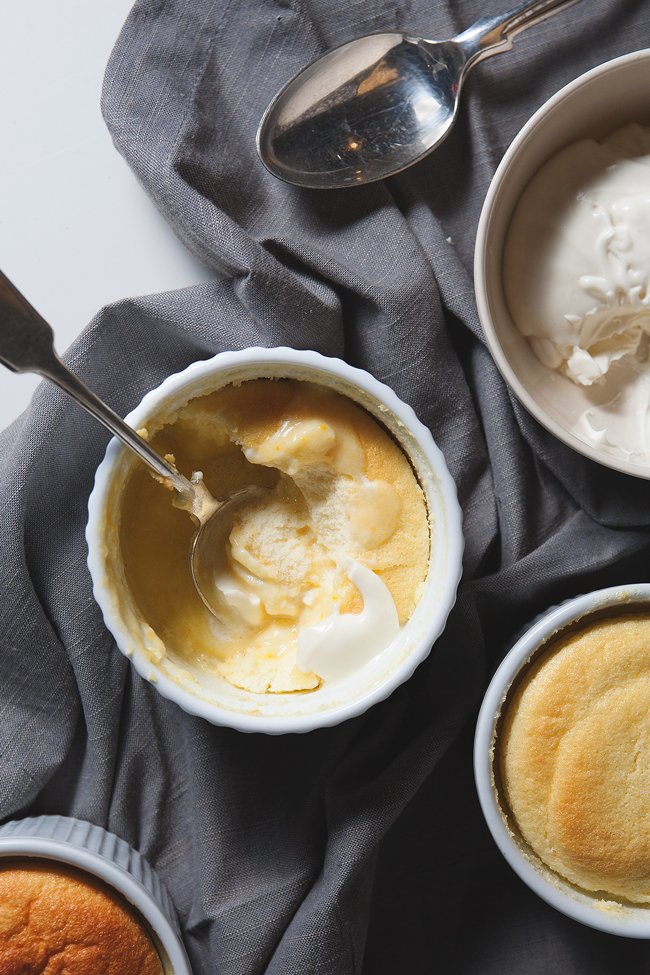
MEYER LEMON BUDINO
Adapted from Delfina, courtesy of Bon Appétit
Serves 4 to 6
Ingredients:
1/2 cup plus 2 Tbsp sugar
3 large eggs, separated
1/4 cup all purpose flour
1/4 cup + 2 Tbsp fresh Meyer lemon juice
2 Tbsp finely grated Meyer lemon peel
3/4 cup plus 2 tablespoons whole milk
1/4 teaspoon salt
For the mascarpone whipped cream:
1/2 cup chilled mascarpone cheese
1/2 cup chilled whipping cream
2 Tbsp sugar
1/2 tsp vanilla extract
Directions:
Preheat oven to 350 degrees F. Butter 4 to 6 ramekins. Combine 1/2 cup sugar, egg yolks, flour, lemon juice, and lemon peel in large bowl; whisk until well blended. Whisk in milk.
Using an electric mixer, beat egg whites and salt in medium bowl until frothy. Gradually add remaining 2 Tbsp sugar and beat until soft peaks form. Fold beaten egg whites into lemon mixture in 2 additions. Divide mixture among prepared custard cups. Place custard cups in roasting pan. Pour enough hot water into roasting pan to come halfway up sides of custard cups. Bake puddings until tops are golden and spring back when lightly touched, about 25 to 30 minutes (keep an eye on them—in some ovens, they’ll bake faster). Remove cups from water and let cool. Serve warm or cold with mascarpone whipped cream, recipe below.
For the mascarpone whipped cream:
Combine the mascarpone, whipping cream, sugar, and vanilla extract. Whisk until thick soft peaks form. Refrigerate for a few hours.
Related Posts




Subscribe for New Racipies
Get mental health tips, updates, and resources delivered to your inbox.