
Are Pineapple Juices Acidic? Pineapple Juice and Acid Reflux

Medically reviewed by Aneeza Pervez Updated Date: January 2, 2026

Pineapple juice is a popular beverage, loved for its refreshing taste and health benefits. But have you ever wondered if it’s acidic? The answer is yes—pineapple juice is acidic, with a pH level of about 3-4. This means it falls on the acidic side of the pH scale, which ranges from 0 (highly acidic) to 14 (highly alkaline).
While it contains beneficial compounds like bromelain and Vitamin C, its acidity raises some concerns, especially for individuals prone to acid reflux. Bromelain, a natural enzyme in pineapple, aids digestion but can irritate sensitive stomachs when consumed in excess. Understanding the balance between its benefits and potential risks is key to enjoying pineapple juice without discomfort.
In this article, we’ll explore why pineapple juice is acidic, its health benefits, and how to enjoy it safely. Whether you love pineapple juice or are curious about its effects on acid reflux, we’ve got you covered. Let’s dive in.
What Makes Pineapple Juice Acidic?
The pH Level of Pineapple Juice
The acidity of pineapple juice comes from its natural pH level, which typically ranges between 3 and 4. This low pH indicates a high concentration of hydrogen ions, making it acidic. The tangy taste of pineapple juice is a direct result of this acidity.
Acids Present in Pineapple Juice
The primary acids in pineapple juice are citric acid and malic acid. Citric acid is commonly found in citrus fruits and contributes to the tartness of the juice. Malic acid adds a slightly sour note and is also found in apples and grapes. Together, these acids give pineapple juice its characteristic flavor and acidity.
Comparison with Other Acidic Beverages
When compared to other acidic drinks like orange juice (pH 3.3-4.2) or lemonade (pH 2-3), pineapple juice sits comfortably within the acidic range. However, it is less acidic than lemon juice but more so than apple juice (pH 3.3-4.0). This moderate acidity can be tolerable for some but may pose challenges for those with sensitive stomachs.
The Role of Bromelain in Digestion
What is Bromelain?
Bromelain is a group of enzymes found in pineapple. It helps break down proteins into smaller peptides and amino acids, making it easier for your body to digest. This enzyme is unique to pineapples and is concentrated in both the fruit and its juice.
Benefits of Bromelain
Bromelain has anti-inflammatory properties that can soothe digestive discomfort. It may also reduce bloating and aid in nutrient absorption. Many people use bromelain supplements to manage conditions like osteoarthritis or sinusitis, highlighting its versatility as a natural remedy.
Bromelain and Acid Reflux
While bromelain is beneficial, it’s not without risks. Its digestive enzymes can irritate the stomach lining in people with acid reflux or GERD (Gastroesophageal Reflux Disease). This irritation may lead to symptoms like heartburn, especially when consuming undiluted pineapple juice. Moderation is essential to avoid triggering discomfort.
Pineapple Juice and Acid Reflux
Is Pineapple Juice Bad for Acid Reflux?
Acidic foods and beverages, like pineapple juice, can aggravate acid reflux symptoms in some individuals. The acidity can irritate the esophagus, leading to a burning sensation. If you have GERD or frequent acid reflux, drinking pineapple juice might not be the best choice.
Different Responses in Individuals
Not everyone reacts to pineapple juice in the same way. Some people tolerate small amounts without issues, while others experience immediate discomfort. Those without GERD may enjoy pineapple juice without any symptoms. It’s all about knowing your body’s tolerance.
The Impact of Acidic Foods on Reflux
When acidic foods are consumed, they can relax the lower esophageal sphincter (LES), a muscle that prevents stomach acid from entering the esophagus. When this happens, acid reflux symptoms like heartburn, regurgitation, and bloating may occur. Pineapple juice, due to its acidity, is one such potential trigger.
Health Benefits of Pineapple Juice
Despite its acidity, pineapple juice has several health benefits:
- Rich in Vitamin C: Pineapple juice is an excellent source of Vitamin C, which supports the immune system and promotes healthy skin.
- High in Manganese: This mineral is essential for bone health and energy production.
- Anti-Inflammatory Effects: Bromelain helps reduce inflammation, making it useful for conditions like arthritis and post-surgery recovery.
However, for those prone to heartburn, these benefits may come at a cost. While bromelain can aid digestion, the juice’s acidity might counteract this advantage in sensitive individuals.
Pineapple Juice vs. Alkaline Diets
Can Pineapple Juice Fit in an Alkaline Diet?
The alkaline diet emphasizes consuming foods that reduce the body’s acidity. While pineapple juice is acidic, its metabolic effect on the body may vary. Some proponents argue that certain acidic foods leave an “alkaline ash” after digestion, which could make them compatible with the diet. However, scientific evidence on this is limited.
Debunking Myths About Alkaline Foods
The idea that acidic foods cause the body to become more acidic is a common misconception. The body tightly regulates blood pH, regardless of diet. Therefore, while pineapple juice is acidic, it won’t significantly impact your body’s overall pH balance.
Author Tip: 7 Kinds of Foods to Avoid with Gerd: A Complete Guide!
How to Enjoy Pineapple Juice Safely?
For those who love pineapple juice but worry about acid reflux, here are some tips to enjoy it without discomfort:
- Dilute It: Mixing pineapple juice with water reduces its acidity and makes it gentler on your stomach.
- Pair It with Food: Eating pineapple juice with less acidic foods can help balance its effects.
- Drink in Moderation: A small glass is better than a large one. Overconsumption increases the risk of reflux.
- Choose Fresh Juice: Freshly squeezed juice is less likely to contain added sugars, which can worsen reflux symptoms.
FAQs
Is pineapple juice acidic or alkaline?
Pineapple juice is acidic, with a pH level typically between 3 and 4. This low pH places it on the acidic side of the scale, where 0 is highly acidic, 7 is neutral, and 14 is highly alkaline. The acidity comes primarily from citric acid and malic acid, natural compounds that give pineapple juice its characteristic tangy flavor. While this acidity makes it refreshing and flavorful, it also means the juice can irritate the digestive tract in individuals with conditions like acid reflux or GERD. Understanding its acidic nature can help you determine how it fits into your diet.
Can pineapple juice help with acid reflux?
Pineapple juice has a complex relationship with acid reflux. On one hand, it contains bromelain, an enzyme that aids digestion and can reduce inflammation in the digestive tract. For some people, this can ease mild indigestion. However, its acidic nature often outweighs these benefits for those prone to reflux. The acidity can irritate the esophagus and trigger symptoms like heartburn, especially if consumed on an empty stomach or in large quantities. If you’re considering using pineapple juice for digestive health, start with small amounts and monitor your body’s response. Diluting the juice with water may also help reduce its potential to worsen acid reflux.
How does bromelain in pineapple juice affect digestion?
Bromelain, a natural enzyme found in pineapple, plays a key role in its digestive benefits. It helps break down proteins into simpler components, making them easier to digest. This property can be particularly helpful after consuming protein-rich meals. Additionally, bromelain has anti-inflammatory effects, which can soothe minor digestive discomfort and reduce bloating.
However, there’s a downside. For individuals with sensitive stomachs or acid reflux, bromelain’s activity, combined with the acidity of pineapple juice, can sometimes irritate the stomach lining. Overconsumption of pineapple juice may lead to discomfort, such as burning sensations or mild gastritis. To harness bromelain’s benefits without adverse effects, enjoy pineapple juice in moderation and avoid drinking it on an empty stomach.
Is pineapple juice good for GERD patients?
Pineapple juice is generally not recommended for GERD (Gastroesophageal Reflux Disease) patients due to its high acidity. GERD is a condition where stomach acid frequently flows back into the esophagus, causing irritation and discomfort. Acidic foods and beverages, like pineapple juice, can exacerbate these symptoms by relaxing the lower esophageal sphincter (LES) and increasing acid exposure in the esophagus.
That said, not all GERD patients react the same way. Some may tolerate small amounts of diluted pineapple juice without issues. If you want to include pineapple juice in your diet, start with a heavily diluted version (mixing one part juice with two or three parts water) and observe how your body reacts. Always consult your doctor or a dietitian for personalized dietary advice if you have GERD.
What are alternative juices for acid reflux?
If you experience acid reflux, you may need to avoid acidic juices like pineapple juice. Fortunately, there are several low-acid options that can provide hydration and nutrition without triggering reflux symptoms.
- Aloe Vera Juice: Known for its soothing properties, aloe vera juice can help calm the stomach and reduce irritation in the digestive tract.
- Coconut Water: Naturally low in acidity, coconut water is a hydrating choice that’s gentle on the stomach.
- Watermelon Juice: This sweet and refreshing juice has a high water content and low acidity, making it ideal for people prone to acid reflux.
- Cucumber Juice: Mild and alkaline, cucumber juice is another excellent option for those avoiding acidic beverages.
- Pear Juice: Slightly sweet and low in acidity, pear juice is often recommended for sensitive stomachs.
Incorporating these alternatives can help you maintain variety in your diet while minimizing the risk of triggering reflux symptoms.
Conclusion
Enjoying pineapple juice doesn’t have to be off-limits, even if you have a sensitive stomach. By consuming it in moderation, diluting it, or pairing it with low-acid foods, you can reduce its potential for irritation. Listening to your body is crucial—everyone reacts differently, so understanding your personal tolerance is the best way to include pineapple juice in your diet without discomfort.
For those with severe reflux, exploring alternative juices like aloe vera, coconut water, or watermelon juice might be a better choice. These options provide hydration and nutrition without the acidic punch. Whether you’re sipping pineapple juice or trying alternatives, the key to enjoying your beverages lies in mindful consumption and balance.
Related Posts



Subscribe for New Racipies
Get mental health tips, updates, and resources delivered to your inbox.
My Little Cupcake


My friend bought me this cute little mold a while ago and I have been meaning to try it out. It’s to make cupcake pops like. It’s supposed to be super easy. I chopped up a package of Oreos in the food processor and mixed it with 8 oz of cream cheese. Then I took the batter and placed it in the mold and squeezed it together. Voila!
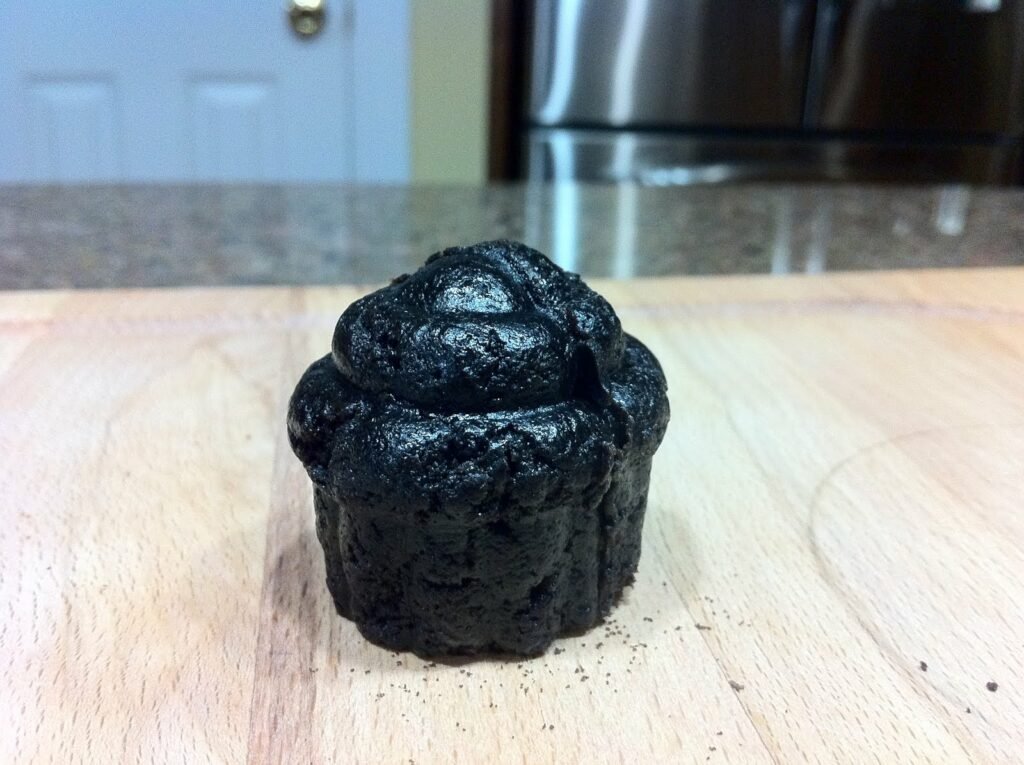
Looks good so far. I put the batch in the freezer overnight. Tomorrow I will work on dipping them in candy melt and decorating them.
Related Posts






Subscribe for New Racipies
Get mental health tips, updates, and resources delivered to your inbox.