
Is Lemon Juice Acidic? A Guide to Its Effects and Benefits

Medically reviewed by Aneeza Pervez Updated Date: January 2, 2026

Lemon juice, known for its bold, tangy flavor, is a staple in kitchens and health remedies worldwide. From drinks to marinades, its versatility is unmatched. But one common question arises: Is lemon juice acidic?
The answer is straightforward—yes, lemon juice is highly acidic. With a pH ranging between 2 and 3, lemon juice is one of the most acidic natural beverages. While this acidity has its advantages, such as antimicrobial properties, it also poses challenges for people prone to acid reflux or sensitive stomachs.
This guide dives into what makes lemon juice acidic, its effects on digestion, and how you can enjoy it while managing potential issues like acid reflux. Read on to uncover the truth about this zesty beverage.
What Makes Lemon Juice Acidic?
Lemon juice’s unmistakable tanginess stems from its high concentration of citric acid, a naturally occurring compound abundant in lemons. This citric acid is what places lemon juice among the most acidic substances commonly consumed. With a pH value ranging from 2 to 3, lemon juice is far more acidic than most foods and drinks, which explains its sharp flavor and versatile uses in cooking, cleaning, and health remedies.
Understanding the pH of Lemon Juice
The pH scale measures how acidic or alkaline a substance is, with values below 7 indicating acidity and values above 7 indicating alkalinity. Lemon juice’s pH of 2 to 3 makes it “extremely acidic,” a classification that highlights its potency. This acidity is not just a defining feature of its taste—it also contributes to its ability to preserve food and inhibit bacterial growth, making it both flavorful and functional.
The Role of Citric Acid in Lemon Juice
At the heart of lemon juice’s acidity is citric acid, a powerful organic acid that plays multiple roles in its unique characteristics and benefits. Here’s how citric acid contributes to lemon juice’s properties:
- Flavor: The tangy, mouth-puckering sourness that defines lemons is directly due to citric acid. It’s the reason lemons stand out among other citrus fruits as a bold flavoring agent.
- Preservation: Thanks to its acidic nature, citric acid prevents the growth of harmful bacteria and fungi. This makes lemon juice a natural preservative, ideal for extending the shelf life of foods and beverages.
- Digestion Support: Small amounts of citric acid stimulate saliva production, which helps break down food in the mouth and initiates a smoother digestive process. Additionally, it promotes the release of digestive enzymes, aiding in better nutrient absorption.
These qualities make citric acid a multi-functional compound that elevates lemon juice from a simple ingredient to a powerhouse of flavor and functionality. Whether you’re squeezing it into water, using it as a marinade, or enjoying it as a natural remedy, the citric acid in lemon juice is the secret behind its zing and versatility.
Lemon Juice vs. Other Acidic Juices
When compared to other fruit juices, lemon juice is among the most acidic. Here’s a comparison of pH levels:
| Juice | pH Level | Acidity Classification |
| Lemon Juice | 2.0 – 3.0 | Extremely Acidic |
| Cranberry Juice | 2.3 – 2.5 | Extremely Acidic |
| Pineapple Juice | 3.2 – 4.0 | Highly Acidic |
| Orange Juice | 3.3 – 4.2 | Highly Acidic |
| Apple Juice | 3.3 – 4.0 | Highly Acidic |
This table highlights lemon juice’s position as one of the most acidic juices. While this acidity offers antimicrobial benefits, it can irritate sensitive stomachs or worsen acid reflux symptoms.
Is Lemon Juice Acidic or Alkaline?
Although lemon juice is acidic outside the body, some claim it has an alkalizing effect after metabolism. This belief stems from the idea that lemon juice leaves an “alkaline ash” after digestion. However, this doesn’t negate its initial acidity.
Lemon Juice and Its Impact on Digestion
Digestive Benefits
In small amounts, lemon juice can support digestion by stimulating bile production, which helps break down fats. It may also relieve mild indigestion, bloating, or nausea when diluted.
Challenges for Sensitive Stomachs
For individuals with acid reflux or GERD, lemon juice’s high acidity can trigger symptoms like heartburn and regurgitation. Drinking it undiluted on an empty stomach is particularly risky.
Author Tip: Is Lemonade Good for You?
Does Lemon Juice Help Acid Reflux?
The relationship between lemon juice and acid reflux is complex. While its acidity may exacerbate reflux symptoms for some, others believe diluted lemon juice can have alkalizing effects.
Why Lemon Juice May Trigger Reflux
- Increased Stomach Acid: Lemon juice stimulates stomach acid, which can worsen reflux.
- Irritation: Its sourness may aggravate an inflamed esophagus.
Potential Benefits
- Digestive Stimulation: Lemon juice promotes bile production, aiding digestion.
- Mild Alkalizing Effect: Some people believe diluted lemon juice may counteract acidity, though evidence is limited.
Can Lemon Juice Be Dangerous?
Despite being a strong acid, lemon juice is safe for most people when consumed in moderation. However, excessive consumption can:
- Irritate the stomach lining.
- Weaken tooth enamel due to prolonged exposure to acidity.
- Exacerbate acid reflux symptoms.
How to Safely Consume Lemon Juice
To enjoy the benefits of lemon juice without discomfort:
- Dilute It: Mix one part lemon juice with three parts water to reduce acidity.
- Pair with Non-Acidic Foods: Eating lemon juice with meals can buffer its effects.
- Limit Portions: Avoid consuming large amounts at once.
- Use Fresh Lemon Juice: Avoid processed lemon juice with added preservatives.
Debunking the Lemon Alkaline Myth
The idea that lemons are “alkaline” has gained traction, especially in health and wellness communities promoting alkaline diets. These diets often claim that lemons and lemon juice, despite being highly acidic in nature, have an alkalizing effect on the body after digestion. While there’s some truth to this, it’s important to understand the nuance and debunk the oversimplified notion.
Why Are Lemons Considered Alkaline?
This claim stems from the “alkaline ash” hypothesis. According to this theory, when lemons are metabolized, they leave behind an alkaline residue (or “ash”). This is because the minerals in lemons, such as potassium, magnesium, and calcium, are considered alkalizing. These minerals may contribute to a slight increase in urinary pH, making the body temporarily excrete less acidic urine.
What’s Misleading About the Claim?
- Initial Acidity of Lemon Juice: Lemon juice is acidic, with a pH between 2 and 3. This acidity is very real and tangible when consumed, impacting the stomach and digestive system immediately.
- Body’s pH Regulation: The body’s internal pH, especially that of the blood, is tightly regulated and does not significantly change due to the consumption of specific foods or beverages. The idea that eating lemons can “alkalize” your body is a misunderstanding of how homeostasis works.
- Focus on Urinary pH: While lemons might affect the pH of your urine slightly, this does not translate to altering the overall pH of your body. Urinary pH is not an indicator of overall health or systemic pH levels.
The Reality of Lemon Juice and pH Balance
While the alkaline residue theory has some scientific basis, it’s not a reason to classify lemons as truly “alkaline.” Instead, they are acidic foods that may have certain alkalizing effects after digestion, but this does not significantly impact the body’s overall pH balance. It’s crucial to view lemons as beneficial for their nutritional properties rather than for mythical alkalizing capabilities.
The Role of Lemon Juice in Gastric Health
Lemon juice can play a dual role in gastric health, offering benefits for some people while posing risks for others. Its impact depends on factors like individual tolerance, the method of consumption, and the presence of pre-existing digestive issues.
How Lemon Juice Benefits Gastric Health
- Stimulating Digestive Enzymes: Lemon juice can promote the production of bile, a digestive fluid essential for breaking down fats. This makes it beneficial for improving nutrient absorption and easing digestion, especially when consumed in moderation and as part of a balanced diet.
- Reducing Mild Bloating or Discomfort: Some people find that diluted lemon juice relieves bloating or indigestion. Its mild diuretic properties may also reduce water retention and improve overall digestive comfort.
- Encouraging Hydration: Adding lemon juice to water can make it more palatable, encouraging hydration. Proper hydration is key to maintaining smooth digestion and a healthy stomach lining.
The Risks of Lemon Juice for Gastric Health
- Overconsumption: Drinking too much lemon juice, particularly undiluted, can irritate the stomach lining. Its high acidity may exacerbate conditions like gastritis or cause discomfort in individuals with sensitive stomachs.
- Worsening Acid Reflux: For people with GERD (gastroesophageal reflux disease) or acid reflux, lemon juice can trigger symptoms like heartburn, regurgitation, and esophageal irritation.
- Impact on Tooth Enamel: Frequent exposure to lemon juice’s acidity can erode tooth enamel, especially if consumed undiluted or in large quantities over time.
How to Enjoy Lemon Juice Safely?
- Dilution: Mixing lemon juice with water reduces its acidity, making it gentler on the stomach.
- Moderation: Small amounts of lemon juice can be beneficial, but overdoing it might cause more harm than good.
- Timing: Avoid consuming lemon juice on an empty stomach if you’re prone to acid reflux or gastric discomfort.
Lemon juice can be a valuable addition to a healthy diet when consumed wisely. Understanding its effects on gastric health can help you harness its benefits while avoiding potential drawbacks.
How to Make Alkaline Water with Lemon?
To create an alkaline drink, add a few lemon slices to water. While this won’t significantly change the pH of your blood, it can make water taste more refreshing and encourage hydration.
Why Lemons Are Considered Alkaline in Diets?
Lemons are classified as “alkaline-forming” in some diets because their metabolic byproducts are alkaline. However, this doesn’t change their acidic nature when consumed.
FAQs
1. Is lemon juice acidic or alkaline?
Lemon juice is highly acidic with a pH between 2 and 3. However, after digestion, it may leave an alkaline residue, though its acidic nature is what you taste and experience.
2. Does lemon juice worsen acid reflux?
For many people, yes. Lemon juice’s acidity can increase stomach acid, potentially triggering heartburn and reflux symptoms. Always dilute it and consume cautiously if you’re prone to reflux.
3. Can I drink lemon water if I have acid reflux?
Diluted lemon water may be tolerable for some, as it is less harsh than pure lemon juice. Start with small amounts and monitor your symptoms. Always consult a healthcare provider for personalized advice.
4. Why is lemon juice considered alkalizing despite its acidity?
This belief comes from the “alkaline ash” theory, which suggests lemon juice leaves an alkaline residue after digestion. However, this effect is minimal and doesn’t negate its initial acidic impact.
5. Are there alternatives to lemon juice for people with acid reflux?
Yes! Try gentler options like aloe vera juice, coconut water, or chamomile tea, which are less likely to irritate the stomach.
Conclusion
Lemon juice is undeniably acidic, with a pH between 2 and 3. While it offers several health benefits, such as aiding digestion and acting as a natural preservative, its high acidity can pose challenges for those with sensitive stomachs or acid reflux. By diluting lemon juice, pairing it with food, and consuming it in moderation, you can enjoy its zesty flavor without discomfort. Understanding its effects helps you make informed choices about incorporating lemon juice into your diet.
Related Posts






Subscribe for New Racipies
Get mental health tips, updates, and resources delivered to your inbox.
McDonald’s Coffee Caffeine Content (Complete Guide: Sizes, Iced Coffee, Frappes & Canada vs U.S.)

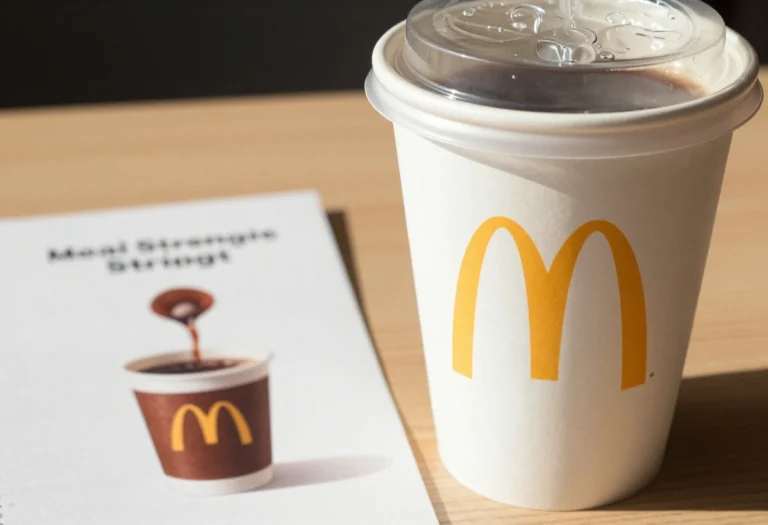
As a physician, I regularly ask my patients about their morning routines, and the drive-thru is almost always mentioned. Recently, a patient in my clinic complained of severe midday heart palpitations and anxiety.
After a thorough lifestyle review, we discovered her symptoms were directly linked to her misunderstanding of the McDonald’s coffee caffeine content in her daily order. She assumed that a fast-food coffee was weak, so she was drinking two large cups every single morning.
Understanding exactly what is in your cup is vital for protecting your nervous system and maintaining steady energy levels. Many people unknowingly consume massive amounts of stimulants hidden in sweet, blended drinks.
Therefore, we need to break down the exact milligrams found in every cup size, iced beverage, and blended frappe on the menu. Let us dive into the clinical numbers so you can make empowered, heart-healthy choices during your next morning commute.
TL;DR (Quick Overview)
- McDonald’s brewed coffee contains roughly 95 mg (small), 120 mg (medium), and 145 mg (large) of caffeine.
- Iced coffees and blended frappes vary significantly based on milk, ice dilution, and sugary syrups.
- A medium Mocha Frappe contains about 100 mg of active stimulants.
- These fast-food beverages offer a moderate stimulant level compared to stronger coffeehouse chains.
- The FDA considers 400 mg of caffeine per day as a safe upper limit for most healthy adults.
McDonald’s Coffee Caffeine Content by Size
When my patients ask me to help them track their daily stimulant intake, we always start with portion sizes. The exact McDonald’s coffee caffeine content mg depends entirely on the physical volume of the cup you order.
Unlike specialty coffee shops that add extra espresso shots to larger sizes, this fast-food chain uses a standard drip brew method. This means the concentration of the brew remains relatively consistent across the board. The total stimulant load simply increases because you are drinking more liquid ounces.
Understanding McDonald’s coffee cup sizes is the first step in managing your daily energy effectively. If you order a standard McDonald’s small coffee oz, which is approximately 12 ounces, you are consuming roughly 95 mg of caffeine.
This is actually a very reasonable and mild dose to start your morning. It provides a gentle awakening for your central nervous system without causing immediate jitters. However, the numbers climb quickly as you size up your order.
| Drink Size | Caffeine (Approx.) |
| Small (12 oz) | ~95 mg |
| Medium (16 oz) | ~120 mg |
| Large (20 oz) | ~145 mg |
Many people specifically wonder how much caffeine in McDonalds coffee large servings actually exists. At 20 fluid ounces, a large cup delivers approximately 145 mg to your bloodstream.
If you drink two of these large cups during a busy morning commute, you are nearing 300 mg of caffeine. This puts you very close to the FDA’s maximum recommended daily limit before noon. Therefore, I highly recommend sticking to the small or medium sizes if you plan to consume other caffeinated products later in the day.
McDonald’s Coffee Caffeine Content: Canada vs U.S.

Many of my traveling patients wonder if their favorite morning brew changes when they cross the border. When analyzing McDonald’s coffee caffeine content Canada data against U.S. numbers, the results are remarkably similar.
The corporation maintains highly strict, standardized brewing protocols across North America to ensure flavor consistency. Therefore, you will not experience a drastic change in stimulant strength whether you are in Toronto or Chicago.
However, slight, almost unnoticeable variations can occur due to regional bean sourcing and minor differences in municipal water profiles. Ultimately, you can confidently rely on the standard measurement chart regardless of which North American country you are visiting.
How Much Caffeine in McDonald’s Iced Coffee (Medium Size)
During the hot summer months, iced beverages become incredibly popular among my clinic patients. They frequently ask exactly how much caffeine in McDonald’s iced coffee medium orders they are consuming.
A standard medium iced coffee contains approximately 100 to 120 mg of active caffeine. Interestingly, the presence of ice physically displaces some of the liquid coffee in the plastic cup.
This ice dilution slightly reduces the overall concentration compared to a hot beverage of the exact same physical size. However, adding sweet liquid syrups or heavy cream does not magically neutralize or erase the existing caffeine content.
McDonald’s Frappes & Caffeine Content
Blended, sugary beverages are a completely different metabolic conversation in my medical practice. People often treat them like harmless milkshakes, completely forgetting they contain potent coffee bases.
Understanding exactly how much caffeine is in a McDonald’s Mocha frappe is crucial because the sugar masks the bitter stimulant taste. A standard medium Mocha Frappe contains roughly 100 mg of caffeine.
Similarly, patients ask how much caffeine is in a McDonald’s caramel frappe when they want a sweeter option. The caramel version usually ranges between 75 and 100 mg, depending on the exact syrup pump ratio used by the barista.
The McDonald’s mocha frappe caffeine load comes directly from a specialized coffee extract base blended with heavy ice. Therefore, the McDonald’s medium Caramel frappe caffeine content is lower than a standard hot drip coffee but still highly stimulating.
You must remember that not all frappes are created equal, and their heavy syrup formulation dramatically spikes your blood sugar. This subsequent sugar crash often makes you feel more fatigued than before you drank it.
Does McDonald’s Frappe Have Caffeine?
The short clinical answer is yes, absolutely. Unless a specific blended drink is explicitly labeled as a caffeine-free vanilla or fruit smoothie, you should assume it contains stimulants.
Most McCafé frappes utilize a highly concentrated coffee base to achieve their signature roasted flavor profile. Therefore, you should never give these blended coffee beverages to young children, as their nervous systems are highly sensitive.
McDonald’s Coffee Caffeine Levels
When evaluating overall McDonald’s coffee caffeine levels, I classify them as a moderate-strength option. They are specifically formulated to appeal to a very broad, general consumer palate.
They do not intentionally over-extract their coffee beans to create aggressively strong, bitter profiles. This makes their standard drip brew a relatively safe, predictable choice for people managing mild anxiety or slight blood pressure issues.
McDonald’s Coffee vs Other Chains
To truly understand your daily intake, it helps to compare this brand against other popular morning stops. The fast-food giant generally offers a much milder brew compared to dedicated, specialty coffeehouses.
| Brand | Caffeine (Medium) |
| McDonald’s | ~120 mg |
| Dunkin’ | ~150 mg |
| Starbucks | ~165 mg |
As you can clearly see, choosing the golden arches for your morning routine actually spares you several milligrams of stimulants. If my patients are trying to slowly taper down their daily caffeine dependence, I often suggest switching to this milder fast-food option first.
McDonald’s Coffee Roasted Brands
A major part of understanding stimulant strength involves looking at the raw ingredients used. To maintain their specific flavor profile, the company strictly uses a blend of 100% Arabica beans.
If you research McDonald’s roasted coffee brands, you will find they heavily favor a standard medium roast profile. This medium roasting process allows for a very balanced, highly predictable caffeine extraction during the brewing cycle.
Darker roasts actually burn off slightly more caffeine during the roasting process, contrary to popular consumer belief. By sticking to a medium roast, the chain ensures every cup delivers a steady, reliable chemical lift.
Cost of Coffee at McDonald’s + Promotions
Beyond basic nutrition, the cost of coffee at McDonald’s heavily influences how much people actually drink. It remains one of the lowest-cost, most highly accessible coffee options in the modern fast-food landscape.
Furthermore, patients often mention finding a McDonald’s coffee on sale through the company’s mobile application. Because it is so highly affordable, people are naturally tempted to buy larger sizes or multiple cups per day.
I always remind my patients that a cheap price tag should never dictate their daily dietary or stimulant choices. Buying a massive beverage simply because it is on sale can negatively impact your long-term cardiovascular health.
McDonald’s Coffee Nutrition Facts
As a physician, I look closely at the complete nutritional profile of a beverage, not just the stimulants. A standard cup of plain, black drip coffee is remarkably healthy, containing zero to five total calories.
The baseline caffeine levels range predictably from 95 to 145 mg depending entirely on your chosen cup size. Furthermore, black coffee contains absolutely zero grams of sugar naturally.
However, the moment you add liquid sweeteners, caramel drizzles, and heavy cream, you instantly transform a healthy beverage into a high-calorie dessert. Always review the complete nutritional label if you are actively managing your weight or blood sugar levels.
Health Perspective: Caffeine Safety
Let us discuss the clinical mechanism of action occurring inside your brain when you drink your morning brew. Caffeine functions primarily by temporarily blocking your brain’s adenosine receptors.
Adenosine is the specific neurotransmitter that naturally builds up throughout the day to make you feel properly sleepy. By blocking these receptors, the beverage forces central nervous system stimulation and significantly increases your perceived alertness.
While this is highly useful for waking up, artificial stimulation can easily mask true, deep physical exhaustion. You cannot simply out-drink a severe lack of restorative nighttime sleep.
Safe Daily Caffeine Intake

Public health organizations provide very clear, evidence-based guidelines regarding safe daily stimulant consumption. Both the FDA and Health Canada strongly advise that healthy adults consume no more than 400 mg per day.
To put this into a clinical perspective, one single large McDonald’s coffee consumes roughly 35% of your total daily safe limit.
If you drink two large cups, you are already nearing the absolute maximum threshold before eating lunch. Pregnant individuals are strictly advised by medical professionals to keep their total daily intake well under 200 mg.
Risks of Excess Caffeine Intake
Consuming too much of any powerful stimulant inevitably leads to highly uncomfortable physiological side effects. In my clinic, the most common symptom of overconsumption is severe, lingering generalized anxiety.
Additionally, drinking caffeinated beverages past two o’clock in the afternoon almost guarantees eventual sleep disruption and insomnia. Many patients also report a highly elevated, racing heart rate and occasional muscle tremors.
Over a long period of time, chronic high consumption easily leads to a severe physical and behavioral dependence. If you try to suddenly quit, you will likely experience debilitating withdrawal headaches for several days.
Who Should Limit McDonald’s Coffee Intake
While generally recognized as safe, certain medical populations must exercise extreme caution with these drive-thru beverages. Pregnant individuals must actively track their milligrams to protect fetal development.
Furthermore, patients formally diagnosed with generalized anxiety disorders often find that even a small cup triggers panic symptoms. If you have a known, pre-existing heart condition or clinical hypertension, you should always consult your cardiologist before consuming stimulants.
Finally, highly sleep-sensitive individuals should enforce a strict afternoon cut-off time to protect their circadian rhythms.
McDonald’s Coffee Reddit Opinions
Sometimes, the best insights come directly from everyday consumer experiences online. When browsing mcdonald’s coffee caffeine content reddit threads, you see a very clear consensus among daily drinkers.
The vast majority of online users heavily praise the brand for its incredible daily value and consistent taste. Medically speaking, users frequently describe the drink as providing a “mild but highly reliable caffeine boost.”
They generally agree it does not cause the severe, uncomfortable jitters often associated with stronger specialty coffeehouse brews. This anecdotal consumer evidence perfectly aligns with the moderate clinical milligram counts we discussed earlier.
Frequently Asked Questions
How much caffeine is in McDonald’s large coffee?
A standard large, 20-ounce cup contains approximately 145 mg of active stimulants. This makes it a moderate-strength beverage compared to other brands.
Does McDonald’s iced coffee have caffeine?
Yes, it absolutely does. Depending on the size and ice ratio, a medium usually contains roughly 100 to 120 mg.
How much caffeine is in a McDonald’s frappe?
This depends heavily on the specific flavor profile. However, you can expect around 75 to 100 mg in a standard medium size.
Is McDonald’s coffee strong?
Medically and chemically speaking, it is considered a moderate brew. It is noticeably less potent than a standard drip coffee from Starbucks.
Can I drink it while pregnant?
You can consume it in strict moderation. Always ensure your total daily intake from all sources stays well below 200 mg.
Conclusion
Understanding what goes into your daily cup of coffee is an essential part of managing your long-term cardiovascular and metabolic health. As we have explored throughout this comprehensive guide, the exact stimulant measurements vary significantly depending on your specific daily order.
Whether you prefer a simple black brew or a blended sweet treat, strict moderation remains the ultimate key to lasting wellness. Choosing a smaller size or skipping extra espresso shots can drastically reduce your daily stimulant load. By actively tracking your exact intake, you avoid the uncomfortable jitters and afternoon energy crashes that plague so many working professionals today.
Remember that your body metabolizes these complex compounds differently based on your unique genetics and daily hydration levels. Always listen to your body’s subtle physical cues if you start feeling unnecessarily anxious or restless after a trip to the drive-thru.
As a dedicated medical professional, I always encourage my clinic patients to balance their favorite morning beverages with plenty of fresh water and a nutritious breakfast.
You can absolutely still enjoy your favorite fast-food morning rituals without compromising your restorative sleep cycle. Simply make informed, conscious decisions about your portion sizes. Prioritize your heart health, stay hydrated, and enjoy your coffee safely.
Evidence-Based Reference:
- U.S. Food and Drug Administration (FDA) – Spilling the Beans: How Much Caffeine is Too Much?
- Mayo Clinic – Caffeine: How much is too much?
- Harvard T.H. Chan School of Public Health – The Nutrition Source: Caffeine
- American Heart Association – Caffeine and Heart Disease
Related Posts






Subscribe for New Racipies
Get mental health tips, updates, and resources delivered to your inbox.