
Is Water Acidic? pH of Water and Its Effects on Health

Medically reviewed by Aneeza Pervez Updated Date: May 13, 2026

Have you ever thought about the pH of the water you drink? While water may seem like the simplest beverage, its pH—whether acidic, neutral, or alkaline—plays a vital role in its safety, taste, and health benefits. The pH of water is a measure of how acidic or alkaline it is, with a neutral value of 7 sitting right in the middle of the pH scale. But here’s the catch: most water isn’t perfectly neutral. Factors like environmental conditions, pollutants, and even treatment processes can tip the scale, making water more acidic or alkaline.
Why does this matter? The pH of your water can affect more than just its taste. It influences how water interacts with your body, your plumbing, and even the environment. In this article, we’ll dive deep into water’s pH, its effects on health, and how to manage its levels to suit your needs.
Is Water Acidic?
When you think about water, you might picture a cool, refreshing drink on a hot day. But have you ever wondered if water can be acidic or even alkaline? Understanding the pH of water is not just a scientific curiosity—it’s a key factor in its taste, health effects, and role in your daily life.
Water’s acidity or alkalinity is determined by its pH level, which measures how acidic or basic a substance is on a scale from 0 to 14. Neutral water has a pH of 7, while anything below this is considered acidic, and above 7 is alkaline. This balance can influence everything from the way your coffee tastes to how your body processes minerals.
But why does it matter if water is acidic or not? The pH level of water can impact its safety, its interaction with your plumbing, and even its potential effects on your health. So, let’s dive deeper into the science of pH and how it applies to the water we drink.
What Does pH Mean?
The term “pH” might sound like something out of a chemistry textbook, but it’s actually quite simple and has practical implications in everyday life.
The pH Scale Explained
The pH scale measures how acidic or basic a substance is. It ranges from 0 to 14, with 7 being neutral. Substances with a pH below 7 are acidic, and those with a pH above 7 are alkaline or basic.
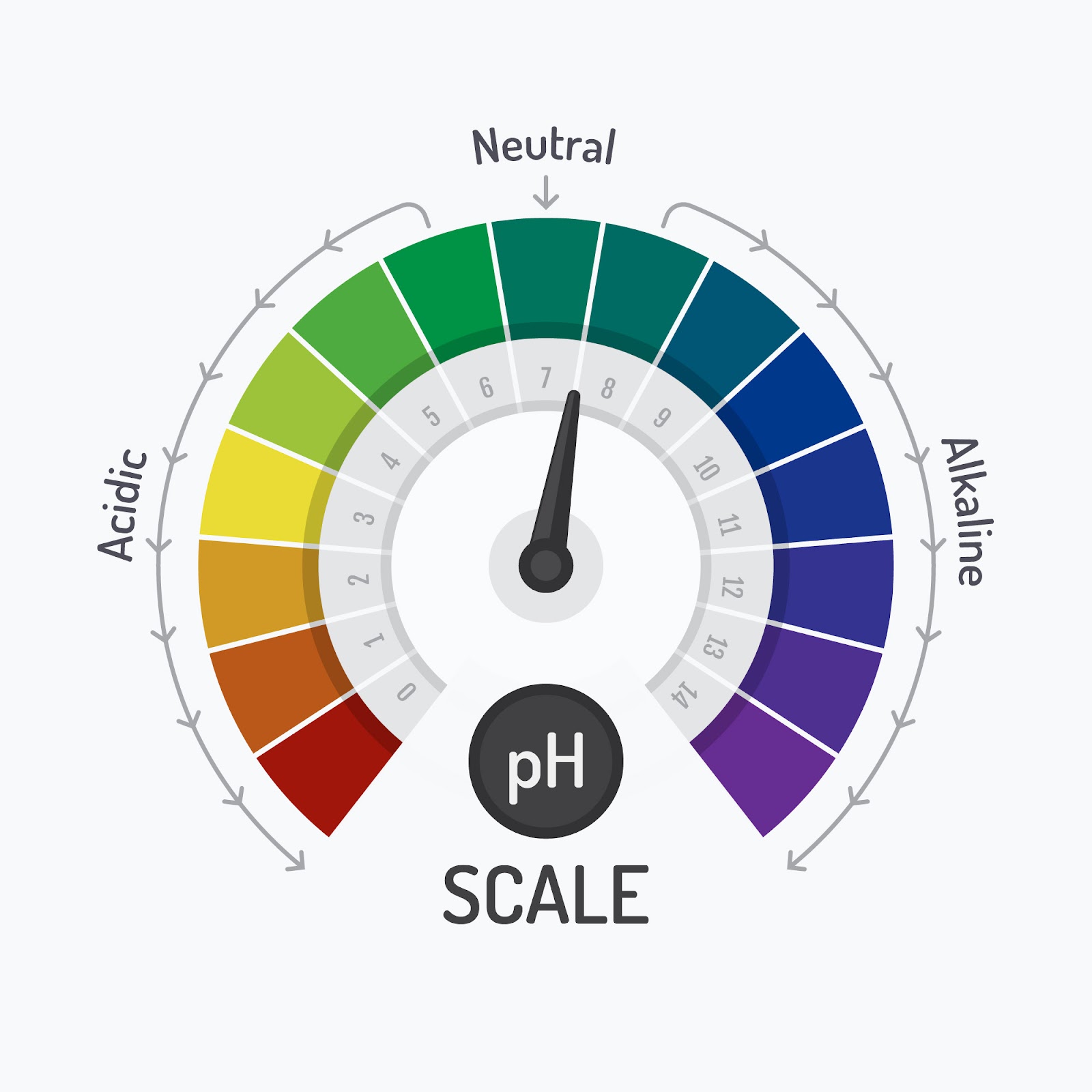
Here’s a quick breakdown:
- 0–3: Strong acids like battery acid and stomach acid.
- 4–6: Mildly acidic substances like coffee, orange juice, and vinegar.
- 7: Neutral substances, the most common example being pure water.
- 8–10: Mildly alkaline solutions like baking soda and soapy water.
- 11–14: Strong bases like bleach and drain cleaner.
The pH scale is logarithmic, meaning each step represents a tenfold difference in acidity or alkalinity. For instance, a pH of 5 is ten times more acidic than a pH of 6.
Neutral, Acidic, and Alkaline Substances
To understand water’s position on the pH scale, it’s helpful to compare it to other familiar substances:
- Acidic examples: Lemon juice (~pH 2), vinegar (~pH 3), and black coffee (~pH 5).
- Neutral example: Pure water at pH 7.
- Alkaline examples: Baking soda (~pH 9) and soapy water (~pH 10).
While pure water is neutral, most water you encounter isn’t exactly pH 7. Tap water, for example, might have a slightly alkaline pH due to added minerals and treatment processes.
Author Tip: Are Watermelons Healthy?
The pH of Water: Is It Acidic, Neutral, or Alkaline?
You might be surprised to learn that the pH of water isn’t always neutral. Factors like source, treatment, and environmental conditions play a huge role in its acidity or alkalinity.
Factors Influencing Water’s pH
Water’s pH can vary significantly depending on its source and exposure to natural or artificial factors:
- Minerals: Water from areas rich in limestone tends to be more alkaline due to calcium carbonate.
- Pollutants: Industrial runoff and acid rain can lower pH, making water more acidic.
- Carbon dioxide: CO2 in the atmosphere dissolves into water, forming carbonic acid, which can lower the pH.
- Treatment processes: Municipal water often has chemicals added to adjust its pH for safety and taste.
Rainwater, for example, has a slightly acidic pH around 5.5–6 due to CO2 absorption, while seawater is alkaline at about 8 due to dissolved salts.
Tap Water vs. Natural Water pH
Tap water and natural water can have very different pH profiles:
- Tap Water: Typically ranges between pH 6.5 and 8.5, depending on local water treatment practices. Chemicals like chlorine or sodium bicarbonate are often added to stabilize the pH.
- Natural Water Sources: Lakes, rivers, and groundwater vary widely in pH, often influenced by local geology, vegetation, and pollution levels. Some spring waters are alkaline, while others may lean acidic.
Understanding these differences is key to choosing the right water for your needs and preferences.
Is Acidic Water Safe to Drink?
When it comes to drinking water, most people assume that clear and tasteless equals safe. However, water with a low pH, or acidic water, may have health implications worth considering.
Potential Health Effects of Acidic Water
Drinking acidic water (pH below 7) isn’t inherently dangerous, but it can have potential downsides. Here are some of the key concerns:
- Dental Health: Acidic water may erode tooth enamel over time, especially if consumed regularly. This can lead to increased sensitivity and cavities.
- Digestive Comfort: For individuals with acid reflux or GERD, drinking acidic water might exacerbate symptoms.
- Mineral Deficiency: Acidic water can sometimes lack essential minerals like calcium and magnesium. This is especially true for filtered or distilled acidic water, which may leach minerals from your body over time.
- Corrosion Risks: While not a direct health issue, acidic water can corrode pipes and fixtures, potentially introducing harmful metals like lead or copper into your drinking water.
On the other hand, mildly acidic water (such as natural spring water) can offer some benefits. It might help digestion and detoxification due to its mineral content. Understanding your water source and testing its pH is essential to gauge its safety for long-term consumption.
How to Test and Adjust Your Water’s pH?
Whether you’re concerned about acidic water or just curious, testing your water’s pH is a straightforward process. With a few tools and techniques, you can ensure your water meets your health and safety standards.
Methods to Test Water’s pH
- Litmus Paper: A quick and inexpensive option. Dip a strip into the water and compare the resulting color to a pH scale chart.
- Digital pH Meters: These offer precise readings and are a good investment for regular monitoring. Simply immerse the probe in water and read the digital display.
- Chemical Test Kits: Commonly used for pools, these kits can also work for tap and drinking water. They use a reagent that changes color based on the pH level.
Ways to Adjust Water’s pH
If your water’s pH isn’t ideal, here’s how you can balance it:
- Raise pH (Make Water More Alkaline):
- Add alkaline drops or baking soda to the water.
- Use a water ionizer or alkaline water filter.
- Lower pH (Make Water More Acidic):
- Add a few drops of lemon juice or vinegar (mostly for non-drinking purposes).
- Install reverse osmosis systems for precise control.
Regular testing and occasional adjustments help ensure your water is safe and suitable for consumption and daily use.
FAQs
1. What is the ideal pH of drinking water?
The World Health Organization (WHO) recommends a pH range of 6.5 to 8.5 for safe drinking water.
2. Can acidic water damage plumbing or appliances?
Yes, acidic water can corrode pipes and fixtures, leading to leaks and the release of harmful metals like lead.
3. How does bottled water compare to tap water in pH?
Bottled water often falls within the 6.5–7.5 pH range but can vary. Alkaline water brands usually have a higher pH, around 8–9.
4. Is alkaline water better than neutral water for health?
Alkaline water is believed to aid hydration and neutralize acidity in the body, but more research is needed to confirm these claims.
5. What role does pH play in water’s taste?
Water with a slightly acidic pH can taste crisp and refreshing, while alkaline water often has a smoother, less sharp flavor.
Conclusion
Understanding the pH of water is more than a scientific curiosity—it’s essential for your health and well-being. Whether your water is acidic, neutral, or alkaline, knowing its pH helps you make informed decisions about its safety, taste, and potential health effects. Acidic water may have risks, such as dental erosion and mineral loss, while alkaline water offers potential benefits for hydration. Testing and adjusting your water’s pH is simple and ensures it meets your needs. Stay informed, and you’ll always enjoy water that’s both refreshing and safe.
Related Posts


Subscribe for New Racipies
Get mental health tips, updates, and resources delivered to your inbox.
Are Pineapples Acidic? Pineapple and Acid Reflux [Good or Bad]

Pineapple is a tropical delight enjoyed worldwide for its sweet and tangy flavor. But if you’re prone to acid reflux, you might be wondering, “Are pineapples acidic?”
The short answer is yes. But the relationship between pineapple and acid reflux is more nuanced than a simple yes or no.
This article dives deep into the acidity of pineapples, their potential effects on acid reflux, and how you can enjoy this tropical fruit responsibly.
What is Acid Reflux?
Acid reflux, also known as heartburn or gastroesophageal reflux (GER), occurs when stomach acid flows back up into the esophagus.
This backflow irritates the esophageal lining, causing a burning sensation in the chest. Frequent or severe acid reflux can lead to gastroesophageal reflux disease (GERD), a more serious condition.
The Acidity of Pineapples: The pH Factor
pH is a scale that measures how acidic or alkaline a substance is. The scale ranges from 0 to 14, with 0 being the most acidic, 7 being neutral, and 14 being the most alkaline. Pineapples typically have a pH between 3.3 and 3.6, making them quite acidic. For comparison:
| Food | Approximate pH |
| Lemon Juice | 2.0-2.4 |
| Pineapple | 3.3-3.6 |
| Tomatoes | 4.3-4.9 |
| Bananas | 4.5-5.2 |
| Water | 7.0 (Neutral) |
This acidity is primarily due to citric acid and other organic acids present in the fruit.
Pineapple and Acid Reflux: The Potential Problems
Because of their acidity, pineapples can potentially trigger or worsen acid reflux symptoms in some individuals. The high acid content can irritate the already inflamed esophageal lining.
Bromelain: A Double-Edged Sword
Pineapples contain bromelain, an enzyme with anti-inflammatory properties. Some studies suggest bromelain may actually help with certain digestive issues. However, in the context of acid reflux, the potential irritating effect of the fruit’s acidity might outweigh the benefits of bromelain for some.
Who is Most Likely to Experience Acid Reflux from Pineapple?
- Individuals with pre-existing GERD: Those with a history of frequent or severe acid reflux are more susceptible.
- Those with sensitive stomachs: Some people naturally have more sensitive digestive systems.
- Eating large quantities of pineapple: Consuming a large amount of pineapple at once can increase the likelihood of experiencing discomfort.
- Eating unripe pineapple: Unripe pineapples tend to be even more acidic.
Related to Read: Are Pineapple Juices Acidic
Tips for Enjoying Pineapple with Acid Reflux (If You Can)
If you love pineapple but are concerned about acid reflux, here are some tips:
- Eat pineapple in moderation: A small portion is less likely to cause problems than a large serving.
- Choose ripe pineapple: Ripe pineapples are generally less acidic than unripe ones.
- Eat pineapple with other foods: Combining pineapple with less acidic foods can help buffer its acidity.
- Avoid eating pineapple on an empty stomach: Eating it after a meal can help reduce its impact.
- Pay attention to your body: If you notice heartburn or other symptoms after eating pineapple, it’s best to avoid it or consume it very sparingly.
- Consider taking antacids: If you occasionally want to enjoy pineapple, taking an antacid beforehand may help prevent symptoms.
Author Tip: 7-Day Meal Plan For Gastritis
When to See a Doctor
If you experience frequent or severe acid reflux, regardless of pineapple consumption, it’s essential to consult a doctor. They can diagnose the underlying cause and recommend appropriate treatment.
FAQs
Is pineapple juice bad for acid reflux?
Yes, pineapple juice is also acidic and can have similar effects as eating the fruit itself.
Can pineapple help with digestion?
Bromelain in pineapple can aid in digestion, but this doesn’t negate the potential for acid reflux in susceptible individuals.
Are there any less acidic fruits I can eat instead?
Melons (cantaloupe, honeydew), bananas, and pears are generally less acidic.
Does cooking pineapple reduce its acidity?
Cooking can slightly reduce acidity, but it won’t eliminate it.
Conclusion
Pineapples are indeed acidic, and they can potentially trigger or worsen acid reflux in some people. However, by following the tips outlined in this article, many individuals can still enjoy this delicious fruit in moderation. If you have concerns about acid reflux, it’s always best to consult with a healthcare professional.
Related Posts
Subscribe for New Racipies
Get mental health tips, updates, and resources delivered to your inbox.