
Almond Oil and Acid Reflux: Is It Acidic or a Soothing Remedy?

Medically reviewed by Aneeza Pervez Updated Date: January 1, 2026
Introduction: Almond Oil—A Kitchen Staple with Growing Popularity
Almond oil is a beloved ingredient in many households, known for its nutty flavor and wide-ranging health benefits. Whether used for cooking, skincare, or medicinal purposes, it’s hailed as a versatile, nutrient-packed oil. However, for those suffering from acid reflux, one burning question often arises: Is almond oil acidic, and can it aggravate reflux symptoms?
Diet plays a crucial role in managing acid reflux, and understanding the acidity or alkalinity of foods is essential. This article dives deep into the properties of almond oil, its effects on acid reflux, and how it can be safely incorporated into a reflux-friendly diet. By the end, you’ll know whether almond oil is a friend or foe for your digestive health.
What Makes Almond Oil Unique?
What Is Almond Oil? A Nutritional Overview
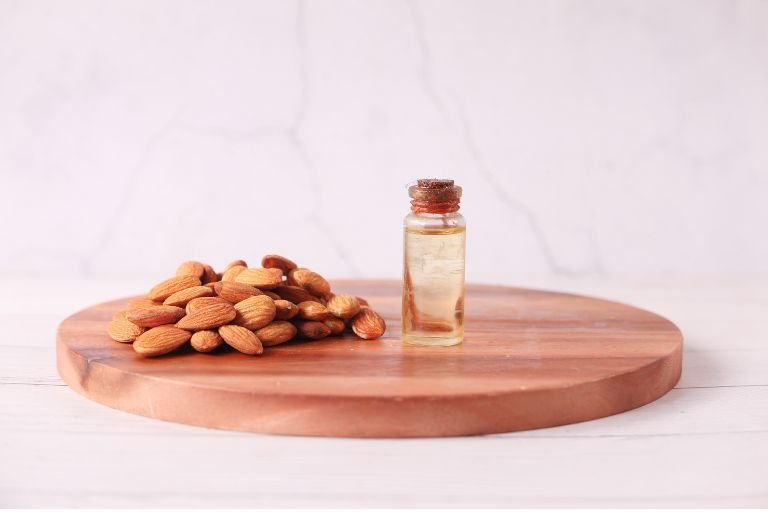
Almond oil is extracted from almonds, either by cold-pressing or refining methods. The result is a light, golden oil with a mild, nutty flavor. There are two main types of almond oil:
- Sweet Almond Oil: Commonly used in cooking and baking, as well as in skincare products.
- Bitter Almond Oil: Typically used in medicinal applications and not recommended for consumption.
Sweet almond oil, the focus of this article, is rich in monounsaturated fats, vitamins, and antioxidants, making it a popular choice for heart-healthy diets and natural remedies. Its nutritional profile is often touted for promoting skin health, reducing inflammation, and supporting weight management.
Nutritional Profile of Almond Oil
Almond oil is not only flavorful, but also packed with nutrients that make it beneficial for overall health. Its key components include:
- Healthy Fats: High in monounsaturated fats (approximately 70%) and low in saturated fats, almond oil supports heart health.
- Vitamin E: A powerful antioxidant that helps protect cells from oxidative stress.
- Omega-9 Fatty Acids: Linked to reducing inflammation and supporting brain health.
While almond oil lacks fiber or protein (unlike whole almonds), its healthy fats and antioxidants can support digestion and reduce inflammation, both of which are important for acid reflux sufferers.
Is Almond Oil Acidic or Alkaline?
The pH of Almond Oil: Acidic, Neutral, or Alkaline?
When it comes to pH levels, almond oil is considered neutral to mildly alkaline. Unlike acidic foods that can irritate the esophagus and worsen reflux symptoms, almond oil is less likely to cause discomfort.
Almond oil’s alkalinity makes it a potential soothing agent for the digestive tract, helping to balance stomach acidity. However, the way it interacts with acid reflux largely depends on how it’s consumed and paired with other foods.
Acidic vs. Alkaline Foods: Why It Matters for Acid Reflux?
Acid reflux occurs when stomach acid flows back into the esophagus, causing symptoms like heartburn, regurgitation, and chest discomfort. Acidic foods, such as citrus fruits and tomatoes, can worsen these symptoms by increasing stomach acidity or irritating the esophageal lining.
Alkaline foods, on the other hand, help neutralize stomach acid and reduce the risk of reflux episodes. Almond oil’s neutral to mildly alkaline nature makes it less likely to trigger acid reflux, especially when consumed in moderation.
Author Tip: 7 Kinds of Foods to Avoid with GERD
How Almond Oil Affects Acid Reflux?
Benefits of Almond Oil for Acid Reflux
Research suggests that almond oil can offer several benefits for individuals managing acid reflux:
- Soothing Properties: Its mild alkalinity can help neutralize excess stomach acid, reducing reflux symptoms.
- Anti-Inflammatory Effects: Almond oil contains antioxidants and healthy fats that may reduce inflammation in the esophagus caused by acid exposure.
- Support for Digestion: Healthy fats in almond oil promote smooth digestion, which can lower the risk of reflux.
Additionally, almond oil is easy to incorporate into a reflux-friendly diet due to its versatility in cooking and baking.
When Almond Oil Might Worsen Symptoms?
While almond oil is generally safe for acid reflux sufferers, it may not be suitable for everyone. Here’s why:
- Overconsumption: High-fat foods, even healthy ones, can relax the lower esophageal sphincter (LES), allowing stomach acid to flow back into the esophagus.
- Individual Sensitivities: Some individuals may find that even neutral foods like almond oil trigger symptoms.
- Pairing with Trigger Foods: Almond oil used with acidic or spicy ingredients may still aggravate reflux.
Tips for Adding Almond Oil to a Reflux-Friendly Diet
Choose the Right Type of Almond Oil
Opt for high-quality, cold-pressed almond oil, as it retains more nutrients and is free from harmful additives. Avoid bitter almond oil, as it is not meant for culinary use and may contain toxic compounds.
Use Almond Oil in Cooking
Here are some reflux-friendly ways to incorporate almond oil into your diet:
- Drizzle on Salads: Use almond oil as a mild dressing paired with alkaline vegetables like cucumbers and spinach.
- Cooking Oil Substitute: Replace butter or other high-fat oils with almond oil for sautéing or baking.
- Smoothies: Add a teaspoon of almond oil to smoothies with alkaline ingredients like bananas and almond milk.
Practice Portion Control
Stick to small amounts of almond oil (1–2 teaspoons per meal) to avoid overloading your digestive system. Moderation is key to reaping the benefits of almond oil without triggering reflux symptoms.
Alternative Oils for Acid Reflux Sufferers
Reflux-Friendly Oils to Consider
If almond oil doesn’t suit your needs, there are other oils that are reflux-friendly:
- Olive Oil: A staple in Mediterranean diets, known for its mild flavor and high monounsaturated fat content.
- Avocado Oil: Neutral in flavor and rich in healthy fats, perfect for high-heat cooking.
- Coconut Oil: While higher in saturated fats, it can be used in moderation for those who tolerate it well.
Oils to Avoid for Acid Reflux
Not all oils are created equal. High-fat or heavily processed oils like palm oil, butter, and margarine can trigger reflux symptoms and should be avoided by sensitive individuals.
Lifestyle Tips to Manage Acid Reflux Alongside Almond Oil
Adopt Healthy Eating Habits
- Eat smaller, more frequent meals to prevent overeating.
- Avoid lying down immediately after meals to minimize reflux episodes.
- Chew your food thoroughly to aid digestion.
Identify and Avoid Triggers
Common acid reflux triggers include spicy foods, caffeine, chocolate, and alcohol. Identifying and minimizing these triggers can make a significant difference in managing symptoms.
Incorporate Physical Activity
Regular exercise can improve digestion and help maintain a healthy weight, both of which are crucial for reducing reflux episodes. Opt for low-impact activities like walking or yoga to avoid putting pressure on the abdomen.
Conclusion: Is Almond Oil Safe for Acid Reflux?
Almond oil is a nutrient-rich, versatile oil that is neutral to mildly alkaline, making it a generally safe choice for acid reflux sufferers. Its anti-inflammatory properties, healthy fats, and soothing effects on the digestive tract make it a valuable addition to a reflux-friendly diet.
However, like any food, it’s essential to consume almond oil in moderation and pay attention to how your body reacts. By choosing high-quality almond oil and using it in reflux-friendly recipes, you can enjoy its benefits without triggering uncomfortable symptoms.
FAQs: Almond Oil and Acid Reflux
Q1: Is almond oil acidic or alkaline?
Almond oil is neutral to mildly alkaline, making it a safer option for acid reflux sufferers compared to acidic oils.
Q2: Can almond oil worsen acid reflux?
Almond oil is unlikely to worsen acid reflux when consumed in moderation. However, overconsumption or pairing it with trigger foods may cause discomfort.
Q3: How should I use almond oil if I have acid reflux?
Use almond oil in small amounts for sautéing, as a salad dressing, or blended into smoothies with alkaline ingredients.
Q4: Are there other oils better than almond oil for acid reflux?
Olive oil and avocado oil are excellent alternatives for acid reflux sufferers due to their mild flavor and healthy fat content.
Q5: Should I avoid all oils if I have acid reflux?
No, not all oils need to be avoided. Focus on healthy, reflux-friendly oils like almond oil, olive oil, and avocado oil, and practice portion control.
Related Posts



Subscribe for New Racipies
Get mental health tips, updates, and resources delivered to your inbox.
Firecracker Rice Krispie Treats



It’s almost time for the 4th of July. Time for picnics, cookouts, parades, and fireworks. Why not make some cute treats with the kids to celebrate. There is lots of fun packed into these Firecracker Rice Krispie Treats. They are full of strawberry marshmallows, sprinkles, colored frosting, blue and red Twizzlers, and Pop Rocks. Kids will enjoy decorating and eating these.
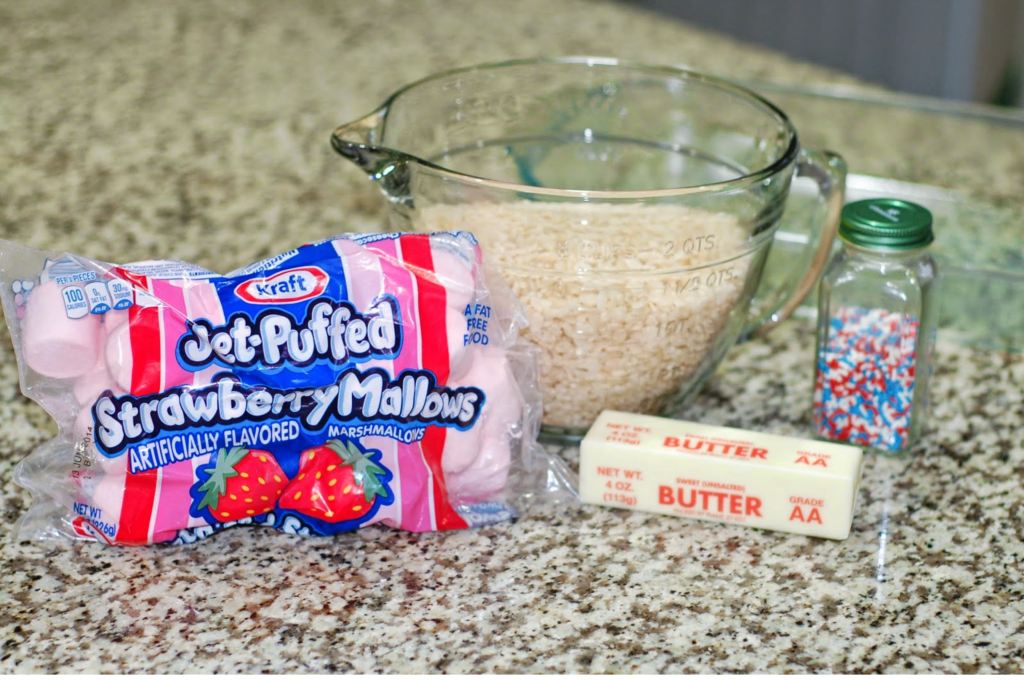
I used strawberry flavored marshmallows for these treats because that’s what I had on hand and I like the pick color it gives the Rice Krispies. For the sprinkles, I didn’t add them directly into the hot marshmallows because I didn’t want them to melt into one color. They did melt a little, but you can still distinguish the reds and blues.

For the frosting I used Wilton’s Buttercream in a stiff consistency. I used Wilton’s clear vanilla to keep the color bright white. Feel free to save yourself some time and buy a can of ready made white frosting if you like.

I found red, white and blue Twizzlers Pull n’ Peel. I separated out the colors and only used blue and red. I used Cake Mate decorating icing in shimmering red and blue (don’t forget to buy the screw on tips). You can also use gel icing or cookie icing. I only ended up using the red Pop Rocks because the blue ones were more of a light green. Once the frosting was set and the treats were cut into rectangles, I pressed the piece of Twizzlers into the icing and covered it back up with my fingers. The frosting is pretty malleable at this point.

Then decorate however you like and sprinkle with Pop Rocks at the end. You can add more sprinkles too. If you are making these ahead of time don’t add the Pop Rocks until you are ready to serve because they do react with the frosting and end up melting. You want to make sure they keep their POP. You can add as little or as much as you want.
You don’t have to add the lollipop sticks, but if you do, you want to do it before you start decorating. And you are going to want to dip the tip of the stick into some melted candy coating before inserting it into the Rice Krispie treat. This will help make it more secure. You can use paper straws the same way. Come on, it’s time to get creative!
Firecracker Rice Krispie Treats
by The Sweet Chick
Prep Time: 30 minutes
Cook Time: 5 minutes
Keywords: no bake snack dessert rice krispies marshmallows frosting Twizzlers July 4th rice krispie treats American summer
Ingredients (27 treats)
For the treats
- 3 tablespoons butter
- 1 bag (8 oz.) Jet-Puffed Strawberry Mallows
- 5 cups Rice Krispies cereal
- 1/4 cup red, white, and blue sprinkles
For the frosting
- 1 cup vegetable shortening
- 1 teaspoon clear vanilla extract
- 2-3 tablespoons milk or water
- 4 cups confectioner’s sugar
- 1 tablespoon meringue powder.
For the toppings
- 1 package (12 oz.) Twizzlers Pull ‘n’ Peel candy in red, white, and blue
- 1 package (6 oz.) Cake Mate Glitter Icing in Shimmering Red
- 1 package (6 oz.) Cake Mate Bakery Icing in blue
- 1 package Cake Mate decorating tips
- 2-3 packages (0.24 oz. each) Pop Rocks in red
- 1/4 cup red. white, and blue sprinkles
Instructions
For the treats
In a large sauce pan, melt butter and marshmallows over low heat. Stir until completely melted.
Remove from heat , add the Rice Krispies and the sprinkles. Mix until all is well incorporated.
Then pour the mixture into a greased 9 x 13 pan or a cookie sheet and spread it evenly with a piece of waxed paper.
Place in fridge to cool and set.
For the frosting
In a stand mixer, cream together the vegetable shortening, vanilla, and 2 tablespoons milk/water.
Add the sugar and meringue powder and mix on low until the frosting comes together. If the frosting is too dry, add another tablespoon of milk/water. You want the consistency to be smooth and spreadable, but not too thin.
With a spatula, spread the frosting evenly over the cooled treats and place back in the fridge to set.
Once the frosting is set, cut into 27 rectangles with a sharp knife and remove from the pan/cookie sheet.
For the toppings
Take one rope of Twizzlers and cut it evenly in three parts, then take all the strands apart. Separate out the different colors.
Take a cut strand and push about a one inch length into the frosting at the top of the rectangular treat and with your fingers, gently push the frosting back over the strand to cover it. Repeat for all treats.
Then, using the different colored icing, decorate your treats as you wish with the different decorating tips.
Add sprinkles if you wish, then add the bits of red Pop Rocks.
Voila! Done.
Notes
If you wish to put these on lollipop sticks, do so before you decorate and dip the tips of the sticks in melted candy coating before inserting them in the treats. This will keep them secure.
These do not have to be kept refrigerated, but do keep them in an airtight container.
If you are making these ahead of time, don’t add the Pop Rocks until you are ready to serve.
Frosting Recipe from Wilton’s Class Buttercream Icing.
This recipe may be shared at these fabulous parties.
Related Posts






Subscribe for New Racipies
Get mental health tips, updates, and resources delivered to your inbox.