
Is Red Onion Acidic? Red Onion and Acid Reflux

Medically reviewed by Aneeza Pervez Updated Date: January 2, 2026
Can Red Onions Trigger or Alleviate Acid Reflux?
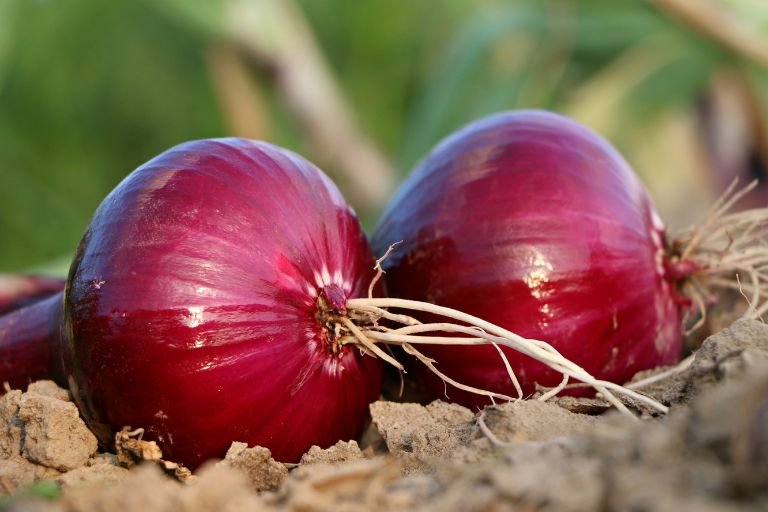
Red onions, with their sharp flavor and vibrant color, are a staple in many kitchens. While they enhance the taste of various dishes, they are often linked to triggering acid reflux symptoms in some individuals. But why does this happen? Is it due to their acidity, or are other factors at play? Is red onion acidic?
In this article, we’ll delve deep into whether red onions are acidic, how they affect acid reflux, and whether they can safely be included in a reflux-friendly diet. We’ll also provide tips to reduce their reflux-triggering potential while still enjoying their unique taste.
Understanding Acid Reflux and Its Dietary Triggers
What Is Acid Reflux?
Acid reflux occurs when stomach acid flows backward into the esophagus, causing discomfort and irritation. This happens due to a weakened lower esophageal sphincter (LES), the muscle that separates the stomach from the esophagus. When the LES doesn’t close properly, stomach acid escapes, leading to symptoms like:
- Heartburn: A burning sensation in the chest or throat.
- Regurgitation: A sour or bitter taste in the mouth.
- Bloating and nausea: Often accompanied by burping or indigestion.
Common Food Triggers of Acid Reflux
Certain foods are known to weaken the LES or increase stomach acid, making reflux more likely. Common triggers include:
- High-fat foods (e.g., fried items, cheese).
- Spicy dishes.
- Acidic foods (e.g., citrus fruits, tomatoes).
- Carbonated beverages and caffeine.
- Onions, especially raw red onions.
Now, let’s examine where red onions fall on this spectrum.
Author Tip: 7 Kinds of Foods to Avoid with GERD
Are Red Onions Acidic or Alkaline?
The Acidity of Red Onions – Is Red Onion Acidic?
Red onions are slightly acidic, with a pH ranging between 5.3 and 5.8. While they aren’t as acidic as citrus fruits or vinegar, their acidity can still contribute to digestive discomfort in some individuals, especially when consumed raw.
Do Red Onions Trigger Acid Reflux?
Red onions are often classified as a potential reflux trigger, and here’s why:
- High Sulfur Content: Red onions are rich in sulfur compounds, which can lead to gas and bloating, increasing stomach pressure and potentially aggravating reflux.
- Raw Form: Raw onions are more likely to irritate the esophagus and cause reflux than cooked onions.
- Impact on Digestive Health: Onions, in general, can relax the LES in some individuals, making it easier for stomach acid to escape.
Author Tip: Are Onions Acidic or Basic?
Nutritional Profile of Red Onions
What Makes Red Onions Nutritious?
Despite their reputation as a reflux trigger, red onions are a powerhouse of nutrients. A 100-gram serving of raw red onions provides:
- Calories: 40
- Fiber: 1.7 grams
- Vitamin C: 12% of the daily recommended intake (DRI)
- Vitamin B6: 5% of the DRI
- Folate: 5% of the DRI
- Antioxidants: Quercetin and anthocyanins, which reduce inflammation and support heart health.
Health Benefits of Red Onions
Following is the list of red onion’s health benefits:
- Boosts Immunity: The high vitamin C content strengthens the immune system.
- Promotes Heart Health: Red onions help reduce blood pressure and cholesterol levels.
- Fights Inflammation: Quercetin, a potent antioxidant, combats inflammation and may reduce the risk of chronic diseases.
- Supports Digestive Health: The fiber in red onions promotes gut health, though it may cause discomfort in those with sensitive stomachs.
- Regulates Blood Sugar: Red onions may help improve insulin sensitivity and lower blood sugar levels.
How Red Onions Affect Acid Reflux?
When Red Onions Might Aggravate Acid Reflux?
- Raw Form: Raw red onions are sharp and pungent, which can irritate the esophagus and trigger reflux symptoms.
- Gas Production: Sulfur compounds in red onions can cause gas and bloating, increasing pressure on the LES and exacerbating reflux.
- Overconsumption: Eating large amounts of red onions, especially in raw form, can overwhelm the digestive system and worsen reflux.
When Red Onions Might Be Tolerated?
- Cooked Onions: Cooking reduces the sulfur compounds in red onions, making them less likely to cause gas and reflux.
- Small Portions: Eating small quantities of red onions as part of a balanced meal might not trigger reflux for everyone.
- Pairing with Reflux-Friendly Foods: Combining red onions with alkaline or non-acidic foods can help neutralize their potential to cause reflux.
Author Tip: Are Pickled Onions Good for You? [Heart and Gut Health]
Tips for Eating Red Onions Safely with Acid Reflux
1. Opt for Cooked Red Onions
Cooking methods like steaming, sautéing, or roasting can reduce the pungency and sulfur content of red onions, making them easier to digest.
2. Use Moderation
Start with a small amount of red onions in your meals and monitor how your body reacts.
3. Avoid Eating Onions on an Empty Stomach
Pair red onions with other non-acidic or alkaline foods to minimize their impact on your stomach.
4. Balance Your Diet
Incorporate a variety of reflux-friendly vegetables, such as zucchini or spinach, to ensure a balanced and nutritious diet.
Alternatives to Red Onions for Reflux Sufferers
If red onions consistently trigger reflux symptoms, consider these milder alternatives:
- Green Onions (Scallions)
Scallions are less pungent and easier on the digestive system, especially when cooked. - Leeks
Leeks have a milder flavor than red onions and are less likely to cause reflux. - Shallots
Shallots are a sweeter, milder alternative to red onions that can enhance dishes without triggering reflux. - Fennel
Fennel has a mild, slightly sweet flavor and is known for its digestive benefits.
Lifestyle Changes to Manage Acid Reflux
1. Practice Portion Control
Avoid overeating, as large meals can increase stomach pressure and lead to reflux.
2. Avoid Eating Before Bedtime
Finish your last meal at least 2-3 hours before lying down to reduce nighttime reflux.
3. Elevate Your Head While Sleeping
Using a wedge pillow or raising the head of your bed can prevent acid from flowing back into the esophagus.
4. Maintain a Healthy Weight
Excess weight puts pressure on the stomach, worsening reflux symptoms.
Conclusion: Are Red Onions Safe for Acid Reflux?
Red onions are slightly acidic and can be a potential trigger for acid reflux, particularly in their raw form. However, cooked red onions may be tolerated in moderation by some individuals. If you’re prone to acid reflux, consider experimenting with cooking methods, portion sizes, and food pairings to enjoy red onions without discomfort.
As with any dietary choice, it’s essential to listen to your body and consult a healthcare provider if symptoms persist. With mindful eating, you can navigate your way to a reflux-friendly diet while still enjoying flavorful meals.
FAQs: Red Onions and Acid Reflux
Q1: Are red onions more acidic than white onions?
No, red onions and white onions have similar acidity levels, though red onions are sharper in flavor, which may make them feel more irritating.
Q2: Can I eat red onions if I have mild acid reflux?
Yes, but opt for cooked red onions and consume them in small amounts to minimize symptoms.
Q3: Are cooked red onions safe for acid reflux?
Cooking reduces the sulfur compounds in red onions, making them less likely to trigger reflux.
Q4: Are there any onion substitutes for reflux sufferers?
Yes, milder alternatives like green onions, leeks, and fennel can be used instead of red onions.
Q5: Should I avoid all onions if I have acid reflux?
Not necessarily. Experiment with different types of onions and preparation methods to find what works best for you.
Related Posts



Subscribe for New Racipies
Get mental health tips, updates, and resources delivered to your inbox.
Are Pumpkin Puree Safe for Acid Reflux?

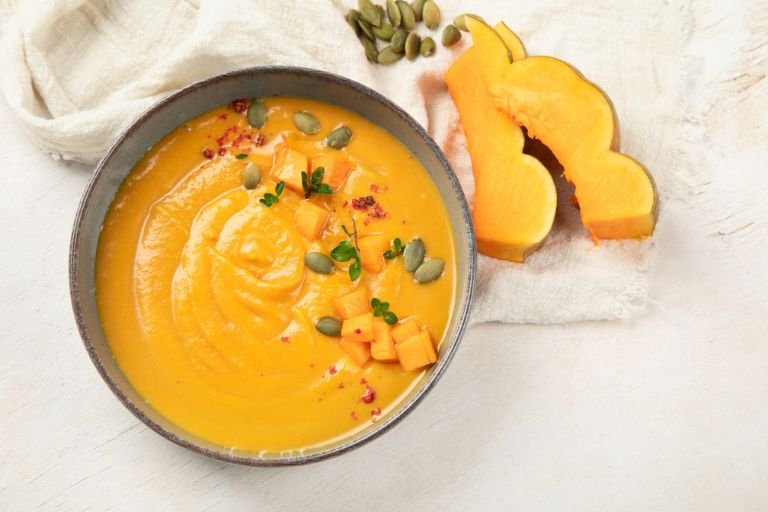
Pumpkin puree, made from cooked and blended pumpkin, is a versatile ingredient often used in soups, desserts, and savory dishes. Its naturally sweet and creamy texture makes it a popular choice for healthy recipes. But if you suffer from acid reflux or GERD (gastroesophageal reflux disease), you might be asking: “Is pumpkin puree safe for acid reflux?”
The good news is that pumpkin puree is generally safe for acid reflux sufferers. With its mild, low-acid nature, high fiber content, and rich nutritional profile, pumpkin puree can actually help soothe digestion and reduce reflux symptoms. However, portion size, preparation methods, and accompanying ingredients can all influence how well it works in a reflux-friendly diet.
In this article, we’ll explore why pumpkin puree is considered safe for acid reflux, its nutritional benefits, and tips for incorporating it into your meals without triggering symptoms.
Is Pumpkin Puree Acidic or Alkaline?
Pumpkin puree is considered a low-acid food, with a pH level ranging between 4.9 and 5.2. While this places it in the mildly acidic category, its overall effect on digestion is gentle, making it a safe option for most people with acid reflux.
Additionally, pumpkin puree has alkalizing properties when metabolized in the body, helping to neutralize stomach acid and reduce irritation in the esophagus. Compared to other acidic foods like tomatoes or citrus fruits, pumpkin puree is far less likely to trigger reflux symptoms.
Author Tip: Is Pumpkin Puree Acidic?
Nutritional Profile of Pumpkin Puree
Pumpkin puree is packed with essential nutrients that promote overall health and support digestion. Here’s what makes it a nutrient-dense, reflux-friendly food:
1. High in Fiber
- One cup of pumpkin puree contains about 7 grams of fiber, which supports healthy digestion, reduces bloating, and prevents overeating—one of the common triggers of acid reflux.
2. Low in Calories and Fat
- With only 80 calories per cup and virtually no fat, pumpkin puree is light and easy to digest, making it a perfect option for those managing reflux symptoms.
3. Rich in Vitamins
- Vitamin A: Promotes healthy mucous membranes, including those in the digestive tract, helping to protect the esophagus from stomach acid.
- Vitamin C: Reduces inflammation and promotes healing.
- Vitamin E: A powerful antioxidant that soothes and protects the digestive lining.
4. Contains Essential Minerals
- Potassium: Helps maintain electrolyte balance and supports muscle function, including the lower esophageal sphincter (LES), which prevents stomach acid from flowing back into the esophagus.
- Magnesium: Relaxes the digestive muscles and helps reduce reflux episodes.
5. High Water Content
- Pumpkin puree is about 90% water, which helps hydrate the body and dilute stomach acid, reducing reflux symptoms.
Also Read: Is Pumpkin Soup Acidic?
Why Pumpkin Puree is Good for Acid Reflux?
Research suggests that Pumpkin puree offers a range of benefits that make it suitable for acid reflux sufferers. Here’s why:
1. Gentle on the Stomach
- Pumpkin puree’s low acidity and smooth texture make it soothing for the stomach and esophagus, reducing the risk of irritation.
2. Aids in Digestion
- The fiber content in pumpkin puree helps regulate bowel movements, prevent constipation, and reduce bloating—key factors in managing acid reflux.
3. Prevents Overeating
- Its fiber and water content promote a feeling of fullness, preventing overeating, which is a common reflux trigger.
4. Reduces Inflammation
- Pumpkin’s antioxidants and anti-inflammatory compounds can soothe irritation in the esophagus caused by stomach acid.
5. Supports the Lower Esophageal Sphincter (LES)
- Minerals like magnesium and potassium help keep the LES functioning properly, preventing stomach acid from traveling back into the esophagus.
Tips for Using Pumpkin Puree in a GERD-Friendly Diet
To ensure pumpkin puree works well in a reflux-friendly diet, follow these tips:
1. Choose Unsweetened Pumpkin Puree
- Opt for pure, unsweetened pumpkin puree. Avoid canned pumpkin pie filling, which contains added sugars, spices, and preservatives that may trigger reflux symptoms.
2. Watch Your Portion Size
- Stick to 1/2 to 1 cup per serving. Even reflux-friendly foods can cause discomfort if consumed in large quantities.
3. Avoid High-Fat Additions
- Skip heavy creams, butter, or fried preparations when using pumpkin puree. Pair it with low-fat or non-fat ingredients instead.
4. Pair with Alkaline Foods
- Combine pumpkin puree with reflux-friendly ingredients like oats, bananas, or lean proteins to create balanced meals.
5. Avoid Spicy or Acidic Additions
- Refrain from adding spicy seasonings or acidic ingredients like vinegar or citrus to pumpkin puree dishes, as these can irritate the stomach and esophagus.
Related to Read: Are Pumpkin Seeds Safe for Acid Reflux?
Reflux-Friendly Pumpkin Puree Recipes
1. Pumpkin Oatmeal
Ingredients:
- 1/2 cup oats
- 1/2 cup pumpkin puree
- 1 cup unsweetened almond milk
- 1/2 teaspoon cinnamon (optional)
- 1 teaspoon honey (optional)
Instructions:
- Cook oats in almond milk as directed.
- Stir in pumpkin puree, cinnamon, and honey.
- Serve warm as a hearty, reflux-friendly breakfast.
2. Pumpkin and Banana Smoothie
Ingredients:
- 1/2 cup pumpkin puree
- 1 small banana
- 1 cup unsweetened almond milk
- 1/2 teaspoon vanilla extract
Instructions:
- Blend all ingredients until smooth.
- Serve as a refreshing, acid reflux-friendly snack.
3. Pumpkin Soup
Ingredients:
- 1 cup pumpkin puree
- 2 cups low-sodium vegetable broth
- 1/4 cup unsweetened almond milk
- A pinch of salt and pepper
Instructions:
- Heat pumpkin puree and vegetable broth in a pot over medium heat.
- Stir in almond milk and season with salt and pepper.
- Serve warm with a slice of whole-grain bread.
More Pumpkin Recipes: Pumpkin, Banana, & Apple Yogurt Smoothie
Pumpkin Dulce de Leche Chocolate Chip Cookies
Pumpkin Spice Crepes with a Cinnamon Mascarpone Filling
Frequently Asked Questions About Pumpkin Puree and Acid Reflux
1. Is pumpkin puree acidic?
Pumpkin puree is mildly acidic but has alkalizing effects when metabolized in the body, making it safe for acid reflux sufferers.
2. Can pumpkin puree trigger acid reflux?
Pumpkin puree is unlikely to trigger reflux. However, consuming it in large quantities or pairing it with fatty or spicy ingredients may cause discomfort.
3. Is canned pumpkin puree safe for GERD?
Yes, plain canned pumpkin puree is safe for GERD, but avoid sweetened or spiced varieties like pumpkin pie filling.
4. How much pumpkin puree can I eat if I have acid reflux?
Stick to 1/2 to 1 cup per serving to avoid overeating, which can put pressure on the stomach and trigger reflux symptoms.
5. What are other reflux-friendly vegetables?
Other reflux-friendly vegetables include zucchini, carrots, spinach, cucumbers, and sweet potatoes.
Final Thoughts
Pumpkin puree is a nutrient-dense, low-acid food that is generally safe and beneficial for individuals with acid reflux or GERD. Its high fiber and water content, along with its soothing properties, make it a great addition to a reflux-friendly diet.
Whether enjoyed in oatmeal, smoothies, or soups, pumpkin puree can help improve digestion, reduce inflammation, and prevent reflux symptoms when consumed in moderation. Just be sure to avoid high-fat or overly spiced preparations to get the most out of this versatile and healthy ingredient.
Related Posts
Subscribe for New Racipies
Get mental health tips, updates, and resources delivered to your inbox.