
Are Onions Acidic or Basic? Avoid With Acid Reflux or Not

Medically reviewed by Christiana George Updated Date: January 1, 2026
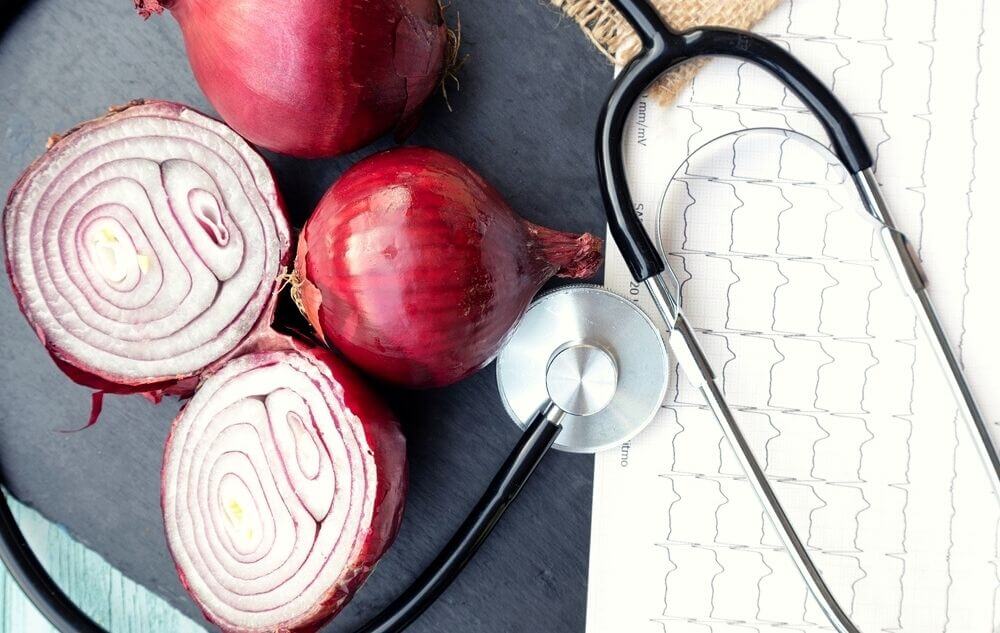
Onions are part of almost everyone’s vegetable basket in the kitchen. They are added to different cuisines and salads to enhance the aroma, flavor, and quality. You read a recipe for any delicious-looking dish and will most likely see onion as an ingredient. But very few people know about the nature of this vegetable. Are onions acidic, basic, or neutral?
Onions are acidic in every form and variety. Whether raw, cut, red, yellow, Green, or white, all onions are acidic in nature. Because onions pH level is 5 to 5.8 depending on cooked or raw onions. As onions pH is less than 7, so onions are acidic.
It is important to know why onions are acidic and how is it safe to consume them. You might wonder, is the acidity of onions strong enough to induce any negative effect on health? If you want to know the answers, then keep reading.
You may also like: Is Mac and Cheese Healthy?
How Acidic Are Onions?
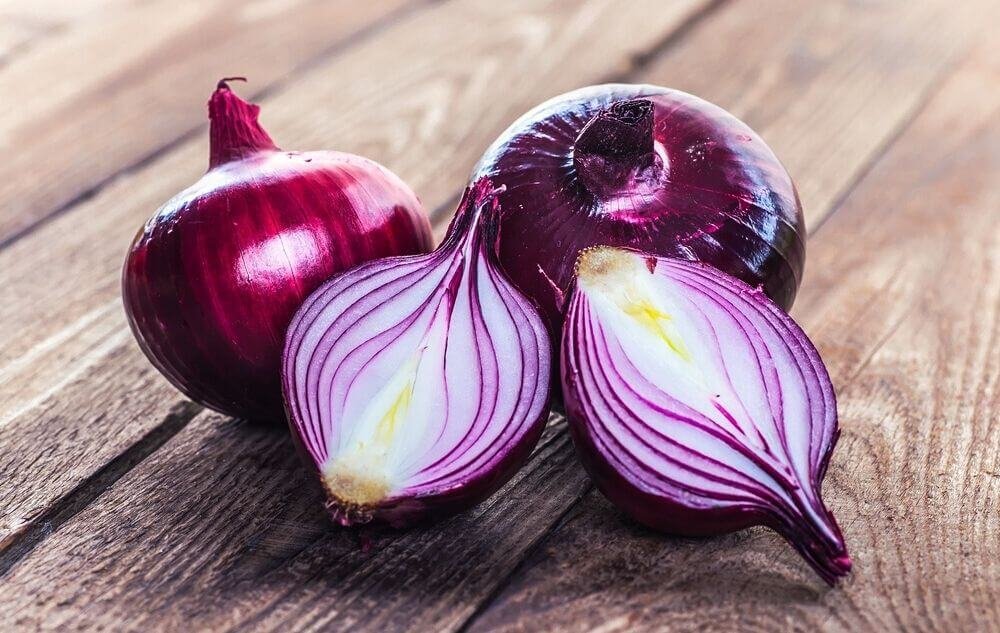
Onions are not considered super acidic like lemon or lime. But they are also not considered close to neutral either.
Thus, the acidity of onions is neither considered extreme nor slight.
To know the acidity status clearly, you can check out the onion pH value.
What is the pH of Onions?
The Onion pH level is between 5 to 5.8, depending upon varieties and onion forms. I am describing their details later in this article.
Let me tell you a bit about the pH scale for those who are unfamiliar. If the value of anything is below 7, it is considered acidic. If it is 7, it is considered neutral, while above 7 pH value things are considered basic or alkaline.
| Type of Onions | pH value |
| Onions (Green) | 6.00-7.00 |
| Onions (White) | 5.37-5.85 |
| Onions (Red) | 5.30-5.80 |
| Onions (Yellow) | 5.32-5.60 |
| Onions (pickled) | 3.70-4.60 |
Since an onion’s pH is below 7, it is termed acidic food. Want to know the reason behind this low pH?
You may also like: Why Do Healthy Foods Taste Bad?
Why Are Onions Acidic?
Have you ever wondered, why are onions acidic food?
Onions are acidic due to the high amount of Ascorbic acid (Vitamin C), Pantothenic acid (Vitamin B5), and sulfur.
Although the two nutrients and sulfur are super important for us, they are also the reason why Onions taste a bit sour (kind of like Acid) and have low pH.
This sulfur content is also the reason why we cry during the cutting of onions.
Are Onions Bad for Acid Reflux?
After knowing about their acidic status, you might now be wondering- are onions good for acid reflux or not?
Onions are considered bad for those who have Acid Reflux.
One reason is the acidic nature of this vegetable. But the biggest reason is that Onions are rich in FODMAPS (Fermentable oligosaccharides, disaccharides, monosaccharides, and Polyols).
These carbs are non-digestible, so the stomach finds it hard to deal with them. Hence, the stomach releases more acid to break them but ends up worsening Acid reflux.
Are Onions Good for Heartburn?
Onions (especially Raw) are considered one of the leading causes of heartburn.
The reason is how they prompt the stomach to release acid. Actually, heartburn is also the main symptom of Acid reflux.
A study was conducted in which one group of people were given “onion-less burgers” while the other group was lavished with “Burgers with onions” It was found that those who ate burgers with onions had heartburn problems frequently.
Is Every Onion Bad for Acid Reflux?
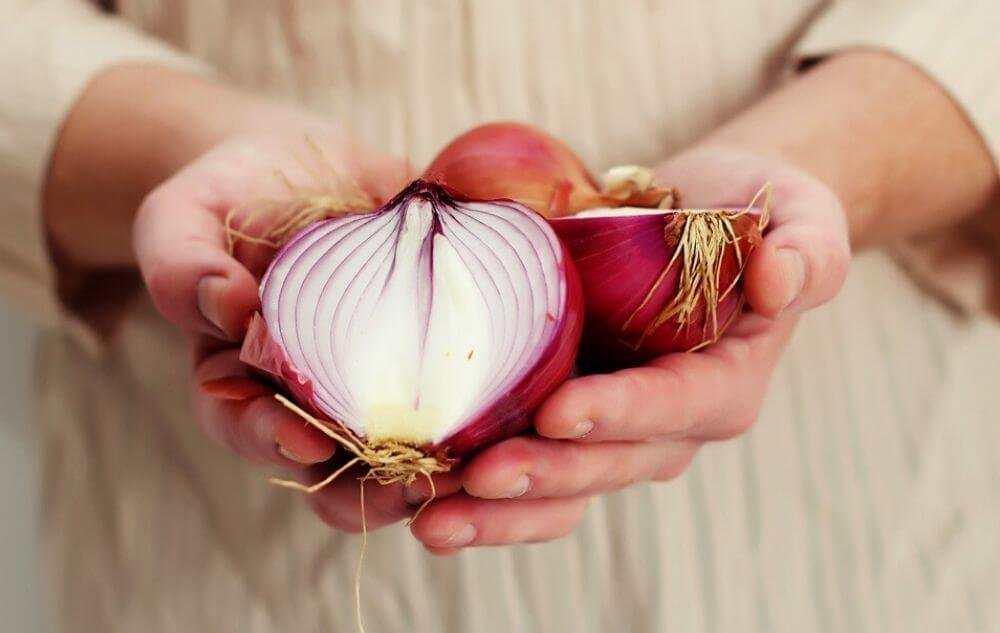
There are more than a dozen varieties of onions we have today.
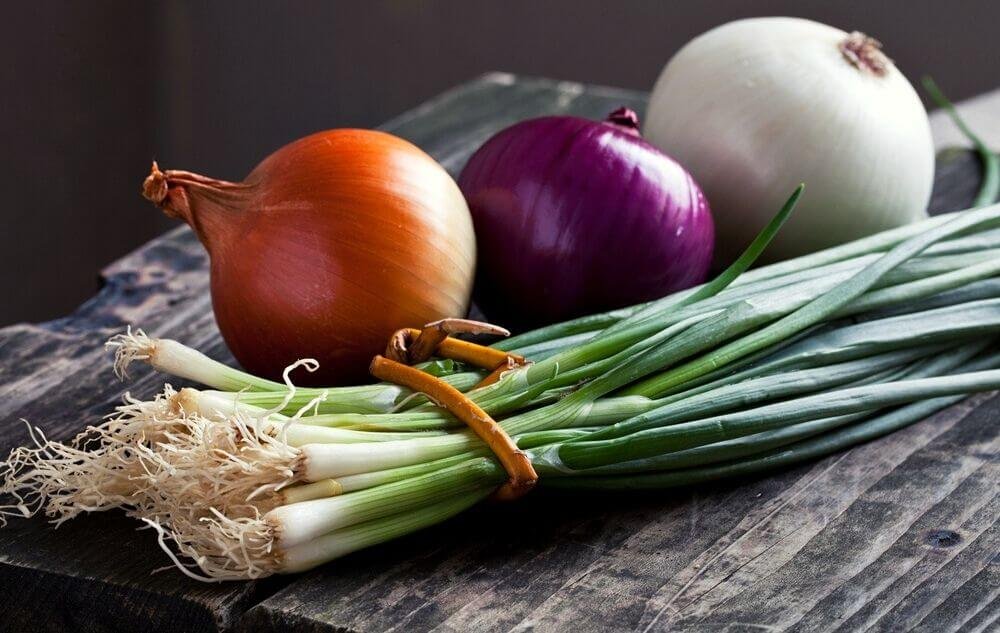
The most famous ones we use in the kitchen are Red, Green, and Yellow/Brown. Want to know which onion is less acidic? Then keep on reading!
Are Red Onions Acidic?
People often ask, are red onions acidic or alkaline? Red Onion pH level is between 5.7 to 5.8. So, it is acidic.
The question now is- are red onions bad for acid reflux?
Red onions are bad for acid reflux if you consume them in large quantities.
Adding a small amount won’t cause or worsen the acid reflux. You have to be super sensitive to acidic foods to feel this negative effect of Red onions.
Since it is not easy to digest red onions, eating them more can cause stomach problems and also Acid reflux.
Are Green Onions Acidic?
After reading about red onions, you might now be wondering, are green onions acidic or alkaline?
Green onion or spring onion is not acidic. In fact, it is one of the least acidic onion varieties.
Some people even say it’s Alkaline.
The green onion pH level is around 6.0 to 7.0, depending upon how you cook it. Generally, the pH level of Green onions stays around 7.2.
Are green onions bad for acid reflux?
Green onions are still not desirable to eat for those with Acid reflux.
The FODMAPS in them do not digest, so the stomach deals with them by releasing more acid. Hence, the Acid reflux is worsened.
But you have to consume green onions in large quantities or daily to feel this impact.
Are Yellow Onions Acidic?
Around 90% of the onions stored in the USA are Yellow onions. They are also known as brown onions in some parts.
Yellow onions are also acidic, with a pH level of 5.6. Thus, they are not good for those who are already feeling the symptoms of Acid reflux and heartburn.
However, cooking them reduces acidity levels. So, adding a little amount of it won’t do any harm.
Are Cooked Onions Acidic?
Wondering, are cooked onions acidic or alkaline? Just like Raw onions, cooked onions are acidic.
However, it is also true that cooking onions reduce their acidity levels. The reason is that most of the sulfur in onions is converted into sulfide.
Another question that arises here is, are cooked onions ok for acid reflux?
Cooked onions are less likely to cause any rise in stomach acidity levels. It is because cooked onions are easier to digest than raw and also have a high pH.
Cooked onion pH level is between 5.5 to 6, depending upon the variety (excluding Green onion). Cooked Green onion pH is 7.5.
Frequently Asked Questions (FAQS)
Are Caramelized Onions Acidic?
Caramelized onions are made by adding sugar. This sugar content raises the pH levels, and the caramelized onions get close to neutral. So, it is mildly acidic on a pH scale. However, since the sugar content is more in it, the stomach cannot digest it smoothly. Thus, more acid is secreted, which worsens acid reflux.
Are Pickled Onions Acidic?
Pickled onions are more acidic than raw onions. The reason is the vinegar which is used during the pickling process. So, don’t overeat them. Plus, only consume pickled onions once in a while to stay healthy.
Are Onions Good for Ulcers?
Onions contain flavonoids that can treat Ulcers. However, make sure you consume it in low amounts, as consuming them more can cause acid reflux, which further makes the Ulcer painful. In addition, onions have also been shown to improve Gastritis.
Bottom Line
In a nutshell, everyone should know about the nature of the fruits and vegetables they consume. Onion is one vegetable that people add to many meals and salads.
So, are onions acidic or basic?
Onions are acidic, with a pH level between 5 to 5.8, depending upon variety.
However, one variety called Green onion has a pH level between 6.0 to 7.0
Cooking the onion reduces the acidity levels slightly as the sulfur content decreases. However, it is still strong enough to cause acid reflux, heartburn, and GERD.
That is why I suggest you consume onions moderately to live a healthy life.
Related Posts



Subscribe for New Racipies
Get mental health tips, updates, and resources delivered to your inbox.
Are Nectarines Acidic? Nectarines and Acid Reflux

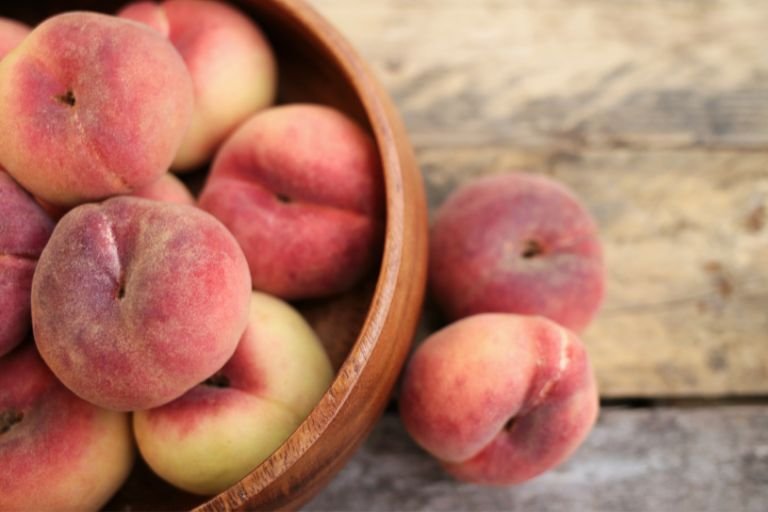
Acidity in fruits plays a crucial role in how they interact with our digestive system. Some fruits are more acidic than others, affecting their suitability for individuals with sensitive stomachs or acid reflux. Understanding a fruit’s acidity helps in making informed dietary choices that support digestive health.
Nectarines, a sweet and juicy stone fruit, are a favorite for their refreshing taste and nutrient profile. However, their acidity raises questions for those managing acid reflux or hyperacidity. Are nectarines acidic? Can they be part of a balanced diet for sensitive stomachs? Let’s dive into these questions to make better, health-conscious decisions.
What Determines a Fruit’s Acidity?
To assess whether nectarines are acidic, we need to understand how a fruit’s acidity is determined.
Understanding the pH Scale
The pH scale, ranging from 0 to 14, measures how acidic or alkaline a substance is:
- 0 to 6.9: Acidic
- 7: Neutral
- 7.1 to 14: Alkaline
Fruits with a pH below 7 are considered acidic. Citrus fruits like lemons and limes have pH values around 2 to 3, making them highly acidic. Low-acid fruits like melons and bananas have pH levels closer to neutral.
Discover pH of common food here
Acidity’s Impact on Digestion and Acid Reflux
Acidic foods can stimulate stomach acid production, which is helpful for digestion in most cases. However, for individuals with acid reflux, excess acid can irritate the esophagus, leading to discomfort or heartburn.
Low-acid or alkaline fruits are often recommended for such individuals, as they are gentler on the stomach and less likely to exacerbate reflux symptoms.
Are Nectarines Acidic?
Yes, nectarines are moderately acidic. Their pH range is typically between 3.9 and 4.2, placing them in the category of acidic fruits.
How Do Nectarines Compare to Other Fruits?
- Peaches: Nectarines are closely related to peaches and have a similar acidity level, with peaches ranging from 3.3 to 4.0 on the pH scale.
- Apples: Sweet apple varieties are less acidic, with pH levels closer to 4.5 to 5.5, making them a better option for individuals with acid reflux.
- Melons: Watermelon and cantaloupe are low-acid fruits with pH levels near 6, offering a gentler alternative.
While nectarines are not as acidic as citrus fruits (e.g., oranges or grapefruits), their moderate acidity can still affect those sensitive to acid.
Is Nectarine Good for Acid Reflux?
The relationship between nectarines and acid reflux depends on individual tolerance. Nectarines are moderately acidic, which means they may trigger symptoms in some individuals while being perfectly tolerable for others.
Tips for Managing Acid Reflux While Eating Nectarines
- Practice Portion Control
Eating small portions of nectarines can help minimize the risk of triggering reflux. Consuming too much fruit at once can overload the stomach, increasing pressure and acid production. - Pair Nectarines with Alkaline Foods
Combine nectarines with neutralizing foods like oatmeal, almonds, or yogurt. These pairings can balance the fruit’s acidity and create a more reflux-friendly meal. - Eat Nectarines Earlier in the Day
Consuming acidic foods earlier in the day allows your body more time to digest and reduces the likelihood of reflux at night.
When to Avoid Nectarines
If you experience heartburn, bloating, or discomfort after eating nectarines, it’s best to reduce your intake or avoid them entirely. Listening to your body and consulting a healthcare provider for personalized advice is crucial.
Are Nectarines Easy on the Stomach?
While their moderate acidity can cause issues for some, nectarines offer benefits that may support overall digestive health.
The Fiber Content of Nectarines
Nectarines are a good source of dietary fiber, with approximately 2 grams per medium-sized fruit. Fiber aids digestion by promoting regular bowel movements and preventing constipation. For individuals without acid sensitivity, this makes nectarines a healthy addition to the diet.
Potential Challenges for Sensitive Stomachs
For people with acid reflux or hyperacidity, nectarines might cause discomfort due to their acidic nature. Symptoms can include heartburn, bloating, or nausea. However, tolerances vary widely, and some individuals may enjoy nectarines without issue.
How Do Nectarines Compare to Other Fruits in Acidity?
Nectarines are a moderately acidic fruit, with a pH level ranging from 3.9 to 4.2. But how does this compare to other commonly consumed fruits?
Comparison with Other Fruits
- Peaches
Nectarines and peaches are closely related, with similar pH levels. However, nectarines are slightly firmer and sometimes perceived as tangier, which may intensify their acidic profile. - Apples
Sweet apples, such as Fuji or Gala, are less acidic, with pH levels between 4.5 and 5.5, making them a better option for those with acid reflux. Tart apples like Granny Smith are closer to nectarines in acidity and may cause discomfort for sensitive individuals. - Berries
Many berries, such as raspberries and blackberries, are more acidic than nectarines, with pH levels ranging from 3.0 to 3.5. Blueberries are slightly less acidic, with a pH of around 3.3 to 3.5. - Bananas and Melons
Bananas and melons, including watermelon and cantaloupe, are some of the least acidic fruits. With pH levels closer to 6.0 to 6.9, they are gentle on the stomach and ideal for those with acid reflux.
Acidic Fruits to Avoid and Non-Acidic Alternatives
When managing acid reflux or hyperacidity, avoiding highly acidic fruits is essential. Here’s a closer look at which fruits to skip and their suitable substitutes.
Acidic Fruits to Avoid
- Citrus Fruits
- Lemons, oranges, grapefruits, and limes are among the most acidic, with pH levels between 2.0 and 3.5.
- Their high citric acid content can irritate the esophagus and worsen acid reflux symptoms.
- Pineapples
- With a pH of 3.0 to 4.0, pineapples are acidic and may trigger heartburn in sensitive individuals.
- Raspberries and Blackberries
- These berries have pH levels around 3.0, making them highly acidic despite their antioxidant benefits.
- Tomatoes
- Technically a fruit, tomatoes and their products (like sauces and juices) are highly acidic, with a pH of 3.5 to 4.7.
Non-Acidic Alternatives
- Bananas
- With a pH around 5.6 to 6.5, bananas are alkaline and help soothe the stomach.
- Melons
- Watermelon, cantaloupe, and honeydew are excellent low-acid fruits with high water content, ideal for hydration and digestion.
- Pears
- Sweet pears are mildly acidic, but far gentler on the stomach compared to most acidic fruits.
- Cucumbers and Sweet Potatoes
- These vegetables are alkaline and make excellent additions to a reflux-friendly diet.
Tip for Balance
Combine acidic fruits like nectarines with non-acidic options to balance your meal. For example, pair slices of nectarine with a bowl of alkaline oatmeal or yogurt to reduce acidity’s impact.
FAQs
Are nectarines and peaches citrus fruits?
No, nectarines and peaches are stone fruits, not citrus fruits. Despite their moderate acidity, they belong to the same family as cherries, plums, and apricots.
What is the most acidic fruit or vegetable?
Highly acidic fruits include lemons and limes, with pH levels around 2.0 to 2.5. Among vegetables, tomatoes are among the most acidic, particularly in concentrated forms like sauces or pastes.
What are the high alkaline fruits?
Alkaline fruits such as bananas, avocados, and melons (cantaloupe and honeydew) have pH levels closer to neutral, making them ideal for acid reflux sufferers.
What fruit does not have any citric acid?
Fruits like bananas, apples, and papayas are free of citric acid, making them gentler on the stomach compared to citrus fruits.
Conclusion
Nectarines, with their moderate acidity, can be a delicious addition to your diet but may not suit everyone, especially those prone to acid reflux. Compared to highly acidic fruits like citrus or berries, nectarines are less harsh but should still be consumed in moderation. Pairing them with alkaline foods or enjoying them as part of a balanced diet can help minimize their impact on sensitive stomachs.
If you experience discomfort, consult a healthcare professional for personalized advice and dietary adjustments. Understanding your body’s needs is the key to enjoying nectarines and other fruits without compromising digestive health.
Related Posts
Subscribe for New Racipies
Get mental health tips, updates, and resources delivered to your inbox.