
Korean Fried Chicken

Medically reviewed by Christiana George Updated Date: January 2, 2026
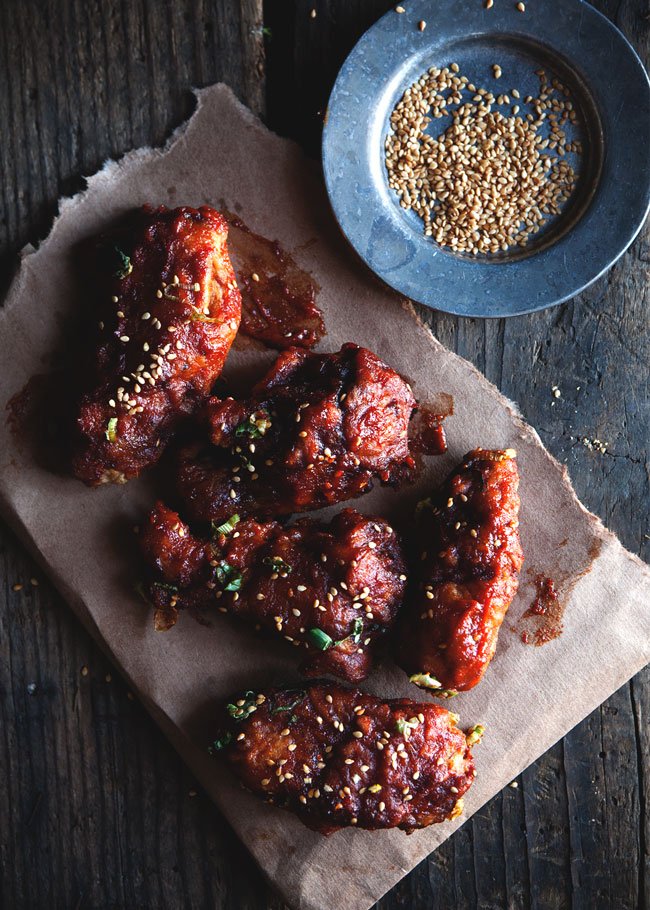
I have had the most incredible hankering for Korean food recently. I can’t explain it, except that this current weather makes me want to cuddle up with a bowl of soondubu and freshly cooked rice, made in a stone pot of course. I also just recently discovered Maangchi, who is just about the cutest woman alive other than my mom. They remind me an awful lot of each other actually.
Maangchi doesn’t do anything in half measures, meaning everything she cooks is in huge quantities. She whips out 10 pounds of kimchi at a time, fries huge basins of japchae. I can’t imagine the number of people she cooks for, but in the case of the recipe I’m sharing today, she deep-fried three pounds of chicken wings. For Chris and me, two to three wings/drumettes each, so maybe half a pound of chicken total, is sufficient. Although maybe we’re just light eaters. It’s hard to say.
But hold it! I’m misleading you, aren’t I? I actually didn’t end up following Maangchi’s recipe. It was pretty good, but I found that I preferred Saveur’s version better. The two taste totally different; I just found her version to be a bit cloying. (Also, I don’t understand why corn syrup seems to end up in a lot of Korean dishes—is it a common ingredient? And why?)


What the two versions have in common—and what makes Korean fried chicken so dang addictive—is that the chicken is fried twice. This results in a Seriously Crispy Crust. It’s the difference between a weak handshake and a firm one, sallow and sturdy. A robust crust, if you will. I think it’s dead simple and pretty genius. (The only downside is that you have to withstand being barraged by oil twice as long. Actually, come to think of it, that’s a pretty big downside. Deep-frying is freaky. Make sure you wear long sleeves. And gloves. And clear everything away around the perimeter of the pot because it’s going to get dirty.) And then you smother it in a hot-garlicky-mouth-puckering sauce and away you go!
(On an unrelated note, if you follow me on Instagram, you might know that I was in California last week, where I got to meet the newest generation of the Anderson clan, aka Chris’s brother’s four-and-a-half month old son and our nephew! I get a little giddy calling him this, because it didn’t really occur to me that he WAS related to me until Chris’s sister-in-law [which makes her my sister-in-law?] called me Aunt Linda. Aunt Linda! That’s so exciting! And now that I’ve seen him and fallen in love, I want to buy him things like this onesie. What do you think? Isn’t it adorable?? [Now my mom thinks I want to start popping them out. Ha. Ha ha ha. Sorry Mom. You’ll have to give me time.])

KOREAN FRIED CHICKEN (aka KFC)
From Saveur
Makes 16 pieces
Ingredients:
- 5 cloves garlic, chopped
- 1 (1.5″) piece peeled ginger, chopped
- 3 Tbsp soy sauce
- 3 Tbsp gochujang
- 1.5 Tbsp rice vinegar
- 1 Tbsp Asian sesame oil
- 1 Tbsp honey
- 2/3 cup flour
- 1 Tbsp cornstarch
- 2/3 cup water
- 16 chicken wingettes/drumettes (from 8 chicken wings)
- Canola oil, for frying
- Sesame seeds and chopped green onions for topping
Directions:
Make the sauce: process the garlic, ginger, soy sauce, gochujang, rice vinegar, sesame oil, and honey with a food processor/immesion blender until blended (or mince the garlic and ginger and whisk the ingredients together by hand).
For the chicken: in a bowl, whisk the flour, corn starch, and water. Add the chicken and toss. In a medium-sized heavy-bottomed pot, pour about 2 inches of oil. Clip a candy thermometer onto the side of the pot and heat the oil until it reaches a temperature of 350 degrees F. Add the chicken pieces gently, but don’t crowd the pot; you’ll have to work in two or three batches. Fry chicken until golden, about 6 to 8 minutes. Drain on paper towels. Reheat the oil to 350 degrees and fry chicken again until crisp and medium brown, 6 to 8 minutes. Drain.
In a large bowl, toss the chicken pieces with the sauce, top with sesame seeds and green onions if using, and serve. With lots of napkins.
Related Posts



Subscribe for New Racipies
Get mental health tips, updates, and resources delivered to your inbox.
Is Apple Butter Acidic? Everything You Need to Know

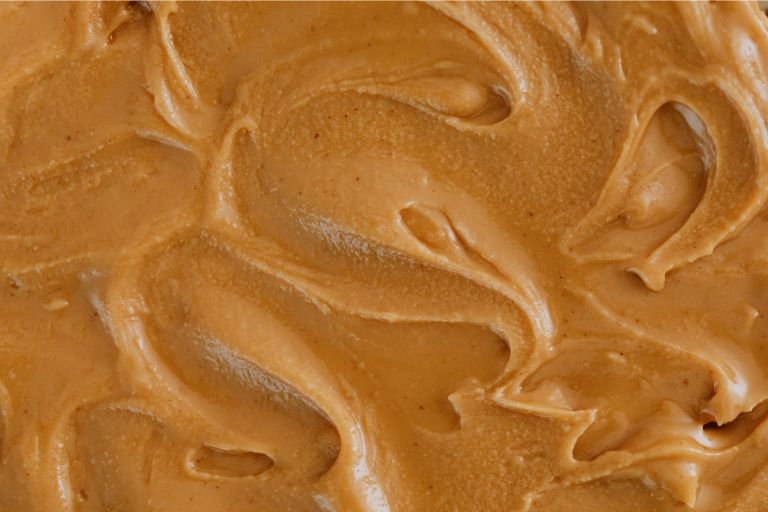
Apple butter is a delightful spread loved by many for its sweet and spiced flavor. Made by slowly cooking apples with sugar and spices until thick and caramelized, it is often a go-to topping for bread, pancakes, and even oatmeal. But, if you’re someone who deals with acid reflux or heartburn, you might wonder whether apple butter is acidic and whether it’s safe to consume.
The acidity of apple butter and its potential effects on acid reflux depends on various factors like the type of apples used, added ingredients, and individual dietary sensitivities. In this comprehensive guide, we’ll explore whether apple butter is high in acid, its role in acid reflux, and alternative options for those dealing with GERD (gastroesophageal reflux disease). Additionally, we’ll discuss how different types of apples, butter, and other foods can impact your digestive health. Let’s dive in.
What is Apple Butter?
Apple butter is a slow-cooked spread made by reducing apples with sugar, spices, and sometimes a dash of lemon juice or cider vinegar. The long cooking process caramelizes the sugars in the apples, giving the spread its rich, dark color and intensified flavor.
The pH level of apple butter typically falls around 3.5 to 4.0, making it moderately acidic. This is due to the natural acidity of apples, especially when certain tart varieties are used. The addition of sugar and spices like cinnamon or cloves does not significantly alter its acidity but may make the spread more tolerable to some.
Unlike butter made from dairy, apple butter contains no fat. However, it’s essential to understand how the acidity of this spread may interact with sensitive digestive systems, especially for individuals prone to acid reflux.
Author Tip: Are Red Apples Acidic?
Is Apple Butter Acidic?
Yes, apple butter is acidic, primarily due to the natural acids found in apples such as malic acid and citric acid. The cooking process intensifies these flavors, concentrating both the sweetness and acidity. However, the degree of acidity can vary depending on the apple variety used.
For example, Granny Smith apples are more acidic than Fuji or Gala apples. If the apple butter contains additional acidic ingredients like lemon juice, its overall acidity may increase. Compared to fresh apples or applesauce, apple butter’s acidity is similar but its thicker consistency may make it harder to digest for some individuals.
Is Apple Butter High in Acid?
Apple butter is relatively high in acid compared to raw apples or applesauce. The cooking process not only reduces the water content but also concentrates the natural acids found in the fruit.
Factors influencing the acidity of apple butter include:
- Apple Variety: Tart apples like Granny Smith contain more malic acid than sweeter varieties like Fuji or Gala.
- Added Ingredients: Lemon juice or cider vinegar, often used for preservation or flavor enhancement, can increase acidity.
- Sugar Content: While sugar doesn’t add acidity, it can mask the sour taste, making the spread seem less acidic.
For a milder option, homemade apple butter made with low-acid apples and minimal additives may be preferable.
Apple Butter and Acid Reflux: Safe or Risky?
For individuals with acid reflux or GERD, consuming apple butter can be tricky. Its acidic nature might irritate the esophageal lining, especially if eaten in large amounts or on an empty stomach. The spices commonly used in apple butter, such as cinnamon and cloves, can also act as triggers for acid reflux in some people.
To minimize risks, consider these tips:
- Limit Portion Size: Consume small amounts to avoid overloading your stomach.
- Pair with Low-Acid Foods: Spread apple butter on non-acidic bases like whole-grain bread or oatmeal.
- Opt for Homemade Versions: Control the acidity by choosing low-acid apples and avoiding acidic additives.
What Makes Apple Butter Acidic?
As per the research, several factors contribute to the acidity of apple butter:
- Malic Acid: Naturally present in apples, this compound gives apple butter its tangy flavor.
- Prolonged Cooking: Slow cooking intensifies the acidic profile by concentrating the natural components.
- Added Ingredients: Lemon juice or cider vinegar is often added for flavor or preservation, further increasing acidity.
The choice of spices can also impact the perceived acidity, with warming spices like cloves and nutmeg potentially aggravating reflux symptoms.
Can People with GERD Eat Apple Butter?
People with GERD or acid reflux should approach apple butter cautiously. While it’s not strictly off-limits, the following considerations can help:
- Choose Low-Acid Recipes: Use sweet apple varieties like Gala or Fuji and skip acidic additives.
- Avoid Eating on an Empty Stomach: Consuming apple butter with a balanced meal can reduce its impact.
- Watch for Triggers: Monitor how your body reacts and adjust your intake accordingly.
How to Reduce the Acidity of Apple Butter
If you love apple butter but struggle with its acidity, here are some ways to make it gentler on your stomach:
- Use Low-Acid Apples: Choose varieties like Fuji, Gala, or Golden Delicious.
- Skip Acidic Additives: Avoid adding lemon juice or vinegar to the recipe.
- Balance with Sweetness: Add a touch of honey or maple syrup to offset the tartness.
Cooking apple butter at a lower temperature for a longer time can also reduce its sharpness.
Which Butter is Best for Acid Reflux?
Butter, whether salted or unsalted, is typically low in acidity but high in fat, which can slow digestion and exacerbate acid reflux symptoms. Unsalted butter is generally a better choice as it lacks the additional sodium, which can irritate sensitive stomachs.
For those with chronic acid reflux, plant-based alternatives like almond butter or sunflower seed butter may be easier to digest. These spreads are not only low in acidity but also packed with healthy fats and nutrients.
Alternatives to Apple Butter for Acid Reflux Sufferers
If apple butter proves too acidic, consider these alternatives:
- Pumpkin Butter: Lower in acid and rich in fiber.
- Nut Butters: Almond or cashew butter are creamy, nutritious options.
- Banana Spread: Made from mashed bananas, this is naturally low in acid.
Recipes: Pumpkin Soynut Butter Chocolate Chip Cookies
Chocolate Peanut Butter Chip Cookies
How to Enjoy Apple Butter Without Triggering Acid Reflux?
You don’t have to give up apple butter entirely if you have acid reflux. By making a few adjustments, you can still enjoy this delicious spread:
- Choose Low-Acid Apples: Use varieties like Gala or Fuji when making homemade apple butter.
- Limit Sugar and Spices: Excess sugar and spices like cloves or nutmeg can irritate the stomach.
- Pair Wisely: Spread apple butter on low-acid bases like whole-grain bread or rice cakes.
- Watch Your Portions: Stick to small servings to minimize the risk of reflux.
Homemade apple butter gives you control over the ingredients, allowing you to customize it to your dietary needs.
Is Cinnamon Apple sauce Good for Acid Reflux?
Cinnamon applesauce can be a soothing treat, but it depends on the ingredients. Cinnamon itself is not acidic, but it can sometimes act as a trigger for acid reflux in sensitive individuals. Store-bought applesauce may contain added sugars and preservatives that increase acidity.
To make it reflux-friendly:
- Choose Unsweetened Applesauce: Avoid brands with added sugar or acidic preservatives.
- Use Low-Acid Apples: Opt for sweeter apple varieties when preparing homemade applesauce.
- Limit Cinnamon: Use small amounts of cinnamon or omit it entirely if it triggers your symptoms.
Homemade cinnamon applesauce made with low-acid apples is a better option, as you have complete control over the ingredients.
What Foods Neutralize Stomach Acid Immediately?
When acid reflux strikes, certain foods can help neutralize stomach acid and provide quick relief. Here are some of the best options:
- Bananas: Low in acid and rich in potassium, bananas are gentle on the stomach.
- Oatmeal: A great high-fiber option that can absorb excess acid.
- Ginger: Known for its anti-inflammatory properties, ginger can soothe the digestive system.
- Almond Milk: A low-acid alternative to dairy that can coat the stomach.
- Melons: Fruits like cantaloupe and honeydew are low in acidity and hydrating.
Drinking water or herbal teas, such as chamomile or licorice root tea, can also help dilute stomach acid and provide relief.
FAQs on Apple Butter and Acid Reflux
1. Is apple butter safe for GERD sufferers?
Apple butter may be too acidic for some GERD sufferers. Opt for small portions or homemade versions with low-acid apples.
2. Which apple variety is best for acid reflux?
Gala and Fuji apples are the best options as they are low in acidity.
3. Does eating raw apples help acid reflux?
Raw apples can sometimes help neutralize stomach acid, but low-acid varieties are best.
4. Can cinnamon worsen acid reflux?
Cinnamon may trigger acid reflux in some individuals, especially if consumed in large quantities.
5. What are other reflux-friendly spreads?
Try almond butter, sunflower seed butter, or hummus as reflux-friendly alternatives to apple butter.
Conclusion
Apple butter is a delicious and versatile spread, but its acidity can pose challenges for those with acid reflux or GERD. Understanding its natural acidity, preparation methods, and how to pair it with digestive-friendly foods can help you enjoy apple butter without discomfort. Opt for homemade versions with low-acid apples and minimal additives for a gentler option. By being mindful of portions and combinations, you can savor the sweet and spiced goodness of apple butter safely.
Related Posts



Subscribe for New Racipies
Get mental health tips, updates, and resources delivered to your inbox.