
What Is Coconut Aminos? The Ultimate Guide to the Soy Sauce Alternative

Medically reviewed by Christiana George Updated Date: January 7, 2026
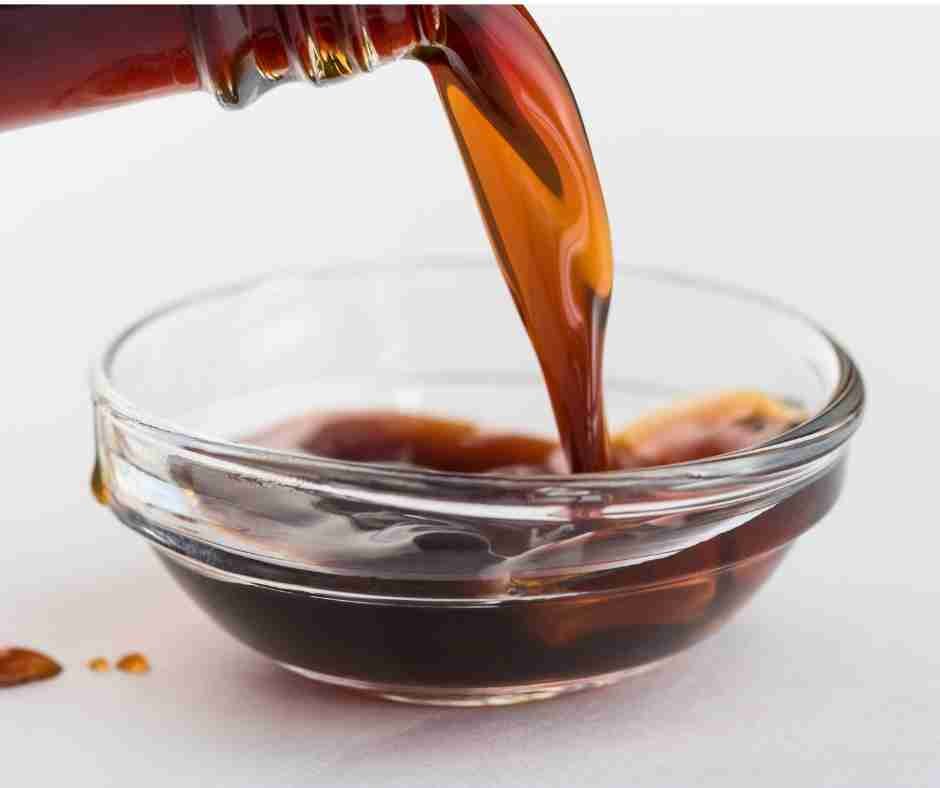
If you have walked down the condiment aisle lately or scrolled through a Paleo recipe blog, you have likely encountered a bottle labeled coconut aminos. It sits right next to the soy sauce and tamari, often with a higher price tag and a promise of being the “healthier” choice.
But what exactly is it? Is it liquid coconut? Is it a protein shake in a bottle? Or is it just expensive salty water?
For millions of people navigating food allergies, gluten intolerance, or health-conscious diets like Whole30 and Keto, coconut aminos has become a pantry staple.
It is praised as the ultimate soy-free savory seasoning. However, confusion abounds regarding its nutrition, taste, and how it actually compares to the traditional condiments we grew up with.
In this definitive guide, we will answer the question “What is coconut aminos?” in depth. We will break down its ingredients, analyze the science behind its health claims, compare it side-by-side with soy sauce, and tell you exactly how to use it in your kitchen.
What Is Coconut Aminos Made Of? (Ingredients Explained)
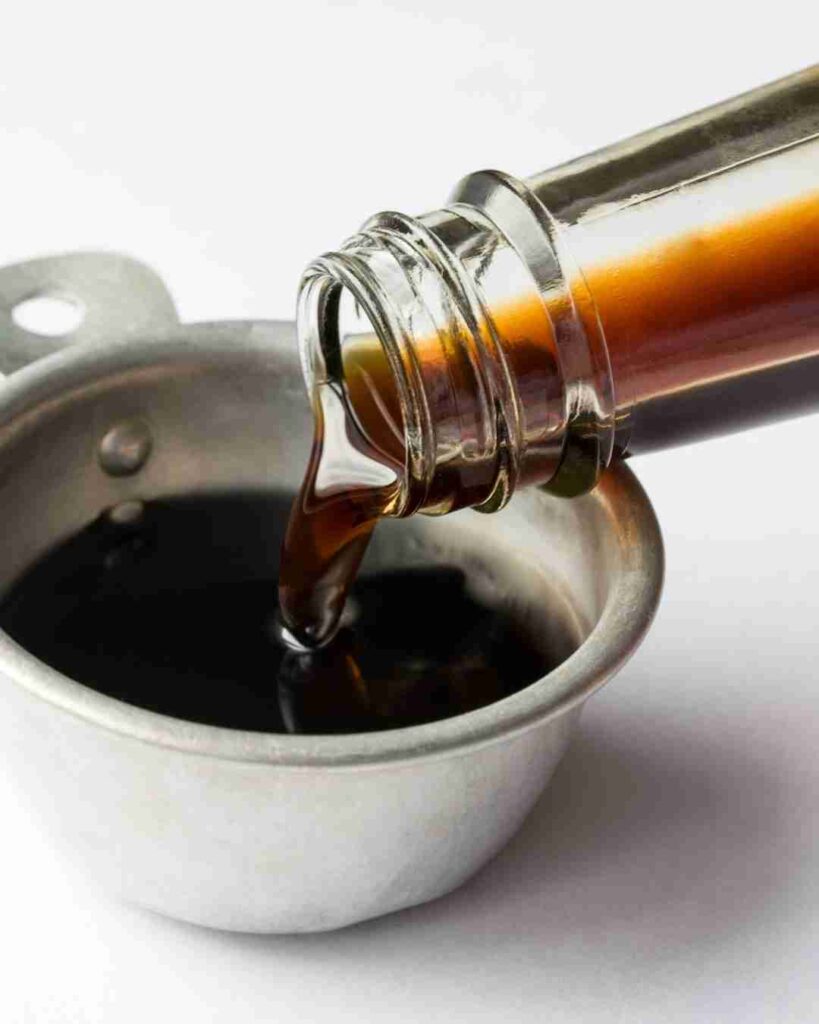
To understand “what is coconut aminos?”, you first need to understand what it isn’t. It is not made from the coconut meat (like coconut milk) or the coconut water you drink after a workout.
Coconut aminos ingredients are deceptively simple. Most bottles contain only two items:
- Organic Coconut Tree Sap
- Sea Salt (or mineral-rich sun-dried salt)
The Production Process
The magic lies in the fermentation. The “sap” comes from the coconut blossom (the inflorescence). Farmers climb the coconut trees and tap the unopened flowers to collect the nutrient-rich nectar, much like tapping a maple tree for syrup.
This nectar is then fermented. Because of the natural sugars and bacteria present in the sap, it undergoes an aging process. Unlike soy sauce, which requires wheat and soy beans to ferment, coconut sap ferments on its own. The result is a dark, savory liquid. Sea salt is added to preserve it and enhance the flavor.
What Is Coconut Aminos Powder?
While the liquid form is most common, you may also find coconut aminos powder or “coconut amino seasoning sauce” packets. This is simply the dehydrated version of the liquid.
It is often used in spice rubs or dry seasoning blends where you want that umami punch without adding moisture to the dish.
What Do Coconut Aminos Taste Like?
If you are expecting it to taste like a piña colada or coconut oil, you will be surprised. What does coconut aminos taste like?
The flavor profile is savory, slightly sweet, and distinctively umami.
Sweet vs. Salty Balance
The most immediate difference you will notice is the sweetness. Because it is made from coconut sap (which is also used to make coconut sugar), there is a natural caramel-like sweetness that you don’t get in traditional soy sauce.
- Soy Sauce: Sharp, salty, metallic, acidic.
- Coconut Aminos: Mellow, buttery, sweet, savory.
Does Coconut Aminos Taste Like Soy Sauce?
Yes and no. It occupies the same flavor category as dark, salty, and rich. If you use it in a stir-fry with garlic and ginger, you likely won’t notice a huge difference. However, if you taste it raw off a spoon, it lacks the harsh, salty “bite” of soy sauce. It is smoother and much more palatable on its own.
Coconut Aminos vs Soy Sauce (In-Depth Comparison)
This is the most common question for shoppers: Coconut aminos vs soy sauce: What’s better?
To make an informed decision, we must look at the hard data.
Comparison Table
| Feature | Soy Sauce (Standard) | Coconut Aminos | The Winner |
| Main Ingredients | Soybeans, Wheat, Salt, Alcohol | Coconut Sap, Sea Salt | Coconut (Cleaner) |
| Allergens | Soy, Gluten (Wheat) | None (Top 14 Free) | Coconut |
| Sodium (per tsp) | ~300 mg | ~90 mg | Coconut (Lower Sodium) |
| Taste | Salty, Sharp | Sweet, Savory | Subjective |
| Calories (per tsp) | 3 | 15 | Soy Sauce |
| Sugar (per tsp) | 0g | 1g | Soy Sauce |
| Price | Low ($) | High ($$$) | Soy Sauce |
The “Gluten & Soy” Factor
The biggest driver for the switch is allergies. Is coconut aminos the same as soy sauce? Functionally, yes. Chemically, no.
Traditional soy sauce is brewed with wheat, making it dangerous for those with Celiac disease. It is also 100% soy-based, which is a top allergen.
Coconut aminos is naturally free from both, making it the safest bet for allergy-friendly cooking.
Sodium Levels
What’s the difference between soy sauce and coconut aminos regarding heart health? Coconut aminos contain roughly 60% to 70% less sodium than traditional soy sauce.
Even compared to “low-sodium” soy sauce, coconut aminos usually come out lower. This makes it a fantastic option for those monitoring their blood pressure.
Coconut Aminos vs Liquid Aminos vs Tamari
The condiment aisle gets confusing with so many “aminos” on the shelf. Let’s clarify the liquid aminos vs coconut aminos debate.
1. Liquid Aminos (e.g., Bragg’s)
- What is it? A liquid protein concentrate derived from soybeans. It is not fermented; it is treated with acidic solutions to break down the soy protein into amino acids.
- Taste: Extremely salty. Much saltier than coconut aminos.
- Diet: Gluten-free, but contains soy.
2. Tamari
- What is it? A Japanese form of soy sauce made with little to no wheat.
- Taste: Richer and thicker than regular soy sauce, but still very salty.
- Diet: Usually Gluten-free (check the label), but contains soy.
3. Coconut Aminos
- What is it? Fermented coconut sap.
- Taste: Sweet and savory.
- Diet: Soy-Free AND Gluten-Free.
Summary: If you can eat soy, Tamari is the closest taste match to traditional soy sauce. If you cannot eat soy, Coconut Aminos is the only viable alternative in this list.
Is Coconut Aminos Gluten-Free, Soy-Free & Allergen-Friendly?
For the allergy community, this product is a lifesaver.
Is Coconut Aminos Gluten Free?
Yes. There is no grain involved in the production of coconut aminos. It is naturally gluten-free. Most reputable brands (like Coconut Secret or Big Tree Farms) are certified gluten-free, ensuring no cross-contamination.
Is It Soy-Free?
Yes. Despite the savory taste resembling soy sauce, there is absolutely no soy in the bottle. It is safe for those with soy allergies or those avoiding phytoestrogens.
Paleo & Whole30 Compatibility
Are coconut aminos gluten-free and Paleo? Yes.
- Paleo: Approved (No legumes/soy).
- Whole30: Approved (No added sugar, soy, or grains).
- AIP (Autoimmune Protocol): Approved.
Because it is made from a natural sap without industrial additives or MSG, it is compliant with almost every strict anti-inflammatory diet.
Is Coconut Aminos Healthy? Nutrition & Benefits
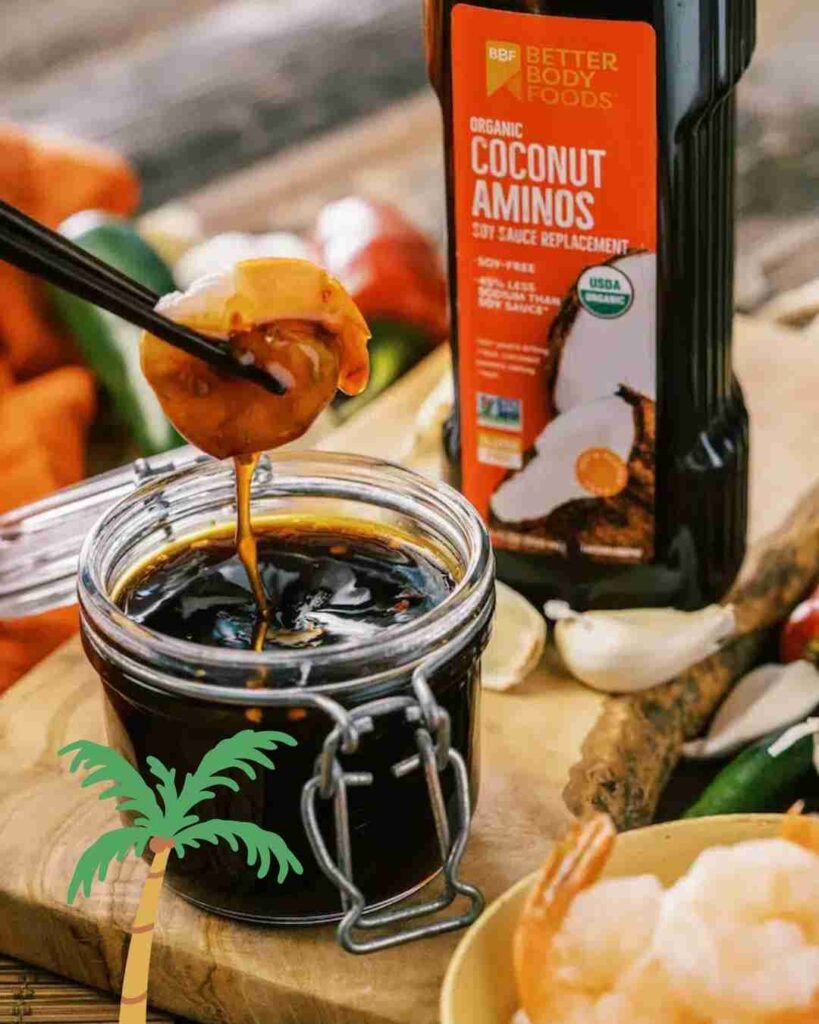
We know it is “safer” for allergies, but is coconut aminos healthy in terms of nutrition?
Calories & Carbs
Unlike soy sauce, which is nearly zero calories, coconut aminos does contain energy.
- Calories: ~15 calories per teaspoon.
- Carbohydrates: ~3 grams per teaspoon (mostly sugars).
While this seems low, if you use a quarter cup in a marinade, the sugar adds up. It is not a “diet food” in the sense of being calorie-free, but it is a whole food.
Health Benefits of Coconut Aminos
- Reduced Sodium Intake: This is the primary health benefit. Replacing high-sodium soy sauce with coconut aminos can significantly lower your daily salt intake, reducing water retention and blood pressure strain.
- Microbiome Support: As a fermented food, fresh coconut sap contains probiotics. However, the pasteurization required for bottling shelf-stable sauces likely kills most active bacteria. However, the prebiotic fibers may still support gut health.
- Antioxidant Properties: Coconut sap contains phenolic compounds, which are antioxidants that help fight oxidative stress in the body.
Are Coconut Aminos Good for You?
Generally, yes. It is a cleaner, less processed alternative to condiments filled with MSG, caramel color, and preservatives.
What Amino Acids Are in Coconut Aminos? (Fact vs Marketing)
The name itself, Coconut Aminos, implies it is packed with amino acids (the building blocks of protein). But is this true?
What amino acids are in coconut aminos?
Coconut sap contains 17 distinct amino acids, including glutamic acid (which gives it the savory taste), threonine, and aspartic acid.
- The Reality Check: While the variety is there, the quantity is low. You would have to drink gallons of the sauce to get the same protein benefit as a piece of chicken.
- Marketing Alert: Do not rely on coconut aminos as a protein source. The term “aminos” is used largely to distinguish it from soy sauce and align it with health-food marketing, not because it is a protein supplement.
Coconut Aminos & Special Diets
Beyond Paleo and Gluten-Free, how does it fit into medical diets?
Is Coconut Aminos Low FODMAP?
According to Monash University (the leading authority on IBS diet), coconut aminos is considered Low FODMAP in small servings (typically 1 teaspoon to 1 tablespoon).
- Caution: Larger servings may contain higher levels of fructans due to the coconut content. If you are very sensitive to coconut or fruit sugars, start small.
Is Coconut Aminos Acidic?
The pH of coconut aminos is generally around 5.0–5.5. This makes it slightly acidic, but less acidic than vinegar or lemon juice.
- Alkaline Diets: After digestion, coconut minerals (potassium) generally have an alkalizing effect on the body, similar to fruits.
Histamine Intolerance
Are coconut aminos low histamine? Fermented foods are usually high in histamine. However, many people with histamine intolerance report tolerating coconut aminos better than soy sauce or vinegar. It depends on the fermentation duration. If you are on a strict low-histamine diet, proceed with caution.
Coconut Aminos Side Effects & Downsides
No food is perfect. What are the coconut aminos side effects?
- Cost: It is significantly more expensive than soy sauce—often 3x to 4x the price per ounce.
- Sugar Content: If you are Keto or diabetic, be aware that 1 tsp has roughly 1g of sugar. A heavy pour in a stir-fry could add 10-15g of sugar to your meal.
- Sodium: While “lower” sodium, it is “no sodium.” If you have kidney issues or severe hypertension, it is still a salt source.
- Taste Adjustment: If you crave the harsh saltiness of traditional soy sauce, you might find coconut aminos too sweet or “weak.”
What Is Coconut Aminos Used For? (Cooking Uses)
Now that you bought a bottle, what is coconut aminos used for? It is surprisingly versatile.
1. The Perfect Stir-Fry Sauce
This is the most common use. Use a 1:1 ratio to replace soy sauce. Because of the natural sugars, it caramelizes beautifully on vegetables and meats, creating a sticky, glossy glaze that soy sauce can’t achieve on its own.
2. Marinades for Meat & Fish
The acidity and enzymes in the fermented sap help tenderize meat.
- Recipe Idea: Mix coconut aminos, garlic powder, ginger, and sesame oil for a salmon marinade.
3. Dipping Sauce (Sushi & Dumplings)
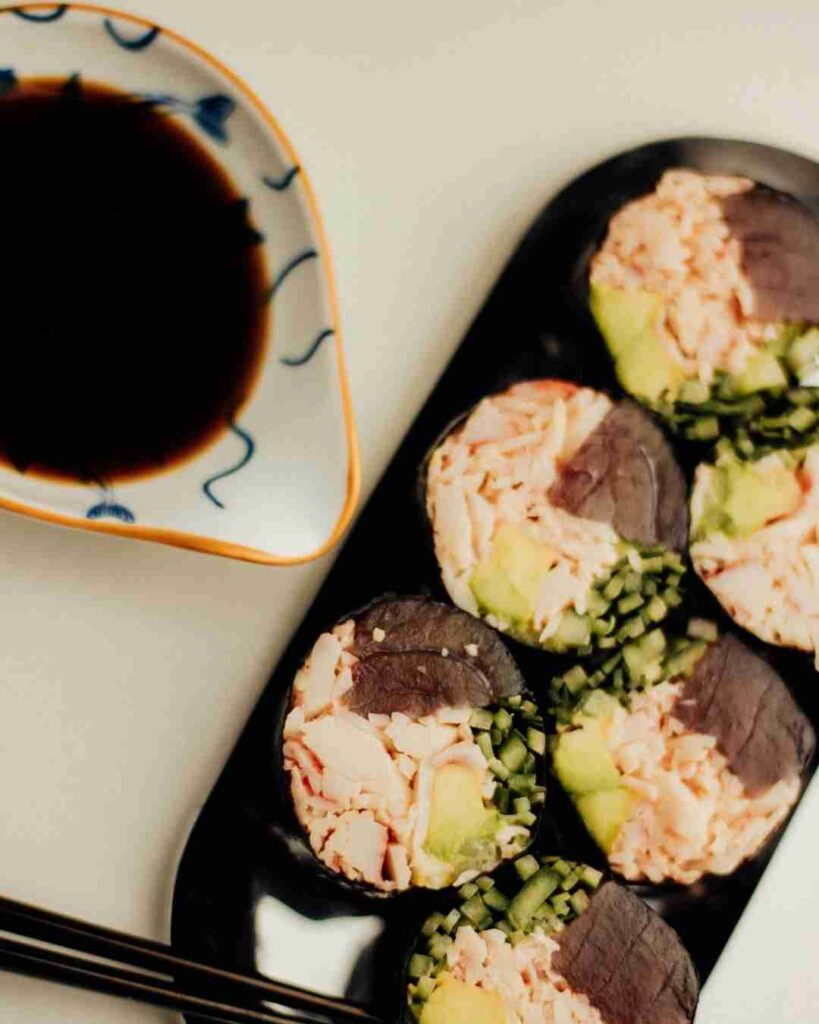
Uses for coconut aminos extend to the raw table. It is excellent for dipping sushi, sashimi, or potstickers.
- Tip: Add a drop of wasabi or chili oil to balance the sweetness.
4. Salad Dressings
Mix with olive oil and lime juice for an Asian-inspired vinaigrette. It adds depth without the overpowering saltiness of soy sauce.
5. Popcorn Seasoning
Mist your popcorn with a little oil and spray coconut aminos on top for a savory-sweet “kettle corn” vibe.
Coconut Aminos Substitute Guide
Ran out of the bottle? Or maybe you find it too expensive? Here is your coconut aminos substitute cheat sheet.
1. Soy Sauce + Honey (The Reverse Swap)
If a recipe calls for coconut aminos but you only have soy sauce:
- Use 1 tbsp Soy Sauce + 1 tsp Honey (or maple syrup).
- Add a splash of water to dilute the saltiness.
2. Tamari + Water
What is a substitute for coconut aminos if you are gluten-free?
- Use Tamari diluted with water (3 parts Tamari, 1 part water) and a pinch of sugar.
3. DIY Low-Sodium Sauce
Mix beef or vegetable broth with a splash of balsamic vinegar and sea salt. This mimics the dark color and savory depth without the soy.
When NOT to Substitute
If you are cooking for someone with a soy allergy, never use soy sauce, liquid aminos, or standard tamari as a substitute. Stick to salt and balsamic vinegar if you have no coconut aminos.
Do Coconut Aminos Go Bad? Storage & Shelf Life
You found an old bottle in the back of the pantry. Do coconut aminos go bad?
Do Coconut Aminos Need to Be Refrigerated?
Yes, after opening.
- Unopened: Store in a cool, dark pantry. It lasts 12–18 months.
- Opened: It must be refrigerated. Because it is a fermented product with natural sugars and less salt than soy sauce, it is more prone to spoilage if left warm.
Signs of Spoilage
- Fizzing: If the bottle hisses or the liquid is bubbly when you open it, it has re-fermented. Discard it.
- Smell: It should smell savory and sweet. If it smells like vinegar, acetone, or yeast, it has turned.
- Mold: While rare, mold can grow on the cap.
Where to Buy Coconut Aminos (Global Guide)
Years ago, this was a specialty item. Now, you can find where to buy coconut aminos almost anywhere.
Grocery Store Aisle
Where do you find coconut aminos in the grocery store?
Look in the “Asian Foods” or “International” aisle, right next to the soy sauce and teriyaki sauce.
- Alternatively, check the “Health Food” or “Gluten-Free” section.
Regional Availability
- USA: Whole Foods, Trader Joe’s, Walmart, Kroger, Sprouts.
- What is coconut aminos UK: Available at Waitrose, Holland & Barrett, and larger Tesco/Sainsbury’s (often in the “Free From” section).
- What is coconut aminos in Australia? Woolworths and Coles stock brands like “Niulife” or “Melrose” in the health food aisle.
Popular Coconut Aminos Brands Reviewed
Not all bottles taste the same. Here is a breakdown of the top players.
1. Coconut Secret Coconut Aminos
- The Original: This is the most recognizable brand (green label).
- Taste: Very balanced, classic sweet-savory flavor.
- Sodium: 270mg per tbsp.
- Verdict: The gold standard for consistency.
2. Trader Joe’s Coconut Aminos
- The Budget Pick: Significantly cheaper than other brands.
- Taste: Coconut aminos from Trader Joe’s tend to be slightly sweeter and thinner than Coconut Secret.
- Verdict: Best for marinades where you are using a large quantity.
3. Bragg Coconut Aminos
- The Soy Alternative: Famous for their liquid aminos, Bragg now makes a coconut version.
- Taste: Slightly more savory/salty, closer to soy sauce than the others.
- Verdict: Best for die-hard soy sauce fans transitioning over.
4. Big Tree Farms (Coco Aminos)
- The Ethical Pick: Fair-trade certified.
- Taste: Rich, dark, and smoky.
- Verdict: Excellent for dipping sauces.
Coconut Aminos for Hair, Skin & Beauty Uses
This is a weird corner of the internet. What is coconut aminos good for hair?
The Myth
Some people confuse “coconut aminos” with coconut oil or coconut protein treatments.
Reality: Do not put coconut aminos on your hair. It is sticky, sugary, and smells like savory sauce. While the amino acids are theoretically good for hair, the sugar content makes it a terrible leave-in product. Stick to coconut oil for your beauty routine and keep the aminos for your stir-fry.
Frequently Asked Questions (PAA-Optimized)
What is the point of coconut aminos?
The main point is to provide a savory, umami-rich seasoning that is free from soy, gluten, and excessive sodium. It allows people with allergies or strict diets to enjoy Asian-style dishes.
Is coconut aminos healthier than soy sauce?
For most people, yes. It has significantly less sodium (protecting heart health) and no allergenic soy or wheat. However, it does contain more sugar/calories than soy sauce.
Does coconut aminos taste like soy sauce?
It is very similar but noticeably sweeter and less harsh. It lacks the metallic, super-salty bite of soy sauce but provides the same rich color and savory depth.
Are coconut aminos low FODMAP?
Yes, in serving sizes of 1 teaspoon to 1 tablespoon, it is considered low FODMAP and safe for most IBS sufferers.
Do coconut aminos need refrigeration?
Yes. Once opened, you should keep the bottle in the fridge to maintain freshness and prevent fermentation/spoilage.
Final Verdict: Is Coconut Aminos Worth Using?
So, is coconut aminos good for you and worth the extra cost?
The Verdict:
- BUY IT IF: You are Gluten-Free, Paleo, Whole30, allergic to soy, or trying to drastically cut your sodium intake while still enjoying flavorful food. It is the undisputed king of soy sauce alternatives.
- SKIP IT IF: You have no dietary restrictions, are on a strict budget, or dislike sweet-savory flavor profiles. Traditional soy sauce is cheaper and provides that classic salt punch without the sugar.
What is coconut aminos? Ultimately, it is more than just a substitute. It is a unique, delicious condiment in its own right—a sweet, savory, umami nectar that brings vegetables and meats to life without the bloat of high sodium. Give it a try; you might just prefer it over the real thing.
References & Further Reading
- USDA FoodData Central: Organic Coconut Aminos Seasoning Sauce Nutrition.
- Monash University: Low FODMAP Diet App & Guide.
- Whole30: The Official Whole30 Rules & Recommendations.
- Healthline: Coconut Aminos: Benefits, Nutrition, and Risks.
Related Posts






Subscribe for New Racipies
Get mental health tips, updates, and resources delivered to your inbox.
Pâté au Saumon (Salmon Pie)

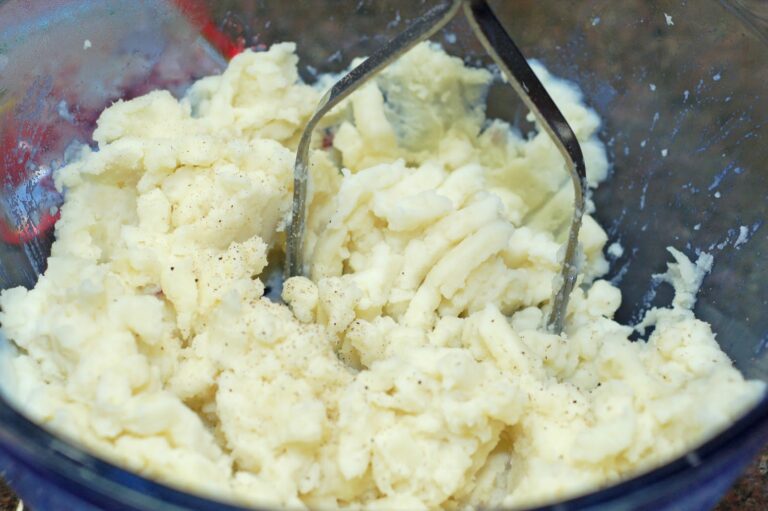

My grandmaman always made the best pies. Maple sugar pies, blueberry pies, raisin pies, etc. She always had a freezer full of homemade pies. But the one I used to ask her to make the most when I was younger is this dinner pie. It’s a simple pie, just mashed potatoes and a package of salmon. Of course grandmaman made her pie crust from scratch. That is on my bucket list of things to learn how to make. One day, when I have more free hours in a day, I will conquer it. For now I keep it simple and buy the ready made pie crusts.
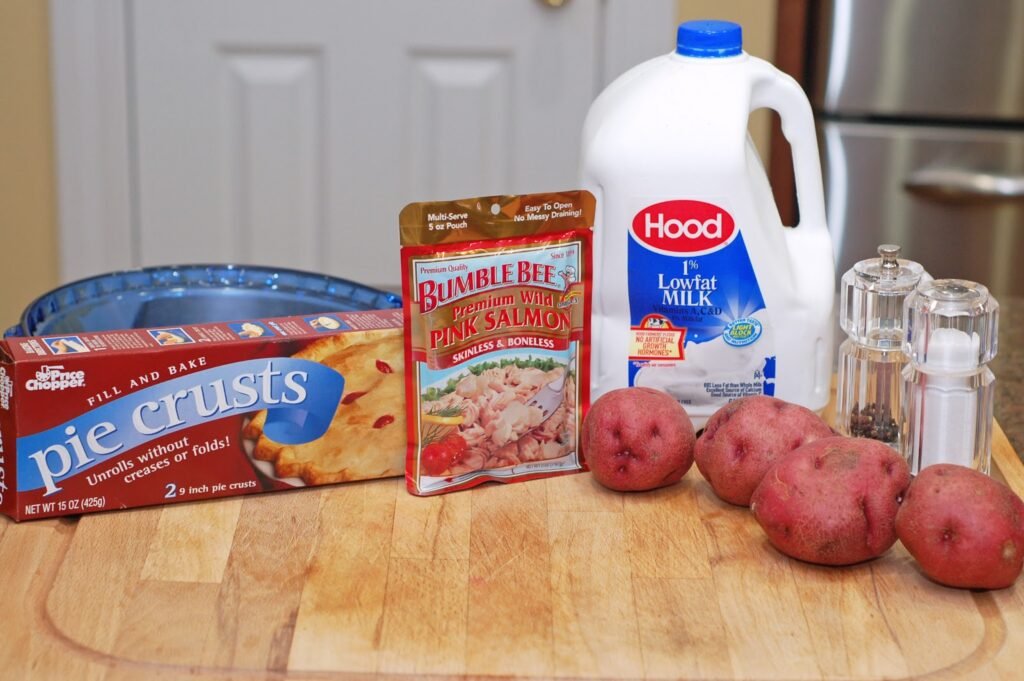
Grandmaman used to make this pie around Easter time, for those meatless Fridays during Lent. But this pie is great for any day of the week. It’s easy to make and it tastes great.

You can boil your potatoes on the stove-top, but I actually boil mine in the microwave with my Pampered Chef Rice Cooker. Only 10 minutes and they are fork tender.

You want the mashed potatoes to be moist, but not watery. You don’t want a soggy pie crust.
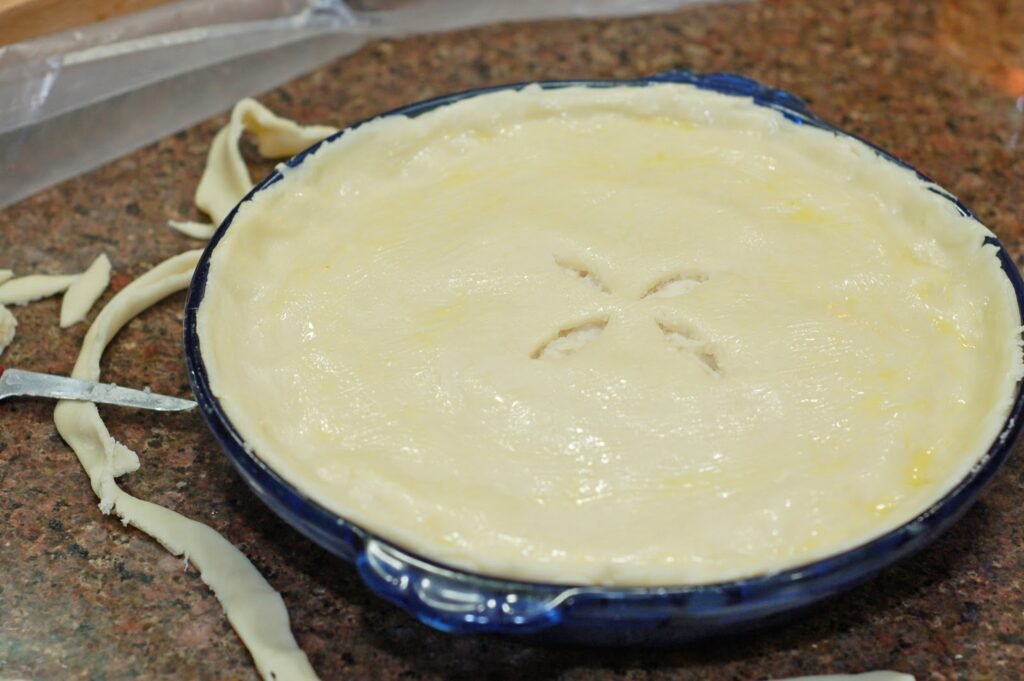
I did end up adding a light egg wash over the crust before putting it in the oven to to get it to have a golden glow.

Typically in Quebec, they just slap on some ketchup and call it a meal. And I am ok with that. That is how I grew up eating it. But, this time I wanted to fancy it up a bit, so I made a a creamy lemon dill sauce to accompany it.

Since Chobani was kind enough to send me some of their tasty Greek style yogurts to sample, I wanted to incorporate them into the sauce. If you haven’t tried their yogurt yet, I highly recommend you try it. And no they didn’t pay me to say that. I have been eating their yogurt for a while now and like it better than the Yoplait I used to eat. It does have a slightly sour aftertaste, but the the texture is smoother and the flavored ones don’t have that overly sweet taste that the other yogurts have. I have used it in smoothies and some of my desserts with great results. Even my little ones like Chobani.

I was really pleased at how creamy this sauce came out. I think it would make a great veggie dip also. I just put it on my slice of pie cold, but you can warm it up a little in the microwave if you like.
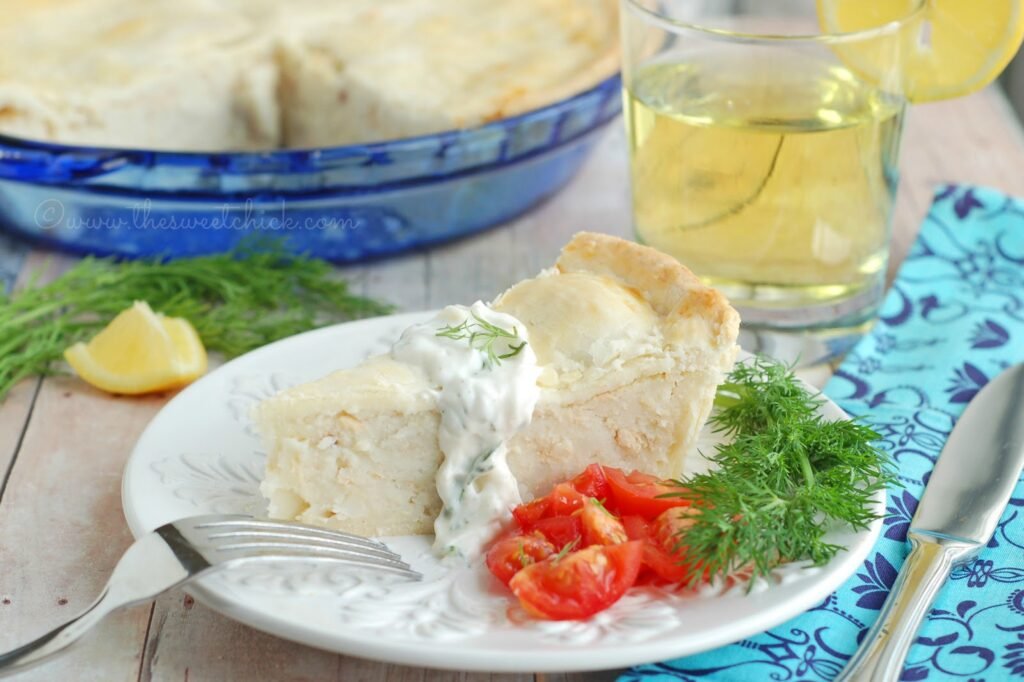
You can serve this up with a side of veggies, or a salad. Either way, it makes for a delicious meal. And for those of you that are curious, yes my grandmaman is still alive and very healthy. She just happens to live in an assisted living type facility and does not have a kitchen in her small apartment, so she doesn’t cook anymore. I miss her pies.
Pâté au Saumon (Salmon Pie)
by The Sweet Chick
Prep Time: 20 minutes
Cook Time: 15-20 minutes
Keywords: bake entree salmon mashed potatoes greek yogurt lemon Easter pie French Canadian
Ingredients (6-8 servings)
For the pie
- 4 or 5 medium potatoes
- 1/2 cup milk
- 1 tablespoon butter
- 1 (5 oz.) package pink salmon (skinless, boneless)
- 2 – 9inch ready made pie crusts
- 1 egg
- salt and pepper to taste
For the sauce
- 1/2 cup Chobani greek yogurt, plain
- 1/3 cup mayonaise
- 1 tablespoon chopped fresh dill
- 1/2 teaspoon grated lemon peel
- 1 tablespoon fresh lemon juice
- 1/8 teaspoon pepper
Instructions
For the pie
Preheat oven to 375º F.
Peel and cut potatoes into halves, place in a medium pot and cover with water.
Bring water up to a boil over medium high heat on stove top and boil for 10-15 minutes or until potatoes are fork tender.
Drain potatoes and place in a large bowl. Mash potatoes until no longer lumpy.
Add butter and milk and mix by hand until completely blended. Then add salt and pepper to taste. (I am usually a little heavy on the salt.)
Add in the salmon and mix until all incorporated.
In a 9 1/2 inch pie plate, place the first pie crust at the bottom and fill with the potato/salmon mixture.
Next, place the second pie crust over the mixture. With your hands or a fork, go around the entire pie and press the two pie crusts together at the edges to seal. Cut off any excess crust with a knife.
Cut 3 or 4 small slits in the top crust to vent.
In a small bowl whisk the egg and with a pastry brush, brush a thin layer over the top pie crust.
Place pie in the oven and bake for 15-20 minutes or until the crust is a golden color and flaky.
Remove from oven and let sit for 5 minutes before serving.
For the sauce
Place all ingredients in a medium bowl and mix until well blended, then serve with the pie. If you want you can warm up the sauce in the microwave for 15-20 seconds or until desired temperature is achieved.
Related Posts



Subscribe for New Racipies
Get mental health tips, updates, and resources delivered to your inbox.