
How Much Caffeine Is in a Java Monster? Full Breakdown by Flavor, Nutrition & Comparison

Medically reviewed by Dr. Aris Thorne Updated Date: May 3, 2026
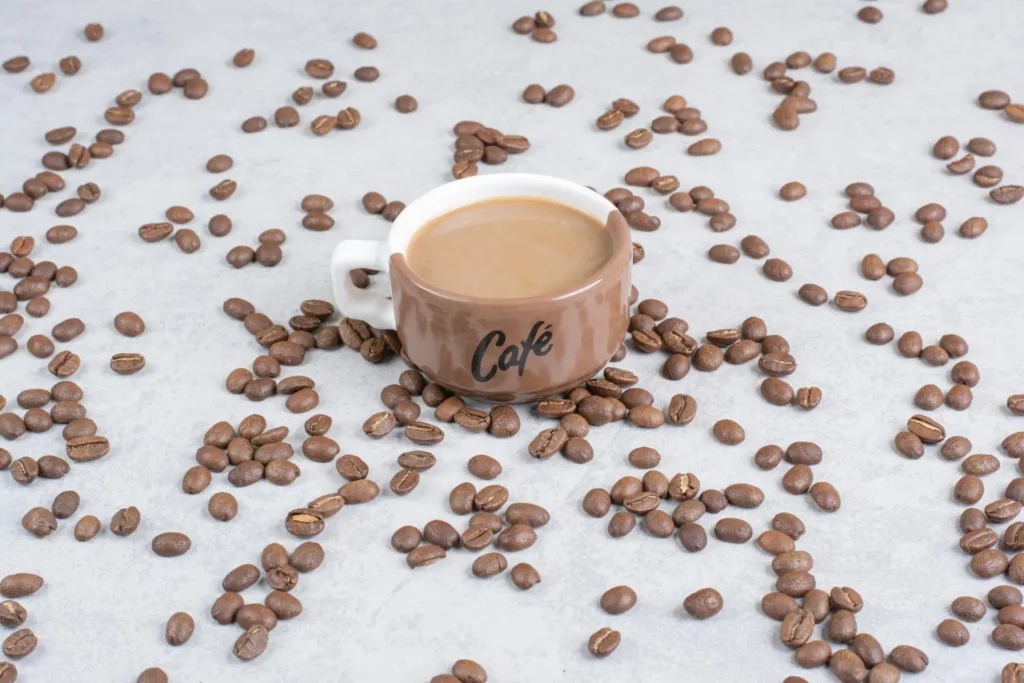
Many patients visit my clinic asking how much caffeine is in a Java Monster. They frequently bring these popular cans directly into their medical appointments. As a board-certified physician specialising in public health, I deeply understand these everyday concerns. We must carefully analyse these hybrid functional beverages to protect your long-term cardiovascular health.
Many young professionals rely heavily on these specific drinks for instant morning energy. However, mixing strong coffee with powerful artificial energy supplements creates a massive, unprecedented stimulant load. Therefore, understanding the exact milligram count becomes absolutely crucial for your daily safety and heart health.
I regularly evaluate these popular daily habits to prevent serious medical events like severe heart palpitations. Consequently, this comprehensive guide will break down the exact nutritional science behind these specific drinks. Let us examine the clinical facts, sugar content, and physiological impacts together right now.
TL;DR: Quick Overview
- A standard 15-ounce retail can contains exactly 200 milligrams of active central nervous system stimulants.
- The manufacturer expertly blends premium brewed coffee with their signature, highly concentrated energy ingredients.
- This specific dosage provides significantly more immediate energy than a traditional morning coffee.
- Certain high-octane variations, like the 300 series, contain a massive, potentially dangerous 300-milligram dose.
- Healthy adults can safely consume one can daily only if they aggressively monitor their total overall intake.
The Exact Caffeine Content in a Java Monster Can
People frequently ask me about the exact stimulant dosage hidden in these hybrid beverages. A standard 15-ounce can contains roughly 200 milligrams of active central nervous system stimulants. This specific amount places it firmly in the very high-caffeine category of commercial drinks.
In my daily clinical practice, I consider 200 milligrams to be a highly potent dietary dose. Furthermore, this specific high dosage remains incredibly consistent across nearly all of their popular retail flavors. You will receive a massive energy surge regardless of the specific colored can you choose.
Therefore, you must treat this beverage exactly like a very powerful medical supplement. Many patients mistakenly treat it like a harmless, sweet morning iced coffee from a local cafe. Consequently, they accidentally consume dangerous amounts of stimulants before their lunch break even arrives.
Stimulant Levels Sorted by Beverage Size
Understanding the exact physical volume of your drink directly impacts your total daily physiological safety. The manufacturer occasionally produces different can sizes depending on specific international markets and promotions. Please review this clinical comparison chart for exact measurements across different physical volumes.
| Container Size | Approximate Volume | Stimulant Content |
| Small European Can | 250 ml | ~110 mg |
| Standard US Can | 444 ml (15 oz) | ~200 mg |
| Large Metric Can | 500 ml | ~220 mg |
As you can clearly see, the physical container size drastically alters your total chemical intake. Therefore, you must always read the physical nutritional label on the specific can you purchase. A larger can means significantly more physiological stress placed directly on your beating heart.
Analyzing the Stimulant Dose by Specific Flavor
Many consumers falsely believe that sweeter, creamier flavors contain significantly fewer active stimulants. However, the manufacturer completely standardizes the raw energy blend across almost all their primary offerings. Let us examine the exact numbers for their most popular current retail flavors.
| Flavor Name | Approximate Stimulant Content |
| Mean Bean | ~200 mg |
| Loca Moca | ~200 mg |
| Salted Caramel | ~200 mg |
Consequently, choosing a different flavor will not suddenly lower your total daily chemical intake. First of all, the Mean Bean and Loca Moca variations utilize the exact same powerful energy base. Similarly, the Salted Caramel version delivers the exact same massive physiological punch to your system.
I always warn my patients not to let the excessively sweet taste fool their brains. You might think you are simply drinking a harmless caramel beverage. However, the caloric and sugar density is more comparable to eating a heavy dessert, like indulgent triple chocolate nutella cookies.
Comparing This Hybrid Beverage to Traditional Coffee

To properly evaluate this specific drink, we must directly compare it to traditional home-brewed coffee. A standard eight-ounce cup of black home-brewed coffee contains roughly 80 to 100 milligrams of stimulants. Therefore, this specific hybrid beverage provides more than double that traditional, natural amount.
Drinking just one single can equals drinking two and a half cups of coffee rapidly. In my medical clinic, I regularly treat patients who casually drink two entire cans daily. Consequently, they consume the equivalent of five strong cups of coffee before noon.
If you truly crave a coffee flavor profile combined with sweetness, there are much safer ways to indulge. Pairing a standard black coffee with homemade no-bake mochaccino cookies allows you to completely control your sugar and stimulant intake. This way, you avoid the massive chemical load that dramatically accelerates your resting heart rate.
Comparison Against Other Popular Monster Beverages
My patients frequently switch between different energy drink brands without ever checking the back labels. They wrongly assume all cans from the exact same manufacturer contain identical stimulant doses. However, the exact physiological impact varies wildly between different specific product lines.
| Specific Beverage | Approximate Stimulant Content |
| Java Monster | ~200 mg |
| White Ultra Series | ~150 mg |
| Standard Zero Sugar | ~140–160 mg |
As a result, this coffee hybrid remains significantly stronger than the widely popular White Ultra series. If you normally drink the zero-sugar versions, switching to the coffee hybrid massively increases your intake. You will rapidly consume an extra fifty milligrams of active, heart-pumping stimulants per can.
Therefore, you must remain incredibly vigilant when grabbing a random, colorful can at the local store. Never assume that a coffee-flavored drink provides a lighter or gentler mental lift. In fact, it typically provides one of the absolute strongest chemical boosts available commercially today.
Comprehensive Review of the Nutrition Facts
Beyond the massive stimulant load, we must carefully analyze the overall macronutrient profile of this drink. Traditional black coffee contains virtually zero calories and absolutely zero grams of added sugar. However, this specific hybrid beverage functions much more like a heavy, liquid dessert.
A single 15-ounce can typically packs around 220 total dietary calories into your morning routine. Furthermore, it aggressively loads your system with roughly 35 grams of highly processed industrial sugar. To put this in perspective, drinking one can is like eating several mini hot chocolate donuts in a matter of minutes.
From a public health perspective, this massive sugar dump severely damages your natural metabolic function. The manufacturer heavily combines heavy dairy fats with incredibly high amounts of sweet corn syrups. Consequently, this drink rapidly spikes your blood glucose levels almost immediately after consumption.
Breaking Down the Physical Nutrition Label
Complete transparency remains absolutely vital when you evaluate any modern dietary supplement or energy drink. We must deeply examine the exact physical ingredients officially listed on the back panel. The primary foundation consists of premium brewed Arabica coffee mixed directly with filtered water.
Next, the company aggressively adds skim milk, heavy dairy cream, and highly processed liquid glucose. Furthermore, they utilize their signature energy blend featuring synthetic taurine, inositol, and raw extracted caffeine. Finally, they specifically fortify the liquid with several synthetic, lab-created B-complex vitamins.
The massive amount of heavy cream and sugar completely overshadows these tiny added vitamins. You are essentially drinking a heavily caffeinated milkshake rather than a legitimate health supplement. If you want a sweet treat alongside your morning routine, baking homemade chocolate maple donuts using real ingredients is a much more transparent choice.
How This Beverage Physically Affects Your Body
You must deeply understand exactly how these specific extracted chemicals interact with your human biology. First of all, the massive stimulant dose rapidly crosses your delicate blood-brain barrier. Consequently, it aggressively blocks the specific brain receptors that normally make your body feel tired.
Simultaneously, the 35 grams of heavy liquid sugar aggressively flood your entire digestive tract. Your pancreas immediately panic-pumps massive amounts of insulin to handle this sudden glucose spike, much like if you had eaten a massive block of dark chocolate Guinness fudge on an empty stomach. Therefore, you experience a violent, rapid surge of intense physical and mental energy.
However, this aggressive biological mechanism also causes a massive, unavoidable afternoon energy crash. Once the sugar metabolizes and the artificial stimulants finally wear off, severe physical exhaustion violently returns. I constantly see my patients trapped in this endless, dangerous daily cycle of chemical stimulation.
Is This Coffee Hybrid Actually Safe to Drink?
Physical safety always depends heavily on your individual physiological baseline and personal medical history. The United States federal health guidelines firmly cap safe adult daily intake at exactly 400 milligrams. Therefore, one single can strictly consumes fifty percent of your entire daily safety limit.
For a completely healthy adult, drinking one single can per day remains generally safe. However, you must aggressively track every other hidden caffeine source throughout your entire busy day. If you drink a morning coffee plus this hybrid beverage, you instantly hit the dangerous medical limit.
Furthermore, I heavily worry about the massive sugar content silently damaging your long-term cardiovascular health. Consuming 35 grams of liquid sugar daily drastically increases your clinical risk for developing prediabetes. Consequently, as a physician, I cannot officially classify this specific beverage as a truly healthy dietary choice.
Potential Adverse Physical Side Effects
Consuming highly concentrated stimulants on a regular basis carries massive inherent physiological risks. Chronic overconsumption rapidly leads to highly uncomfortable, and sometimes dangerous, acute clinical side effects. If you drink these specific cans too quickly, you will absolutely experience severe nervous system agitation.
Patients frequently visit my office reporting intense clinical anxiety, rapid resting heart rates, and muscle tremors. Furthermore, the massive sugar content completely destroys your natural digestive health over an extended period. You might easily experience severe stomach cramps, painful daily bloating, and chronic acid reflux.
Finally, drinking this powerful functional beverage late in the afternoon completely destroys your natural sleep cycles. The chemicals actively prevent your brain from achieving deep, restorative, healing REM sleep at night. Consequently, you wake up exhausted and immediately reach for another cold can the next morning.
Who Must Strictly Avoid This Specific Drink?
While generally considered safe for some, specific human populations must strictly avoid these powerful products entirely. I aggressively caution pregnant individuals against consuming any high-dose artificial chemical stimulants. High consumption rapidly restricts vital blood flow to the incredibly fragile, rapidly developing fetus.
Furthermore, growing teenagers must absolutely never consume these massive, concentrated stimulant doses. Their developing neurological systems remain incredibly sensitive to heavy artificial chemical manipulation and sleep disruption. In addition, individuals currently struggling with severe clinical anxiety should drastically limit their total intake.
Finally, patients with previously diagnosed diabetes or existing heart conditions must avoid this product entirely. The massive 35 grams of processed sugar will violently spike already dangerous blood glucose levels. Always prioritize direct, professional medical advice over clever, colorful commercial beverage marketing campaigns.
Analyzing the Extreme 300 Series Variant
Recently, the manufacturer intentionally released a significantly stronger variant aimed directly at extreme energy seekers. They specifically designed the controversial 300 series to deliver maximum central nervous system stimulation. Each can packs a terrifying, medically significant 300 milligrams of active stimulating compounds.
This specific, aggressive dosage pushes extremely close to the absolute maximum daily federal safety limit. I strongly advise all my patients to completely avoid this specific, extreme beverage variation. It places a massive, entirely unnecessary physical burden directly on your beating heart muscle.
Furthermore, this high-octane version significantly increases your immediate risk of experiencing severe cardiac arrhythmias. Only incredibly tolerant, highly conditioned individuals should ever consider drinking something this chemically powerful. For the average daily consumer, this massive dose remains completely dangerous and medically unnecessary.
Does It Contain More Energy Than Competitors?
Patients often wonder if this specific brand provides significantly more energy than rival energy companies. Yes, it generally contains slightly more active ingredients than your average, standard commercial energy drink. Most standard competitors provide roughly 150 to 160 milligrams per serving on average.
Therefore, hitting the 200-milligram mark firmly pushes it into the upper tier of commercial beverages. It firmly competes directly with other massive, high-dose extreme energy brands on supermarket shelves. You are absolutely purchasing one of the strongest widely available retail liquid options today.
Consequently, you must deeply respect the physical power contained within this specific aluminum can. It does not function as a casual, refreshing midday thirst quencher during a hot afternoon. It acts as a highly potent, medically significant chemical stimulant delivery system for your brain.
Quick Comparison Against the White Ultra
Many fitness enthusiasts and athletes heavily prefer the popular White Ultra version for their daily energy. We must briefly compare these two wildly different functional beverages for absolute clinical clarity. The White Ultra provides exactly zero sugar and roughly 150 milligrams of active stimulation.
Conversely, the coffee hybrid delivers massive liquid sugar and roughly 200 milligrams of raw energy. Therefore, the White version functions as a significantly cleaner, lighter physiological option for your body. It actively protects your metabolic health while still delivering a very moderate mental lift.
If you desperately need a midday boost, I strongly recommend reaching for the White zero-sugar version. The coffee hybrid simply contains too many empty liquid calories and heavy dairy fats. Choosing the lighter, sugar-free option drastically improves your overall long-term cardiovascular safety profile.
Frequently Asked Questions
How many exact milligrams of stimulation are in one can?
A standard 15-ounce retail can contains exactly 200 milligrams of active central nervous stimulating compounds. This specific, high dosage provides a massive surge of instant energy to your brain. You must carefully track this large amount to avoid exceeding standard federal safety guidelines.
Is this hybrid drink physically stronger than regular coffee?
Yes, it is significantly stronger than your standard home-brewed, drip morning coffee. Drinking one single can delivers the exact same physiological impact as two and a half cups. Therefore, it hits your biological systems much faster and significantly harder.
Do all the different flavors provide identical energy levels?
Yes, the manufacturer strictly standardizes the powerful energy blend across almost all popular flavors. Whether you choose the Mean Bean or Loca Moca, you still consume 200 milligrams. Consequently, you cannot avoid the massive chemical load by simply switching sweet flavors.
Can healthy adults safely consume this specific beverage daily?
Yes, healthy adults can generally tolerate one single can safely every single day. However, you must absolutely ensure your total daily chemical intake remains strictly below 400 milligrams. You must also account for the massive 35 grams of added liquid sugar.
What exactly is the extreme 300 version?
The 300 series represents a highly concentrated, extreme variation of the standard commercial beverage. It packs a massive 300 milligrams of active stimulants into a single, standard aluminum can. I strongly advise most patients to completely avoid this potentially dangerous, high-octane version.
Conclusion
Navigating the modern functional beverage aisle often feels incredibly overwhelming and medically confusing. Colorful cans and clever marketing constantly obscure the actual nutritional science behind these products. However, analyzing the pure clinical data allows you to make significantly safer dietary choices.
This specific hybrid beverage successfully blends premium coffee with a massive, powerful energy complex. It undeniably provides a highly effective, instant surge of intense physical and mental focus. However, this massive energy strictly comes heavily packaged with dangerous amounts of processed sugar.
For the average healthy adult, it functions adequately as an occasional, rare morning treat. However, you absolutely cannot rely on these powerful liquid chemicals for your daily survival. Eventually, the massive sugar loads and heavy stimulants will physically damage your cardiovascular system.
Ultimately, your long-term metabolic health heavily depends on your strict personal awareness. You must continuously monitor your individual physiological reactions to these powerful botanical compounds. If you ever experience sudden heart palpitations, please consult your primary physician immediately. Now, you finally know exactly how much caffeine is in a java monster.
Evidence-Based References:
- Centers for Disease Control and Prevention—The Buzz on Energy Drinks
- World Health Organization—Sugars intake for adults and children
- U.S. Food and Drug Administration — Spilling the Beans: How Much Caffeine is Too Much?
- MedlinePlus — Caffeine
- World Health Organization — Sugars intake for adults and children
- National Institutes of Health — Energy Drinks and Their Impact on the Cardiovascular System: Potential Mechanisms and Clinical Correlates
- National Library of Medicine — Caffeine effects on sleep taken 0, 3, or 6 hours before going to bed
- American Heart Association — Added Sugars
- Mayo Clinic — Caffeine content for coffee, tea, soda and more
- The American College of Obstetricians and Gynecologists — Moderate Caffeine Consumption During Pregnancy
- National Library of Medicine — Caffeine can decrease insulin sensitivity in humans
Related Posts


Subscribe for New Racipies
Get mental health tips, updates, and resources delivered to your inbox.
Lamb’s Quarters Frittata, Or Spinach’s Hillbilly Cousin

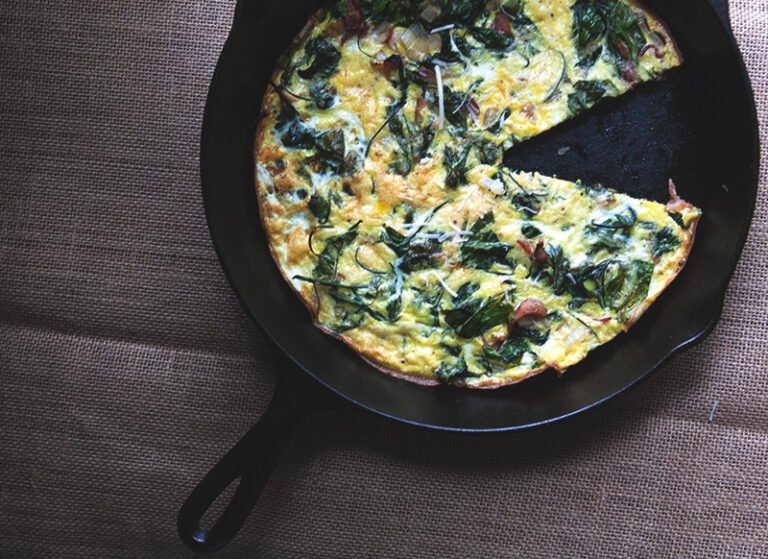
First, a confession: this frittata was merely a convenient way for me to consume my latest discovery, lamb’s quarters.
I picked up lamb’s quarters from the Union Square Greenmarket last weekend completely on a whim. I’d simply stood in front of a row of bins of greens and picked the one with the most appealing name. Lamb’s quarters is a pretty cute name, isn’t it? Apparently, it’s also known as pigweed. If I had seen that on the sign, well, you wouldn’t be reading a blog post about pigweed.
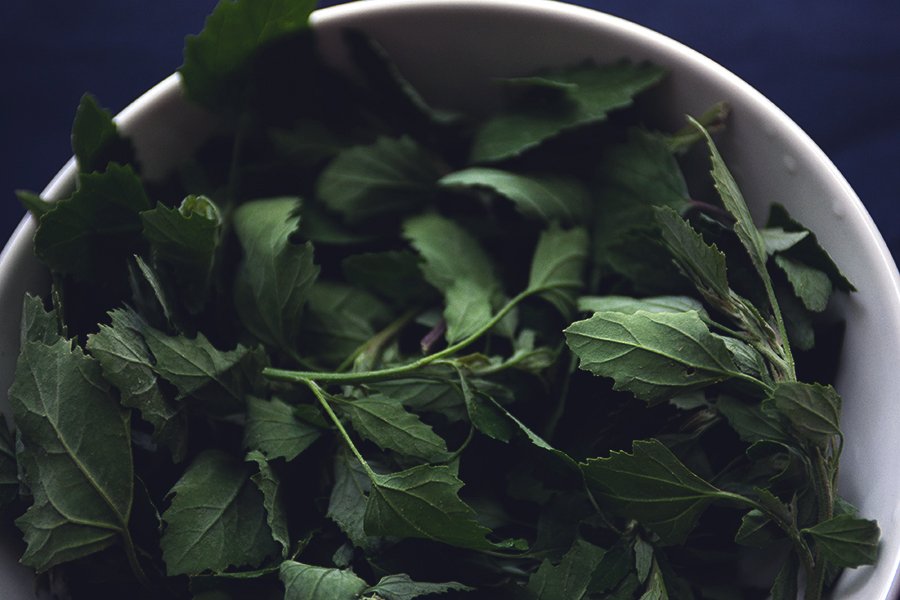
Lamb’s quarters is my introduction to the world of wild edibles… otherwise known as weeds. Hahaha. But seriously, I actually really love the idea of eating the stuff because I see them as just another form of heirlooms. Because they’re considered noxious, they’re underrated, local, not mass-farmed, not cultivated in any way… and the properties about them which make them unique are preserved. The purity of their taste, smell, feel, appearance is retained.
I intend to explore this plant realm more fully.

Lamb’s quarters actually grows like crazy. Apparently it’s all over Central Park, although it’s easily confused with epazote, which is toxic if eaten in large quantities. It’s incredibly healthy, full of beta carotene, calcium, potassium, iron. It even leaves behind that same chalky feeling on your teeth after you eat spinach. Coincidentally, it’s often referred to as wild spinach and is said to taste like it. I wouldn’t agree exactly; it’s definitely more of an acquired taste, especially when eaten raw.
But in a frittata, it’s excellent. Its lovely, fuzzy, silvery leaves turn a bright green when sauteed, and it shrinks dramatically, just like, yup, that’s right, spinach. But it’s hardier, with sturdier stems, so less can go a longer way than its domesticated cousin. Because we’re talking frittatas here, you can throw in just about anything to accompany the lamb’s quarters. I decided to throw in some bacon at the last minute, which sort of clashed with the romano cheese—perhaps cheddar might be a better complement. Whatever the case, treat the plant like spinach and you’ll be eating it like a pro!




LAMB’S QUARTERS FRITTATA
Basic recipe adapted from Alton Brown’s frittata recipe
Serves 4
Ingredients:
- 6 large eggs
- 5 Tbsp grated cheese (I used romano)
- Salt and pepper to taste
- 1 Tbsp butter
- 1/2 onion
- 3 strips bacon, cooked and roughly chopped
- 1/4 lb. lamb’s quarters, with tough stems removed (you can substitute spinach, but you’ll need more, 1/2 lb. or so)
Directions:
Turn oven on to broil. Whisk together eggs, cheese, salt, and pepper in a medium bowl, then set aside.
In an oven-safe 12-inch skillet (I used my cast-iron), saute onions until translucent (2 to 3 minutes), then add bacon and saute another minute. Add the lamb’s quarters and cook until wilted, 2 minutes or so. Spread out the contents of the pan so it’s even across the pan. Pour the egg mixture in, and spread it across the pan with a spatula. Cook for a few minutes until the egg mixture has set on the bottom and is beginning to set on top.
Transfer the skillet into the oven and broil for 3 or 4 minutes until top is lightly browned.
Have a Great Day!
Related Posts





Subscribe for New Racipies
Get mental health tips, updates, and resources delivered to your inbox.