
Triple Chocolate Nutella Cookies

Medically reviewed by Christiana George Updated Date: December 17, 2022

I needed to make some cookies quick the other day for a party. I really wanted to make my Triple Chocolate Mocha Cappuccino Cookies, but I didn’t find any Jif Mocha Cappuccino flavored Hazelnut Spread at the grocery store, so I ended up using Nutella. I had forgotten how much I love Nutella. We have it in the kitchen cabinet all the time, but I try to ignore the jar when it calls to me. I know that if I open it up and smell that intoxicating chocolate hazelnut scent, I will be helpless against it. My hand will automatically grab a spoon and next thing you know, the jar will be empty and I will be licking every last trace of that velvety chocolate spread from all surfaces it dripped onto.

OK, enough dirty talk, back to the cookies. These came out just a good as the mocha cappuccino ones. They were soft, chewy and full of chocolate. I used cocoa, white chocolate chip, and semi-sweet chocolate chips. They came out a little lighter color than the other cookies, but I think it’s because the Jif spread was a darker color to begin with. They did not lack in the flavor department though. The party people were not disappointed.
Triple Chocolate Nutella Cookies
by The Sweet Chick
Prep Time: 15 minutes
Cook Time: 8 minutes
Keywords: bake dessert chocolate chips white chocolate chips cookie
Ingredients (36 cookies)
- 1 cup Nutella spread
- 1/2 cup Crisco vegetable shortening
- 1 1/4 cups light brown sugar
- 3 tablespoons milk
- 1 tablespoon pure vanilla extract
- 1 large egg
- 1 3/4 cups all purpose flour
- 2 tablespoons Hershey’s cocoa
- 3/4 teaspoon baking soda
- 1/2 teaspoon salt
- 1/2 cup Quaker quick oats
- 3/4 cup white chocolate chips
- 1/2 cup mini chocolate chips
Instructions
Preheat oven to 350º F.
In a large bowl or stand mixer combine the Nutella spread, shortening, brown sugar, milk, and vanilla. Beat at medium speed of electric or stand mixer until well blended. Then add egg and blend again.
In a separate bowl blend together the flour, cocoa, baking soda, and salt. Add this dry mixture to the wet mixture and mix on low speed.
Slowly add the oats and chocolate chips until all is well blended.
Using a medium cookie scoop, drop the balls of dough onto a greased cookie sheet about 2 inches apart.
Bake for 8 minutes. Then let cookies cool on cookie sheet for 2 minutes before removing and placing on cooling rack.
Then grab one, dip it in milk, and enjoy!
Related Posts


Subscribe for New Racipies
Get mental health tips, updates, and resources delivered to your inbox.
Monster Zero Sugar Caffeine: How Much Is in a 16 oz Can? (Full Breakdown + Safety Guide)


Have you ever grabbed a cold, sleek can before a workout and wondered exactly about the monster zero sugar caffeine content inside? You are certainly not alone in asking this question. Many people switch to diet energy drinks to cut calories, preferring to save their daily calorie allowance for indulgent treats like a chocolate coffee bundt cake, but they remain unaware of the powerful stimulants they are consuming.
Just last week, a patient sat in my office complaining of a racing heart and terrible insomnia. We reviewed his daily dietary habits together. I quickly discovered he was drinking three cans of these sugar-free beverages every single day.
He simply did not realize how much stimulant he was ingesting. In this comprehensive guide, we will break down the exact numbers, explore the active ingredients, and evaluate the real health impacts. Let us discover the truth about your favorite energy beverage.
TL;DR: Quick Overview
- Standard Can Content: A typical 16 oz can of Monster Zero Sugar contains approximately 160 mg of caffeine.
- Per Ounce Breakdown: This translates to roughly 10 mg of stimulant per fluid ounce.
- White Monster Comparison: The popular White Monster (Ultra) variant delivers a very similar profile, containing about 140 to 160 mg per can.
- Not Caffeine-Free: The “Zero” strictly refers to sugar and calories; it absolutely still packs a massive stimulant punch.
- Daily Safety Limits: Drinking just one can puts you at 40% of the maximum safe daily limit for healthy adults.
Monster Zero Sugar Caffeine Content (Exact Answer)
When you look closely at the nutrition label, the exact stimulant numbers might surprise you. A standard 16-ounce (473 ml) can of Monster Zero Sugar delivers right around 160 mg of caffeine. Therefore, if you drink the entire can, you are consuming a highly concentrated dose of energy.
This places the beverage firmly in the high-caffeine category. To break it down further, this equals about 10 mg of caffeine per single ounce of liquid. Furthermore, if you are calculating by metric volume, you will find approximately 32 mg of caffeine per 100 ml.
Consequently, you must track this intake carefully. Many people mistakenly believe that removing the sugar somehow makes the beverage “lighter” or weaker. However, the stimulant load remains just as powerful as the original green can.
| Serving Size | Caffeine Amount |
| 16 oz can | ~160 mg |
| 12 oz serving | ~120 mg |
| Per 100 ml | ~32 mg |
Because this is a central nervous system stimulant, consuming 160 mg rapidly on an empty stomach hits your bloodstream fast. You will likely feel peak effects within 30 to 60 minutes after your last sip.
White Monster Zero Sugar Caffeine (Ultra White)
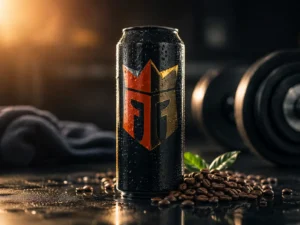
The “Ultra White” variant is incredibly popular among fitness enthusiasts. But what is the exact White Monster zero sugar caffeine content? It is almost identical to the standard zero-sugar version.
A 16-ounce can of White Monster typically contains between 140 mg and 160 mg of caffeine. The exact number can vary slightly depending on regional manufacturing guidelines. However, you should always assume you are getting a full 160 mg dose.
Many patients tell me they prefer the lighter, citrus-forward taste of the white can. Unfortunately, they sometimes drink it too quickly because it tastes as refreshing as lemon frozen yogurt. You must remember that it is still a potent energy supplement.
Monster Zero Sugar Caffeine per Can vs Other Drinks
To truly understand this 160 mg measurement, you need to compare it to everyday beverages. This helps put your daily stimulant consumption into proper perspective.
| Beverage | Caffeine Amount |
| Monster Zero Sugar (16 oz) | ~160 mg |
| Standard Coffee (8 oz) | ~95 mg |
| Dark Cola Soda (12 oz) | ~34–40 mg |
| Green Tea (8 oz) | ~30–50 mg |
As you can see, drinking one zero-sugar energy can is roughly equivalent to rapidly chugging a large mug and a half of strong drip coffee alongside your morning buckwheat crepes. Alternatively, it equals drinking four standard cans of regular dark soda back-to-back.
Monster Zero Sugar Ingredients (Nutrition Label Breakdown)
To fully evaluate this drink, we must look beyond just the stimulants. The beverage contains a proprietary “energy blend” designed to maximize alertness. I frequently break down these exact nutrition labels for my patients to help them understand what they are ingesting.
- Caffeine: As established, the 160 mg dose is the primary engine of the drink. It provides the immediate feeling of wakefulness and increased energy.
- Taurine: This is a naturally occurring amino acid found in meat and fish. In energy beverages, it supposedly helps regulate muscle contractions and energy levels. However, long-term studies on high-dose synthetic taurine are still ongoing.
- B Vitamins: You will notice massive percentages of Vitamin B3, B6, and B12 on the label. While B vitamins do help your body convert food into energy, taking massive mega-doses rarely provides extra energy unless you already have a clinical deficiency.
- Artificial Sweeteners: To achieve a sweet taste without calories, the drink utilizes sweeteners like sucralose and erythritol. While generally recognized as safe, some patients experience digestive distress or bloating from these sugar alcohols.
- Panax Ginseng and L-Carnitine: These botanical extracts and amino acid derivatives are heavily marketed for performance enhancement. They offer mild metabolic support, but the clinical doses in the drink are often too small to make a massive physiological difference.
Calories in Monster Zero Sugar
Because the drink relies entirely on artificial sweeteners, the calorie count is incredibly low. A standard 16-ounce can contains between zero and 10 calories. This makes it highly appealing for individuals tracking their macros or trying to lose weight.
Potential Benefits of Monster Zero Sugar
Despite the warnings, we must acknowledge why people love these beverages. The primary benefit is a rapid, highly noticeable increase in alertness. If you are driving a long distance at night, this can prevent dangerous drowsiness.
Furthermore, many gym-goers use it as a pre-workout supplement. The active stimulants directly enhance focus and can slightly improve physical endurance during strenuous exercise. You will often feel a temporary boost in motivation and a reduction in perceived physical fatigue.
Finally, compared to the original sugary versions, you completely avoid a massive spike in blood glucose. This prevents the traditional “sugar crash”—much like the one you’d get after eating a massive slice of devil’s food cake with swiss meringue buttercream—that usually leaves you feeling exhausted two hours later.
Potential Side Effects
While the benefits are tempting, the side effects can be severe if you consume too much. During routine exams, I frequently see the negative consequences of overconsumption.
First, you may experience significant anxiety and the “jitters.” This happens because stimulants trigger your body’s fight-or-flight response. Your adrenal glands release adrenaline, which can make your hands shake and your chest feel tight.
Secondly, severe insomnia is incredibly common. If you drink a can after 3:00 PM, the chemical will remain active in your brain well past your bedtime. You will struggle to fall asleep and experience poor, fragmented rest.
Finally, cardiovascular symptoms are a major concern. High doses can cause a rapid heart rate (tachycardia) and elevated blood pressure. Over time, regular heavy consumption might increase your risk of developing heart arrhythmias.
Is Monster Zero Sugar Really Healthy?
Patients frequently ask me if this beverage is actually healthy. The short and honest answer is no; it is not inherently healthy.
Just because a product lacks calories and sugar does not make it a health food. You should view it as an artificially flavored, chemical stimulant delivery system. It offers no essential macro-nutrients that your body actually requires for daily survival.
However, it is generally much safer than drinking 50 grams of liquid sugar. If you must consume an energy beverage occasionally, the zero-calorie option is a smarter choice for your metabolic health. Ultimately, you should treat it as an occasional performance tool, not a daily hydration source.
Safe Caffeine Intake Guidelines
To protect your heart and nervous system, you must follow established medical guidelines regarding total daily stimulants.
Healthy adults should consume absolutely no more than 400 mg of caffeine per day. This means that drinking just one 16-ounce can consumes 40% of your total daily allowance. If you also drink coffee in the morning with your pumpkin pie spice granola, you can dangerously exceed this limit very quickly.
For teenagers, the rules are much stricter. Pediatric guidelines recommend that adolescents limit their intake to less than 100 mg per day. Therefore, a single 16 oz can far exceeds the safe pediatric limit and should be strictly avoided by growing teens.
How Stimulants Work in Energy Drinks
To understand the energy rush, you need to understand a bit of neurobiology. Throughout the day, your brain produces a chemical called adenosine. When adenosine binds to specific receptors, you feel tired and sleepy.
The stimulants in this beverage have a molecular structure very similar to adenosine. They sneak into those receptors and block them completely. As a result, your brain literally cannot receive the signal that you are exhausted.
Simultaneously, this blockade allows other neurotransmitters, like dopamine, to flow more freely. This creates a mild sense of euphoria and sharpens your concentration. The added taurine and B-vitamins aim to support this high-energy metabolic state, though the stimulant itself does most of the heavy lifting.
Monster Zero Sugar vs Original Monster
Let us directly compare the sugar-free version to the classic green original. The differences are striking when you look at the metabolic impact.
| Feature | Zero Sugar Version | Original Version |
| Added Sugar | 0 g | ~50 g |
| Total Calories | ~10 calories | ~210 calories |
| Caffeine Amount | ~160 mg | ~160 mg |
The main takeaway here is the massive reduction in sugar. The original drink contains roughly the same amount of sugar as a king-sized candy bar or a dense batch of Alice Medrich’s cocoa brownies. By choosing the zero-calorie option, you save yourself from a massive insulin spike and excess liquid calories. Yet, you still get the exact same 160 mg energy boost.
Monster Without Caffeine
Sometimes patients tell me they just love the specific taste of the drink but hate the anxiety it causes. They ask if a stimulant-free version exists.
Years ago, the company briefly released a product called “Monster Unleaded.” It offered the classic flavor profile with absolutely zero stimulants. Unfortunately, it did not sell well and the company quietly discontinued it in most major markets.
Today, finding a completely caffeine-free version from this specific brand is incredibly rare. If you want a tasty, zero-calorie carbonated drink without the jitters, you are better off looking at naturally flavored sparkling waters or caffeine-free diet sodas to wash down your no-bake dulce de leche cheesecake.
Frequently Asked Questions
How much caffeine in Monster Zero Sugar 16 oz?
A standard 16-ounce can contains approximately 160 milligrams of the active stimulant. This equals roughly 10 milligrams per fluid ounce.
Is White Monster caffeine different?
No, it is not significantly different. The Ultra White variant delivers a very similar profile, containing roughly 140 to 160 mg per 16-ounce serving.
How much caffeine per 100ml?
If you are measuring by metric volume, you will find approximately 32 mg of the stimulant in every 100 milliliters of the beverage.
Is Monster Zero caffeine-free?
No, it is absolutely not caffeine-free. The word “zero” strictly refers to the sugar and calorie content, not the stimulant levels.
Is Monster Zero Sugar safe?
It is generally safe for healthy adults when consumed in strict moderation. However, medical professionals do not recommend it for children, pregnant individuals, or those with existing heart conditions.
Conclusion
Understanding the exact monster zero sugar caffeine content is vital for your long-term health and daily performance. We have established that a standard 16-ounce can packs a powerful 160 mg dose of stimulant. This is a significant amount, equating to nearly half of a healthy adult’s maximum daily allowance.
While choosing the sugar-free option wisely saves you from massive calorie and glucose spikes, you are still consuming a heavy chemical load. The artificial sweeteners, high-dose B-vitamins, and potent stimulants can cause jitters, anxiety, and severe sleep disruptions if you overindulge.
As a health professional, I always advise my patients to monitor their total daily intake across all beverages. If you rely on these drinks simply to get out of bed, you likely need to evaluate your baseline sleep habits and hydration. Enjoy these beverages responsibly as an occasional tool for extreme focus, rather than a daily crutch. Drink plenty of water, track your milligrams, and listen closely to how your heart and body respond.
Evidence-Based References:
- Mayo Clinic — Caffeine: How much is too much?
- American Academy of Child and Adolescent Psychiatry — Caffeine and Children
- National Center for Biotechnology Information — Caffeine in Food and Dietary Supplements: Examining Safety
- Cleveland Clinic — Caffeine and Pregnancy: How Much Is Safe?
- MedlinePlus — Caffeine
- PubMed—Caffeine and Adenosine
- Riley Children’s Health — How Much Caffeine Is Safe for Your Teen?
- National Center for Biotechnology Information — B Vitamins: Functions and Uses in Medicine
- Centers for Disease Control and Prevention — Factors Associated with Sugar-Sweetened Beverage Intake Among Young Children – United States, 2021
- MedlinePlus — Caffeine overdose: MedlinePlus Medical Encyclopedia
Related Posts
Subscribe for New Racipies
Get mental health tips, updates, and resources delivered to your inbox.