
Are Quest Bars Healthy? Expert Insights and Nutrition Analysis

Medically reviewed by Christiana George Updated Date: January 4, 2026
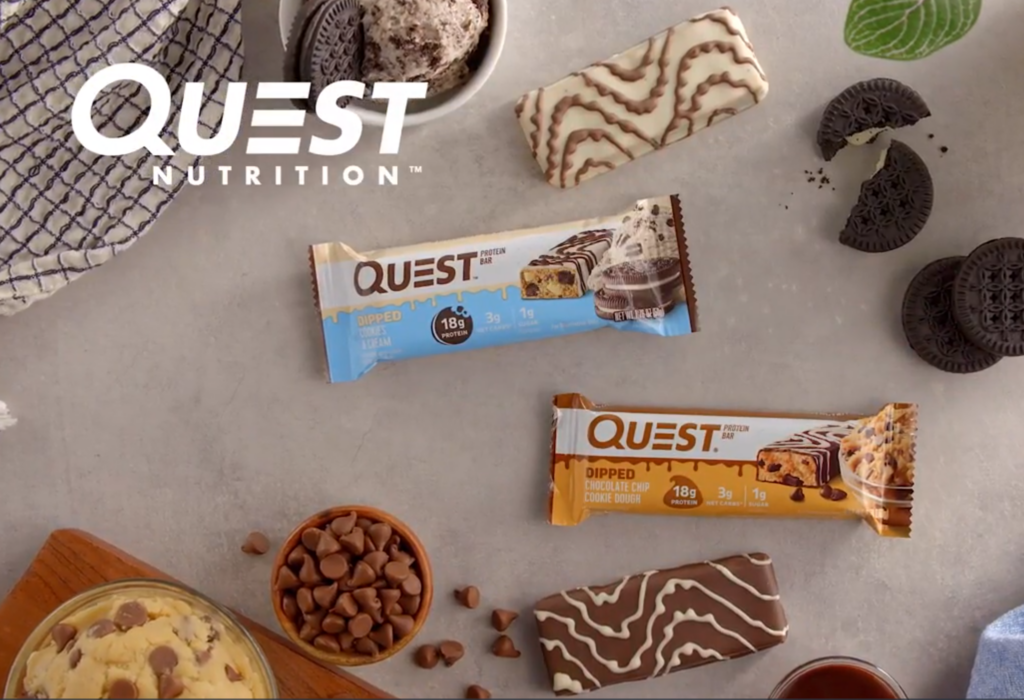
“A pocket full of crunchy flavor goodness – Quest Bars – the love of every gym goer.”
Quest Bars have been extremely popular over the past several years. But they have also received their fair share of criticism and controversy. In particular, some people have claimed that Quest Bars are unhealthy and high in calories, while others say they’re safe to eat as long as you don’t eat too many of them at once.
So, what’s actually correct – are quest bars healthy or unhealthy?
Quest bars can be healthy with a balanced diet and workout. They’re popular bars among dieters and fitness enthusiasts alike because they are high in protein and fiber, low in sugar, and taste amazing. Although there are insignificant nutritional values, the bars don’t have anything harmful either.
Read on to learn more about how Quest Bars work and whether or not they’re good for you!
Related Article: Are Waffles Healthy? Exploring Expert Insights for Nutritious Choices
Are Quest Bars Healthy? (According to their Nutritional Value)

The new protein revolution, Quest Bars are the new leading light of athletes and gym goers. Low in carbs and high in protein indeed make them favored by many.
Starting with a few flavors, Quest Bars has come of age with 20 different flavors now. They come in four variations- the protein bar, mini protein bar, snack bars, and hero bars. These categories indeed meet everyone’s taste buds and needs.
But there’s also a debated question – are they really healthy?
The answer is not as clear-cut as you might think.
First, let us see why Quest Bars might be an ideal snack for you.
| Quest Bar Flavor | Calories | Fat | Saturated Fat | Sodium | Carbohydrates | Dietary Fiber | Sugars | Protein |
| Chocolate Brownie Chunk | 200 | 11g | 7g | 260mg | 18g | 12g | 1g | 21g |
| Chocolate Chip Cookie Dough | 200 | 11g | 7g | 260mg | 18g | 12g | 1g | 21g |
| Cookies and Cream | 200 | 11g | 7g | 260mg | 18g | 12g | 1g | 21g |
| Double Chocolate Chunk | 200 | 11g | 7g | 260mg | 18g | 12g | 1g | 21g |
| Lemon Cake | 200 | 11g | 7g | 260mg | 18g | 12g | 1g | 21g |
| Mint Chocolate Chunk | 200 | 11g | 7g | 260mg | 18g | 12g | 1g | 21g |
| Peanut Butter | 200 | 11g | 7g | 260mg | 18g | 12g | 1g | 21g |
| S’mores | 200 | 11g | 7g | 260mg | 18g | 12g | 1g | 21g |
| Strawberry Cheesecake | 200 | 11g | 7g | 260mg | 18g | 12g | 1g | 21g |
| Vanilla Chai | 200 | 11g | 7g | 260mg | 18g | 12g | 1g | 21g |
| White Chocolate Raspberry | 200 | 11g | 7g | 260mg | 18g | 12g | 1g | 21g |
Low Sugar Content
While some might think that all bars are loaded with sugar, that’s not the case with Quest bars. In fact, Quest bars contain very little sugar- only 1-2 grams per bar.
However, most of their sugar content comes from artificial low-calorie sweeteners like sucralose or allulose to sweeten up the bars. It is what takes up most of the calorie content in a bar.
But the good news is that no study has proven a negative correlation between sucralose and the human body. It won’t harm your body or even won’t spike your blood sugar levels.
| Quest Bars | Sugar Content |
| Protein bar (1 bar) | 1 g |
| Mini protein bar | Less than 1 gram |
| Snack bar | 1 g |
| Hero bar | 1 g |
High Protein Content
Yes, Quest bars are high in protein. In fact, most of their calories come from protein. It is good news for people looking to build muscle or lose weight, as protein can help with both goals. However, if you don’t have any physical activity, you should watch out for any high protein consumption.
| Quest Bars | Protein Content |
| Protein bar (1 bar) | 21 g |
| Mini protein bar | 8 g |
| Snack bar | 10 g |
| Hero bar | 20 g |
Sufficient Carb Content
Quest bars are pretty high in carbs. One protein bar has 21 grams of carbs, which is about a quarter of the recommended daily intake for most people. Most of those carbs come from fiber, which is a positive side, but there are still some net carbs. Surprisingly, those net carbs are from nuts and not from sugar!
You may want to avoid these high-carb bars if you are on a keto diet.
| Quest Bars | Carbs Content |
| Protein bar (1 bar) | 21 g |
| Mini protein bar | 8 g |
| Snack bar | 14 g |
| Hero bar | 18 g |
More Fiber Content
Dietary fiber is an essential nutrient most people don’t get enough of. Quest bars are a good source of fiber (soluble corn fiber), with around 20% of the Daily Value in each bar. That means if you’re eating three bars daily, you’ll get about 60% of your DVs for fiber!
However, eating more than one quest bar a day (or 2 for the minis) is not recommended, or you may over consume calories, protein, and net carbs.
One thing to remember is that this doesn’t mean they’re all going to provide you with the same amount of fiber, as shown in the chart below.
| Quest Bars | Fiber Content |
| Protein bar (1 bar) | 14 g (56% of DV) |
| Mini protein bar | 4 g (14% of DV) |
| Snack bar | 7 g (25% of DV) |
| Hero bar | 5 g (18% of DV) |
Related Article: Are Nature Valley Bars Healthy? Expert Analysis & Nutritional Insights
Drawbacks of Quest Bars
You’ve seen the ads. The Quest Bar, they say, Is the #1 Protein Bar on the Market! However, some valid drawbacks of the bars might make you think twice before consuming Quest Bars.
High in Saturated Fat
If you’re like most people, you probably think of quest bars as a healthy snack option. After all, they’re packed with protein and fiber and low in sugar. But quest bars are also high in saturated fat. And even though saturated fat is not quite as bad for your heart health as trans fats or polyunsaturated fats, it’s still not great for your heart.
| Quest Bars | Fat Content |
| Protein bar (1 bar) | 3 g (15% of DV) |
| Mini protein bar | 1 g (5% of DV) |
| Snack bar | 4.5 g (23% of DV) |
| Hero bar | 7 g (35% of DV) |
Contains Palm Oil
You may have seen quest bars in the store and wondered if they were really as healthy as they claim to be. After all, they are made from palm oil, which has been linked to some health concerns. It turns out that it’s not that simple.
There is both good and bad news when it comes to this ingredient. Palm oil contains saturated fat, but saturated fat isn’t a demon you should avoid at all costs.
Who Should Avoid Eating Quest Bars
It’s true Quest Bars doesn’t cause serious harm to your health; people with certain preferences and health conditions should stay away from them.
Vegans
Quest bars are not vegan-friendly as they contain milk protein as their primary ingredient. Unfortunately, there are no vegan options in their range as well.
Allergic Reactions
If you look closely at the ingredient list, all the quest bars contain some or different kinds of nuts, which makes up for their net carbs. So, if you are allergic to nuts, you may want to refrain from these bars.
There are other allergic ingredients like soy, whey, wheat, and sesame seeds in the bars as well.
Calories Counters
Quest bars are calorie-rich. Although it is not something insane, if you’re someone who counts calories, you may not want to munch over a full quest bar.
Related Article: Are Nutri Grain Bars Healthy? Expert Insights and Nutrition Analysis
Healthy Ways to Add Quest Bars to The Diet
If you’re looking for a nutritious snack to help you maintain or lose weight, Quest Bars are a great option. Here are five ways to incorporate them into your diet.
- Before breakfast, as a pre-workout snack- the healthy carb content in the bars will help to provide energy for the workout.
- Lunch or dinner replacement- the high protein and fiber content in a single bar will fill you up quickly. Make sure you don’t go over the board with them; one full-sized bar is good to go.
- Afternoon pick-me-up- looking for a healthy, quick afternoon snack to suppress the hunger till dinner? Grab a quest bar.
- On-the-go healthy dessert- whether a chocolate peanut butter or vanilla almond crunch, the delicious flavors are quest bars are great for a quick dessert after a meal.
- You can also mix your protein shake with a quest bar if you want an extra sweet flavor with low calories.
FAQs
Are quest bars healthy for weight loss?
If you’re looking for a quick and easy snack that will help you stay on track with your weight loss goals, quest bars are a great option. They’re high in protein and fiber and low in sugar and calories, making them a nutritious choice. However, you should also keep an eye on your other meals for weight loss.
Are quest bars keto?
The answer is a little complicated if you’re wondering whether quest bars are keto. While quest bars have some keto-friendly ingredients, they also contain sugar alcohols (erythritol) and other carbohydrates that could kick you out of ketosis.
As such, eating them in moderation while following a strict ketogenic diet or consulting with your dietician is essential.
What do quest bars taste like?
There is no specific answer to this question because there are several varieties of flavors for these bars. For example, their top favorite Cookies and Cream taste almost like Oreo, and Choc Sprinkled Doughnut offers milk, dark chocolate, and buttery pastry delight.
On the other hand, their Strawberry Cheesecake used to have a slightly sour but sweet taste of cheese, almond, and strawberry.
I had their chocolate peanut butter- the taste I got was a chocolaty peanut butter bar!
How many quest bars to eat in a day?
With 20 grams of protein and only 1-2 grams of sugar, Quest Bars are popular for health-conscious snackers. An average adult can consume one full-size quest bar per day that would provide a maximum of their daily fiber, protein, and carbohydrate value.
Final Thought
With variation, taste, and nutrients, Quest Bars are popular among health enthusiasts. They are popular for providing people with a low-sugar, low-carb, high-protein delight. But are Quest Bars healthy in real life?
Well, Quest Bars are healthier than most of the so-called healthy bars in the market. With the right food pairing, they can add great value to your healthy living journey.
However, remember – moderation is always smarter with Quest Bars.
Related Posts






Subscribe for New Racipies
Get mental health tips, updates, and resources delivered to your inbox.
Chocolate



Related Posts





Subscribe for New Racipies
Get mental health tips, updates, and resources delivered to your inbox.