
Are Carrots Good for You? 7 Health Benefits of Carrots

Carrots are a nutritious vegetable that is consumed as a snack and added to a variety of meals to provide flavor and texture. Their crisp texture gives salads, main dishes, pastas, and other foods a unique and savory touch.
Carrots are beneficial for health, and you might wonder, “are carrots good for you?”
Yes, Carrots are incredibly nutrient-dense and contain a variety of vitamins and minerals that you require daily. They offer some health advantages as well. They have been connected to enhanced eye health and lower cholesterol levels, and are a food that supports weight loss.
In this article, we will discuss the tremendous health benefits of carrots. Stay tuned.
Do Carrots Provide Any Health Benefits? What Are They?
Carrots are nutritious vegetables that are consumed as snacks and added to a variety of meals to provide flavor and texture. In addition to many other minerals, carrots are a great source of potassium, antioxidants, and vitamin A.
Carrots are colored orange by a pigment called beta-carotene, which is also healthy for you. When ingested in food, it transforms into vitamin A and imparts the yellow or orange color to other fruits and vegetables.
Depending on the color, size, and region of cultivation, this well-liked and adaptable vegetable may have a somewhat distinct flavor. Carrots have a slightly sweet flavor from the sugar in them, but they can also have an earthy or bitter flavor.
Related Article: Are Carrots Acidic? Carrots for Acid Reflux: Good or bad?
Nutritional Facts
Carrots are packed with many nutrients and minerals. Carrots’ nutrients, including vitamins, antioxidants, minerals, beta-carotene, and fiber, are responsible for their health advantages.
If you are ever curious about, What are the main nutrients in carrots? Check out the nutritional content of carrots in the chart below.
| Nutrients | Amounts (per serving 100 gm each) |
| Calories | 41 |
| Cholesterol | 0 mg |
| Dietary fiber | 2.8 g |
| Protein | 0.9 g |
| Sugar | 4.7 g |
| Carbohydrate | 10 g |
Additionally, carrots are a fantastic source of essential vitamins and minerals.
Vitamins and minerals
Carrots are a good source of a number of vitamins and minerals, particularly biotin, potassium, and vitamins A, K, and B6.
| Vitamins and Minerals. | Amounts (% of your daily requirement) |
| Vitamin A | 73% |
| Vitamin K | 9% |
| Potassium and Fiber | 8% |
| Vitamin C | 5% |
| Calcium and Iron | 2% |
7 Amazing Health Benefits of Carrots
Carrots include a lot of vitamins, minerals, and antioxidants. They can help support immune function, reduce the risk of some malignancies (cancers), and promote wound healing and digestive health when consumed as part of a balanced diet. So, What are the benefits of carrots?

Nutrient-rich carrots are great for your health. They contain antioxidants, which may aid in preventing diseases like cancer and heart disease and protecting your cells from oxidative stress.
Nutritionally Dense
Carrots are packed with a lot of nutrition and minerals. They are high in fiber, vitamins, and minerals. They also contain a lot of antioxidants. Carrots are high in nutrients such as potassium, antioxidants, and vitamin A, among others. The component that colors carrots orange and supports excellent health is beta-carotene, a type of carotenoid. When ingested in foods, it transforms into vitamin A and gives other fruits and vegetables their yellow or orange hue. Let’s see what they can offer you.
| Nutrients | Benefits |
| Vitamin A | Carrots have a high concentration of beta carotene, which your body converts to vitamin A. This nutrient aids vision and is necessary for growth, development, and immunological function. |
| Potassium | Potassium is a crucial nutrient for maintaining healthy blood pressure. |
| Biotin | In the metabolism of fats and proteins, biotin is crucial. |
| Vitamin B6 | B6 is part of a family of related vitamins that help turn food into energy. |
| Beta-carotene | Beta-carotene is converted into vitamin A in the body. It is beneficial to vision and eye health, as well as a strong immune system and healthy skin and mucous membranes. |
Table 3: Nutritional benefits of carrots.
Reduce the Risk of Cancer
Carotenoid-rich diets may aid in the prevention of many cancers. This includes cancers of the prostate, colon, and stomach. Breast cancer risk may be decreased in women with high amounts of circulating carotenoids.
Lutein, a plant ingredient present in carrots, may lower the risk of colon cancer when consumed as part of a healthy diet. According to a different study, increased vitamin A intake may lower the risk of gastric cancer, generally known as stomach cancer. Older studies claimed that carotenoids could prevent lung cancer, but more recent research has not found a connection.
Protect Eye Health
Antioxidants are abundant in carrots. They are a fantastic source of lutein and beta-carotene. These antioxidants can guard against oxidative damage to the eyes. Yellow carrots contain lutein, which is good for your eyes.
Beta-carotene gives plants their red, orange, and yellow colors. Beta carotene, which is abundant in orange carrots, is converted by the body into vitamin A. It is frequently possible to correct night blindness brought on by a vitamin A deficiency by taking vitamin A supplements.
Carrots are a good source of vitamin C. Carrots provide 5.9 mg of vitamin C per 100 g, which is 5% of your daily requirement. Vitamin C is required for collagen formation. Collagen is a protein that gives the eye structure, notably the cornea and sclera. Several studies have revealed that vitamin C may lower your chance of acquiring cataracts. Cataract risk is reduced by 45% by taking vitamin C.
Helpful for Weight Loss
Are carrots good for you to lose weight? Yes, carrots, as a low-calorie item, can improve fullness and reduce calorie consumption in subsequent meals. They can make you feel full, so you don’t eat as much, lowering your overall calorie consumption and aiding weight loss as part of a healthy diet. Carrots are high in fiber, which contributes to greater sensations of fullness. As a result, they may be a helpful addition to a weight-loss diet.
Can Help Control Diabetes
They can aid in the management of diabetes. Diabetics are encouraged to eat plenty of non-starchy veggies, such as carrots. Dietary fiber, such as that found in carrots, can help keep blood sugar levels in check. Carrots are also high in vitamin A and beta-carotene, both of which have been linked to a lower incidence of diabetes.
Carrots are high in antioxidants, which promote health and aid in the battle against type 2 diabetes. We now know that maintaining a healthy weight and eating a healthy, balanced diet is critical for lowering the risk of developing type 2 diabetes.
Modern discoveries, in any case, have provided an understanding of how our lifestyles and the wholesome quality of the food we eat are linked and influence our chances of developing this condition.
Boost Your Immune System
Carrots are high in vitamin C, which aids in the healing of wounds. In addition to vitamin C, carrots contain beta-carotene, which aids in the healing of scars and wound marks. Vitamin A is essential in the healing of wounds. It is linked to collagen synthesis, wound healing, and bone formatino (osteogenesis).
Carrots contain vitamin C, which helps your body produce antibodies that form part of your immune system, and help protect your body from infections. Vitamin C also aids in the absorption and utilization of iron, as well as the prevention of infections.
Lower Blood Cholesterol
Carrots can provide a lot of health benefits. Do carrots lower your cholesterol?
Yes, Carrots are naturally high in minerals, vitamins, soluble fiber, and antioxidants, all of which help decrease cholesterol levels in the body. Experts believe that the presence of Vitamin A and beta carotene, an antioxidant found in carrots, can help protect against chronic heart conditions.
Antioxidants are also beneficial to your heart. Second, the potassium in carrots can help you maintain healthy blood pressure. Third, they contain fiber, which can help you maintain a healthy weight and reduce your risk of heart disease. Carrots have also been related to reducing cholesterol levels when consumed in moderation.
FAQs
What Happens If You Eat a Carrot Every Day?
Carrots are incredibly nutritious, containing a wide range of essential elements. Carrots are high in nutrients such as potassium, antioxidants, and vitamin A, among others. The component that colors carrots orange and supports excellent health is beta-carotene, a type of carotenoid. Carrots may also reduce a person’s chance of developing cardiovascular disease and low-density lipoprotein or “bad” cholesterol levels.
Is It Good to Eat Carrots Daily?
Carrots contain a lot of vitamins, minerals, and antioxidants. They can help support immune function, reduce the risk of some malignancies, and promote wound healing and digestive health when consumed as part of a balanced diet.
What Is The Benefit of Eating Carrots?
Carrots are high in nutrients. The dietary fiber found in carrots can help keep blood sugar levels under control. Carrots are also high in vitamin A and beta-carotene, which have been linked to a lower incidence of diabetes. They have the ability to strengthen your bones. Carrots contain calcium and vitamin K, both of which are essential for bone health.
Are Carrots Good for Weight Loss?
Yes, they are. Carrots as part of a healthy diet will assist you in losing weight. It’s because they’re low in calories and high in nutrients. Carrots, as a low-calorie item, provide a sense of satiety (fullness) and reduce calorie intake in following meals. As a result, they may be a helpful addition to a weight-loss diet.
Conclusion
Many of us are familiar with the advantages of carrots. When added to our daily diet, these vegetables, formally known as Daucus carota, provide significant advantages. They include a lot of nutrients, such as fiber, healthy antioxidants, vitamins, minerals, and beta-carotene.
Carrots’ health advantages are attributed to their vitamins, antioxidants, minerals, beta-carotene, and fiber. Carrots can benefit your eyes, skin, hair, bones, and teeth. They can also help with weight loss, help you manage your blood pressure, improve your immune system, and lower cholesterol levels.
However, carrots can trigger allergic reactions in some people, so anyone with a food allergy should be careful with carrots – and all foods. , on the other hand, can be poisonous or trigger allergies in some people. Carrots can potentially cause drug interactions.
We recommend consuming carrots in moderation to reap their myriad advantages.
Related Posts






Subscribe for New Racipies
Get mental health tips, updates, and resources delivered to your inbox.
Are Nutri Grain Bars Healthy? Expert Insights and Nutrition Analysis

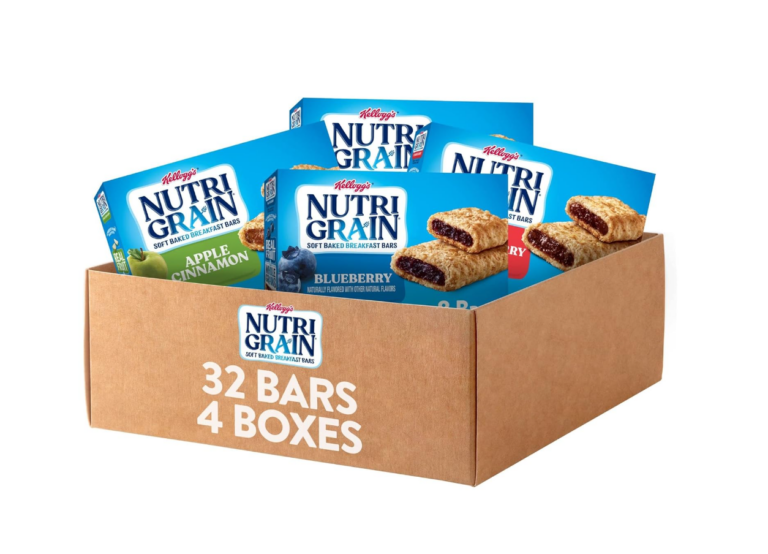
‘Nutri’ and ‘grain’- reading this, you might be wondering if all the healthy stuff is infused in Nutri Grain bars, right? Nutri Grain bars are indeed one of the most popular snack food items on the market right now, but are Nutri Grain bars healthy as you might think?
Nutri Grain bars are marketed as nutritious, low-calorie snacks that contain lots of essential vitamins and minerals, like calcium and iron. Yet Nutri Grain bars aren’t as healthy as you might think; in fact, their high calorie and sugar content can do more harm than good if you eat them regularly.
Here are some reasons Nutri Grain bars may not be as healthy as you think they are and some healthier alternatives to fill you up!
Are Nutri Grain Bars Healthy?

Who doesn’t know the Nutri Grain bars you find at the grocery store? They’re those delicious, crunchy little bars made of whole grains and nuts that are supposedly good for you, right? However, it turns out not so much.
Here are a few reasons Nutri Grain bars may not be as healthy as you think they are
- Excess Sugar, High Fructose Corn Syrup, And Hydrogenated Vegetable Oils
Many people think that just because it’s healthy to eat whole grains like oatmeal or wheat toast, it must be good for you to eat Nutri Grain bars as well.
While Nutri-Grain bars contain some whole grains, they also contain a lot of sugar, high fructose corn syrup, and hydrogenated vegetable oils. These ingredients can offset any health benefits that whole grains might provide.
- Inclusion Of Unnecessary Ingredients
While some of the ingredients in Nutri Grain bars are healthy, like whole grains and dried fruit, there are also a lot of unnecessary ingredients like added sugars and artificial flavors. And while they may be advertised as all-natural, the ingredient list proves otherwise.
For example, one bar includes a natural maple flavor but also contains monosodium glutamate (MSG) as well as partially hydrogenated soybean oil.
- Additives Contain Questionable Ingredients
If you take a look at the list of ingredients on a Nutri Grain bar, you’ll notice that many of them are additives. Additives are substances added to food to enhance its flavor, texture, or shelf life. These preservatives can be harmful to your health and may offset any benefits you would get from eating whole grains.
Some people avoid these additives because they may be unnatural and unhealthy. In fact, artificial sweeteners have been linked to an increased risk for cancer and neurotoxicity in lab animals!
- Contains Low Protein And Fiber Content
Although Nutri Grain bars contain negligible vitamins and minerals, they lack protein and fiber. Protein and fiber are essential nutrients that help keep you feeling full and satisfied after eating.
Low-quality protein also means a reduced ability to build muscle, repair tissues, and fight inflammation. On the other hand, fiber helps with digestion and may also help regulate blood sugar levels by slowing down the release of sugar into the bloodstream.
Related Article: Are Waffles Healthy? Exploring Expert Insights for Nutritious Choices
Nutritional Value of Nutri Grain Bars
Let’s look at the nutritional value of nutri-grain bars.
Nutritional fact of kellog’s Nutri Grain bar Mixed berry – 1 bar (116 g)
| Calories | 130 |
| Total fatSaturated fat | 3 g0.5 g |
| Cholesterol | 0 mg |
| Sodium | 105 mg |
| Potassium | 85 mg |
| Total carbsDietary fiberSugar | 25 g2 g13 g |
| Protein | 2 g |
| CalciumIron. | 2%4% of DV. |
While Nutri-Grain bars may be marketed as a healthy snack option, they may not be as healthy as you think.
For one, they are high in sugar. In fact, a single Nutri Grain bar can have up to 16 grams of sugar. All other flavors of these bars contain the same amount of sugar – plain strawberry (12 g), blueberry (13 g), and apple cinnamon (13 g).

Nonetheless, they also often contain large amounts of artificial sweeteners like sucralose, which may provide instant energy but has been linked to liver toxicity and stomach ulcers in the long run.
Moreover, there is no ingredient in the bars rich in protein, for which the protein content is equivalent to 1 g. It is not an ideal energy snack when you are on a diet or doing heavy workouts.
Finally, the fats found in many Nutri-Grain bars are typically unhealthy saturated fats that increase the risk of heart disease and stroke.
Related Article: Are Ritz Crackers Healthy? Expert Insights and Tips
Side Effects of Over Consuming Nutri Grain Bars
One mixed berry Nutri Grain bar from Kellogg’s contains 13 grams of sugar! Plus, the artificial ‘blueberry’ filling contains many additives. So, imagine what if you consume 4 bars at a time every day- that’s nearly 54 grams of added sugar, which is over the limit of the daily value (25-36 grams).
Compared to the number of calories in a single bar, which is 130-140, this much sugar content is insane.
Moreover, there is an unacceptable amount of sodium content in a single bar. The American Heart Association used to recommend 2300 mg of sodium daily in a normal adult’s diet, but now they recommend 1500 mg.
Covered by the sweetness of the bars, you may feel like there is no sodium in them. But unknowingly, you are consuming the same amount of salt as compared to a salty snack.
Sugar and salt are already slow poison that leads to many short- and long-term health problems.
Some side-effects of over-consuming Nutri-Grain bars include:
- Spike in blood sugar
- Abdominal pain
- Allergic reactions
- Weight gain/ obesity
- Diabetes
- Lower immune system
- Spike in blood pressure.
You won’t see these side effects in a single day or two unless you don’t overeat these unhealthy Nutri-Grain bars.
Who Should Avoid Nutri Grain Bars
Don’t worry; Nutri-Grain bars are not fatal and won’t kill you! Since it contains many unhealthy ingredients and somewhat allergic ones, some people should eat it as little as possible or even avoid it.
- People with celiac disease or gluten intolerance should avoid eating Nutri Grain bars as they contain gluten in the form of enriched flour to obtain that chewy texture.
- Additionally, people with nut allergies should avoid them as they contain nuts.
- Those following a vegan diet may also want to stay away from these bars as they may contain animal products like milk and eggs.
- Even though Nutri-Grain bars are marketed as a healthy snack, they may not be the best choice for diabetic patients. This is because Nutri-Grain bars are high in sugar and carbs, which can cause blood sugar levels to spike. If you have diabetes, limit your Nutri Grain bar consumption to one or two bars a week.
Related Article: Are Pretzels Healthy? – Pros, Cons and Healthy Alternative
Healthy Alternatives to Nutri Grain Bars
If you’re looking for a healthier alternative to Nutri-Grain bars, try making your own granola bars at home. Plenty of recipes online use healthy ingredients like oats, honey, and dried fruit. Not only are they filling, but nutritious too. With a few variations in flavor, it’s easy to make them taste just the way you want.
Meal-replacement shakes can also be an excellent option if you need something filling but don’t have time to prepare food. It takes just seconds to blend up a shake with yogurt, milk, protein powder (whey or soy), fruit, peanut butter or almond butter, and ice cubes. The options are limitless!
FAQs
Are Nutri-Grain bars good for weight loss?
Nutri Grain bars may not be the best choice if you’re trying to lose weight. Though they’re convenient and easy to eat on the go, they’re often high in sugar and calories, which can lead to weight gain. In the long run, if you continue to eat them on a daily basis, you may be able to gain weight instead of losing it.
Are Nutri-Grain bars vegan?
While many Nutri-Grain bars are vegan, some contain honey, which is a non-vegan ingredient. In addition, some of the flavors of Nutri-Grain bars contain dairy and other animal-based products.
So, it is always better to read the labels to see what ingredients are your preferred bars made of.
Are Nutri-Grain bars healthy for toddlers?
If you’re looking for a healthy snack for your toddler, Nutri Grain bars may not be the best choice. Because they’re high in sugar, the ingredients aren’t natural, there’s no nutritional value in the sugar, and they contain artificial flavors.
Moreover, they’re loaded with fats that raise cholesterol levels and increase the risk of heart disease and stroke. And finally, they don’t give children enough vitamins and minerals that they need to grow up strong and healthy!
Are Nutri-Grain bars good for diabetics?
While Nutri-Grain bars may be marketed as a healthy snack option, they may not be the best choice for people with diabetes. This is because Nutri-Grain bars are high in sugar and added sugar, which can cause blood sugar levels to spike.
Final Thought
If you are thinking – are Nutri Grain bars healthy – it’s time to throw out Nutri-Grain bars from your regular diet. The high sugar and calorie content can offset any nutritional benefits, and the processed ingredients may not be ideal for everyone.
However, there is no harm in treating yourself with one bar once in a while. The bottom line is that there are healthier options out there than Nutri-Grain bars.
Related Posts
Subscribe for New Racipies
Get mental health tips, updates, and resources delivered to your inbox.