
Are Dried Apricots Acidic? Dried Apricots and Acid Reflux

Medically reviewed by Aneeza Pervez Updated Date: January 5, 2026

Dried apricots are a popular, healthy snack packed with essential nutrients like vitamins, minerals, and fiber. They are widely enjoyed for their sweet, tangy flavor and portable nature, making them a convenient choice for a quick bite.
However, for individuals dealing with acid reflux, the acidity of dried apricots may raise concerns. Acid reflux, characterized by heartburn and discomfort, occurs when stomach acid backs up into the esophagus, leading to irritation.
This article will explore whether dried apricots are acidic and how they may impact those with acid reflux. By examining the natural acids in dried apricots, their effects on digestion, and the role of fiber, we will better understand how these tasty fruits fit into a reflux-friendly diet.
Let’s dive into the details to find out if dried apricots should be avoided or enjoyed by acid reflux sufferers.
What Makes Dried Apricots Acidic?
Dried apricots contain several naturally occurring acids, including citric acid and malic acid, which contribute to their tangy taste. These acids are found in many fruits, but dried apricots are not as acidic as citrus fruits like lemons or oranges.
The drying process intensifies the sweetness of apricots, but it does not significantly increase their acidity. While they are less acidic than some fruits, the presence of these organic acids still makes them moderately acidic. When compared to high-acid fruits, such as pineapples and berries, dried apricots are considered mild, but their acidity could still irritate sensitive individuals.
The balance between natural sugars and organic acids in dried apricots can affect how the body responds to these fruits, especially for those prone to acid reflux. Understanding the acidity of dried apricots is essential for anyone concerned about their impact on digestive health.
How Dried Apricots Can Affect Acid Reflux
Acid reflux occurs when stomach acid flows back into the esophagus, leading to a burning sensation in the chest and discomfort. Certain foods, especially those with high acidity, can trigger or worsen acid reflux symptoms.
Dried apricots contain natural acids such as citric and malic acid, which may contribute to acid production in the stomach. These acids, along with the fruit’s sugar content and fiber, can sometimes irritate individuals with sensitive digestive systems.
Additionally, research suggests that the drying process can concentrate sugars, making the fruit slightly sweeter but potentially more acidic in a concentrated form. While dried apricots may not be as acidic as citrus fruits.
They still have the potential to trigger heartburn or other reflux symptoms in some individuals. It’s important for people with acid reflux to monitor their intake of dried apricots and observe how their body reacts.
Author Tip: Are Nectarines Acidic?
The Role of Fiber in Dried Apricots and Digestion
Fiber is one of the key nutrients in dried apricots that supports digestive health. It helps regulate bowel movements, promotes gut health, and can even aid in reducing symptoms of acid reflux. The fiber content in dried apricots can absorb excess stomach acid, potentially reducing irritation and discomfort associated with acid reflux.
Additionally, fiber may help prevent constipation, which is another factor that can contribute to reflux symptoms. However, it is important to strike a balance—too much fiber can sometimes lead to bloating and gas, which could worsen reflux for some people.
The fiber in dried apricots may also assist in managing the natural acidity of the fruit by slowing digestion, giving the stomach more time to process the acids. For those with acid reflux, incorporating dried apricots in moderation, while keeping fiber intake balanced, could be beneficial for overall digestive health.
Is Eating Dried Apricots Safe for People with Acid Reflux?
For people with acid reflux, eating dried apricots can be both beneficial and challenging. On the one hand, the fiber in dried apricots can help with digestion and may reduce some symptoms of reflux.
On the other hand, their acidity could trigger heartburn or irritation for sensitive individuals. Moderation is key when including dried apricots in a reflux-friendly diet.
Consuming small portions can help avoid overloading the digestive system with too much acid or sugar. Additionally, pairing dried apricots with non-acidic foods, such as nuts or whole grains, may help balance their effects.
It’s also important to listen to your body and avoid dried apricots if they seem to cause discomfort. By keeping portion sizes in check and paying attention to how your body responds, dried apricots can still be part of a balanced diet for acid reflux sufferers.
Author Tip: Are Hazelnuts Safe for Acid Reflux?
Tips for Eating Dried Apricots Without Triggering Acid Reflux
- Pair with Alkaline Foods: Combine dried apricots with non-acidic or alkaline foods like nuts, yogurt, or oatmeal. This can help neutralize their acidity and reduce irritation.
- Eat in Moderation: Keep portion sizes small to avoid overloading your digestive system with too much acid or sugar at once.
- Observe Individual Reactions: Pay attention to how your body responds to dried apricots. If discomfort arises, consider reducing or eliminating them from your diet.
- Try Alternative Snacks: If dried apricots cause irritation, opt for other reflux-friendly snacks like bananas, melons, or rice cakes.
Nutritional Benefits of Dried Apricots Beyond Acidity
Despite concerns about acidity, dried apricots are nutrient-dense and offer a range of health benefits:
- Rich in Vitamins and Minerals: They are an excellent source of vitamin A, potassium, and iron, all of which support overall health.
- Loaded with Antioxidants: Dried apricots contain powerful antioxidants like beta-carotene, which can protect cells from damage.
- Promote Digestive Health: Their high fiber content aids in digestion, reduces constipation, and may help balance stomach acid levels.
Including dried apricots in a balanced diet can be beneficial even for acid reflux sufferers when consumed mindfully.
FAQs About Dried Apricots and Acid Reflux
- Can dried apricots help with digestion despite their acidity?
Yes, the fiber in dried apricots can support digestion and may help reduce acid reflux symptoms by absorbing excess stomach acid. - Are dried apricots safe to eat daily if I have acid reflux?
It depends on individual tolerance. Eating them in small amounts and monitoring your body’s response is key. - How can I prevent heartburn when eating dried apricots?
Pair them with non-acidic foods, eat them in moderation, and avoid consuming them on an empty stomach. - Are dried apricots better than fresh apricots for acid reflux sufferers?
Both have their pros and cons. Dried apricots are more concentrated in sugars and nutrients, while fresh apricots are less acidic but may have a higher water content.
Conclusion
Dried apricots, while moderately acidic, offer numerous health benefits and can be a valuable addition to a balanced diet. For individuals with acid reflux, it’s essential to consume them in moderation, pair them with non-acidic foods, and pay attention to personal reactions.
By understanding their impact on digestive health and incorporating them mindfully, dried apricots can be enjoyed without triggering discomfort. If you’re unsure how they fit into your diet, consult a healthcare provider for tailored advice on managing acid reflux.
Related Posts



Subscribe for New Racipies
Get mental health tips, updates, and resources delivered to your inbox.
How Much Caffeine Is In A C4? Complete Medical Breakdown

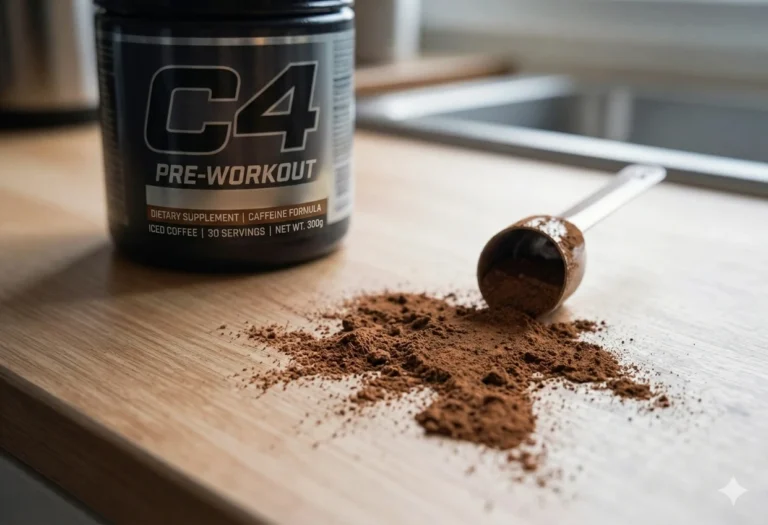
Most C4 pre-workout formulas contain 150–200mg of caffeine per serving—C4 Original has 150mg, while C4 Smart Energy drinks pack 200mg. Always check your specific product label, as formulations vary. If you’re caffeine-sensitive, start with half a serving. Consult your healthcare provider before use, especially if managing heart conditions or taking medications.
As a food blogger with a strong focus on nutrition and wellness, I’m constantly asked about trendy beverages that promise quick energy boosts. One question that comes up often is “How much caffeine is in a C4?”—especially from fitness lovers looking for better workouts without the unwanted side effects of jitters, anxiety, or sleep issues.
Many people grab pre-workout drinks assuming they’re a simple fitness upgrade, but they rarely stop to calculate how much caffeine they’re consuming from coffee, energy drinks, and supplements throughout the day. To safely track your personal limits, try our caffeine calculator by weight and age.
Recently, a reader shared that they were experiencing afternoon crashes, restlessness, and trouble sleeping after drinking C4 before workouts. After reviewing their routine, it became clear that hidden caffeine intake was the real issue.
While these drinks can provide a temporary boost, too much caffeine may negatively affect sleep, heart health, and overall energy balance, according to the FDA’s caffeine safety guidance.
In this guide, I’ll break down exactly how much caffeine is in popular C4 drinks, review their ingredients, and help you decide whether they fit into a healthier lifestyle.
TL;DR: Quick Overview
- Most standard cans contain exactly 200 mg of active stimulants.
- The intense Ultimate version packs a massive 300 mg dose.
- Powdered scoops usually provide between 150 mg and 200 mg.
- These specific beverages contain significantly more power than standard coffee.
- The FDA strictly recommends a maximum of 400 mg daily.
- High daily consumption easily leads to rapid heart rates and insomnia.
Understanding Stimulant Levels in Popular Pre-Workouts
Patients frequently ask me to decode complex beverage labels during their routine checkups. They specifically wonder how much caffeine is in a C4 can compared to standard diet sodas. The exact numbers depend entirely on which specific product line you purchase.
For instance, if you grab a standard tall can, you will consume about 200 mg of powerful stimulants. Furthermore, understanding how much caffeine is in a C4 16-oz serving helps you manage your cardiovascular limits. You must track these milligrams carefully.
| Product | Caffeine Content |
|---|---|
| C4 Smart Energy (12 oz / 16 oz) | ~200 mg |
| C4 Performance Energy (16 oz) | ~200 mg |
| C4 Ultimate Energy (16 oz) | ~300 mg |
| C4 Pre-workout powder (1 scoop) | ~150–200 mg |
In contrast, the powdered versions vary slightly based on your personal scooping habits. Most fitness enthusiasts want to know how much caffeine in C4 scoop servings when mixing drinks. Generally, a perfectly level scoop provides roughly 150 mg. Due to these high levels, you should never consume multiple servings back-to-back.
Exploring the Smart Energy Formula
Many corporate office workers prefer the cognitive boost of the specialized Smart series. Therefore, they often ask how much caffeine is in a c4 smart energy drink during their brutal afternoon slump.
This specific product line contains exactly 200 mg per standard can. It is explicitly marketed by the brand as a premium “clean energy” formula. In addition to the standard stimulants, it includes highly specialized nootropics like Cognizin.
These complex compounds theoretically support improved concentration and better memory retention. As a result, discovering how much caffeine is in a c4 smart energy beverage is just part of the overall equation.
You are also ingesting targeted brain-boosting ingredients. I frequently advise my patients to monitor their anxiety levels when trying nootropic blends. Sometimes, the unique combination creates a highly uncomfortable, jittery sensation.
The Ultimate Edition and Beta-Alanine

Advanced gym-goers often reach for the absolute most potent options available on the market. Consequently, evaluating a C4 Ultimate Energy drink requires looking at extreme, high-dose stimulant levels.
This highly intense formula packs a staggering 300 mg of active compounds into a single can. That is nearly your entire safe daily limit consumed in one quick sitting, per NIH Office of Dietary Supplements guidance. Furthermore, a C4 Ultimate Energy drink beta alanine blend causes a very specific physical sensation.
Many of my young followers are actively complaining of severe skin tingling after consumption. This harmless tingling is medically known as paresthesia. It occurs simply because beta-alanine temporarily affects the nerve endings just under your skin.
Because of the massive stimulant load, I strongly caution beginners against starting with the Ultimate line. It simply overwhelms an unadapted, sensitive central nervous system.
Flavor Profiles and Stimulant Consistency
Beverage companies constantly release exciting new flavor collaborations with popular candy brands. Naturally, curious consumers wonder how much caffeine is in C4 JOLLY RANCHER flavors when browsing the aisle.
The good news is that artificial flavorings do not alter the baseline stimulant profile. A sweet Jolly Rancher can still contains the standard 200 mg dose. Similarly, if you ask how much caffeine is in C4 Starburst, the answer remains exactly 200 mg.
The candy flavoring is purely cosmetic. Even vibrant visual options provoke questions, like how much caffeine in C4 Cosmic Rainbow blends. Again, the active ingredients remain highly consistent across the board.
Therefore, you can freely choose your favorite candy flavor without accidentally consuming extra hidden stimulants. Just remember to count every single can you drink daily.
Comprehensive Ingredient Breakdown
To fully understand these complex beverages, we must analyze the complete c4 energy drink ingredient list. I always look completely past the flashy marketing claims. I focus strictly on the raw chemical compounds entering your bloodstream.
First of all, the primary physiological driver is caffeine anhydrous. This is a highly concentrated, fully dehydrated form of the popular stimulant. It absorbs very rapidly into your digestive tract, hitting your brain quickly, according to pharmacokinetic research.
Next, you will almost always find beta-alanine clearly printed on the label. This specific amino acid actively helps buffer lactic acid in your muscles during intense physical exercise. Consequently, it demonstrably delays deep physical fatigue during heavy lifting.
Additionally, asking what’s in C4 energy drink reveals a heavy reliance on synthetic B vitamins. Specifically, they include exceptionally large chemical doses of niacin, B6, and B12. These vitamins help your body convert dietary food into usable cellular energy.
However, excessive niacin consumption can cause a temporary, highly uncomfortable red skin flush. Furthermore, checking the C4 performance energy drink ingredients usually highlights the inclusion of taurine.
This naturally occurring amino acid heavily supports neurological development and helps regulate water in your blood. Many dedicated athletes believe taurine drastically enhances athletic performance. However, clinical scientific evidence remains somewhat mixed regarding its actual standalone benefits.
Finally, we must critically address the artificial sweeteners used for intense flavoring. Most modern zero-sugar formulas rely heavily on sucralose or acesulfame potassium to achieve their sweetness.
While the FDA currently considers these generally safe, some of my sensitive followers report mild digestive upset. If you frequently experience painful bloating, the artificial sweeteners might be the hidden root cause. In summary, these popular drinks are highly complex chemical cocktails designed for immediate performance.
Nutritional Facts and Macros
Beyond the active compounds, reviewing the c4 energy drink nutrition facts is crucial for managing your daily diet. Most dedicated fitness enthusiasts carefully track their macronutrients to maintain a lean physique.
Fortunately, most of these specific cans contain zero calories and zero grams of actual sugar. Therefore, they will not drastically disrupt a strict daily weight-loss protocol. However, checking the c4 performance energy nutrition facts often reveals moderate hidden sodium levels.
Sodium actively helps with cellular hydration during intense periods of heavy sweating. You will also notice massive, inflated percentages of your daily recommended B vitamins.
Sometimes, these bold numbers easily exceed 500% of your actual daily biological requirement. Your body simply excretes the excess water-soluble vitamins rapidly in your urine. Thus, these massive vitamin doses are mostly a clever marketing tactic.
Biological Mechanisms of Action
How do these powerful chemical compounds actually alter your complex brain chemistry? When you ingest caffeine in c4 energy drinks, it quickly crosses your protective blood-brain barrier.
Once fully inside your brain, it acts directly as an adenosine receptor antagonist. It physically blocks the specific neurotransmitter primarily responsible for making you feel sleepy, per pharmacology literature. As a result, your central nervous system shifts rapidly into a highly stimulated, alert state.
Your resting heart rate increases noticeably, and your blood vessels constrict slightly. Furthermore, this intense process indirectly enhances your natural dopamine signaling.
This chemical cascade explains the temporary mood boost and intense mental focus you feel during a workout. Eventually, the active compound fully metabolizes in your liver. Once it wears off, the accumulated adenosine floods your blocked receptors, causing a noticeable energy crash.
Evidence-Based Performance Benefits
When used strictly correctly, these specialized beverages offer documented physiological advantages for healthy adults. Most noteworthy, they significantly increase perceived energy levels during highly strenuous physical tasks.
Additionally, rigorous clinical studies show a moderate, measurable improvement in sustained mental focus. This is especially relevant for highly complex, skill-based athletic movements like Olympic lifting.
Furthermore, moderate stimulant intake demonstrably enhances long-term endurance exercise performance. It temporarily alters exactly how your brain perceives physical pain and muscular fatigue.
However, these desired benefits strictly depend on proper, measured dosing. Consuming entirely too much actually degrades athletic performance by causing severe, uncontrollable jitters. Always optimally time your intake about thirty minutes before your planned physical activity begins.
Potential Risks and Side Effects

We must seriously address the severe health risks associated with heavy, daily consumption. In my food blogging practice, I frequently saw young people suffering from a severe caffeine addiction and a C4 energy drink habit.
When you consistently consume 300 mg daily, your brain quickly builds a very stubborn chemical tolerance. Soon, you desperately need multiple cans just to feel normal and function properly. Consequently, strictly monitoring the caffeine amount on C4 energy drink labels is a vital personal safety measure.
Excessive daily intake easily triggers clinical insomnia and intense periods of deep anxiety. Moreover, highly sensitive individuals often experience rapid, highly irregular heartbeats after consumption, according to the American Heart Association.
We medically call this tachycardia, and it absolutely requires immediate medical attention if it persists. If you eventually decide to quit, fully expect harsh physical withdrawal symptoms like severe headaches and profound fatigue.
FDA Guidelines for Safe Daily Intake
To actively protect your heart, you must strictly follow established public health guidelines. The FDA clearly states that exactly 400 mg daily is the absolute maximum safe limit for adults.
Therefore, drinking a single Ultimate can immediately puts you dangerously close to the absolute maximum. You have very little physiological room for error remaining. If you also casually drink a morning coffee, you will easily exceed completely safe levels.
This chronic habit chronically overworks your delicate cardiovascular system over time. I strongly advise my patients to strictly cap their daily intake at 200 mg per day. This provides ample physical energy without risking severe neurological burnout.
Comparing Pre-Workouts to Standard Coffee
Many people falsely assume a canned energy drink roughly equals one standard cup of coffee. This is a highly dangerous misconception that frequently leads to accidental medical overdoses.
A standard 8 oz cup of home-brewed black coffee contains roughly 80 to 100 mg of stimulants. It is a relatively gentle, natural morning lift for your nervous system. In stark contrast, a standard fitness beverage contains a massive 200 mg dose.
The extreme performance versions pack an astonishing 300 mg dose into one serving. Therefore, one single can directly equals two to three strong cups of coffee consumed instantly. You must absolutely respect this intense, rapid concentration of active chemicals. For broader comparisons, see how Bang energy drink caffeine or Reign caffeine content stack up.
Frequently Asked Questions
What is the exact stimulant amount in a standard can?
Most standard 16-oz fitness energy cans contain exactly 200 mg caffeine. That’s a solid boost—perfect for pre-workout fuel. But watch out: “extreme” versions pack up to 300 mg. Always check the label before sipping. Track your total daily intake across all sources. Small awareness prevents jitters, anxiety, or sleep trouble. Your body deserves mindful fueling.
Are these fitness beverages much stronger than normal coffee?
Yes—significantly. One 200 mg can equals two to three standard coffee cups. That’s a potent dose, delivered fast. If you’re sensitive to caffeine, start small. Strength isn’t just about milligrams—it’s about timing, tolerance, and total intake. Choose based on your goals. Your nervous system will thank you for thoughtful choices.
Is daily consumption considered medically safe?
In strict moderation, yes—one can (200 mg) fits within the FDA’s 400 mg daily limit. But daily use leaves little room for coffee, tea, or meds. Risks include sleep disruption, palpitations, or dependency. Occasional fuel is fine. Long-term reliance? That’s a red flag. Prioritize sustainable energy sources. Your long-term health matters most.
What primary active ingredients are inside the formula?
The core blend features anhydrous caffeine for fast energy. Beta-alanine supports muscular endurance. Synthetic B vitamins aid metabolism. Artificial sweeteners like sucralose keep sugar at zero. These ingredients work together for performance—but they’re potent. Read labels. Know your limits. Small choices create big comfort. Your body responds to what you put in it.
Do candy flavors contain different active ingredient levels?
No—all standard flavors share the same 200 mg caffeine base. Whether it tastes like candy, fruit, or dessert, the stimulant load stays identical. Flavor changes don’t reduce potency. Always check the label before sipping. Track your total daily intake across all beverages. Mindful choices support steady, calm energy throughout your active day.
Conclusion
In conclusion, understanding exactly what you are putting into your body is the absolute foundation of excellent metabolic and cardiovascular health. We have thoroughly explored how much caffeine is in a c4 energy drink today, and the actual numbers are incredibly striking. At roughly 200 mg per standard can, and up to 300 mg for the Ultimate versions, these beverages are undeniably potent.
Most of all, they provide significantly more nervous system stimulation than your typical morning cup of brewed coffee. They contain enough of a massive chemical kick to severely disrupt your natural sleep architecture if consumed late in the afternoon, according to sleep medicine research. As a food blogger with a passion for healthier comfort foods, my advice is always strict moderation above everything else.
You can absolutely enjoy these popular pre-workout beverages as part of a highly active, well-balanced lifestyle. Just be highly mindful of your overall daily limit, especially if you also routinely consume green tea or iced coffee. If you frequently find yourself feeling randomly jittery or highly anxious, try immediately switching to a much lighter alternative.
Ultimately, your long-term cardiovascular health is all about making smart, informed choices every single day. Now that you truly know the clinical facts, you can properly fuel your heavy workouts without any lingering anxiety. Keep closely tracking those milligrams, stay properly hydrated with plenty of plain water, and always prioritize your nightly restorative rest.
Evidence-Based References
- U.S. Food and Drug Administration: Spilling the Beans: How Much Caffeine is Too Much? https://www.fda.gov/consumers/consumer-updates/spilling-beans-how-much-caffeine-too-much
- National Institutes of Health Office of Dietary Supplements: The Use and Biology of Energy Drinks https://ods.od.nih.gov/news/EnergyDrinksWorkshop2013.aspx
- American Heart Association: Energy Drinks and Cardiovascular Health https://www.heart.org/en/news/2019/05/29/energy-drinks-may-provide-jolt-to-heart-function-blood-pressure
- Centers for Disease Control and Prevention: Energy Drinks and Youth Health https://blogs.cdc.gov/nchs/2014/02/19/2035/
- Journal of the American Heart Association: Cardiovascular Effects of Energy Drinks https://www.ahajournals.org/doi/10.1161/CIRCULATIONAHA.116.025039
- Sleep Medicine Reviews: Caffeine Effects on Sleep Timing https://www.sciencedirect.com/journal/sleep-medicine-reviews
- Pharmacology & Therapeutics: Caffeine Mechanisms of Action https://www.sciencedirect.com/org/science/article/pii/S2046206922022240
- Nature Genetics: Genetic Variability in Caffeine Metabolism https://www.nature.com/articles/s41598-019-46931-0
- Journal of Caffeine Research: Caffeine Use Disorder https://journals.sagepub.com/doi/abs/10.1089/jcr.2013.0016
- Pediatrics: Energy Drink Consumption in Adolescents https://publications.aap.org/pediatrics/article-abstract/133/3/386/32320/Trends-in-Caffeine-Intake-Among-US-Children-and?redirectedFrom=fulltext
Related Posts






Subscribe for New Racipies
Get mental health tips, updates, and resources delivered to your inbox.