
Are Carrots Acidic? Carrots for Acid Reflux: Good or bad?

Medically reviewed by Lindsay Ewan, MD Updated Date: January 2, 2026
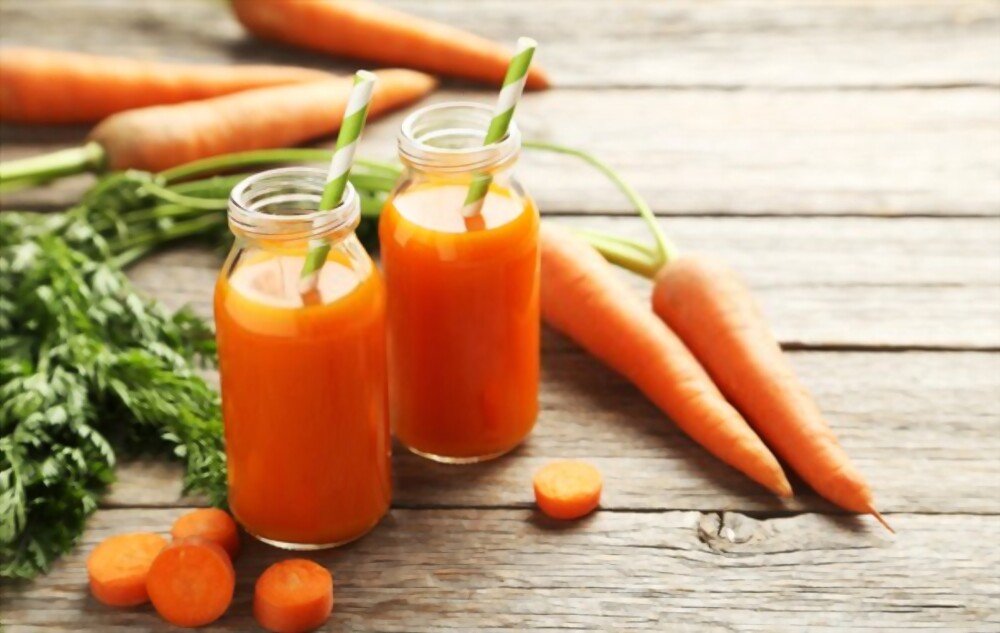
Orange in color and crunchy in texture, one of the most nutritious vegetables on our list is the carrot. It is one of the most nutritious vegetables because of the high amounts of beta-carotene.
After hearing lots of good things about carrots, people are sometimes confused about one point; are carrots acidic?
Carrots have a PH varying from 5.88 to 6.40, which means they are slightly acidic. But interestingly, carrots actually have an alkalizing effect after digestion. The vegetable itself has a slightly acidic pH, but the effect on one’s body is actually to make it slightly less acidic, which is a mystery which lies within the vegetable.
Today we will clear up every confusion related to carrots, whether they are acidic or alkaline, whether they are good for acid reflux or not, and why we should consider them in our diet. We will find out everything!
Why Are Carrots Acidic or Alkaline?
Carrots have a pH between 5.88 to 6.40, which is slightly acidic. However, at the same time, they have a strong alkalizing impact on the body, and this makes everyone confused about whether carrots are acidic or alkaline.
Let’s simply clear the confusion. Carrots are slightly acidic. By definition, anything with a pH under 7.0 is acidic. But – carrots have some alkalizing minerals like sodium and magnesium, both of which help the kidney to maintain the body’s pH within range, and demonstrate an alkalizing effect.
Still not clear? Let’s just have a look on this,
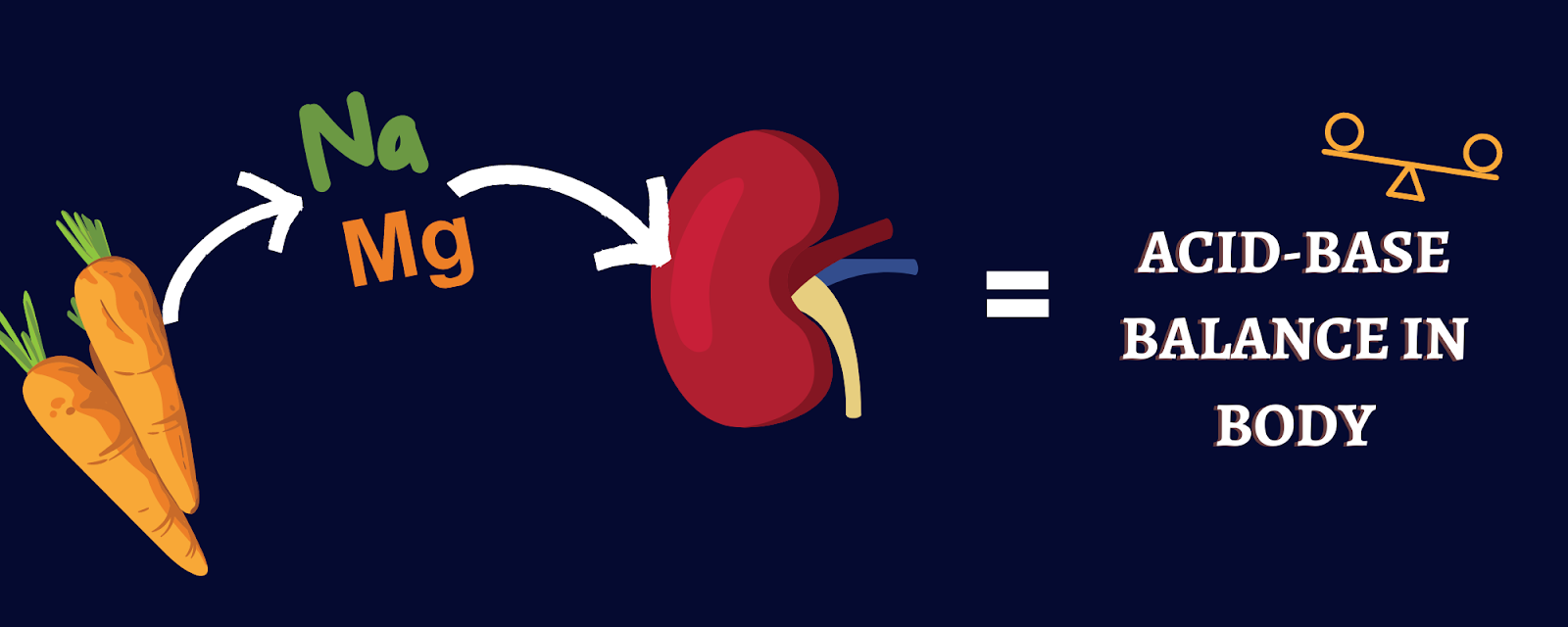
Our kidneys not only excrete the waste materials from the body, but they also help maintain the body pH within a specific range. Carrots contain lots of minerals including sodium and magnesium that bind with hydrogen ions and thereby maintain the internal body pH.
The human body is somewhat alkaline, with a pH varying from 7.35 to 7.45. In order to maintain this alkaline pH within the body, our kidneys must excrete acidic substances. Binding to these minerals aids in that excretion, and therefore has an alkalizing effect on the body.
So, I hope you now have an answer to the question of whether or not carrots are an acidic food! Clearly, the food itself is acidic – but – the effect on the body is alkalinizing.
Related Article: Is Broccoli acidic? Broccoli Acid Reflux (Is This True?)
Various pH levels of Carrots
Carrots may show different pH levels in different conditions. The change in pH, however, does not make them any less healthy for you.
| Carrots’ Condition | pH Level |
| Canned carrots | 5.18-5.22 |
| Cooked carrots | 5.58-6.04 |
| Pureed carrots | 4.55-5.22 |
| Chopped carrots | 5.30-5.56 |
Now, if someone asks, are cooked carrots acidic or not? You can confidently answer yes. With a pH from 5.58 to 6.04, they are definitely slightly acidic.
Carrots for Acid Reflux [Good or Bad]
Carrots are good for preventing acid reflux, despite appearing to be an acidic food. But people who suffer from acid reflux can benefit from carrots in numerous ways, including …
Rich in Fiber
Carrots have about 1.7 grams of fiber per medium carrot, which is enough to promote a healthy digestive system.
For those with sensitive stomachs, fiber reduces or prevents acid reflux by promoting intestinal motility. This means that food moves along the intestinal tract better, and there is less pressure pushing stomach contents to flow backwards up the esophagus.
Dietary fiber improves digestion and prevents constipation, which both help reduce acid reflux. They also improve gastrointestinal motility and gastric emptying.
The dietary fiber in carrots also encourages the development of healthy gut microbiota, whose existence is crucial for preventing infection. So, ultimately, this characteristic of carrots helps in preventing acid reflux.
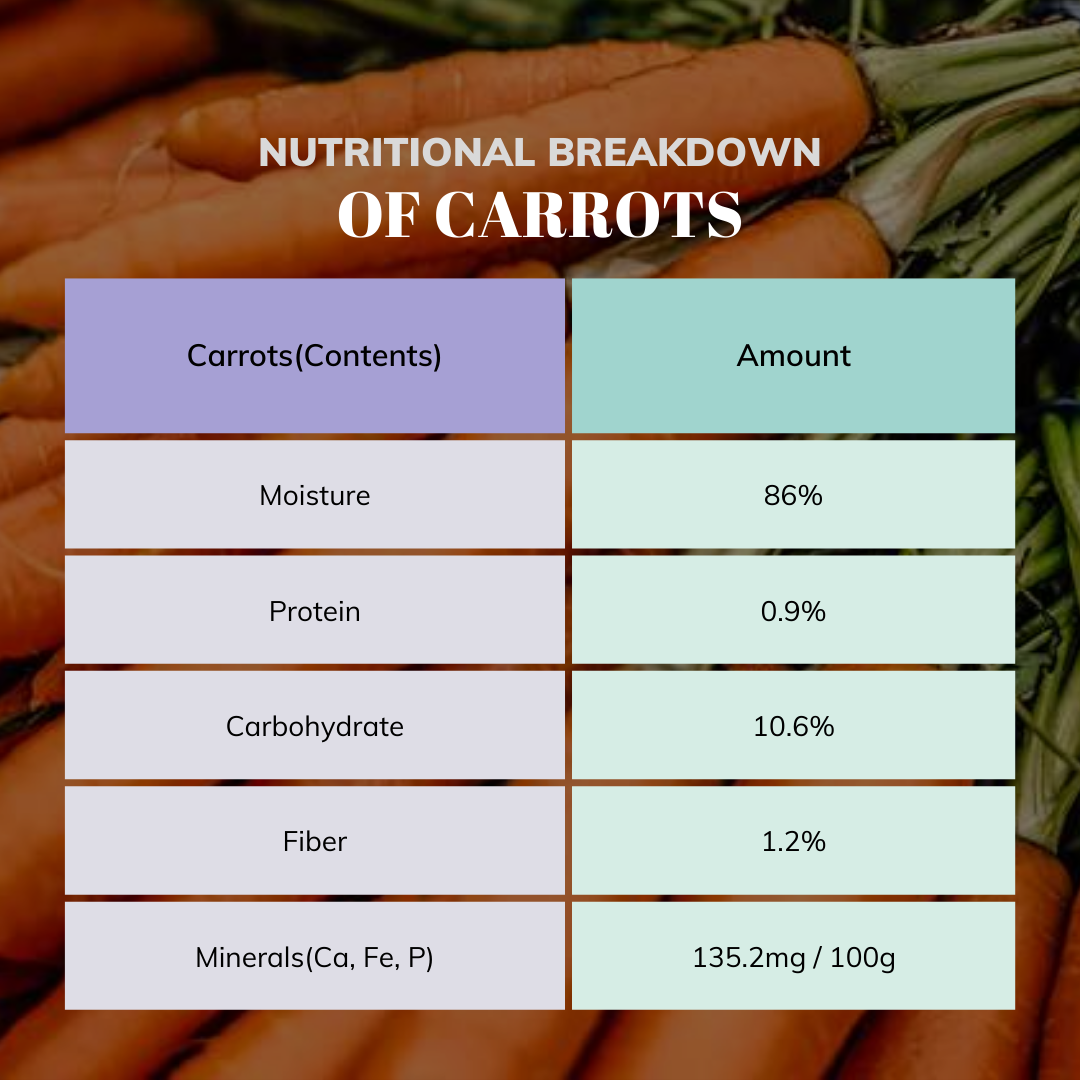
Just take a look at the nutrient contents contained in this fabulous vegetable!
Full of Minerals and Antioxidants
Carrots are full of minerals and antioxidants. According to the analysis by food scientists, they contain almost 136 mg of minerals per 100 grams of carrots.
Additionally, carrots contain antioxidants, such as vitamins and beta-carotene. Carrots contain vitamin C which helps your cells to protect themselves from the effects of free radicals, which can cause severe skin conditions.
So, despite the slightly acidic pH of carrots, they obviously have a lot of health benefits. Now, let’s check out an easy solution to prevent gastritis or acid reflux by eating carrots.
Related Article: Foods to avoid with GERD
Drink Carrot Juice To Help With Acid Reflux
Carrot juice is a healthy drink, with an almost neutral pH, that contains a lot of nutrients and vitamins that may help with acid reflux relief. The pH of carrot juice is approximately 6.13, which is fairly close to neutral.
In addition, carrot juice contains:
- vitamin C. Vitamin C is a strong antioxidant. Vitamin C may help reduce inflammation and help in reducing heartburn.
- Potassium, which helps in reducing the production of stomach acid and helps control GERD.
- Fiber and other nutrients in carrot juice can aid in digestion and keep your gastrointestinal tract functioning properly.

Carrot juice is an effective natural treatment for acid reflux due to all of these reasons.
Related Article: Are Apples Acidic? Apples for Acid Reflux [Good or Bad]
3 Reasons to Add Carrots in Your Diet
Carrots contain abundant minerals, and are a good source of vitamins and healthy carbohydrates. Carotenoids have received a lot of attention in studies on carrots. Beta carotene has significant health benefits, so carrots have benefits other than just reducing reflux and gastritis.
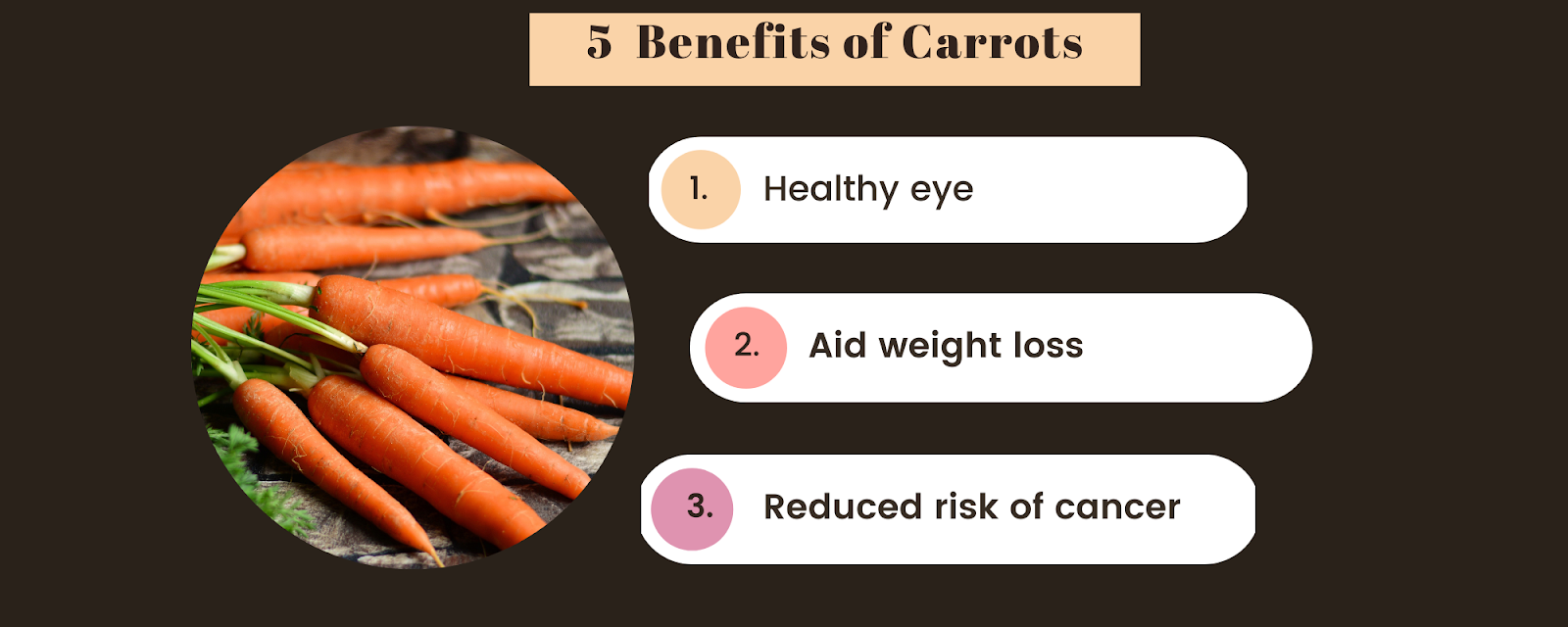
Healthy eye
Carrots contain vitamin A which is very good for a eye health. It is the most essential component of the protein rhodopsin, which is the protein within the eye that allows eyesight in low light conditions.
Weight Loss
Carrots have a high water content (about 86%), as well as 1.7 grams of fiber per carrot. Water and fiber are known to help people feel full. Thus, people can eat carrots and feel satisfied, though they have not really consumed that many calories. This can help people lose weight.
Reduced risk of cancer
Carrots are very rich in carotenoids, and these are compounds that may aid in the prevention of many cancers, including cancers of the prostate, colon, and stomach. High levels of circulating carotenoids in women may also lower their chance of developing breast cancer.
Are Carrots Acidic for Babies?
Carrots are full of fiber, minerals, antioxidants and vitamins. Though they have a pH range from 5.88 to 6.40, they don’t cause acid reflux in babies.
Carrots are full of sodium, potassium, magnesium which are the effective minerals that create an alkalizing effect inside the body and help the kidneys to maintain the normal pH of the body.
Additionally, carrots are full of vitamin A and C which are crucial vitamins for the baby’s growth and development. Vitamin A is good for eye health and vitamin C is important for collagen and skin development.
It is typically recommended to wait to start solid foods until the age of 6 months, so carrots should not be given to very young infants.
Also, raw carrots pose a choking hazard to infants and young children. Cooked carrots, though, are a favorite food of many infants ages 6 – 12 months, and many older children as well.
Are Carrots Acidic for Dogs?
Dogs have a strong digestive system that is able to digest raw or cooked carrots very easily without any negative effects.
Carrots’ slight acidic nature does not seem to bother a dog’s digestive tract. Moreover, the fiber present in the carrot’s compound helps promote intestinal health, and therefore optimal absorption of nutrients.
Carrots are full of water and carbohydrates as well, which will help your dog be healthy and stay hydrated. However – it is important to remember that providing excessive amounts of fiber can result in diarrhea, so carrots and other fiber-rich foods should be fed in moderation.
Carrots can help maintain a healthy digestive system in both humans and our furry four legged friends!
FAQs
Do Raw Carrots Cause Acid Reflux?
No, though carrots are slightly acidic, they do not cause acid reflux due to their alkalizing effect on the body. Foods like carrots are considered safe to consume. You can also obtain minerals from carrots by drinking carrot juice.
Can Carrots Cause Digestive Problems?
It is understandable that carrots are a favorite among many people given their delicious taste and good nutritional value. However, some people find it difficult to digest carrots since they contain so much fiber.
Nevertheless, fiber is ultimately good for intestinal health, so carrots are overall beneficial to the digestive system.
Are Raw Carrots Acidic?
Yes, raw carrots are acidic. Their pH is in the range of 5.88 to 6.40, indicating that they are slightly acidic, as anything under a pH of 7.0 is acidic.
Conclusion
Hopefully, you get the idea as to whether or not carrots are acidic. And, the idea that carrots ultimately have an alkalizing effect, and are beneficial in reducing acid reflux in people who suffer from it.
Overall, carrots are one of the healthiest foods available, with a close to neutral pH, and healthy compounds that are very good for gastritis.
As always, however, one should avoid overconsumption of carrots. Just like with any food, there is such a thing as too much of a good thing.
Related Posts
Subscribe for New Racipies
Get mental health tips, updates, and resources delivered to your inbox.
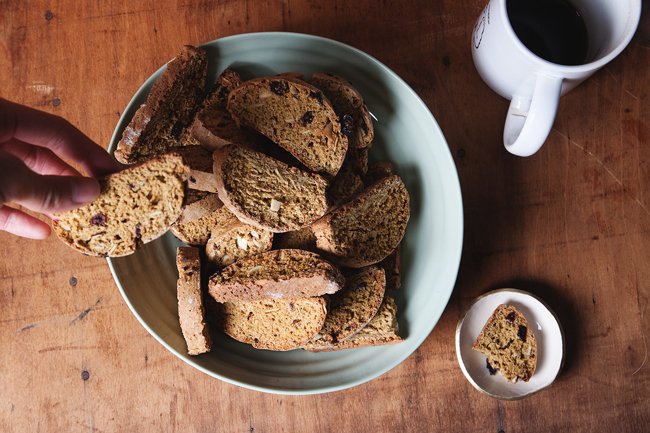
Pumpkin Biscotti With Cranberries And Almonds

Apparently I’m on a pumpkin spree.
Allow me to grin sheepishly and assure you that pumpkin puree season is almost over, a fact that makes me feel both sad and just a little relieved. For Chris, at least. His pumpkin fatiguée has never run so high. (Although one serving of pumpkin pie should cure him of that.)
And admittedly, even my tolerance is beginning to wane. I tend towards the obsessive in many aspects of my life, and pumpkin is one of these things. As well as listening to the same song/album on repeat, wearing the same shirt for weeks on end, wanting to eat at the same restaurant every time I go out, etc. etc. The inevitable result of such overload is almost criminally tragic: after such sensory gluttony, said objects/activities become warped, twisted. I can never view them the same way again.
That early magic is so transcendent, yet transient. Like the first time I heard the song “Weird Fishes by Radiohead.” God, I was moved. It haunted me. I still love it—and the entire album for that matter—but how I wish I could hear it again for the first time. (You can.)
So seasonality may not be such a bad thing after all. I mean, I wouldn’t mind having access to perfectly ripe peaches the entire year round. But I’d be losing the experience of the anticipation, and the unadulterated captivation of the first bite. Which means more to me than you can know.
With all that being said, it’s almost time to retire pumpkin. Almost. After all, there’s still pumpkin pie to be had.

Traditional Italian biscotti is not the buttery, cake-y creations we have today. They’re supposed to be biscuits after all, and biscuits do not connote dessert. It was made exclusively with flour, sugar, eggs, almonds (not roasted or skinned), and pine nuts. And meant to last a long time. Centuries, if stored carefully, according to Pliny the Elder.
Purists would call the recipe below a bastardization then. At the same time, I didn’t want to make anything too extravagant, too rich, too filling. I didn’t want to dip my biscuits in chocolate, or adorn them knee-deep with toppings, or have them leave behind butter stains on my finger. Rather, I was craving a sensible, no-nonsense, pumpkin-flavored treat to eat alongside my mid-morning coffee.
And that’s how these biscotti came out.

Of course, my few modest additions helped ever so much with the flavor, if I do say so myself. Dried cranberries to make it feel more festive, slivered almonds because they were one of the original ingredients, cinnamon, ground ginger, and cardamom because why the hell not. I dusted the top with black sesame seeds, bird food really, and into the oven my fat little loaf went.
Twice.
Because that’s how you make biscotti. You bake it twice.

PUMPKIN BISCOTTI WITH CRANBERRIES AND ALMONDS
Adapted from The New Best Recipe
Makes about 50
Ingredients:
- 1-1/2 cups all-purpose flour
- 1 cup whole wheat flour
- 1 tsp baking powder
- 1/2 tsp baking soda
- 1/4 tsp salt
- 1 tsp cinnamon
- 1/2 tsp ground ginger
- 1/4 tsp cardamom
- 3/4 cup pumpkin puree
- 1 cup brown sugar
- 2 large eggs
- 1 tsp vanilla extract
- 1/2 cup slivered almonds
- 1/2 cup dried cranberries
- black sesame seeds for topping
Directions:
Preheat oven to 350 degrees F. Line a large baking sheet with parchment paper.
Whisk the flours, baking powder, baking soda, salt, and spices together in a medium bowl. Set aside. In a larger bowl, whisk the pumpkin puree, sugar, and eggs together until smooth. Stir in the vanilla extract, almonds, and cranberries. Pour the dry ingredients over the egg mixture and fold until just combined.
Halve the dough and turn each half onto the prepared baking sheet. Using floured hands, stretch each half into a long loaf about 12 inches. Shape and pat each one smooth. Sprinkle liberally with black sesame seeds.
Bake until the loaves begin to crackle on top, about 25 minutes. Rotate the pan halfway through baking. Remove from the oven and let the pan cool for about 10 minutes. Meanwhile, reduce the oven temperature to 325 degrees F.
Transfer the loaves onto a cutting board. Using a serrated knife, cut each loaf diagonally into thin slices, about 1/2-inch. Lay the slices back on the baking sheet and return them to oven. Bake until crisp and golden-brown on both sides, about 15 minutes. Halfway through baking, turn the cookies over and rotate the baking sheet.
Remove from oven, and let cool. Store in an airtight container.
Related Posts




Subscribe for New Racipies
Get mental health tips, updates, and resources delivered to your inbox.