
Is Brown Sugar Acidic? Brown Sugar and Acid Reflux

Medically reviewed by Aneeza Pervez Updated Date: January 1, 2026
Acid reflux is a pervasive condition that affects millions of people globally, disrupting daily life with symptoms like heartburn, regurgitation, and discomfort in the chest. The primary cause is stomach acid flowing back into the esophagus, often due to a weakened lower esophageal sphincter (LES). While occasional reflux can be a nuisance, chronic acid reflux, known as Gastroesophageal Reflux Disease (GERD), requires careful management to prevent further complications such as esophagitis or Barrett’s esophagus.
A key factor in managing acid reflux is dietary choices. Certain foods and beverages can exacerbate symptoms, while others may alleviate discomfort. Sweeteners like brown sugar often raise questions: Is it acidic, and could it aggravate acid reflux? Understanding the properties of brown sugar, including its pH level, and its effects on the digestive system is crucial. In this article, we’ll break down the science behind brown sugar’s acidity, its connection to acid reflux, and alternative sweeteners that might be gentler on your stomach.
What is Brown Sugar?
Composition and Difference from White Sugar
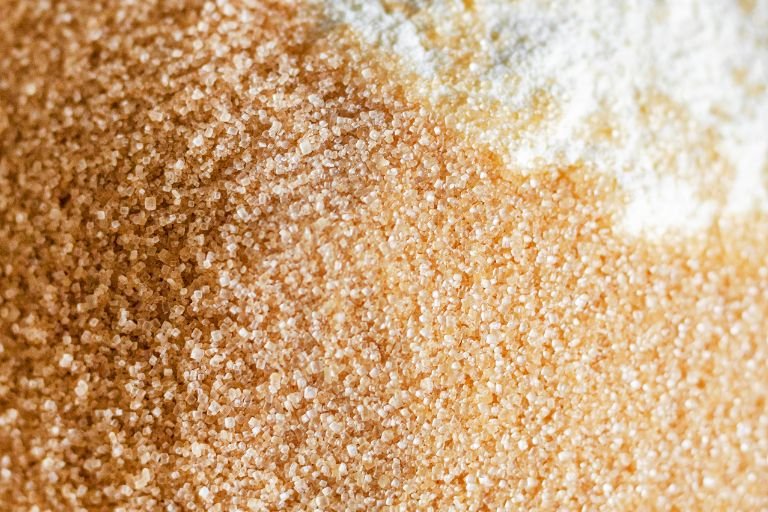
Brown sugar is essentially white sugar with added molasses, giving it its characteristic color, flavor, and moisture content. Unlike white sugar, which is refined and stripped of impurities, brown sugar retains a small percentage of molasses, contributing to its slightly richer taste.
Nutritional Composition of Brown Sugar
To better understand its potential impact on acid reflux, let’s examine the nutritional profile of brown sugar:
| Nutrient | Amount per 100g | Comment |
| Calories | 380 kcal | High caloric content, similar to white sugar. |
| Carbohydrates | 98 g | Primarily simple sugars. |
| Sugars | 96 g | Includes glucose and fructose. |
| Calcium | 85 mg | Derived from molasses content. |
| Potassium | 130 mg | Trace amount beneficial for health. |
| Iron | 0.71 mg | Present in small quantities. |
While brown sugar offers minimal minerals like calcium and potassium due to its molasses content, its nutritional differences from white sugar are not significant enough to consider it a health food.
pH Level of Brown Sugar
The pH level of brown sugar typically ranges from 5.0 to 6.0, making it slightly acidic. While it is not as acidic as lemon juice or vinegar, its acidity level can still influence those sensitive to acidic foods.
Is Brown Sugar Acidic?
Scientific Explanation of Its Acidity
Acidity is measured on a pH scale, where values below 7 are acidic, and values above 7 are alkaline. Brown sugar falls on the acidic side due to its molasses content. Molasses, being mildly acidic, slightly lowers the pH of brown sugar compared to white sugar, which has a nearly neutral pH.
Comparison with White Sugar and Natural Sweeteners
- White Sugar: With a pH closer to neutral (around 7), white sugar is less acidic than brown sugar. However, its effect on acid reflux is similar due to its high glycemic index and refined nature.
- Natural Sweeteners: Alternatives like honey (pH 3.9–4.5), maple syrup (pH 5.5–7), and stevia (neutral) may offer better options for acid reflux sufferers due to their varying pH levels and lower glycemic impact.
Brown Sugar and Acid Reflux
Can Brown Sugar Trigger Acid Reflux?
Brown sugar may contribute to acid reflux symptoms for some individuals. While it is only mildly acidic, the real issue lies in its impact on the digestive system:
- High Sugar Content: Excess sugar consumption can lead to increased stomach acid production, which may trigger acid reflux.
- Molasses Content: Though minor, the acidic molasses in brown sugar may irritate sensitive individuals.
- Indirect Triggers: Consuming sugary foods can lead to weight gain, a known risk factor for acid reflux.
Benefits and Risks of Consuming Brown Sugar for Acid Reflux Sufferers
- Benefits:
- Slightly less refined than white sugar, which may be marginally better for some.
- Trace minerals from molasses could contribute to nutritional diversity.
- Risks:
- Increased acid production in the stomach.
- Potential for triggering heartburn if consumed in large quantities.
For those with acid reflux, moderation is key. A small amount of brown sugar might not cause symptoms, but frequent or excessive use could exacerbate issues.
Alternative Sweeteners for Acid Reflux
Low-Acid Natural Sweeteners
For those looking to reduce acid reflux symptoms, consider these alternatives:
- Honey:
- Natural and slightly acidic.
- Known for soothing throat irritation caused by acid reflux.
- Maple Syrup:
- Ranges from mildly acidic to neutral.
- Less processed and has a unique flavor.
- Stevia:
- A natural, zero-calorie sweetener with a neutral pH.
- Ideal for those managing both acid reflux and blood sugar levels.
- Coconut Sugar:
- Low glycemic index.
- Slightly acidic but often better tolerated than refined sugars.
Exploring Sugar Substitutes for Acid Reflux Relief
Managing acid reflux often involves making strategic dietary adjustments, and one effective approach is substituting traditional sugars like brown sugar with alternatives that are gentler on the stomach. Sugar substitutes can offer several benefits, such as lower acidity levels, reduced impact on stomach acid production, and, in some cases, added health benefits like lower calorie content or additional nutrients.
Natural sweeteners like honey, stevia, and maple syrup are popular choices among individuals with GERD. Honey, for example, is known for its soothing properties, which can help coat the esophagus and alleviate irritation caused by acid reflux. Stevia, a zero-calorie natural sweetener, is pH-neutral and less likely to exacerbate symptoms compared to refined sugars. Maple syrup, ranging from mildly acidic to neutral, offers a flavorful alternative that is often better tolerated by those with sensitive stomachs.
Additionally, sugar substitutes like coconut sugar and erythritol have a lower glycemic index and may help reduce overall acid production in the stomach, making them viable options for long-term dietary management. Experimenting with these alternatives can help find the right balance between satisfying your sweet tooth and avoiding reflux flare-ups.
Author Tip: Sugar Defender Reviews: Does It Really Work?
Why Choose Alternatives?
Switching to these sweeteners can:
- Lower the likelihood of triggering acid reflux.
- Provide added nutrients and health benefits.
- Reduce overall sugar intake, aiding in weight management—a crucial factor in controlling GERD symptoms.
Conclusion
Brown sugar, while mildly acidic, may not be the primary culprit in triggering acid reflux for most individuals. However, its sugar content and slight acidity can aggravate symptoms in sensitive individuals when consumed in large amounts. For those managing acid reflux, it’s essential to adopt a balanced approach by moderating sugar intake and opting for natural, low-acid sweeteners where possible.
Understanding your body’s reactions to certain foods is key. Consulting a healthcare provider for personalized dietary advice can help you make informed choices and effectively manage acid reflux symptoms.
FAQs
1. Is brown sugar good for acid reflux?
Brown sugar is not inherently good or bad for acid reflux. Its mild acidity and sugar content can trigger symptoms in sensitive individuals, but moderate consumption may not cause issues for everyone.
2. How does brown sugar compare to white sugar for acid reflux?
Brown sugar is slightly more acidic due to its molasses content. However, its overall impact on acid reflux is similar to white sugar.
3. Can brown sugar cause heartburn?
In some individuals, brown sugar can cause heartburn, especially when consumed in large amounts or as part of a high-sugar diet.
4. Are there better sweeteners for acid reflux?
Yes, alternatives like honey, stevia, and maple syrup are often better for acid reflux sufferers due to their lower acidity and potential health benefits.
5. What are other dietary tips for managing acid reflux?
- Avoid highly acidic foods like citrus and tomatoes.
- Eat smaller meals to prevent overloading the stomach.
- Stay upright after eating and avoid eating late at night.
Related Posts



Subscribe for New Racipies
Get mental health tips, updates, and resources delivered to your inbox.
Fava Bean Salad With Mint And Ricotta Cheese

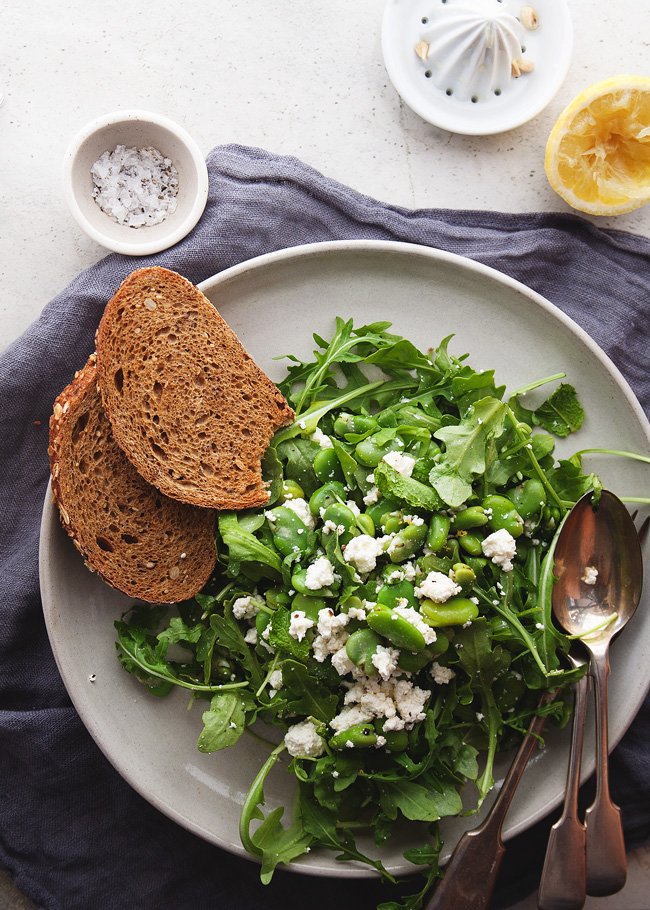
Alright folks, I’m calling a temporary hiatus on the sweet and the sugary, buttery and just plain fattening. I’m on a diet! It’s not one of those diets where I want to gradually lose weight by crafting a healthy, sustainable lifestyle. No no no, I need to drop pounds quickly because I’m getting married in exactly two months!!! (The invitations went out last week; we’ve officially mobilized the troops. Gulp.)
For the record, because I know there are those of you reading this who know me in real life (hi Jeannie!), I am not overweight. But the food bloggers among you might be a little more understanding. After all, we make food, and lots of it. And unless your will is made of steel, you’re bound to eat more than you’d like. (My will is made primarily of marshmallows.) I tried on a few shirts the other day, shirts that fit me perfectly fine last summer, and realized that they’d grown a little snug. Not good, not good at all.
So that’s the story behind this recipe. As I’ve never seriously undergone a diet before, I’m not sure how to approach this new way of eating. It’s not like I eat unhealthily most of the time, ya know? So I’ll rely on common sense rather than the dictates of an official Diet, that is, lots of vegetables, lots of fruit, smaller portions, etc. etc. Nothing revolutionary or dramatic. We don’t even own a scale.


I absolutely love fava beans. After receiving my copy of Polpo awhile back, I’d made a note to myself to make a certain broad bean, mint, & ricotta bruschette as soon as broad beans (also known as fava beans) were in season. The time has come. But instead of serving the bruschette on toasted bread, I decided to toss it on a bed of arugula instead, thereby turning it into a vegetable-packed and therefore very wholesome meal.
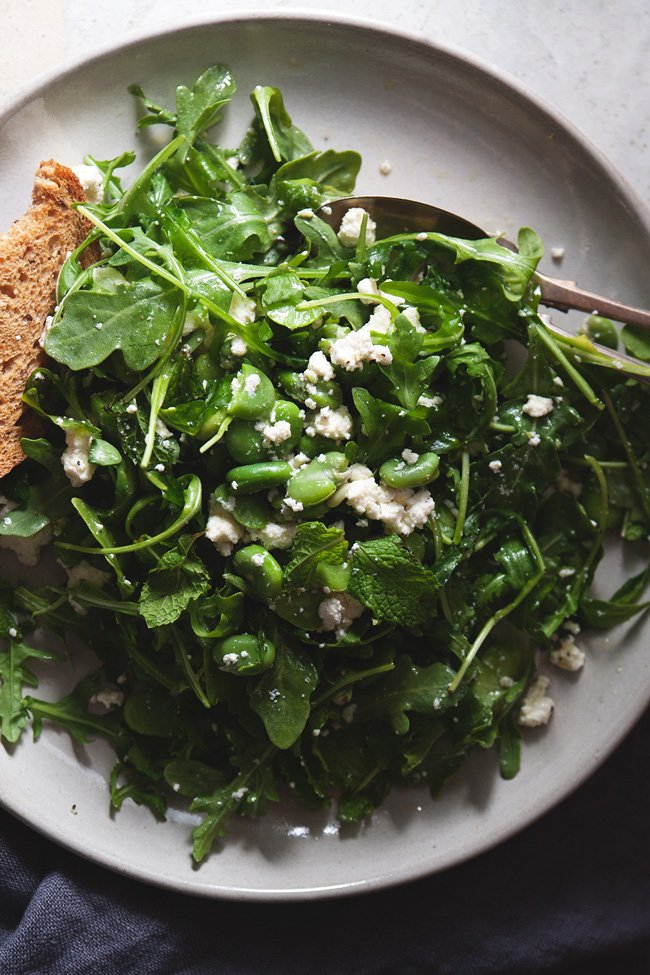
It’s the trinity of fava beans, mint, and lemon zest that serve as the backbone to this salad’s flavor. Or rather, the mint and lemon zest do wonders to the flavor of the fava bean, brightening its somewhat stodgy taste. (You know what I mean, right? It’s part of the reason why I love fava beans.) With the roundness of ricotta cheese and the sharpness of arugula, I think this recipe came out really well-balanced and flavorful. (Although, and I’m realizing this only now, I do believe fava beans might be out of season… are they? They came exceptionally late to our farmer’s markets this year, and I held onto this recipe for a bit longer than I should have. Sorry!)

So if everything goes as planned, in two months’ time, I’ll be ready to face the people. (Yes, some part of me realizes how melodramatic I sound. But please don’t get me started on how ridiculous the societal pressures on the bride-to-be are. A wedding is supposed to be about the witnessing of a spiritual union between two people who’ve made a committment to spend the rest of their lives together. So why do I feel like I’m supposed to present myself at my most beautiful and blushing? How have I lose sight of the whole point? Why do I care so much?! … I’ll have all the answers when this is all over.)
FAVA BEAN SALAD WITH MINT AND RICOTTA CHEESE
Adapted from Polpo
Serves 2 pretty hefty portions
Ingredients:
- 2 cups podded fava beans
- 1/2 cup ricotta cheese (preferably homemade—easy as pie, promise!)
- 30 mint leaves
- 3 handfuls arugula
- 2 Tbsp olive oil
- Zest of one lemon and a good squirt of lemon juice
- Salt and fresh pepper to taste
Directions:
Place the fava beans in boiling water for a couple minutes, then plunge into cold water, drain, and remove their skin. Toss the beans carefully with the cheese, and mint leaves, and arugula. Then mix in the olive oil and lemon zest/juice until combined.
Serve with salt and pepper, and any kind of bread.
Related Posts





Subscribe for New Racipies
Get mental health tips, updates, and resources delivered to your inbox.