
Are Mustard Greens Acidic? Mustard Greens and Acid Reflux

Medically reviewed by Aneeza Pervez Updated Date: January 2, 2026
Introduction to Mustard Greens and Digestive Health
Mustard greens are leafy vegetables belonging to the Brassica family, which includes broccoli, kale, and cabbage. Known for their peppery taste and high nutritional value, mustard greens are a staple in many cuisines around the world. While they are celebrated for their health benefits, individuals with acid reflux or GERD may wonder if mustard greens are acidic and how they affect digestion.
In this article, we’ll examine the acidity of mustard greens, their potential effects on acid reflux, and the best ways to incorporate them into a reflux-friendly diet.
Nutritional Profile of Mustard Greens
Mustard greens are packed with vitamins, minerals, and antioxidants, making them an excellent addition to a healthy diet. Here’s a look at their nutritional benefits in 1 cup (56 grams) of raw mustard greens:
- Calories: 15
- Fiber: 2 grams, supporting gut health.
- Vitamin C: Over 50% of the daily recommended intake, boosting immunity and reducing inflammation.
- Vitamin A: Promotes healthy skin and vision.
- Vitamin K: Essential for bone health and blood clotting.
- Antioxidants: Includes beta-carotene and glucosinolates, compounds that may reduce inflammation and detoxify the body.
Their low calorie count and nutrient density make mustard greens a powerhouse food, but their impact on acid reflux depends on various factors.
Understanding the Acidity of Mustard Greens
Are Mustard Greens Acidic or Alkaline?
Mustard greens are mildly alkaline, with a pH that leans toward neutrality. Their alkaline nature helps balance stomach acid and supports a low-acid diet, making them a suitable choice for individuals with acid reflux or GERD.
Do Mustard Greens Trigger Acid Reflux?
Mustard greens are unlikely to trigger acid reflux for most people. However, their natural spiciness can cause mild irritation in individuals with highly sensitive stomachs or those prone to digestive discomfort. Cooking mustard greens can reduce this spiciness, making them easier to tolerate.
Mustard Greens and Acid Reflux
How Mustard Greens May Help with Acid Reflux?
- Alkaline Nature: Mustard greens can help neutralize stomach acid, alleviating symptoms of acid reflux.
- Rich in Fiber: Fiber promotes smooth digestion and prevents constipation, which can contribute to reflux symptoms.
- Anti-Inflammatory Properties: Antioxidants in mustard greens reduce inflammation in the digestive tract, soothing irritation caused by acid reflux.
Potential Concerns with Mustard Greens
- Spiciness: The natural peppery flavor of mustard greens may irritate some people with severe acid reflux. Cooking them or combining them with mild foods can help mitigate this effect.
- Excessive Fiber: For individuals with sensitive stomachs, consuming large amounts of mustard greens may cause bloating or gas, which can worsen reflux symptoms.
How to Safely Include Mustard Greens in a GERD-Friendly Diet?
To enjoy mustard greens without triggering acid reflux, consider these tips:
Cooked vs. Raw Mustard Greens
Cooking mustard greens reduces their natural spiciness and softens their fibers, making them gentler on the stomach. Steaming, sautéing, or boiling are ideal methods for preparing them in a reflux-friendly way.
Pair with Non-Acidic Foods
Combine mustard greens with alkaline or neutral foods like quinoa, sweet potatoes, or lean proteins to create balanced meals that are easy on the stomach.
Portion Control
Stick to moderate servings (about 1 cup of cooked mustard greens) to avoid overwhelming your digestive system with too much fiber or spiciness.
Avoid Spicy Seasonings
Skip heavy spices, vinegar-based dressings, or acidic sauces when preparing mustard greens. Instead, use mild seasonings like olive oil, garlic, or a pinch of salt.
Author Tip: 7 Kinds of Foods to Avoid with GERD
Delicious and GERD-Friendly Mustard Greens Recipes
Steamed Mustard Greens with Lemon Olive Oil
- Ingredients: Mustard greens, olive oil, and a light squeeze of lemon (optional).
- Preparation: Steam mustard greens until tender and drizzle with olive oil. For those with acid sensitivity, skip the lemon.
Mustard Greens and Sweet Potato Mash
- Ingredients: Cooked mustard greens and mashed sweet potatoes.
- Preparation: Sauté mustard greens with a splash of olive oil and serve over creamy mashed sweet potatoes.
Mustard Greens Soup
- Ingredients: Cooked mustard greens, vegetable broth, and diced carrots.
- Preparation: Blend ingredients into a smooth, warming soup that’s gentle on the digestive system.
Health Benefits of Mustard Greens Beyond Acid Reflux
Mustard greens offer numerous health benefits that extend beyond their role in managing acid reflux:
- Supports Heart Health: Rich in potassium and antioxidants, mustard greens promote healthy blood pressure and cardiovascular function.
- Boosts Immunity: High levels of vitamin C and other antioxidants strengthen the immune system.
- Detoxifies the Body: Glucosinolates in mustard greens aid liver function and help eliminate toxins.
- Promotes Bone Health: Vitamin K is essential for maintaining strong bones and preventing osteoporosis.
Tips for Managing Acid Reflux
In addition to incorporating mustard greens into your diet, these strategies can help manage acid reflux:
- Eat Smaller Meals: Large meals can increase pressure on the stomach, worsening reflux symptoms.
- Avoid Known Triggers: Stay away from spicy, fried, or highly acidic foods like citrus, tomatoes, and caffeine.
- Stay Upright After Eating: Wait at least 2–3 hours before lying down to prevent acid from flowing back into the esophagus.
- Elevate Your Head While Sleeping: Use a wedge pillow or raise the head of your bed to reduce nighttime reflux.
- Stay Hydrated: Drinking water throughout the day supports digestion, but avoid drinking large amounts during meals to prevent bloating.
Author Tip: 7-Day Meal Plan For Gastritis
Conclusion
Mustard greens are mildly alkaline, nutrient-rich vegetables that can be safely enjoyed by individuals with acid reflux when consumed mindfully. Their fiber content, anti-inflammatory properties, and alkaline nature make them a valuable addition to a reflux-friendly diet. By cooking mustard greens and pairing them with gentle, non-acidic foods, you can reap their health benefits without triggering discomfort.
FAQs
Are mustard greens acidic or alkaline?
Mustard greens are mildly alkaline, making them suitable for a low-acid diet.
Can mustard greens trigger acid reflux?
Raw mustard greens might irritate sensitive stomachs due to their spiciness, but cooked mustard greens are generally safe.
Should I eat raw or cooked mustard greens for acid reflux?
Cooked mustard greens are easier to digest and less likely to cause reflux symptoms compared to raw greens.
How much mustard greens can I eat with GERD?
Stick to moderate servings, around 1 cup of cooked mustard greens, to avoid digestive discomfort.
Can mustard greens be included in a low-acid diet?
Yes, their alkaline nature and health benefits make them an excellent addition to a low-acid diet.
Related Posts



Subscribe for New Racipies
Get mental health tips, updates, and resources delivered to your inbox.
Lamb’s Quarters Frittata, Or Spinach’s Hillbilly Cousin


First, a confession: this frittata was merely a convenient way for me to consume my latest discovery, lamb’s quarters.
I picked up lamb’s quarters from the Union Square Greenmarket last weekend completely on a whim. I’d simply stood in front of a row of bins of greens and picked the one with the most appealing name. Lamb’s quarters is a pretty cute name, isn’t it? Apparently, it’s also known as pigweed. If I had seen that on the sign, well, you wouldn’t be reading a blog post about pigweed.
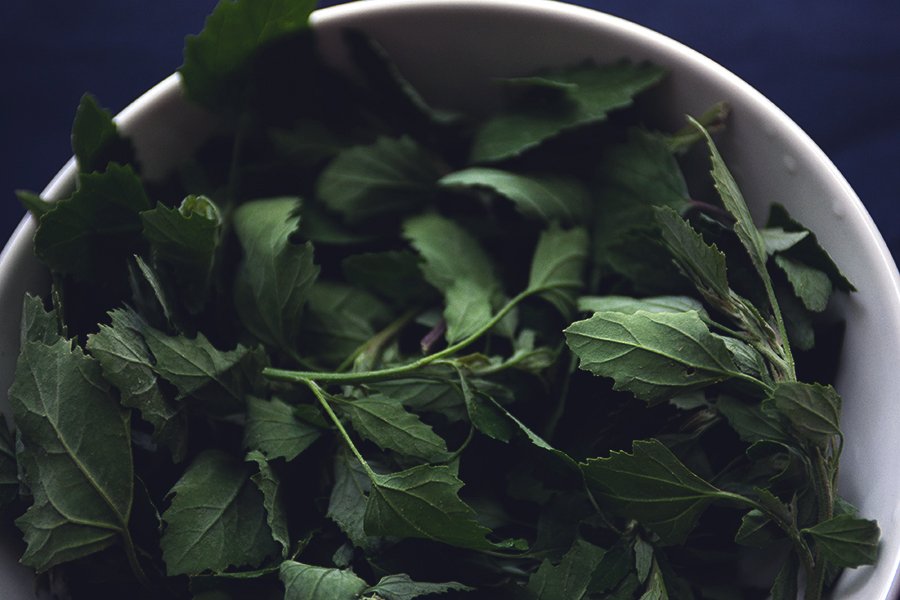
Lamb’s quarters is my introduction to the world of wild edibles… otherwise known as weeds. Hahaha. But seriously, I actually really love the idea of eating the stuff because I see them as just another form of heirlooms. Because they’re considered noxious, they’re underrated, local, not mass-farmed, not cultivated in any way… and the properties about them which make them unique are preserved. The purity of their taste, smell, feel, appearance is retained.
I intend to explore this plant realm more fully.

Lamb’s quarters actually grows like crazy. Apparently it’s all over Central Park, although it’s easily confused with epazote, which is toxic if eaten in large quantities. It’s incredibly healthy, full of beta carotene, calcium, potassium, iron. It even leaves behind that same chalky feeling on your teeth after you eat spinach. Coincidentally, it’s often referred to as wild spinach and is said to taste like it. I wouldn’t agree exactly; it’s definitely more of an acquired taste, especially when eaten raw.
But in a frittata, it’s excellent. Its lovely, fuzzy, silvery leaves turn a bright green when sauteed, and it shrinks dramatically, just like, yup, that’s right, spinach. But it’s hardier, with sturdier stems, so less can go a longer way than its domesticated cousin. Because we’re talking frittatas here, you can throw in just about anything to accompany the lamb’s quarters. I decided to throw in some bacon at the last minute, which sort of clashed with the romano cheese—perhaps cheddar might be a better complement. Whatever the case, treat the plant like spinach and you’ll be eating it like a pro!
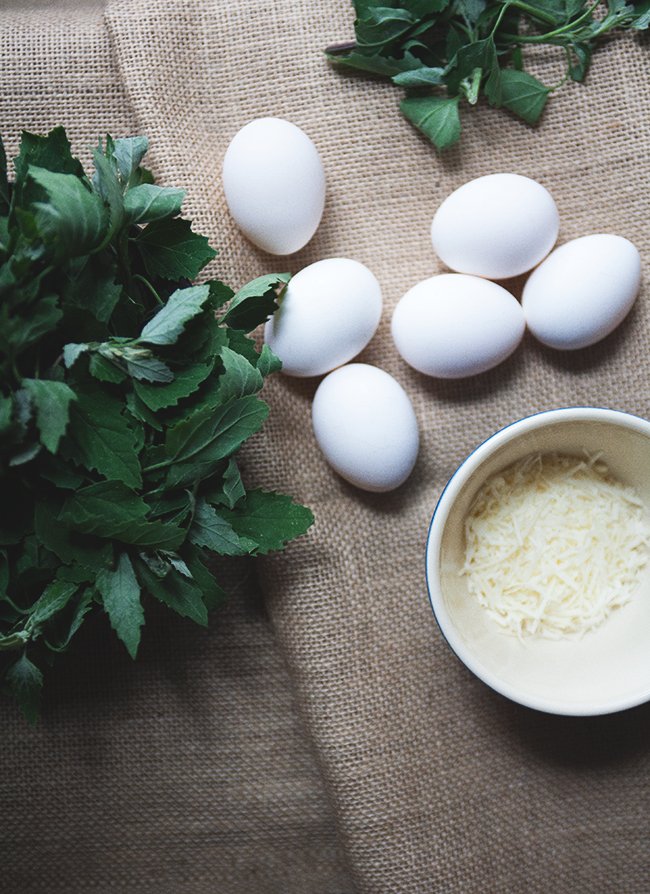
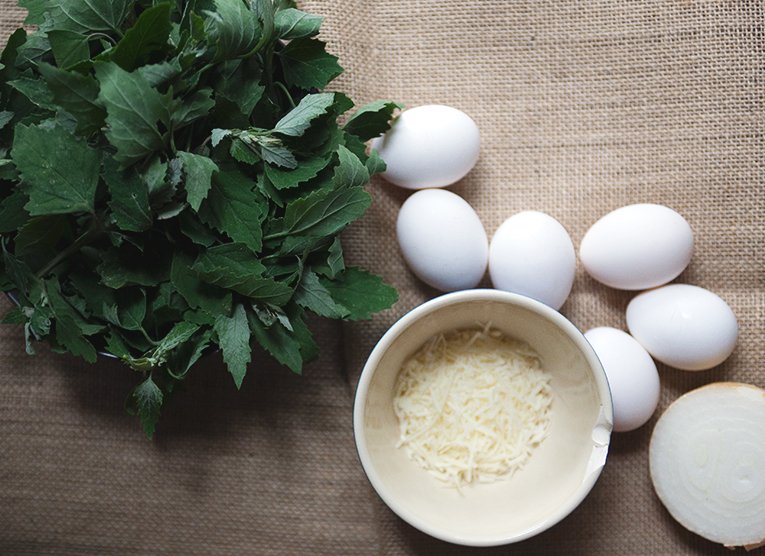


LAMB’S QUARTERS FRITTATA
Basic recipe adapted from Alton Brown’s frittata recipe
Serves 4
Ingredients:
- 6 large eggs
- 5 Tbsp grated cheese (I used romano)
- Salt and pepper to taste
- 1 Tbsp butter
- 1/2 onion
- 3 strips bacon, cooked and roughly chopped
- 1/4 lb. lamb’s quarters, with tough stems removed (you can substitute spinach, but you’ll need more, 1/2 lb. or so)
Directions:
Turn oven on to broil. Whisk together eggs, cheese, salt, and pepper in a medium bowl, then set aside.
In an oven-safe 12-inch skillet (I used my cast-iron), saute onions until translucent (2 to 3 minutes), then add bacon and saute another minute. Add the lamb’s quarters and cook until wilted, 2 minutes or so. Spread out the contents of the pan so it’s even across the pan. Pour the egg mixture in, and spread it across the pan with a spatula. Cook for a few minutes until the egg mixture has set on the bottom and is beginning to set on top.
Transfer the skillet into the oven and broil for 3 or 4 minutes until top is lightly browned.
Have a Great Day!
Related Posts






Subscribe for New Racipies
Get mental health tips, updates, and resources delivered to your inbox.