
Are Beets Acidic? Are Beets Safe for Acid Reflux?

Medically reviewed by Aneeza Pervez Updated Date: January 2, 2026
When considering the impact of dietary choices on overall well-being, particularly for individuals managing specific health conditions like acid reflux, the acidity of various foods becomes a crucial factor. This is especially true when exploring the potential benefits and drawbacks of seemingly healthy options. Beets, a vibrant root vegetable celebrated for its rich nutritional profile, often prompts the question: Are beets acidic?
This question is particularly pertinent for those seeking to manage acid reflux symptoms, as highly acidic foods can exacerbate discomfort. While beets boast an impressive array of vitamins, minerals, and antioxidants, their inherent acidity raises concerns about their suitability for individuals with sensitive digestive systems.
This article aims to comprehensively address the question “Are beets acidic?” by delving into the science behind their pH levels and exploring the potential effects of beet consumption on acid reflux.
Understanding the pH of Beets
To determine whether beets are acidic, we need to understand their pH level. The pH scale ranges from 0 to 14, with values below 7 considered acidic, 7 neutral, and above 7 alkaline.
| Food | pH Level | Classification |
| Raw Beets | 5.3–6.6 | Slightly acidic |
| Cooked Beets | 5.5–6.5 | Slightly acidic |
Reference: Anon. 1962. pH values of food products. Food Eng. 34(3): 98-99
Raw and cooked beets fall into the slightly acidic category, with a pH level close to neutral. This means they are less likely to trigger significant acidic reactions in most people.
Are Beets Safe for Acid Reflux?
Acid reflux occurs when stomach acid flows back into the esophagus, causing symptoms like heartburn, regurgitation, and discomfort. The suitability of beets for acid reflux depends on various factors:
1. Low Acidity Helps Reduce Triggers
Beets’ slight acidity makes them gentler on the stomach compared to highly acidic foods like citrus fruits and tomatoes. Their natural sugars and high water content can help soothe the digestive system.
2. Rich in Fiber
Beets are a great source of dietary fiber, which aids digestion and reduces the risk of constipation—a common contributor to acid reflux. One cup of beets contains approximately 3.8 grams of fiber.
3. Potential Benefits of Betalains
The betalains in beets are potent antioxidants and anti-inflammatory agents. These compounds may promote gut health and reduce inflammation in the esophagus caused by acid reflux.
4. Nitrate Content
Beets are rich in nitrates, which improve blood flow and may help with overall gut health. Improved circulation could enhance the function of the lower esophageal sphincter (LES), reducing acid reflux incidents.
Tips for Eating Beets with Acid Reflux
- Moderation is Key: Overeating any food can trigger reflux symptoms. Start with small portions to observe your body’s reaction.
- Avoid Pickled Beets: Pickled beets are preserved in vinegar, which is highly acidic and can exacerbate acid reflux.
- Pair Wisely: Combine beets with alkaline or low-acid foods like leafy greens or whole grains to balance acidity.
Author Tip: 7 Kinds of Foods to Avoid with GERD
Other Nutritional Benefits of Beets
Beets are nutrient-dense and offer several health benefits:
1. Rich in Essential Vitamins and Minerals
- Folate (Vitamin B9): Essential for cell growth and function.
- Manganese: Supports bone health and metabolism.
- Potassium: Helps regulate blood pressure.
2. Boosts Heart Health
The nitrates in beets convert to nitric oxide, which relaxes blood vessels, lowering blood pressure and enhancing cardiovascular health.
3. Improves Athletic Performance
Beets are popular among athletes due to their ability to enhance oxygen efficiency and stamina during workouts.
Scientific Insights on Beets and Acid Reflux
Several studies shed light on the benefits of beets and their potential role in managing acid reflux:
- Fiber and Digestion: Research published in the World Journal of Gastroenterology highlights the importance of dietary fiber in reducing reflux symptoms by improving gut motility.
- Anti-inflammatory Effects: A study in the Journal of Agricultural and Food Chemistry emphasized the anti-inflammatory properties of betalains, which may help alleviate esophageal irritation.
- Nitrate Benefits: According to the Journal of Nutrition, dietary nitrates improve vascular health and may indirectly benefit digestion by enhancing LES function.
Potential Downsides of Beets for Acid Reflux
While beets are generally safe, some individuals may experience adverse effects:
1. Oxalate Content
Beets are high in oxalates, which can contribute to kidney stones in susceptible individuals. Though unrelated to acid reflux, it’s worth noting for overall health.
2. Beeturia
Consuming beets can lead to red or pink urine (beeturia), which might alarm some people but is harmless.
3. Individual Sensitivities
Some people may find that beets worsen their reflux symptoms due to individual variations in tolerance.
Incorporating Beets into an Acid Reflux-Friendly Diet
Here are some reflux-friendly ways to enjoy beets:
1. Smoothies
Blend beets with alkaline ingredients like almond milk, spinach, and bananas for a nutritious drink.
2. Roasted Beets
Bake beets with olive oil and herbs for a mild and flavorful dish.
3. Beet Salads
Combine sliced beets with arugula, quinoa, and a light vinaigrette for a balanced meal.
4. Beet Soup
Prepare a soothing beet and carrot soup for a low-acid, comforting option.
Beet Recipe: Potato Salad with Pickled Beets
Author Tip: 7-Day Meal Plan For Gastritis
Conclusion
So, are beets acidic? Yes, they are slightly acidic but fall close to neutral on the pH scale. Are they safe for acid reflux? For most individuals, beets can be a valuable addition to an acid reflux-friendly diet due to their low acidity, fiber content, and anti-inflammatory properties. However, as with any food, individual responses vary, and it’s essential to monitor your symptoms and consult a healthcare professional if needed.
By incorporating beets wisely into your meals, you can enjoy their rich nutritional benefits while managing acid reflux effectively.
Related Posts



Subscribe for New Racipies
Get mental health tips, updates, and resources delivered to your inbox.
Are Bananas Acidic? Bananas for Acid Reflux [Good or Bad]

Bananas are considered the most beneficial fruit for acid reflux, but is it that efficient? To know that, you must dig into the inner facts about whether bananas are acidic or alkaline.
Banana is considered an alkaline food because of their high potassium content. While the pH fluctuates with the ripeness and species, the perfectly ripe, creamy bananas are alkaline. The unripe bananas are acidic as they have a pH of around 5.6. However, ripe bananas have a pH of about 6.5, which is less acidic.
However, there is much more to it! Read on to find out if you should consume bananas when suffering from acid reflux.
Why Are Bananas Acidic or Alkaline?
To understand the basis of the alkalinity of bananas, you first need to know the basics of the pH scale. Anything on a pH scale less than 7 is acidic, and above 7 is alkaline.
The ripe banana’s pH is 6.5, which is mildly acidic. But due to high potassium, ripe bananas show alkalinity in nature.
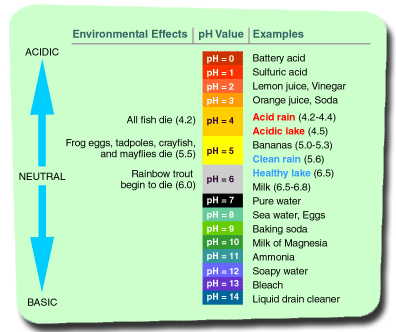
Also, most banana species are non-acidic, but a few, such as green bananas, may show a certain level of acidity.
| Banana species | pH |
| Red banana | 6.2 |
| Cavendish banana | 5.5 |
| Burro banana | 7.6 |
| Baby banana | 7.3 |
| Apple banana | 5.8 |
Also Read: Are Mangoes Acidic? [Mango And Acid Reflux Good Or Bad]
Bananas for acid reflux [good or bad]
Unripe bananas contain the highest concentrations of oxalic, malic, and citric acid. So, if you suffer from acid reflux, it might intensify your stomach acidity after eating.
On the other side, in ripe bananas, the concentration of oxalic acid drops, leading to alkalinity in the fruit. Due to the alkalinity of ripe bananas, it works as a natural antacid, significantly reducing acid reflux.
But how does it work?
The banana’s high potassium content contributes to pH, making it alkaline. Also, ripe bananas contain probiotics, minerals, and vitamins, which help reduce symptoms of acid reflux. However, since your stomach already has an acidic pH, you need foods that do not amplify it. And ripe bananas are exactly what you need!
Low acidic and alkaline ripe bananas prevent acid reflux by shielding the stomach lining from the acids.
Also, ripe bananas contain beneficial digestive enzymes amylases and glucosidases. These enzymes help to strengthen your gut and esophagus and prevent acid reflux.
However, remember that it works when taken in moderation, so do not overeat it.
Are Bananas Bad for Acid Reflux?
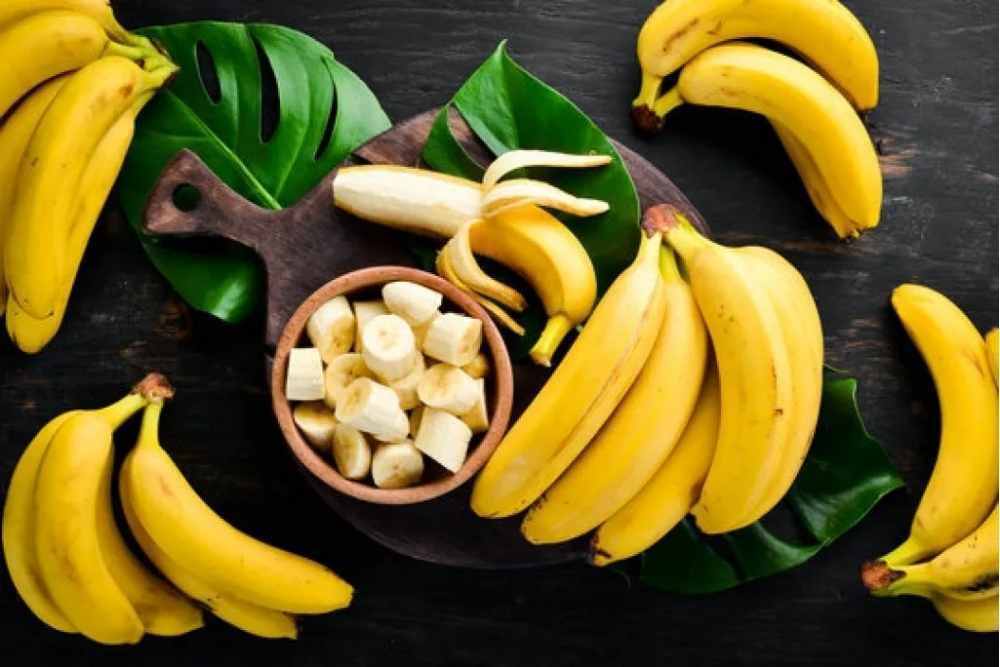
Bananas are one of the safest foods to consume for chronic cases of acid reflux and GERD. The high alkalizing properties help reduce the acidity in the stomach and promote the growth of mucous around the stomach. Furthermore, it also ensures proper functioning of the esophageal sphincter, thus, preventing reflux.
Why Do Bananas Give Me Heartburn?
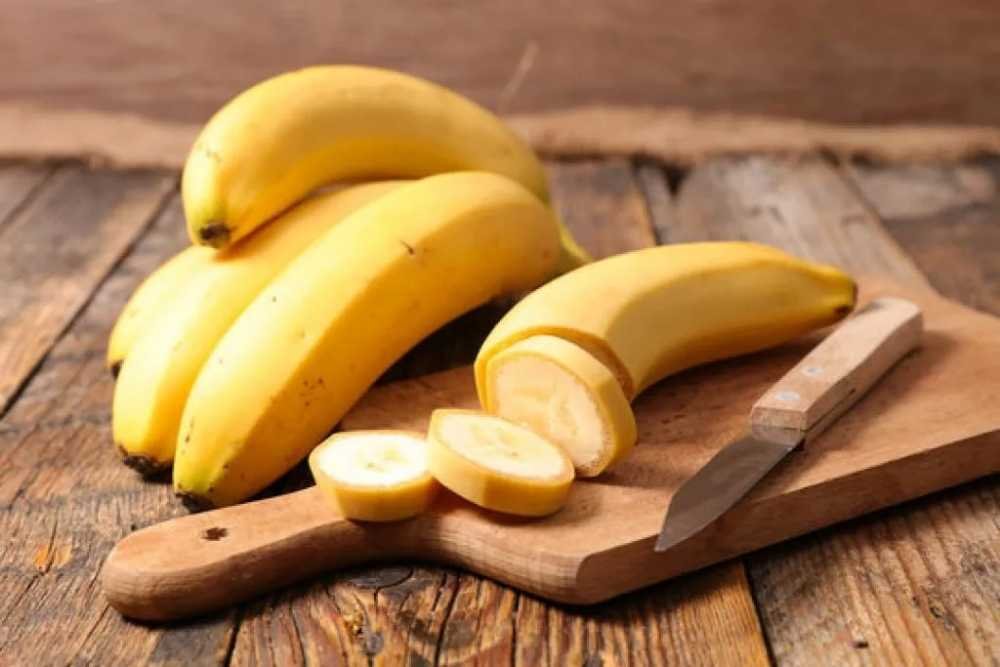
Is it possible that instead of preventing acid reflux, bananas trigger it for some people? Unfortunately, yes! But this is no reason to consider bananas among foods to avoid with acid reflux .
There could be two reasons if bananas are not working for you. Let’s have a closer look.
Some people have an exceptionally low tolerance for acidic food. Thus, you must closely monitor your diet for any signs of discomfort to rule out if bananas are triggering heartburn.
But wait, there is one more reason! You might be eating unripe bananas, causing acid reflux. Why does that happen? Do bananas cause acid reflux? Unlike ripe bananas, unripe ones have a higher percentage of potassium nitrate, making them comparatively more acidic.
Besides, a few species of bananas are naturally less alkaline, owing to higher starch content. A higher starch content thus contributes to higher gut fermentation, leading to bloating and heartburn.
What Kind of Banana Is Good for Acid Reflux?
Essentially, all kinds of bananas work well for acid reflux. However, a few species are comparatively more alkaline and have a better chance of relieving symptoms. This includes the “Burro bananas” and the “Baby bananas.”
With a pH of 7.6 and 7.3, these species promote mucous formation around the stomach and the proper functioning of LES (Lower Esophageal Sphincter).
Are Ripe Bananas Acidic?
Are bananas alkaline or acidic? Well, ripe bananas are alkaline, with a maximum pH of 7.6. But here’s the catch! Some species of bananas, namely the cavendish and red bananas, are acidic even when perfectly ripe.
This is because of their natural starch content, resulting in a lower pH. However, for the most part, ripe bananas are non-acidic, and patients suffering from acid reflux can easily consume them.
Are Green Bananas Acidic?
Have you noticed a tangy, grassy taste in unripe or green bananas? This is due to a greater starch content in unripe bananas, leading to higher acidity.

While it essentially depends on how ripe the bananas are and the species, unripe bananas usually have a pH ranging from 4.5 to 5.2. The level of enzymes and oxalic acid also affect the pH balance, making green bananas acidic compared to ripe ones.
Are Overripe Bananas Acidic?
Just as unripe bananas are acidic, overripe bananas are also acidic, although for completely different reasons. Hence, it is important you choose perfectly ripe bananas to ensure optimum alkalinity and help with gastric problems. An overripe banana means breaking down more carbs and producing alcohol. This affects the pH, making them acidic.
| Ripeness | Alkalinity |
| Unripe | Acidic |
| Ripe | Alkaline |
| Overripe | Acidic |
Are Cooked Bananas Acidic?
Cooking the bananas breaks down some of the starch, decreasing the alkalinity. This makes them slightly less alkaline than raw bananas; however, they are still not acidic. The alkalinity also depends on how you cook the bananas, whether you bake, boil, or fry them. Boiling or frying the bananas reduces the potassium content to 40%, resulting in a decline in alkalinity.
| Boiled bananas | Alkaline |
| Baked bananas | Slightly alkaline |
| Fried bananas | Least alkaline |

What Are the Benefits of Eating Bananas?
There are many health benefits of eating banana. Some of the core health benefits are described below.
High Nutritional Value
Bananas are capable of fulfilling your dietary needs while keeping your calories under control. You get a complete package without fat with a total calorie count of 112. From potassium and folate to vitamin C and fibers, it makes an ideal snack with high nutritional gains.
Better Digestion
Thanks to the prebiotics and fibers, such as pectin, your gut health stays top-notch. This prevents constipation and keeps your bowel movement in check to prevent risks of diverticulitis. The fibers also prevent chances of colon cancer, although more studies are required to attest to this observation.
Weight Loss
A medium-sized banana can easily keep your hunger at bay. The best part is that it keeps you full at only 126 calories. The fibers add bulk to your diet, which reduces the hunger pangs and helps maintain a steady weight. Dieticians around the world widely recommend the Banana diet due to its proven weight loss results.
Cardiovascular Health
Potassium has shown to significantly reduce the risk of cardiovascular disorders, such as blood pressure and stroke. What better way to incorporate potassium than the good old bananas? Additionally, the magnesium and folate in bananas contribute to the overall health benefits aiding their popularity.
Easily Accessible
Bananas are one fruit accessible throughout the year in almost all parts of the world. You can eat it as is, or add it to your smoothie, shake, or granola. Since it does not contain much protein, you might want to add it to yogurt or a high-protein source if you plan to add it to your diet.

FAQs
Is ripe banana good for acid reflux?
Ripe bananas are great for patients suffering from acid reflux, thanks to their 7.6 pH and high potassium levels. The alkaline nature of bananas helps against acidity by promoting mucous lining around the stomach. Besides, the natural probiotics and vitamins in bananas also help fight acid reflux symptoms.
Which foods neutralize stomach acid?
Foods that are high in alkalinity are good for neutralizing stomach acid. This includes bananas, apples, pears, avocados, and green vegetables. Ginger tea also helps tame down acidity with its anti-inflammatory properties.
What fruits have low acidity?
A few common fruits with low acidity include melons, bananas, avocados, olives, pears, and mangoes. Hence, people with acid reflux can consume these without fruits without any worries of triggering their symptoms.
What acid does a banana have in it?
Raw bananas have a high concentration of oxalic acid, malic acid, and citric acid. However, as the banana ripens, the level of oxalic acid falls, making it less acidic. Naturally cultivated bananas have more acids compared to treated ones.
Bottom Line
Now that you know the answer to “Are bananas acidic or alkaline?” you can incorporate these into your diet without any worries. However, do not consume them in excess as they can be triggering for some people with extremely low acidity tolerance.
Finding a high-alkalinity species such as the Burro bananas is better, but even the typical species in your local grocery stores work fine.
Related Posts
Subscribe for New Racipies
Get mental health tips, updates, and resources delivered to your inbox.