
Are Turkey Sandwiches Acidic? Turkey Sandwich and Acid Reflux

Medically reviewed by Aneeza Pervez Updated Date: January 1, 2026

The Turkey Sandwich Debate
Turkey sandwiches are a staple in many diets, offering a quick, protein-packed meal option. Known for being versatile and nutritious, they are often considered a healthy alternative to heavier meals. However, for those dealing with acid reflux, even the simplest foods can lead to discomfort.
Acid reflux sufferers often question the acidity of turkey sandwiches and whether they can safely enjoy this popular dish without aggravating symptoms. This article dives into the components of a turkey sandwich, its impact on acid reflux, and how to prepare it in a reflux-friendly way.
Understanding Acid Reflux: Symptoms and Triggers
What Is Acid Reflux?
Acid reflux occurs when stomach acid flows backward into the esophagus, leading to symptoms such as:
- Heartburn: A burning sensation in the chest or throat.
- Regurgitation: Sour or bitter liquid rising into the mouth.
- Bloating or burping.
- Difficulty swallowing or a sensation of a lump in the throat.
The condition can range from occasional discomfort to chronic gastroesophageal reflux disease (GERD), requiring careful management.
Common Triggers of Acid Reflux
Certain foods and behaviors can weaken the lower esophageal sphincter (LES) or increase stomach acid, leading to reflux. Common triggers include:
- High-fat or fried foods.
- Spicy or acidic foods like tomatoes, citrus fruits, and vinegar.
- Caffeinated or carbonated beverages.
- Large meals or lying down soon after eating.
Understanding how turkey sandwiches fit into this list requires analyzing their components and preparation methods.
Breaking Down the Turkey Sandwich
Is Turkey Acidic or Alkaline?
Turkey meat itself is a mildly acidic food with a pH level between 5.5 and 6.5. While not highly acidic, it is also not alkaline. However, turkey is a lean protein, which means it is less likely to trigger acid reflux compared to fatty meats like beef or pork.
Author Tip: Is Lamb Healthier Than Beef?
Other Components of a Turkey Sandwich
The acidity of a turkey sandwich depends largely on the ingredients used:
- Bread: Most sandwich breads, including whole wheat and white bread, are slightly acidic but generally well-tolerated by acid reflux sufferers.
- Condiments: Common condiments like mayonnaise, mustard, and ketchup can trigger reflux due to their acidity and fat content.
- Vegetables: Tomatoes, pickles, and onions are common toppings but can be highly acidic and aggravate symptoms.
- Cheese: If added, cheese can contribute to reflux, especially high-fat varieties.
Are Turkey Sandwiches Safe for Acid Reflux Sufferers?
When Turkey Sandwiches May Aggravate Symptoms
A turkey sandwich or other foods can trigger acid reflux in the following cases:
- High-Fat Additions: Using mayonnaise, butter, or cheese can increase the fat content and relax the LES.
- Acidic Toppings: Tomatoes, pickles, and spicy condiments can irritate the esophagus.
- Large Portions: Overeating, even healthy foods, can increase stomach pressure and lead to reflux.
Related to Read: Are Pickles Acidic?
When Turkey Sandwiches Are Reflux-Friendly?
A turkey sandwich can be a safe option if prepared with reflux-friendly ingredients. Opt for:
- Lean Turkey: Choose skinless, roasted, or baked turkey breast to minimize fat content.
- Non-Acidic Breads: Whole grain, sourdough, or gluten-free bread can be gentler on the stomach.
- Mild Toppings: Use lettuce, cucumbers, or sprouts instead of acidic vegetables.
- Low-Fat Spreads: Consider using hummus, mashed avocado, or a light drizzle of olive oil as alternatives to mayonnaise or mustard.
Tips for Making Reflux-Friendly Turkey Sandwiches
1. Choose the Right Bread
- Opt for whole grain or sourdough bread, as they are less processed and more alkaline.
- Avoid breads made with high-fat ingredients or those that contain seeds, which might irritate the esophagus.
2. Use Lean, Low-Sodium Turkey
- Go for roasted or grilled turkey breast instead of processed or deli meats, which can contain added sodium and preservatives that may worsen reflux symptoms.
3. Add Non-Acidic Toppings
- Stick to vegetables like lettuce, spinach, cucumbers, or zucchini.
- Avoid tomatoes, onions, or pickles, as they can trigger acid reflux.
4. Skip High-Fat Condiments
- Replace mayonnaise or mustard with low-fat spreads like hummus or mashed avocado.
- If using olive oil, drizzle lightly to avoid adding excess fat.
5. Keep Portions Small
- Opt for an open-faced sandwich or a smaller serving to prevent overloading your stomach.
Alternatives to Turkey Sandwiches for Acid Reflux Sufferers
If turkey sandwiches don’t suit your dietary needs or preferences, consider these alternatives:
Grilled Chicken Wrap
A whole-grain tortilla filled with grilled chicken, spinach, and hummus makes a light and reflux-friendly option.
Vegetarian Sandwich
Use mashed avocado, cucumbers, and sprouts on sourdough bread for a satisfying meat-free meal.
Quinoa Salad Bowl
Replace bread with quinoa and top it with roasted turkey, cucumbers, and olive oil for a balanced and reflux-friendly meal.
Lifestyle Tips for Managing Acid Reflux
1. Practice Mindful Eating
- Eat smaller meals more frequently throughout the day.
- Avoid lying down for at least 2–3 hours after eating to prevent acid from flowing back into the esophagus.
2. Stay Hydrated
Drink plenty of water to aid digestion, but avoid drinking large amounts during meals, as this can increase stomach pressure.
3. Maintain a Healthy Weight
Excess weight can increase abdominal pressure and contribute to reflux. Incorporate regular physical activity and a balanced diet to manage weight effectively.
Conclusion: Are Turkey Sandwiches Acidic?
Turkey sandwiches are mildly acidic but can be made reflux-friendly with careful ingredient selection. By choosing lean turkey, non-acidic bread, and mild toppings, you can enjoy a turkey sandwich without aggravating acid reflux symptoms.
Remember to avoid high-fat condiments and large portions, and monitor your symptoms to determine what works best for your body. With these tips, turkey sandwiches can remain a convenient and satisfying option for your diet.
FAQs: Turkey Sandwiches and Acid Reflux
Q1: Is turkey acidic or alkaline?
Turkey is mildly acidic but generally well-tolerated as a lean protein option.
Q2: Can turkey sandwiches trigger acid reflux?
Turkey sandwiches can trigger reflux if prepared with high-fat ingredients, acidic toppings, or large portions.
Q3: What are some reflux-friendly alternatives to mayonnaise on turkey sandwiches?
Hummus, mashed avocado, or a light drizzle of olive oil are great alternatives to mayonnaise.
Q4: Is white bread or whole-grain bread better for acid reflux?
Whole-grain bread is often a better choice as it is less processed and contains more fiber, which aids digestion.
Q5: Can I eat deli turkey if I have acid reflux?
Deli turkey may contain added sodium and preservatives, which could aggravate reflux. Opt for fresh, roasted turkey breast instead.
Related Posts


Subscribe for New Racipies
Get mental health tips, updates, and resources delivered to your inbox.
Are Brussels Sprouts Good for Acid Reflux?

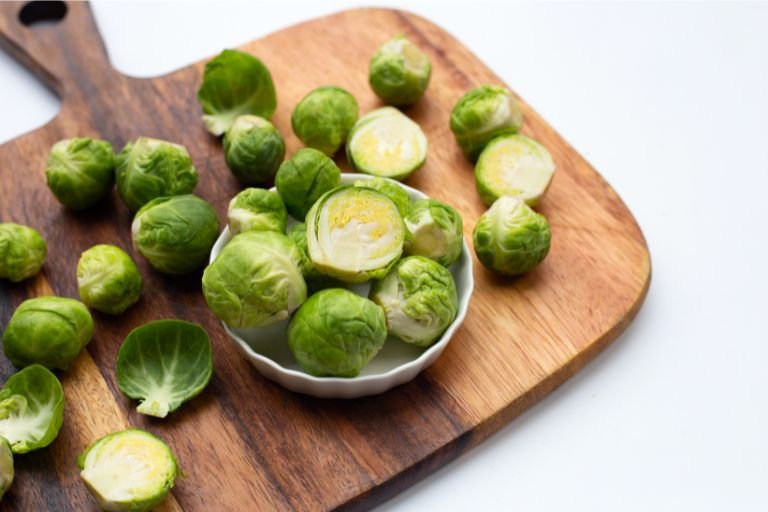
Brussels sprouts are a powerhouse of nutrition, packed with vitamins, minerals, and antioxidants. As a member of the cruciferous vegetable family, they offer numerous health benefits, from supporting immune function to aiding digestion. However, their dense fiber content raises questions about whether they are suitable for individuals with acid reflux.
Acid reflux sufferers often need to scrutinize their diet carefully, as some vegetables can worsen symptoms. In this article, we’ll explore the relationship between Brussels sprouts and acid reflux, their acidity, how they affect gastritis, and alternative vegetables for sensitive stomachs. We’ll also provide meal ideas and discuss foods that help neutralize stomach acid.
Are Brussels Sprouts Good for Acid Reflux?
Nutritional Value and Digestive Benefits
Brussels sprouts are nutrient-rich, containing high levels of vitamins C and K, folate, and potassium. They’re also an excellent source of dietary fiber, which promotes gut health and regular bowel movements. The natural compounds in Brussels sprouts, such as glucosinolates, have been linked to reduced inflammation and improved digestion.
Fiber Content: Friend or Foe for Acid Reflux?
The fiber in Brussels sprouts can be a double-edged sword for those with acid reflux. While fiber is essential for digestive health, its abundance in cruciferous vegetables can sometimes cause bloating or gas, which may exacerbate reflux symptoms. However, cooking Brussels sprouts makes them easier to digest and reduces the likelihood of triggering discomfort.
Are Brussels Sprouts Good for Acid Reflux?
For most people, Brussels sprouts are not a direct trigger for acid reflux. Their low-fat and low-acid content make them generally safe, especially when cooked. That said, individuals with sensitive stomachs or severe acid reflux may need to test their tolerance, starting with small, well-cooked portions.
How Acidic Are Brussels Sprouts?
Understanding the pH of Brussels Sprouts
Brussels sprouts are slightly alkaline, with a pH level that ranges between 6.0 and 7.5, depending on their preparation. Alkaline foods are known to balance stomach acid and are less likely to irritate the esophagus, making Brussels sprouts a potentially safe option for acid reflux sufferers.
Comparison to Other Vegetables
Compared to acidic vegetables like tomatoes or onions, Brussels sprouts are much gentler on the stomach. They are closer to alkaline vegetables such as spinach, cucumbers, and zucchini, which are often recommended for acid reflux.
Can We Eat Sprouts During Acidity?
Yes, you can eat Brussels sprouts during acidity, especially if they are steamed or roasted. Avoid frying them or pairing them with high-fat or spicy toppings, as these can increase acid production and worsen symptoms.
Brussels Sprouts and Gastritis
Are They Suitable for Gastritis?
Gastritis involves inflammation of the stomach lining, which can be aggravated by certain foods. Brussels sprouts, while nutrient-dense, may cause irritation in sensitive stomachs due to their fiber content. However, cooking them thoroughly reduces their rough texture and makes them gentler for individuals with gastritis.
Possible Irritation from Cruciferous Vegetables
Cruciferous vegetables like Brussels sprouts, broccoli, and cauliflower contain raffinose, a complex sugar that can lead to gas and bloating. Research suggests that for those with gastritis, this may result in discomfort. Smaller portions and proper cooking methods can mitigate these effects.
Are Brussels Sprouts Good for Gastritis?
When prepared correctly, Brussels sprouts can be part of a gastritis-friendly diet. Steaming or boiling them softens their fibers, making them easier to digest while still delivering their nutritional benefits.
Best Vegetables for Acid Reflux
Gentle Vegetables for Sensitive Stomachs
Some vegetables are naturally soothing for acid reflux and are easier to digest. Here are a few excellent options:
- Zucchini: Low in acid and easy to cook, zucchini is a safe choice.
- Carrots: Packed with nutrients and low in acid, cooked carrots are great for reflux.
- Green Beans: These are mild and versatile, perfect for reflux-friendly meals.
- Spinach: This alkaline leafy green is gentle on the stomach and rich in nutrients.
- Sweet Potatoes: Their natural sweetness and fiber make them an excellent option.
What Is the Best Vegetable for Acid Reflux?
Cooked spinach and zucchini top the list for their alkaline nature and easy digestibility. These vegetables are unlikely to trigger symptoms and can be incorporated into a variety of dishes.
Foods That Neutralize Stomach Acid Immediately
Quick Remedies for Acid Reflux Relief
Certain foods can help neutralize stomach acid and alleviate symptoms quickly:
- Bananas: Their natural antacid properties coat the stomach lining and soothe irritation.
- Oatmeal: A bland, fiber-rich choice that absorbs stomach acid.
- Ginger Tea: Known for its anti-inflammatory properties, ginger can reduce nausea and reflux.
- Melons: Low in acid, melons are hydrating and gentle on the stomach.
- Plain Crackers: These absorb excess acid and are a simple remedy for mild symptoms.
Brussels Sprouts as Part of a Balanced Diet
While Brussels sprouts may not neutralize stomach acid immediately, their alkaline nature and nutrient density make them a valuable addition to a reflux-friendly diet. Pair them with other soothing foods to create balanced meals that minimize discomfort.
Brussels Recipes: Brussels Sprouts, Momofuku Style
Brussels Sprouts With Bacon And Juniper Berries
Ten Worst Foods for Acid Reflux
Acid reflux can be exacerbated by several common foods. Here’s a list of ten worst offenders and why they might trigger symptoms.
1. Spicy Dishes
Foods like hot wings, curries, and chili peppers irritate the esophagus. Capsaicin, found in chili, slows digestion, increasing the risk of reflux.
2. Caffeine
Coffee, tea, and energy drinks relax the lower esophageal sphincter (LES), making it easier for acid to escape.
3. Carbonated Drinks
The bubbles in sodas and sparkling water expand in the stomach, creating pressure that forces acid upward.
4. Alcohol
Beer, wine, and spirits relax the LES and stimulate stomach acid production.
5. Acidic Fruits
Citrus fruits like oranges, grapefruits, and lemons are highly acidic and can irritate the stomach lining.
6. Raw Onions
Raw onions are pungent and acidic, making them one of the top triggers for acid reflux symptoms.
7. Tomatoes
Tomatoes, in all forms—raw, cooked, or as part of sauces—are highly acidic and a known trigger for reflux.
8. High-Fat Foods
Greasy foods like burgers, fries, and fried chicken take longer to digest and can worsen symptoms.
9. Chocolate
Chocolate contains caffeine and fat, both of which are known to relax the LES and cause reflux.
10. Mint
While refreshing, peppermint and spearmint relax the LES, increasing the likelihood of acid reflux.
Acid Reflux-Friendly Meal Planning
Planning meals that minimize acid reflux can make a big difference in managing symptoms. Here’s a 7-day meal plan incorporating acid-reflux-friendly ingredients, including cooked Brussels sprouts.
7-Day Acid-Reflux-Friendly Meal Plan
Day 1
- Breakfast: Oatmeal with sliced bananas and almond milk.
- Lunch: Grilled chicken salad with spinach, cucumbers, and olive oil dressing.
- Dinner: Steamed Brussels sprouts with olive oil, baked salmon, and sweet potatoes.
Day 2
- Breakfast: Low-fat Greek yogurt with honey and melon slices.
- Lunch: Turkey and avocado sandwich on whole-grain bread.
- Dinner: Quinoa bowl with roasted Brussels sprouts, zucchini, and grilled chicken.
Day 3
- Breakfast: Scrambled eggs with spinach and whole-grain toast.
- Lunch: Lentil soup with carrots and green beans.
- Dinner: Roasted Brussels sprouts with olive oil and baked cod.
Day 4
- Breakfast: Smoothie made with spinach, melon, and almond milk.
- Lunch: Couscous salad with cooked vegetables and lean chicken.
- Dinner: Steamed Brussels sprouts with roasted carrots and turkey meatballs.
Day 5
- Breakfast: Rice cakes with almond butter and sliced apples.
- Lunch: Grilled zucchini and roasted chicken breast.
- Dinner: Roasted Brussels sprouts, mashed sweet potatoes, and grilled shrimp.
Day 6
- Breakfast: Plain oatmeal with a drizzle of honey and diced pears.
- Lunch: Vegetable soup with low-acid ingredients like green beans and carrots.
- Dinner: Steamed Brussels sprouts, quinoa, and grilled turkey breast.
Day 7
- Breakfast: Spinach and avocado omelet.
- Lunch: Whole-grain pasta with steamed broccoli and olive oil.
- Dinner: Roasted Brussels sprouts with lean beef and baked zucchini.
Recipe Ideas
- Steamed Brussels Sprouts with Olive Oil
Steam fresh Brussels sprouts until tender, then drizzle with olive oil and sprinkle with a pinch of sea salt. - Roasted Brussels Sprouts with Non-Acidic Seasonings
Roast Brussels sprouts with a dash of garlic powder, turmeric, and a hint of paprika for a flavorful side dish.
FAQs
1. Are Brussels sprouts acidic or alkaline?
Brussels sprouts are slightly alkaline, making them a safer option for acid reflux sufferers compared to acidic foods.
2. Can Brussels sprouts trigger acid reflux?
In most cases, Brussels sprouts do not directly trigger reflux. However, their fiber content may cause bloating in sensitive individuals.
3. Are cooked Brussels sprouts better for acid reflux?
Yes, cooking Brussels sprouts reduces their fiber density and makes them easier to digest, lowering the risk of reflux symptoms.
4. What vegetables should I avoid with acid reflux?
Avoid acidic vegetables like tomatoes and raw onions. Cruciferous vegetables like broccoli and cauliflower should also be eaten in moderation if they cause discomfort.
5. Can Brussels sprouts worsen gastritis?
Raw Brussels sprouts may irritate gastritis due to their fiber content. Cooking them thoroughly can make them suitable for those with gastritis.
Conclusion
Brussels sprouts are a nutritious vegetable that can be part of an acid-reflux-friendly diet when prepared correctly. While their fiber content may pose challenges for some, cooking them can make them easier to digest and gentler on sensitive stomachs.
Pair Brussels sprouts with other low-acid foods like bananas, oatmeal, and ginger tea to create balanced meals that support digestive health. By understanding your body’s needs and making informed dietary choices, you can enjoy a variety of vegetables while managing acid reflux effectively.
Related Posts
Subscribe for New Racipies
Get mental health tips, updates, and resources delivered to your inbox.