
Are Cucumbers Acidic? Is Cucumber Good For Acid Reflux?

Medically reviewed by Lindsay Ewan, MD Updated Date: January 7, 2026
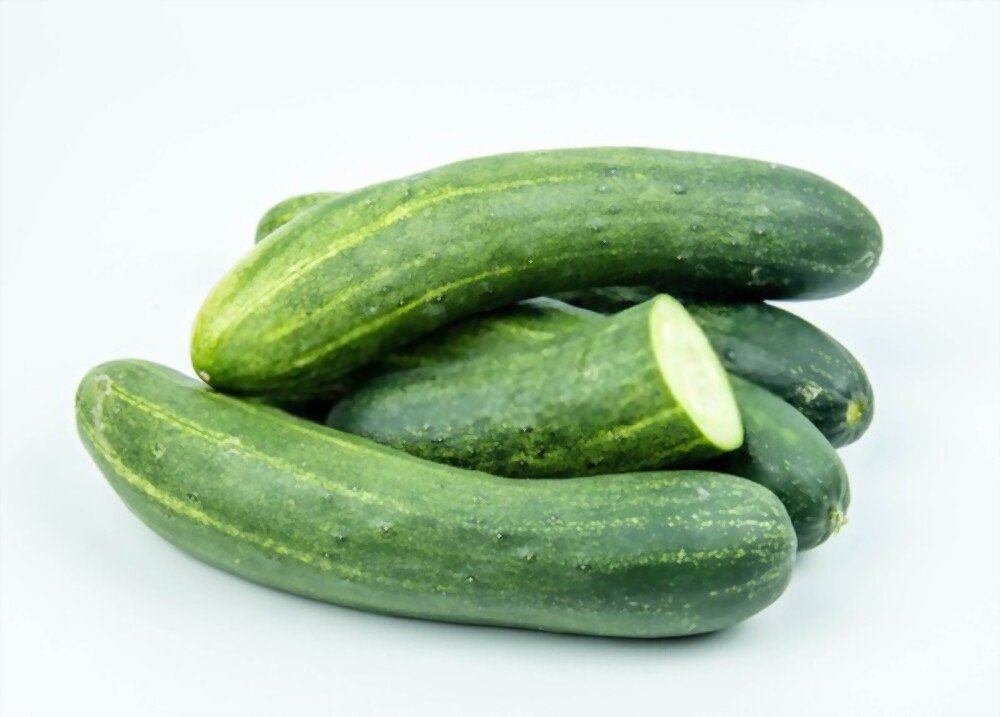
Did you know that cucumbers are one of the most beneficial vegetables you can eat, and that they can improve your skin, hair, and overall health? Want to know more? Then this article is for you.
Many people have the misconception that cucumbers are acidic, and that this can be harmful for those with acid reflux. But what do you think? Are cucumbers acidic?
Cucumbers have a pH in the range of 5.1 to 5.7. Despite being slightly acidic, cucumbers do not have a significant acidic effect within the body. Because of their alkalizing effects upon digestion, cucumbers are classified as an alkaline food. Cucumbers’ acidity varies with how they’re prepared for consumption.
In this article we are going to show you everything you need to know about cucumbers and their effects on acid reflux.
Are cucumbers acidic or alkaline? Question answered!
You may have wondered often whether cucumbers are acidic or not. Let us now talk about it in a detailed manner.
Cucumbers are not directly acidic. That means they are less acidic and closer to neutral. Because of this, eating cucumbers in moderation should not cause any gastrointestinal distress.

Acidic pH but alkaline in nature!
The cucumber has an acidic pH of 5.1 to 5.7 but very interestingly, it is categorized as an alkaline food. One of the biggest reasons for this is their water content.
The high water content is one factor, but you may be wondering what else makes them alkaline. The high levels of potassium in cucumbers are well-known.
Having an alkaline pH, potassium is a very useful element. Cucumbers, then, are among the alkalizing foods.
On their own, the effect on the body is alkalinizing, and they are safe to eat, as long as they are not served with anything acidic like marinades or dressings made with vinegar.
Related Article: 7 Kinds of Foods to Avoid with Gerd
Various pH on variety of Cucumbers
The pH level of cucumbers usually is in the range from 5.1-5.7. Of note, this range can vary from one variety of cucumber to another. Now let us see how much cucumbers can vary according to their variety.
| Variety | pH Level |
|---|---|
| Cucumbers | 5.12 – 5.78 |
| Cucumbers, Dill pickles | 3.20 – 3.70 |
| Cucumbers, pickled | 4.20 – 4.60 |
| Curry Paste, acidified | 4.60 – 4.80 |
In the above table, you can see the pH values of different forms of cucumbers. Cucumbers are turned into pickles by soaking them in vinegar.
Since vinegar is acidic, the pickling process decreases the pH of cucumbers significantly, making them acidic.
The most acidic form of cucumbers is the dill pickle, with a pH of 3.2 to 3.7. These more acidic versions of cucumbers would not be the best options for patients suffering from acid reflux.
Cucumbers for Acid Reflux: Good or bad?
As we have mentioned above, cucumbers are an alkaline food. What do you think now? Are cucumbers harmful for acid reflux?
Are they bad for acid reflux?
The answer is that no, they are not. Raw cucumbers have a slightly acidic pH, but due to the water content, and presence of certain minerals, they have an alkalizing effect in the body.
When stomach acid refluxes, or rises up into the esophagus, the result is a condition known as acid reflux. In this case, the acid from the stomach flows backwards into the esophagus, causing irritation.
Patients who suffer from acid reflux typically describe their symptoms as heartburn, a painful burning sensation in the center of the chest.
Foods high in acidity are a major contributor to acid reflux. Foods that have a pH of 4.6 or lower are referred to as acidic by the FDA, and warrant particular caution in those with acid reflux.
How Does Cucumber Trigger Acidity?
As Cucumbers are alkaline, they do not trigger acid reflux. Consequently, cucumbers do not contribute to GERD. However, if eaten with acidic or spicy foods – this combination may then worsen reflux symptoms.
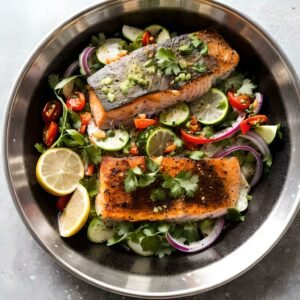
Salads with tomatoes, onions, or hot peppers should be avoided if you suffer from acid reflux, GERD, or heartburn.
Cucumbers help in digestion!
Water and fiber, both of which are crucial to proper digestion, are abundant in cucumbers. Adequate water intake as well as adequate fiber intake can both lessen the symptoms of gastroesophageal reflux.
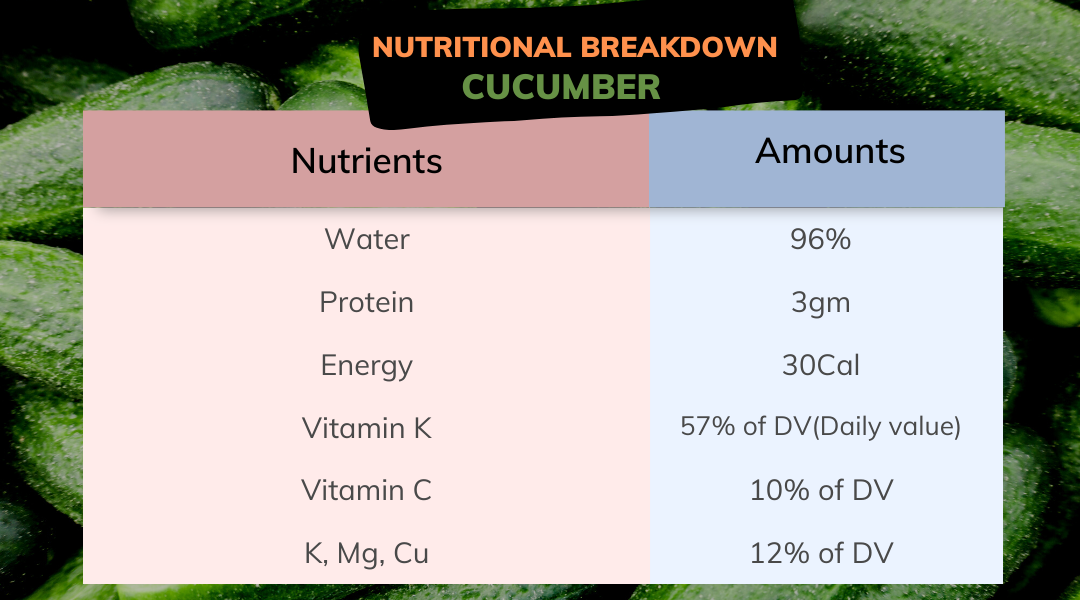
From the above data, we can see that cucumbers, being high in water content, have a similar impact when consumed. Cucumbers contain water and alkaline potassium, making them slightly diuretic and useful for reducing gas.
Related Article: Is Broccoli acidic? Broccoli Acid Reflux (Is This True?)
5 Reasons to Start Eating Cucumbers!
I hope you now know that cucumbers are very nutritious for your health and have benefits for your skin, stomach, and heart. They provide so many benefits to your body because of their alkalizing effects.
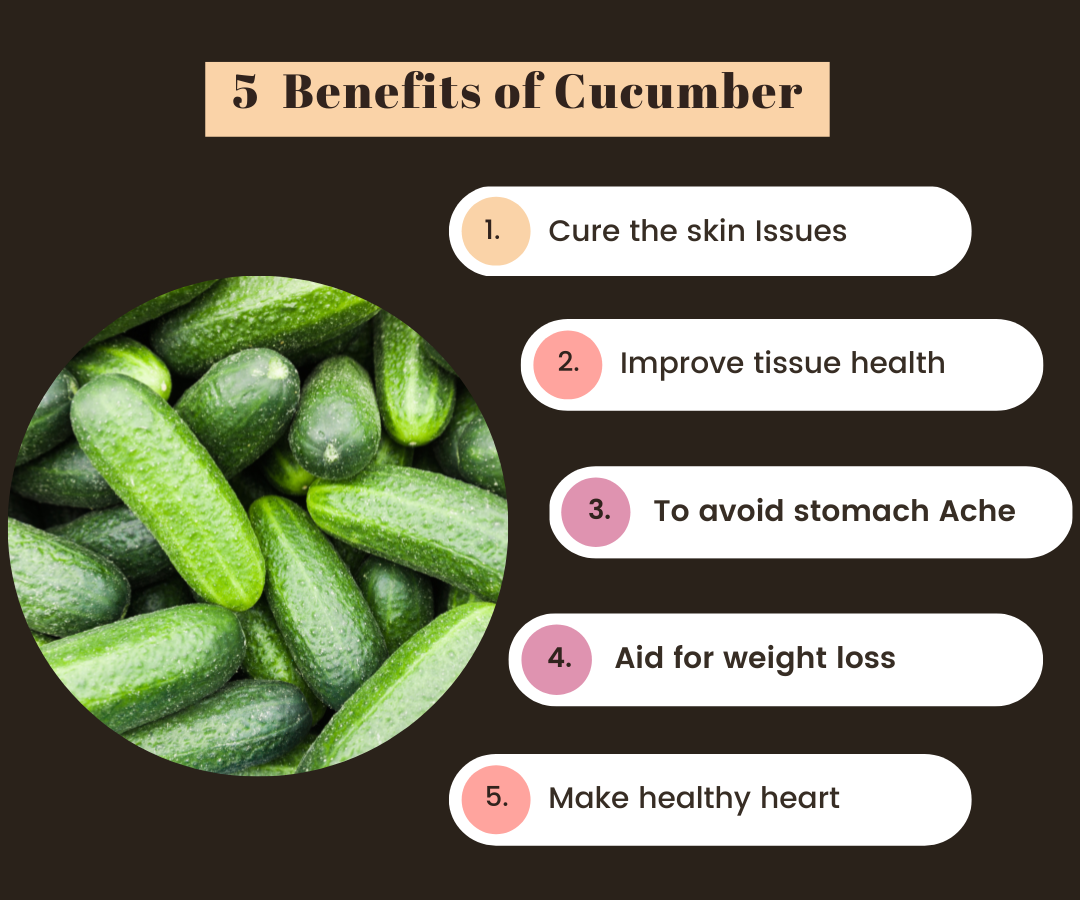
Without further delay, let us now go deeper to the reasons why you should love them.
Skin health
Dark circles, swelling, sunburn, and under-eye puffiness are just some of the skin conditions that cucumbers can help alleviate. Cucumbers’ primary compounds, caffeic acid and ascorbic acid, aid in the prevention of water retention.
Improve tissue health
Simultaneously cooling and refreshing, cucumbers are rich in the mineral silica. It’s a lovely mineral, and it plays a crucial role in maintaining the health of your connective tissues. Connective tissues include cartilage, ligaments, tendons, and bone. Healthy connective tissues are essential to overall good health.
Prevention of stomach aches
As far as vegetables go, cucumbers have a relatively high amount of fiber. Cucumber is a great choice for those who suffer from gastroesophageal reflux disease (GERD) because its high fiber content helps prevent stomach problems, and promotes gastric motility, helping to move food along the intestinal tract.
This reduces the chance of stomach contents refluxing, or going “backwards”, in the wrong direction.
Aid for weight loss
Cucumbers are fantastic for dieters because they are 96 percent water, and they contain no fat, cholesterol, or sodium. Cucumbers are a low-calorie food, with low caloric density, so you can eat more of them without consuming too many calories.
Cucumbers, whether added to a salad or eaten alone, can help jumpstart weight loss when combined with other weight loss-friendly foods like lemon juice, black pepper, and salt.
Related Article: 10 Effective Homemade Drinks That Burn Fat While Sleeping
Boosts cardiovascular health
In addition to protecting against cardiovascular disease, the lignans found in cucumbers can also help strengthen the immune system. Cucumbers’ magnesium and potassium content make them an excellent food for maintaining healthy blood pressure.
In addition, they help regulate nerve function, heart rate, fluid balance, blood sugar, and glucose metabolism, and increase energy expenditure.
Does eating cucumbers make you fart?
Yes, they can make you go through some unforeseen situations. It depends a lot on how they are consumed. There are a few reasons why cucumbers might increase gas.
Cucurbitacin can be found in cucumbers and squash which has the capability to make good amounts of gas and can make you gassy easily. You’re more likely to experience bloating or passing gas due to over consumption of cucumbers.
FAQs
Is cucumber an acidic food?
No, they are not referred to as acidic foods. Though they have a pH of 5.1-5.7 which is slightly acidic, the alkalizing effects of cucumbers can be beneficial, especially in those whose diets have become excessively acidic as a result of poor nutrition.
Is cucumber OK for acid reflux?
Yes, they are. They can also be used to treat acid reflux. Water and fiber, both of which are crucial to proper digestion, are abundant in cucumbers. It is common knowledge that increasing the stomach’s pH by ingesting water can alleviate the acute symptoms of acid reflux.
Why do cucumbers cause heartburn?
In most cases, they do not cause heartburn. But exceptions may be seen in some situations. When you eat cucumbers with any acidic food like salad or tomatoes, you might experience acid reflux. This might result in heartburn in your stomach.
However, this is more likely due to the foods consumed with the cucumbers, not the cucumbers themselves.
Are Pickles acidic or alkaline?
Wait a minute! We know that pickles are made of cucumbers. So, do you think these are acidic? Basically, that depends on how they were pickled.
Pickles purchased from a grocery store are likely to have a high vinegar and additive content, both of which can aggravate acid reflux and GERD symptoms and cause severe heartburn. Therefore, those with a low tolerance for sour or pickled flavors should avoid them.
However, naturally fermented pickled cucumbers are excellent for the flora in your digestive tract. Moreover, their juice is reportedly effective for some people with acid reflux.
Conclusion
In the end, we have all the answers for “are cucumbers acidic?” To put it simply, we can say that cucumbers are slightly acidic, but have predominantly alkaline properties. You can eat cucumbers without worrying about the effect on acid reflux.
But remember, like with any food, there can be too much of a good thing. Most foods are best eaten in moderation!
Related Posts
Subscribe for New Racipies
Get mental health tips, updates, and resources delivered to your inbox.
M&M; Birthday Party



I put together my son’s 4th birthday party last week. He’s into a lot of things, but nothing in particular stood out as a theme. That is until someone posted a photo of an M&M wedding cake on Facebook. I had my inspiration. My son loves M&M’s in all different varieties. He devours whatever flavored M&M’s I buy to make recipes with. He’s not picky when it comes to his favorite candy. So I researched Pinterest for DIY party decor and kept my eyes open when I was out shopping. I tried to keep it simple because it wasn’t going to be a terribly big party, but I wanted it to be special for him.

I put together my son’s 4th birthday party last week. He’s into a lot of things, but nothing in particular stood out as a theme. That is until someone posted a photo of an M&M wedding cake on Facebook. I had my inspiration. My son loves M&M’s in all different varieties. He devours whatever flavored M&M’s I buy to make recipes with. He’s not picky when it comes to his favorite candy. So I researched Pinterest for DIY party decor and kept my eyes open when I was out shopping. I tried to keep it simple because it wasn’t going to be a terribly big party, but I wanted it to be special for him.

The first thing I had found was 10 inch red plastic M&M dispenser at CVS pharmacy. I used that as my centerpiece. It was too cute to pass up. Then I found a small 5 inch plastic bubble gum machine at Toys R Us that I used as a cake topper.
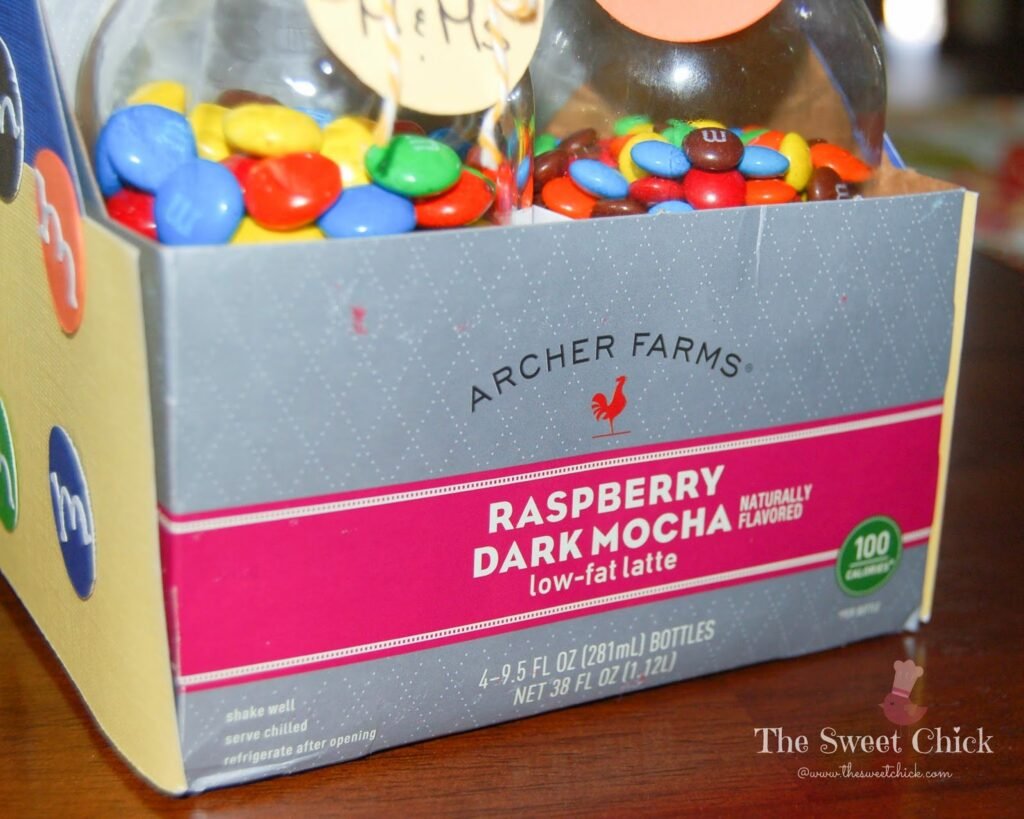
I wanted the party goers to have a selection of M&M’s to choose from, so I decorated a Archer Farms carton with some card stock I had on hand. I cut out some circles with my Fiskars ShapeCutter Template, then embellished it with little “m’s” I cut out with my Sizzix Sizzlets dies in the Bounce font (which apparently they don’t make anymore, my scrapbook tools are now antiques). I added some circle tags to label the M&M flavors.
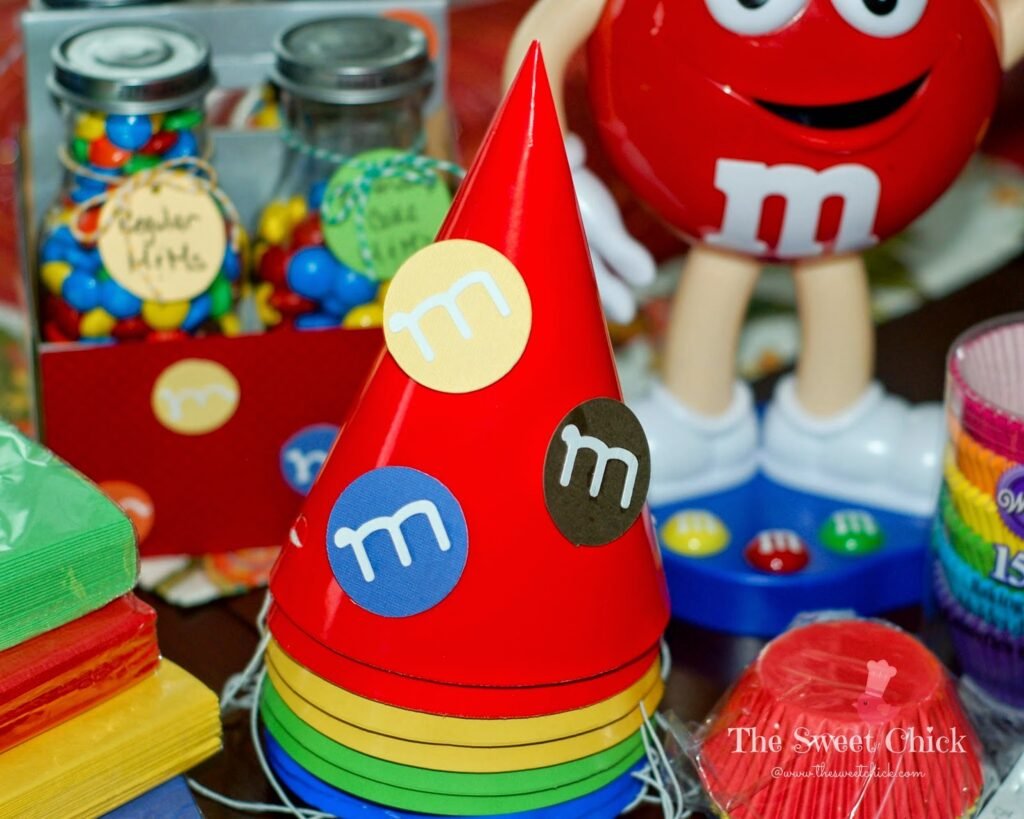
I found most of my other supplies at Walmart. I bought plates, napkins, and party hats in all the M&M colors (except brown). I jazzed up the plain party hats with some more cut outs. For these “m’s”, I used my Cricut machine with the Tear Drop cartridge. I was trying to use what I had on hand. If you want the official “M”, you can find it on the Cricut Plantin SchoolBook cartridge.

I used my Cricut machine to cut out these big “m’s” also. This was one of the ideas I found on Pinterest for wall decorations. I used double stick tape to keep them up.

He’s the whole thing all together. Simple, but colorful and fun. It was raining outside, so we played some movies for the kids, but they didn’t care, they ended up going in the pool anyway.

I made all sorts of treats to go with the theme, Chocolate Chip M&M Cookies, M&M Rice Krispie Treats, M&M Pretzel Sticks, and more.

I use the extra “M’s” I cut out to decorate the table. I placed the M&M dispenser on a candlestick holder I had to make him more prominent.

Here are the Candy Coated Oreo M&M’s I blogged about earlier this week. I placed each in matching cupcake liners from Wilton that I had found at Walmart.

This is the cake I made, inspired by this one below. The kids thought it was amazing. Mission accomplished.

Here’s the birthday boy all smiles when he saw his cake. He was excited by all the mini M&M’s pouring down the front. All the kids wanted a slice with the M&M’s on it.

The cake was just two Pillsbury Funfetti cake mixes and two cans of Betty Crocker Fluffy White frosting. I knew I would be spending all my time perfecting the decorating, so I didn’t make the cake and frosting from scratch this time. Plus, I really love Funfetti cake. And if you are wondering if I place each M&M individually on the cake , the answer would be YES! My husband thought I was nuts. He said I should just throw them on there, but I am a type A personality and everything has to be perfect.

For the favor bags, I bought individual packs of Birthday Cake M&M’s and added some bubbles and other candies. The clear bags are from Walmart and the tags I made myself. I put all the kids names on the back. I attached the tags with matching bakers twine I had on hand.

It was a lot of work, but I like being creative. The looks on the kids faces said it all, it was worth it.
Related Posts


Subscribe for New Racipies
Get mental health tips, updates, and resources delivered to your inbox.