
Is Buttermilk Good for Acid Reflux?

Medically reviewed by Aneeza Pervez Updated Date: January 2, 2026

Acid reflux can be a frustrating condition to manage. The burning sensation in the chest, throat irritation, and the discomfort of indigestion are common issues that those suffering from acid reflux deal with regularly. The quest for foods and drinks that alleviate or prevent these symptoms is often an ongoing journey. Among the many natural remedies suggested, buttermilk has been a staple in traditional medicine for its potential benefits in soothing the digestive system.
But is buttermilk truly effective in managing acid reflux, or is it just another food that promises much but delivers little? Let’s dive into the details and explore whether buttermilk could be a good choice for individuals suffering from acid reflux.
What Is Buttermilk and Its Nutritional Profile?
Buttermilk is a fermented dairy product, traditionally made as a byproduct of churning yogurt or cream to make butter. It’s a rich source of probiotics, which are beneficial bacteria that support gut health. It also contains several essential nutrients that contribute to overall health.
Key Nutrients in Buttermilk
- Probiotics: These bacteria play a crucial role in digestive health by maintaining a balance between good and bad bacteria in the gut.
- Calcium: Buttermilk is an excellent source of calcium, which is important for bone health and muscle function.
- Vitamin D: This vitamin helps the body absorb calcium and supports immune system function.
- Potassium: An essential mineral that helps regulate fluid balance, muscle function, and heart health.
- Low in Fat: Compared to whole milk or cream, buttermilk is low in fat, making it a lighter, healthier option.
Health Benefits of Buttermilk
Buttermilk is often praised for its digestive benefits, research suggest that it is particularly helpful in soothing the stomach and promoting healthy digestion. It’s a refreshing drink that can provide hydration and essential nutrients while being easy on the digestive system.
Can Buttermilk Cause Acid Reflux?
When considering whether buttermilk can cause acid reflux, it’s essential to evaluate its composition and how it interacts with the digestive system. Buttermilk has several properties that suggest it is unlikely to trigger acid reflux.
The Role of Alkaline Properties
Buttermilk, despite being slightly acidic, exhibits alkalizing effects once digested. This means that it can help balance stomach acidity, neutralizing the effects of excess acid that contribute to acid reflux. The pH level of buttermilk typically ranges from 4.5 to 4.8, which is on the acidic side. However, its digestion leads to an alkalizing effect in the stomach, making it beneficial for people suffering from acid reflux.
Lactose Intolerance Consideration
While buttermilk is generally considered gentle on the stomach, individuals who are lactose intolerant might experience discomfort, such as bloating or gas. This can indirectly trigger reflux symptoms. If you suspect lactose intolerance, it’s best to opt for lactose-free buttermilk or avoid it altogether.
How Is Buttermilk Good for Acid Reflux?
Buttermilk can be beneficial for individuals dealing with acid reflux due to its soothing and cooling properties. Let’s explore how it helps manage reflux symptoms.
Soothing Effect on the Esophagus
One of the primary benefits of buttermilk is its cooling effect on the digestive system. The texture of buttermilk can help coat and soothe the esophagus, which may reduce the burning sensation often experienced during acid reflux episodes. This effect makes buttermilk a comforting drink for those suffering from the discomfort of reflux.
Probiotics for Digestive Health
Buttermilk is rich in probiotics, which support gut health. A healthy gut plays an essential role in digestion and can help prevent conditions like acid reflux. The probiotics found in buttermilk help balance the digestive flora, reduce inflammation, and promote proper digestion, thus preventing the backflow of stomach acid into the esophagus.
Neutralizing Stomach Acidity
Despite its slightly acidic pH, buttermilk helps neutralize stomach acids. The alkaline properties of buttermilk work to reduce the acidity in the stomach, thereby minimizing symptoms of acid reflux. Drinking buttermilk after meals can provide quick relief from the discomfort caused by acid reflux.
Is Buttermilk Acidic or Alkaline?
One of the common questions regarding buttermilk is whether it is acidic or alkaline. As mentioned earlier, buttermilk is mildly acidic with a pH of about 4.5 to 4.8. However, the alkalizing effect it has on the stomach is what makes it suitable for acid reflux sufferers.
The Alkaline Effect After Digestion
Even though buttermilk starts out acidic, it becomes alkaline in the digestive system, which helps balance the overall stomach acidity. This unique property is what makes buttermilk an excellent option for individuals dealing with acid reflux. It’s not the acidity of buttermilk itself that’s harmful; rather, it’s the way it interacts with the body that provides relief.
Is Buttermilk Good for Gastritis and Stomach Pain?
In addition to being helpful for acid reflux, buttermilk can also provide relief for other gastrointestinal conditions like gastritis and stomach pain.
Author Tip: 7-Day Meal Plan For Gastritis: Balancing Nutrition and Gastritis
Soothing Effect for Gastritis
Gastritis, an inflammation of the stomach lining, can cause pain, bloating, and discomfort. Buttermilk’s cooling properties help soothe the stomach lining, reducing irritation and inflammation. This makes it an effective natural remedy for those with gastritis, offering both relief from pain and support for healing.
Relieving Stomach Pain from Ulcers
Buttermilk’s soothing properties extend to ulcers as well. Ulcers can cause intense stomach pain, but buttermilk can provide temporary relief by reducing irritation. Additionally, the probiotics in buttermilk may help reduce harmful bacteria, such as Helicobacter pylori, which is often linked to the development of ulcers.
Buttermilk Benefits and Side Effects
Benefits
- Improves Digestion: The probiotics in buttermilk promote healthy digestion, making it easier for the stomach to process food.
- Reduces Acid Reflux Symptoms: The alkalizing effect helps neutralize stomach acids and soothe the esophagus.
- Enhances Gut Health: Probiotics play a critical role in balancing gut bacteria, improving overall digestive health.
- Provides Nutrients: Buttermilk is an excellent source of essential vitamins and minerals, including calcium, vitamin D, and potassium.
Side Effects
- Lactose Intolerance: For individuals with lactose intolerance, buttermilk can cause discomfort, including bloating, gas, and diarrhea.
- Excessive Consumption: Overconsumption of buttermilk may lead to bloating or gas in some individuals. Moderation is key.
Is Buttermilk Good for Ulcers?
As mentioned earlier, buttermilk can be beneficial for individuals with ulcers. Its soothing effect helps relieve pain and discomfort, while its probiotics may aid in healing the ulcer by reducing harmful bacteria, such as Helicobacter pylori, which can exacerbate ulcer symptoms.
Does Cinnamon Increase Acid Reflux?
While cinnamon is a common addition to many diets, it’s important to note that it can sometimes irritate the stomach, especially in large amounts. For individuals with acid reflux, using cinnamon in moderation is key. Small quantities may not trigger acid reflux, but larger amounts or spicy cinnamon may irritate the stomach lining, leading to increased symptoms.
FAQs About Buttermilk and Acid Reflux
1. Can I Drink Buttermilk in Acid Reflux?
Yes, buttermilk can help neutralize stomach acid and provide relief from acid reflux symptoms. Its soothing and alkalizing effects make it an excellent choice for people dealing with reflux.
2. What to Drink First Thing in the Morning for Acid Reflux?
For acid reflux, it’s best to opt for low-acid drinks such as buttermilk, warm water with honey, or herbal teas. These beverages are gentle on the stomach and can help alleviate symptoms when consumed in the morning.
3. Is Buttermilk High in Acid?
While buttermilk is slightly acidic, its overall effect on the stomach is alkalizing, which makes it a beneficial option for acid reflux sufferers.
4. Is Curd Good for Acid Reflux?
Yes, both curd and buttermilk contain probiotics that promote digestion, balance stomach acids, and reduce acidity. They are both excellent options for managing acid reflux.
5. Is Buttermilk Good for an Acidity Patient?
Absolutely! Buttermilk’s cooling properties, combined with its ability to neutralize stomach acid, make it a go-to remedy for those suffering from acidity and acid reflux.
6. If I Drink a Glass of Buttermilk, Will My Gastritis Go Away?
Buttermilk can provide temporary relief from gastritis, but consistent dietary changes and medical treatment are necessary for long-term management.
7. What Are the Advantages of Buttermilk?
Buttermilk improves digestion, reduces acidity, and enhances gut health, making it a valuable addition to your diet.
Conclusion
Buttermilk is a versatile and effective remedy for acid reflux and related digestive conditions. Its probiotics, cooling properties, and natural alkalinity help soothe the stomach, reduce acidity, and promote healthy digestion. For those struggling with frequent acid reflux or gastrointestinal issues, incorporating buttermilk into your diet may offer significant relief. As always, moderation is key, and if you’re lactose intolerant, it’s important to opt for lactose-free alternatives. With its combination of health benefits and soothing qualities, buttermilk is undoubtedly a valuable ally in managing acid reflux.
Related Posts



Subscribe for New Racipies
Get mental health tips, updates, and resources delivered to your inbox.
Are Seaweed Acidic? Seaweed and Acid Reflux

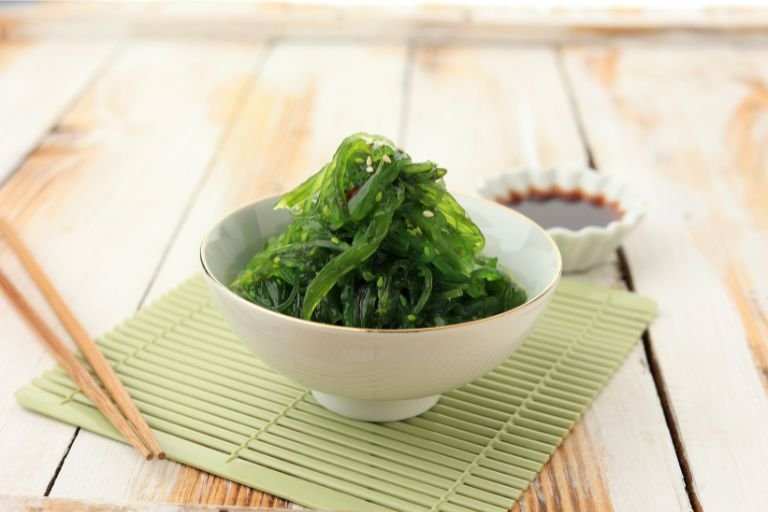
The Rising Popularity of Seaweed in Modern Diets
Seaweed, a nutrient-rich food sourced from the ocean, has become increasingly popular for its numerous health benefits. Found in sushi rolls, soups, and even snacks, this versatile food is a staple in many cuisines, especially in East Asia. But for those dealing with acid reflux, a common concern arises: Is seaweed acidic, and can it trigger or alleviate acid reflux symptoms?
In this article, we’ll explore the pH level of seaweed, its nutritional profile, and how it interacts with acid reflux. Let’s determine whether this oceanic superfood is a safe choice for reflux sufferers.
Understanding Acid Reflux: A Common Digestive Issue
What Is Acid Reflux?
Acid reflux occurs when stomach acid flows backward into the esophagus, leading to a variety of uncomfortable symptoms, including:
- Heartburn: A burning sensation in the chest or throat.
- Regurgitation: A sour taste caused by stomach acid reaching the mouth.
- Bloating and Nausea: Often associated with indigestion.
Chronic acid reflux may progress into gastroesophageal reflux disease (GERD), which can cause more severe complications if left untreated.
How Diet Affects Acid Reflux?
Certain foods and beverages can trigger or exacerbate acid reflux by relaxing the lower esophageal sphincter (LES), increasing stomach acid production, or irritating the esophageal lining. While acidic, spicy, and fatty foods are common triggers, many people find relief by consuming alkaline or low-acid foods that help balance stomach acidity.
Where does seaweed fit into this spectrum? Let’s find out.
Author Tip: 7-Day Meal Plan For Gastritis
Is Seaweed Acidic or Alkaline?
The pH Level of Seaweed
Seaweed is considered mildly alkaline, with a pH level ranging from 7 to 9 depending on the variety. This alkalinity makes it a great option for those looking to neutralize stomach acid and manage acid reflux symptoms. Unlike acidic foods such as tomatoes or citrus fruits, seaweed is unlikely to irritate the stomach or esophagus.
Why Alkaline Foods Benefit Acid Reflux Sufferers?
Alkaline foods, like seaweed, can help neutralize excess stomach acid and create a more balanced environment in the digestive system. This may reduce the frequency and severity of reflux episodes, making seaweed a potentially reflux-friendly food.
Nutritional Profile of Seaweed
What Makes Seaweed a Nutritional Powerhouse?
Research suggest that seaweed is packed with essential nutrients that support overall health. Here’s a breakdown of its key components:
- Iodine: Crucial for thyroid function and metabolic regulation.
- Vitamins: Contains vitamins A, C, E, and K, along with B vitamins.
- Minerals: High in calcium, magnesium, potassium, and iron, all of which contribute to balanced digestion and health.
- Fiber: Supports gut health and promotes smoother digestion.
- Antioxidants: Protects against inflammation and oxidative stress.
Health Benefits of Seaweed
- Supports Digestion: The fiber content in seaweed helps promote regular bowel movements and prevents bloating, which can aggravate reflux.
- Alkalizing Effect: Its alkalinity can help neutralize stomach acid, reducing the chances of reflux symptoms.
- Rich in Nutrients: Seaweed provides essential vitamins and minerals that support overall well-being, including gut health.
- Low Calorie: Seaweed is a low-calorie food, making it a great addition to weight-conscious diets, which can also help manage reflux.
How Seaweed Affects Acid Reflux?
Seaweed’s Potential Benefits for Acid Reflux
- Neutralizes Stomach Acid: Seaweed’s alkaline properties may help balance the pH of the stomach, reducing irritation.
- Soothes the Digestive System: Its natural compounds may form a protective barrier over the stomach lining, shielding it from excessive acid.
- Promotes Gut Health: The fiber in seaweed can enhance digestion, reducing bloating and minimizing pressure on the LES.
When Seaweed Might Worsen Acid Reflux?
While seaweed is generally safe for reflux sufferers, certain factors could aggravate symptoms:
- Salt Content: Packaged or processed seaweed snacks are often high in sodium, which may contribute to bloating and discomfort.
- Overconsumption: Eating too much seaweed at once can lead to excessive fiber intake, potentially causing gas and bloating.
- Flavor Additives: Some seaweed products contain spices or other acidic ingredients that might trigger reflux.
Related to Read: Can You Eat Raw Trout?
Tips for Consuming Seaweed Safely
1. Opt for Plain, Natural Seaweed
Choose unflavored seaweed without added salt, spices, or preservatives to minimize potential triggers.
2. Watch Your Portions
Stick to moderate servings of seaweed to avoid bloating and digestive discomfort.
3. Pair with Reflux-Friendly Foods
Combine seaweed with other alkaline foods like cucumbers, avocados, or bananas to enhance its benefits for acid reflux.
4. Avoid Fried Seaweed
Fried seaweed or seaweed chips may be high in unhealthy fats, which can exacerbate reflux symptoms.
Author Tip: 7 Kinds of Foods to Avoid with GERD
Reflux-Friendly Alternatives to Seaweed
If seaweed doesn’t suit your taste or dietary preferences, consider these alternatives:
- Leafy Greens: Spinach, kale, and lettuce are alkaline and rich in nutrients.
- Cucumber Slices: Hydrating and alkaline, they’re a soothing snack for reflux sufferers.
- Zucchini: A versatile vegetable with a mild flavor that’s easy on the stomach.
Lifestyle Changes to Improve Acid Reflux
1. Eat Smaller, More Frequent Meals
Overeating can put pressure on the LES, leading to reflux. Opt for smaller portions to prevent symptoms.
2. Avoid Trigger Foods
Identify and eliminate common triggers like spicy, fatty, or acidic foods from your diet.
3. Elevate Your Head While Sleeping
Using a wedge pillow or raising the head of your bed can help prevent acid from flowing back into the esophagus at night.
4. Stay Active and Maintain a Healthy Weight
Excess weight increases abdominal pressure, which can worsen acid reflux. Regular exercise and a balanced diet can help manage symptoms.
Conclusion: Is Seaweed Safe for Acid Reflux?
Seaweed, with its alkalizing properties and nutrient-rich profile, can be a safe and beneficial choice for those managing acid reflux. Its ability to neutralize stomach acid, promote gut health, and support digestion makes it a valuable addition to a reflux-friendly diet. However, it’s important to choose natural, minimally processed seaweed and consume it in moderation to avoid potential side effects.
As always, if you experience persistent or severe reflux symptoms, consult a healthcare professional for personalized advice. Seaweed may just be the oceanic superfood your digestive system needs.
FAQs: Seaweed and Acid Reflux
Q1: Is seaweed acidic or alkaline?
Seaweed is mildly alkaline, with a pH level ranging from 7 to 9.
Q2: Can seaweed help with acid reflux?
Yes, its alkalizing properties and fiber content may help neutralize stomach acid and improve digestion, reducing reflux symptoms.
Q3: Are all types of seaweed safe for reflux?
Most types of natural seaweed are reflux-friendly, but processed varieties with added salt or spices may trigger symptoms.
Q4: How much seaweed should I eat if I have acid reflux?
Stick to moderate servings—around 1-2 tablespoons of dried seaweed or 1-2 sheets of nori per day—to avoid bloating.
Q5: Can seaweed snacks worsen acid reflux?
Yes, if they are high in sodium or contain acidic additives. Opt for plain, unsalted seaweed snacks instead.
Related Posts
Subscribe for New Racipies
Get mental health tips, updates, and resources delivered to your inbox.