
Is Cauliflower Acidic? Benefits for Acid Reflux Explained

Medically reviewed by Aneeza Pervez Updated Date: January 1, 2026
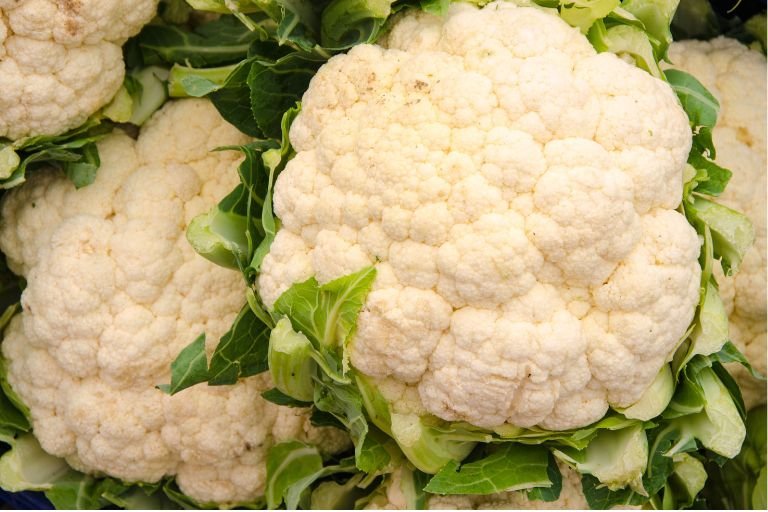
Cauliflower is a widely enjoyed vegetable known for its versatility in cooking and a wide range of health benefits. It is often celebrated for its high nutrient content and low calorie profile. However, when it comes to managing digestive conditions such as acid reflux or other gastrointestinal issues, understanding the acidity of different foods becomes crucial. Many people with acid reflux must pay close attention to the pH levels of what they eat.
This article will explore whether cauliflower is acidic, its potential benefits for those suffering from acid reflux, and provide useful insights on its role in a balanced diet. We will also discuss which other vegetables are ideal or not ideal for those dealing with acidity and heartburn.
Is Cauliflower Acidic?
Understanding Acidity in Foods
Acidity in foods refers to the pH level of the food, with acidic foods having a pH lower than 7 and alkaline foods having a pH greater than 7. Foods with lower pH levels can increase stomach acid production, which is a concern for people dealing with acid reflux, heartburn, or other gastrointestinal issues.
Cauliflower’s pH Level
Cauliflower is considered a mildly alkaline food, with a pH level that ranges between 6.0 and 7.0. This makes it relatively neutral or slightly alkaline compared to many other vegetables. In fact, its pH level suggests that cauliflower is not acidic, but rather falls closer to the neutral or alkaline side of the pH scale.
Is Cauliflower Acidic?
The answer is no—cauliflower is not acidic. Its low pH level indicates that it is unlikely to contribute to acidity in the stomach or trigger symptoms of acid reflux. In fact, many individuals with acid reflux find cauliflower to be gentle on the stomach, thanks to its alkaline properties and the ability to soothe irritation.
Is Cauliflower Good for Acid Reflux?
Digestive Benefits of Cauliflower
For individuals with acid reflux, managing what they eat is essential to minimizing discomfort. Cauliflower, being low in acid, can help balance stomach pH and ease digestive discomfort. The vegetable contains fiber and other nutrients that promote healthy digestion, making it a safe choice for those who are cautious about acid levels in their diet.
How Cauliflower Soothes the Stomach
The low acidity of cauliflower may help reduce the likelihood of acid reflux episodes. Foods that are less acidic tend to be less irritating to the esophagus and stomach lining, which is important for people with conditions like GERD (Gastroesophageal Reflux Disease). Cauliflower is also rich in antioxidants, which can aid in reducing inflammation in the digestive tract.
Is Cauliflower Good for Acid Reflux?
Yes, cauliflower is considered good for people with acid reflux. Its mild, non-acidic nature makes it a suitable vegetable for those looking to avoid triggers that can worsen heartburn or acid reflux symptoms.
Is Cauliflower Acidic or Alkaline?
Cauliflower’s Alkaline Properties
As mentioned earlier, cauliflower has an alkaline pH, making it more suitable for those who are trying to reduce acidity in their body. Alkaline foods help to neutralize the stomach’s acid levels and can promote a healthier pH balance in the body overall. Consuming foods that are more alkaline may assist in managing conditions like acid reflux, as they counteract excess acid production.
Comparing Cauliflower to Other Vegetables
To better understand cauliflower’s place in a diet focused on acidity control, it’s helpful to compare it to other common vegetables:
- Spinach: Alkaline
- Bell Peppers: Alkaline
- Tomatoes: Acidic
- Onions: Acidic
Cauliflower ranks among the more alkaline vegetables, which makes it a solid choice for those aiming to balance the pH in their digestive system.
Is Cauliflower Acidic or Alkaline?
Cauliflower is alkaline, which is beneficial for those looking to maintain a neutral or slightly alkaline pH in their diet.
Which Vegetables Are Not Good for Acidity?
Vegetables to Avoid with High Acidity
Certain vegetables are considered more acidic and can trigger symptoms of acid reflux or heartburn in sensitive individuals. These include:
- Tomatoes: Due to their high natural acidity, tomatoes and tomato-based products can increase stomach acid.
- Onions: Often a trigger for heartburn and indigestion, especially when eaten raw.
- Garlic: While not technically acidic, garlic can cause discomfort for people with sensitive digestive systems.
Cauliflower’s Role in Preventing Acidity
Cauliflower, in contrast to the vegetables listed above, does not irritate the stomach lining or esophagus. This makes it a safer option for people who suffer from acid reflux or other forms of gastrointestinal discomfort.
Which Vegetables Are Very Acidic?
Highly Acidic Vegetables to Watch Out For
Several vegetables have a naturally high acidic content, which can exacerbate symptoms of acid reflux. These include:
- Tomatoes: Known for their high acidity, tomatoes often trigger heartburn or indigestion.
- Spinach: Despite its many health benefits, spinach can be slightly acidic and might irritate those with sensitive stomachs.
- Bell Peppers: While typically sweet, they can be acidic and cause discomfort for some people.
These vegetables should be consumed with caution, especially by those who are managing acidity-related conditions like GERD.
Cauliflower and GERD: Insights from Reddit
User Experiences and Discussions About Cauliflower and GERD
Reddit is a platform where users often share personal experiences related to health and diet. Discussions about cauliflower and GERD (Gastroesophageal Reflux Disease) are frequent, with many people offering their insights into how this vegetable affects their digestive health. In general, cauliflower is considered safe by most users with GERD, with many sharing that it doesn’t worsen their symptoms. However, some users with more sensitive stomachs note that cauliflower, particularly when eaten in larger amounts, can cause bloating or gas. These symptoms are more likely due to the vegetable’s fiber content rather than its acidity.
Does Cauliflower Trigger GERD Symptoms?
The consensus on Reddit is that cauliflower is unlikely to trigger GERD symptoms for most individuals. Its alkaline nature means it is less likely to increase stomach acid or irritate the esophagus. That said, some individuals may still experience discomfort due to the vegetable’s high fiber content, which can lead to bloating or gas. For those with sensitive digestive systems, it may be helpful to cook cauliflower thoroughly, as this can make it easier to digest and reduce any potential discomfort.
Broccoli vs. Cauliflower: Which Is Better for Acid Reflux?
Comparing the Acidity Levels of Broccoli and Cauliflower
Both broccoli and cauliflower are considered safe for people with acid reflux because they are low-acid vegetables. However, when comparing their pH levels:
- Cauliflower has a pH level ranging from 6.0 to 7.0, which makes it mildly alkaline.
- Broccoli, on the other hand, has a slightly higher pH, ranging from 6.3 to 7.0, placing it a bit more on the alkaline side than cauliflower.
Both vegetables can be beneficial for acid reflux sufferers, but broccoli’s slightly higher alkaline nature may provide an added benefit in balancing stomach pH levels.
Is Broccoli Acidic or Alkaline?
Broccoli is alkaline, much like cauliflower, which means it helps neutralize stomach acid and reduce the symptoms of acid reflux. Its higher pH compared to cauliflower could make it a better option for those seeking even more alkaline foods to soothe their digestive system.
How Both Vegetables Interact with Acid Reflux
Both cauliflower and broccoli can support individuals with acid reflux, as they both help neutralize stomach acid. However, broccoli’s more alkaline properties may make it a slightly better choice for managing acid reflux. Ultimately, both vegetables are safe and beneficial for acid reflux, so the choice between them may come down to personal preference or tolerance.
Best Alkaline Foods for Acid Reflux
Foods That Neutralize Stomach Acid and Support Alkalinity
For those dealing with acid reflux, incorporating alkaline foods into the diet can help neutralize stomach acid and reduce discomfort. Alkaline foods help balance the body’s pH levels, which in turn can minimize acid production in the stomach.
Top 5 Alkaline Foods for Acid Reflux
- Cauliflower: Cauliflower is an excellent choice for acid reflux sufferers due to its low acidity and high alkaline properties. It helps soothe the stomach and reduce acid production.
- Bananas: Bananas are naturally alkaline and can coat the stomach, providing relief from heartburn.
- Melons: Watermelon and cantaloupe are both alkaline and have a high water content, helping to flush out excess acid.
- Oatmeal: Oatmeal is not only alkaline but also absorbs stomach acid, making it a great option for breakfast or a light meal.
- Leafy Greens: Vegetables like spinach, kale, and lettuce are rich in alkaline minerals, which help balance the pH of the body and reduce acid reflux symptoms.
Incorporating these foods into your diet can help maintain a balanced stomach pH and reduce the occurrence of acid reflux.
How to Relieve Stomach Pain from Cauliflower
Tips and Remedies for Reducing Stomach Pain After Eating Cauliflower
While cauliflower is generally well-tolerated, some individuals might experience discomfort due to its fiber content or other digestive factors. Here are a few tips to relieve any stomach pain after eating cauliflower:
- Drink Water: Drinking water can help flush out excess gas and alleviate bloating.
- Take a Walk: Gentle movement can help promote digestion and relieve discomfort.
- Use Ginger: Ginger has natural anti-inflammatory properties and can help soothe the stomach. Ginger tea or even a small piece of fresh ginger can aid digestion.
- Avoid Overeating: Eating too much cauliflower in one sitting can sometimes cause bloating or gas. Smaller portions may help alleviate discomfort.
Cooking Methods to Reduce Digestive Discomfort
How cauliflower is prepared can impact its digestibility. Cooking cauliflower makes it easier to digest, as it softens the fibers. Here are a few cooking methods that can help reduce digestive discomfort:
- Steaming: Steaming cauliflower helps soften its fibers and makes it gentler on the stomach.
- Boiling: Boiling cauliflower can also break down some of the fibers, reducing the chance of gas and bloating.
- Roasting: If you prefer roasted cauliflower, make sure not to overcook it, as this can make it more difficult to digest.
Related to Read: Curried Cauliflower Agnolotti With Cilantro Brown Butter Sauce
Conclusion
In conclusion, cauliflower is a fantastic option for people dealing with acid reflux or other gastrointestinal conditions. With its mildly alkaline nature, cauliflower helps maintain a neutral or balanced pH in the body, making it a great addition to an acid-friendly diet. Not only is it non-acidic, but it also provides numerous health benefits, including fiber and antioxidants that support digestion. While some vegetables are more acidic and can worsen symptoms, cauliflower stands out as a soothing and safe choice. By understanding the pH of foods and how they interact with your digestive system, you can make smarter choices that benefit your overall health and well-being.
FAQs
Is cauliflower good for people with acid reflux?
Yes, cauliflower is a low-acid food and is gentle on the stomach, making it a great choice for those with acid reflux.
How does cauliflower help with digestion?
Cauliflower is high in fiber, which aids digestion and promotes a healthy digestive tract.
Is cauliflower better than tomatoes for acid reflux?
Yes, cauliflower is less acidic than tomatoes and is generally safer for those with acid reflux.
Can cauliflower help balance stomach pH?
Yes, cauliflower’s alkaline nature can help balance stomach acidity, reducing the risk of acid reflux.
Are there any vegetables to avoid if you have GERD?
Yes, vegetables like tomatoes, onions, and bell peppers are known to be more acidic and may trigger GERD symptoms.
Related Posts



Subscribe for New Racipies
Get mental health tips, updates, and resources delivered to your inbox.
Pumpkin Bagels


Have you ever had a Noah’s Bagels pumpkin bagel? I think it singlehandedly converted me into a bagel lover. Unfortunately (or maybe fortunately?), it’s seasonal, so it’s only obtainable one fleeting time a year, making it limited edition and therefore that much more desirable (like those mint chocolate Kisses that they sell around Christmas, have you had them?) And after I graduated from college and moved out of my college town, I stopped going to Noah’s altogether. Which is a shame, because pumpkin bagels, you have been sorely missed!
Well, I’ve got news for you. Homemade pumpkin bagels are just as good. Or, nearly as good, because in my case, they turned out rather ugly. Knobby. Imperfect, through and through. But seriously, homemade bagels, where have you been all my life? Just floating around, a vague idea in my head, that I never pulled off because I’d mistakenly thought you were really hard to make.
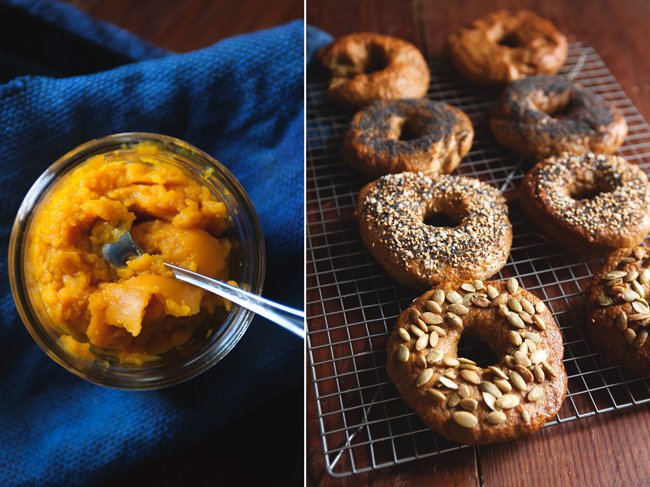
That’s the thing: these bagels were not difficult to make at all. I know that there are lots of ways to complicate the process, resulting in Bronx-worthy (and better-looking) bagels, but besides the extra step of boiling them, which admittedly was rather tense because I was trying to brush the egg wash on the cooked bagels and top them at the same time, most of the work was performed by my Kitchenaid mixer.
The bagels are so delicious when they come out of the oven. Soft but springy from the extra long bath I gave them, and laced with pumpkin. I also incorporated whole wheat flour into the recipe, resulting in the perfect fall breakfast food alongside a steaming cup of coffee. But make sure to toast them, because we all know that bagels taste best lightly toasted with a thick smear of cream cheese (the sliced tomatoes are optional. And the lox is a splurge!) But please please please don’t eat them with low-fat cream cheese. (We usually avoid low-fat products, but our grocery store had run out of the regular whipped kind.) It’s no substitute.


PUMPKIN BAGELS
Adapted from Honest Cooking
Makes 8
Ingredients:
- 2-1/4 tsps. active dry yeast
- 1 cup warm water
- 1/3 cup brown sugar
- 2 cups all-purpose flour
- 1 cup whole-wheat flour
- 1 tsp ground cinnamon
- 1 tsp salt
- 1/2 tsp ground nutmeg
- 1/4 tsp ground ginger
- 1/4 tsp allspice
- 1/2 cup unsweeted pumpkin puree
- 1 Tbsp baking soda
- 1 egg
- cornmeal for dusting baking pan
Toppings:
- 2:2:1 of poppy seeds
- sesame seeds
- sea salt
- poppy seeds
- pumpkin seeds
- black sesame seeds
- sesame seeds, etc.
Directions:
In the bowl of a stand mixer, combine yeast, water, and brown sugar. Whisk together and set aside.
In the meantime, in a large bowl, combine flours, cinnamon, salt, nutmeg, ginger, and allspice. By now, the yeast mixture should be frothy and ready to go. Add the pumpkin puree and using the dough hook, start mixing on low speed. Slowly add the flour mixture until it’s completely combined, about 3 to 5 minutes. At this point, the dough should be smooth and elastic, but not too sticky. If it is, incorporate 1 to 2 more Tbsps of flour.
Place dough in a bowl coated with oil and cover, allowing it to rise in a warm place until dough doubles in size, about 90 minutes.
Remove the dough and punch it down. Divide it into 8 equal pieces and roll them into balls. Cover and let rise about 20 minutes more.
At this point, using your thumb, punch a hole into the middle of the ball and widen it, taking care that the ring is even on all sides. Widen the hole more than you think necessary, because it will shrink. Set the dough on a lightly greased baking sheet. Repeat with the other balls.
Preheat your oven to 425 degrees F and get the egg wash ready.
Fill a large pot about halfway with water and bring it to a boil. When it’s started boiling, pour in the baking soda (. Then gently drop 2 to 3 bagels in and cook for 2 minutes. Flip them and cook for 2 minutes more (the longer you boil the bagels, the chewier they will turn out. I like my bagels chewy. You can boil them for 1 minute on each side if you’d like.) Once done, remove them with a slotted spoon and drain well on paper towels. Then brush them with the egg wash and top with whatever toppings you’d like. Sprinkle cornmeal on the baking pan you had set them on earlier. Place the bagels on top. Repeat the same procedure with the rest of the bagels.
Once all the bagels have been boiled, bake them in for 15 to 20 minutes, rotating the pan halfway through. Let them cool before digging in.
Related Posts





Subscribe for New Racipies
Get mental health tips, updates, and resources delivered to your inbox.