
Is Broccoli acidic? Broccoli and Acid Reflux: Good or bad

Medically reviewed by Christiana George Updated Date: January 2, 2026
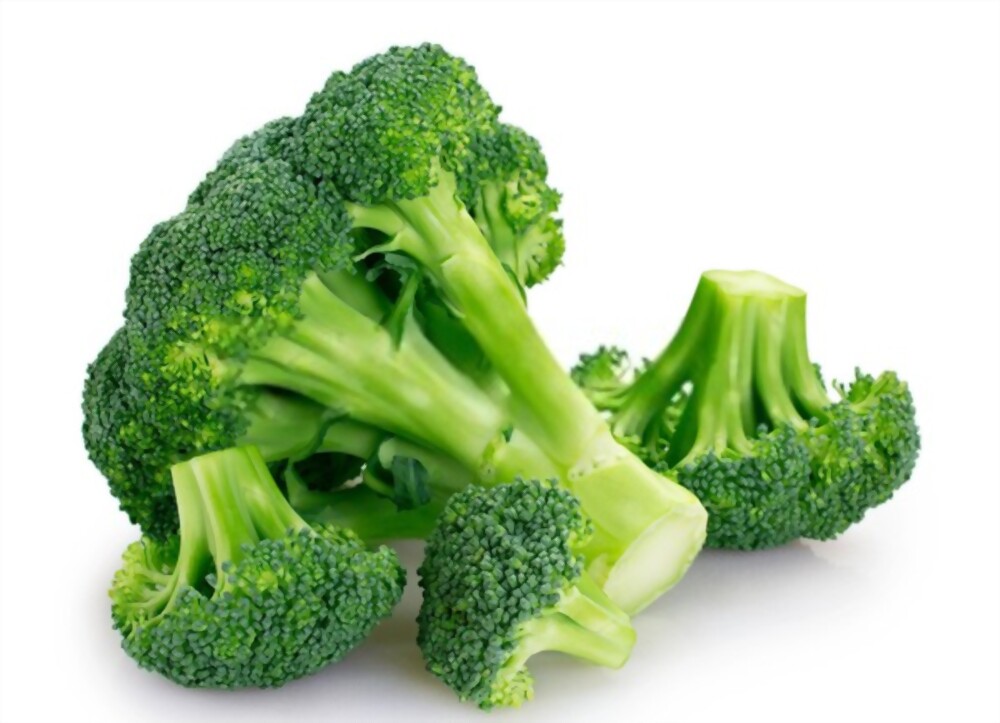
Broccoli is a member of the cabbage family known for its high fiber content and anticancer properties. In addition, it’s often touted as one of the healthiest vegetables on the planet because of its high concentration of antioxidants. It’s also a great source of vitamin C, folate, and calcium. But, despite being loaded with nutrients, many still want to know – is broccoli acidic?
Broccoli has slightly acidic PH of around 6.30-6.85. Since it is almost neutral, it does not make the environment within the stomach more acidic. Even though broccoli is slightly acidic, it actually functions as an alkaline-producing agent within the body. In addition, broccoli contains essential vitamins like A, C, and K. It is rich in antioxidants and fibers, which improve eye health, reduce cancer risk, and help to maintain healthy blood pressure.
Read on to find out more information about whether or not broccoli is acidic.
Broccoli – Acidic, Alkaline, or Neutral?
Broccoli has a PH of around 6.30 – 6.85, which is slightly acidic.

Since broccoli is almost neutral, it does not provoke acid reflux symptoms for most GERD sufferers. Moreover, broccoli actually functions as an alkaline-forming compound in the body.
This means that eating broccoli leads to formation of alkaline compounds in the body. This does not, however, change the body’s pH. The body’s pH is regulated very tightly, and not affected by foods.
So, broccoli is slightly acidic – but close to neutral, is unlikely to provoke GERD symptoms, and has no effect on the body’s pH.
pH of Broccoli
The pH of Broccoli is around 6.30-6.85. The table shows the pH of Broccoli in different types and forms.
| Broccoli | pH Value (Approximate) |
| Broccoli ( Fresh or Raw) | 6.70 |
| Broccoli (Steamed) | 6.62 |
| Broccoli ( Boiled) | 6.88 |
| Broccoli ( Baked) | 6.13 |
| Broccoli, frozen, cooked | 6.30 – 6.85 |
| Broccoli, Rabe | 6-7 |
Broccoli acid reflux: Is this True?
Broccoli is a vegetable loaded with lots of nutritional benefits. It is a member of the brassica family, which also includes cabbage and brussel sprouts. Broccoli contains high levels of vitamins A, C, K, lutein, and folate. It is also an excellent source of fiber, calcium, and iron.
However, this leafy green is not without its downsides. Like many other cruciferous vegetables, broccoli is high in sulfur compounds.
While not harmful for your health, foods high in sulfur can have some unpleasant effects. Sulfur compounds are the cause of the odors associated with passing gas.
So, the sulfur in broccoli is definitely not unhealthy, but it does make your flatulence more odorous.
Despite the smells that may be associated, broccoli has a number of health benefits.
- Vitamin C has a beneficial role in reducing inflammation in the body. It is also important in various tissues’ ability to heal.
- The folates present in broccoli also reduce acid reflux symptoms. In fact, a research study concluded that regular intake of B vitamins reduces the risk of esophagitis ( a condition caused by acid reflux).
But, if your acid reflux is associated with gas or indigestion, foods like broccoli can intensify these associated symptoms. This is because broccoli contains a significant amount of dietary fiber, which is not digested by the human digestive system. Eating broccoli can lead to gas within the digestive system, which can cause a sense of bloating.
Also read:
Are Mangoes Acidic? [Mango And Acid Reflux Good Or Bad]
Is broccoli rabe acidic?
Broccoli rabe has a pH of around 6-7, which is very slightly acidic. But once cooked it becomes alkaline. Broccoli rabe is a rich source of vitamins like A, C, and K.

It is high in folates and fibers that keep you full for a long time. Broccoli rabe is rich in water. It aids in digestion, improves vision, and contains folic acid, which is known to be important in preventing some types of birth abnormalities.
Is steamed broccoli acidic?
The pH of steamed broccoli does not differ significantly from the pH of raw broccoli. You can eat your broccoli the way you want either cooked or steamed.
Steaming is a better way of cooking vegetables than boiling. When vegetables are boiled, a lot of their vitamin and mineral contents are lost in the cooking water. When vegetables are steamed, these nutrients remain in the vegetable. So, steamed broccoli is a great choice!
Is broccoli cheese soup acidic?
Broccoli cheddar soup is delicious, and a hearty fall favorite of many people. Here, the concern is not necessarily the pH. Broccoli cheese soup is a heavy, cream-based soup.
Because of these characteristics, it can trigger GERD gastroesophageal reflux disease (GERD) symptoms. GERD is a condition in which stomach acid is allowed to flow up into the esophagus, irritating the lining of the esophagus.
For those who suffer from GERD, it is preferable to eat broth-based soups instead of heavier, cream-based soups. So, regardless of pH considerations, broccoli cheddar soup may not be the best option for GERD sufferers.
7 Ways in which broccoli is good for you
Broccoli is good for you because it’s a great source of vitamin C, vitamin K, and dietary fiber. It can also help maintain a healthy weight and reduce the risk of heart disease, cancer, and other chronic diseases.
| Nutrients Name | Amount per 91 grams raw Broccoli |
| Carbohydrate | 6 grams |
| Protein | 2.6 gram |
| Fat | 0.3 grams |
| Fiber | 2.4 grams |
| Vitamin C | 135% of the RDI |
| Vitamin B9 (Folate) | 14% of the RDI |
| Potassium | 8% of the RDI |
| Phosphorus | 6% of the RDI |
| Selenium | 3% of the RDI |
| Vitamin A | 11% of the RDI |
| Vitamin K | 116% of the RDI |
Detoxification of harmful contaminants
Phytochemicals such as glucoraphanin, and glucobrassicin have significant roles in the human body. These components help detoxify the body. It helps neutralize the stomach acids and remove harmful compounds from the body.
Reducing Obesity
Study found, Broccolis microgreens juice helps to lose weight by enhancing insulin sensitivity and modulating gut microbiota.
Broccoli contains compounds like glucosinolates which are converted to secondary metabolites during digestion. These compounds directly interfere with myrosinase enzymes. It is important in breaking down body fat.
Cardiac health
Broccoli is heart healthy. Because High amounts of selenium and glucosinolates in broccoli produce redox-regulated cardioprotective protein thioredoxin which help our heart keep healthy.
Broccoli keeps blood vessels strong. It has anti-inflammatory properties. It may stop or help reverse damage to blood vessel lining.
Good vision
You have probably heard that carrots are good for the eyes. They are! And the reason is that they contain lutein, which is an antioxidant known to be important in preserving eye health. Lutein is also present in broccoli. Another important component of broccoli is zeaxanthin, which helps protect against cataracts and lens clouding.
Lowering cholesterol
Broccoli helps in lowering cholesterol. The fiber in broccoli binds with the cholesterol in the blood, which facilitates the excretion of cholesterol from the body. This leads to a reduction of cholesterol levels in the blood.
Cancer prevention
The most crucial health benefit of broccoli is its cancer-fighting ability. Broccoli is a cruciferous vegetable. All the vegetables of this group can combat various stomach and intestinal cancers.
Two important components of broccoli are sulforaphane and indole 3-carbinol. These compounds act as detoxifying enzymes. They also regulate estrogen levels that help in fighting breast cancers.

Supports a Healthy Immune System
Broccoli contains a lot of vitamin C, which helps to boost immunity by boosting white blood cells and antibodies. It also has antioxidant properties, which protect cells from damage. Broccoli is also an excellent source of dietary fiber, which helps regulate blood sugar and prevent digestive problems.
Related:
Is Mac and Cheese Healthy? Calories, Nutrition, and a Awesome Recipe
FAQs
Is broccoli high in acidity?
No! Broccoli is a very slightly acidic vegetable, which is actually thought to form alkaline compounds in the body after digestion.
Is broccoli acidic or alkaline?
Broccoli is not high in acidity, but green vegetables such as broccoli are slightly acidic. Since its pH is around 6.5-6.8, it does qualify as very slightly acidic.
However, when digested in the body, it actually works to make the environment more alkaline. In addition, benefits include its high levels of essential vitamins like A, K, and C.
Is broccoli an antacid?
Yes, broccoli neutralizes your stomach acids and helps with indigestion. Thus it is a great antacid.
Is it OK to eat broccoli every day?
Broccoli is a great vegetable. It is high in fiber, low in carbohydrates, and contains some protein. Eating broccoli every day helps regulate bowel movements and sugar levels. It also helps maintain a healthy weight.
What vegetables are not acidic?
Most green vegetables such as celery, lettuce, green peppers, cucumber, and cauliflower are not acidic. They help regulate your acid reflux. They are a good alternative to more acidic foods for those who suffer from acid reflux.
Why is broccoli not good for you?
Although raw or cooked broccoli has many benefits for you, eating it in excessive amounts can cause bloating or gas problems. It has been reported that since broccoli contains thiocyanates, eating broccoli can lead to hypothyroidism.
This is a myth! You would have to eat an impossible amount of broccoli to interfere with your thyroid function. So, please don’t worry about your thyroid when you decide how much broccoli to eat!
Bottom Line
Broccoli has a somewhat acidic pH. But it has an alkaline foaming ability in the body. This ability helps regulate acid reflux mechanisms. The best way to eat broccoli is raw or steamed.
Broccoli regulates healthy blood sugar levels. It improves bowel movement and prevents various disorders related to the stomach like GERD. The excessive use of broccoli can cause bloating and gas problems.
Related Posts



Subscribe for New Racipies
Get mental health tips, updates, and resources delivered to your inbox.
Is Coconut Yogurt Acidic? Coconut Yogurt and Acid Reflux


Coconut yogurt has gained popularity as a delicious, dairy-free alternative to traditional yogurt, but its pH properties raise questions for individuals managing acid reflux. Is coconut yogurt acidic, or does it have alkalizing effects on the body? Understanding its pH and impact on digestion is essential for those looking to incorporate it into a reflux-friendly diet.
Made from the creamy flesh of coconuts, coconut yogurt is a plant-based, probiotic-rich food often touted for its health benefits. While it’s known for being lactose-free and gut-friendly, its effect on acid reflux varies depending on preparation methods, added ingredients, and individual tolerance. In this article, we’ll explore whether coconut yogurt is acidic, how it affects acid reflux, and whether it’s a smart choice for those seeking digestive relief.
Understanding Acidity and Alkalinity in Foods
What Defines a Food’s Acidity or Alkalinity?
The acidity or alkalinity of food is determined by its pH level, which ranges from 0 (highly acidic) to 14 (highly alkaline). Foods with a pH below 7 are acidic, those above 7 are alkaline, and foods at 7 are neutral. However, a food’s metabolic effect—how it behaves once digested—can differ from its natural pH.
Importance of pH Balance for Acid Reflux
The body’s optimal pH is slightly alkaline, around 7.4. Consuming excessive acidic foods can disrupt this balance, leading to conditions like acid reflux. Incorporating alkaline or neutral foods helps soothe the digestive tract and reduces symptoms.
How Acidic Foods Contribute to Reflux?
Acidic foods like citrus fruits, tomatoes, and carbonated drinks can irritate the esophagus and exacerbate reflux symptoms. Replacing these with alkaline or mildly acidic options, such as coconut yogurt, can be beneficial.
Author Tip: 7-Day Meal Plan For Gastritis
Is Coconut Yogurt Acidic or Alkaline?
Natural pH of Coconut Yogurt
Coconut yogurt typically has a slightly acidic to neutral pH, ranging from 5.5 to 6.5. This makes it less acidic than dairy-based yogurts, which can have a pH as low as 4.4. The fermentation process, which introduces probiotics, is responsible for its mild acidity.
Metabolic Effect of Coconut Yogurt
Despite its slightly acidic pH, coconut yogurt has an alkalizing effect on the body once metabolized. This is because coconut contains alkaline minerals like potassium and magnesium, which help neutralize excess acid in the stomach.
Does Coconut Yogurt Aggravate Acid Reflux?
Coconut yogurt is generally well-tolerated by acid reflux sufferers. According to research, its lactose-free composition and probiotics promote healthy digestion, reducing the likelihood of reflux episodes. However, flavored or sweetened varieties may contain added sugars or acidic ingredients that could trigger symptoms.
Related to Read: Is Greek Yogurt Acidic?
Benefits of Coconut Yogurt for Acid Reflux
Lactose-Free and Gentle on the Stomach
Unlike traditional yogurt, coconut yogurt is completely lactose-free, making it a suitable alternative for individuals with lactose intolerance or sensitive stomachs. This reduces the risk of bloating, gas, or discomfort—common triggers of acid reflux.
Probiotics and Digestive Health
Coconut yogurt is rich in probiotics, which are beneficial bacteria that support gut health. Probiotics help maintain a healthy microbiome, improving digestion and reducing inflammation in the esophagus caused by acid reflux.
Alkaline Minerals for pH Balance
The magnesium, potassium, and calcium in coconut yogurt work to neutralize stomach acid, alleviating symptoms of acid reflux and promoting a balanced pH in the digestive system.
Comparing Coconut Yogurt to Dairy Yogurt
Acidity Levels
Dairy-based yogurts, especially those made from cow’s milk, tend to be more acidic than coconut yogurt due to their higher lactose content and fermentation process. This makes coconut yogurt a better choice for individuals managing acid reflux.
Digestibility
Coconut yogurt is easier to digest for most people because it lacks lactose and casein, two compounds found in dairy that can trigger digestive discomfort and reflux.
Nutritional Differences
While dairy yogurt is a rich source of protein and calcium, coconut yogurt provides medium-chain triglycerides (MCTs) from coconut, which are easily digestible fats that boost energy and metabolism.
Incorporating Coconut Yogurt Into a Reflux-Friendly Diet
Use Coconut Yogurt as a Snack
Enjoy coconut yogurt as a light snack topped with alkaline fruits like bananas or melons. Avoid acidic fruits like pineapples or citrus to prevent reflux symptoms.
Add Coconut Yogurt to Smoothies
Blend coconut yogurt with spinach, cucumber, and almond milk to create a refreshing, alkaline smoothie that soothes the digestive tract.
Coconut Yogurt in Recipes
Use coconut yogurt as a substitute for sour cream in dressings, dips, or as a base for sauces. Its creamy texture and mild flavor make it a versatile ingredient.
Author Tip: 7 Kinds of Foods to Avoid with GERD
Common Misconceptions About Coconut Yogurt and Acidity
Is All Coconut Yogurt Alkalizing?
Not all coconut yogurt has an alkalizing effect. Flavored varieties with added sugars or artificial ingredients can be acid-forming. Opt for plain, unsweetened coconut yogurt for the best results.
Does Coconut Yogurt Contain Dairy?
No, coconut yogurt is entirely plant-based and free from dairy. This makes it an excellent choice for vegans or those with dairy allergies.
Is Homemade Coconut Yogurt Better?
Homemade coconut yogurt allows greater control over ingredients, ensuring it remains free from added sugars and preservatives. This can enhance its benefits for acid reflux sufferers.
Coconut Yogurt vs. Other Dairy-Free Alternatives
Coconut Yogurt vs. Almond Yogurt
Both are excellent dairy-free options, but almond yogurt is slightly more alkaline due to the natural pH of almonds. However, coconut yogurt’s MCTs and creamy texture provide unique advantages.
Coconut Yogurt vs. Soy Yogurt
Soy yogurt is high in protein but can be harder to digest for individuals sensitive to soy. Coconut yogurt, with its gentle composition, is often a better choice for acid reflux sufferers.
Coconut Yogurt vs. Oat Yogurt
Oat yogurt is neutral to mildly alkaline, making it another reflux-friendly option. However, coconut yogurt’s alkalizing minerals give it an edge for maintaining a balanced pH.
Final Thoughts on Coconut Yogurt and Acid Reflux
Coconut yogurt is a mildly acidic, plant-based alternative to traditional yogurt that offers significant benefits for acid reflux sufferers. Its probiotics, lactose-free composition, and alkaline minerals make it a soothing and digestive-friendly choice. Whether enjoyed as a snack, blended into smoothies, or incorporated into recipes, coconut yogurt can be a versatile and nutritious addition to a reflux-friendly diet. However, always opt for plain, unsweetened varieties to maximize its benefits and avoid added sugars or artificial ingredients.
FAQs
- Is coconut yogurt acidic?
Coconut yogurt is slightly acidic but has an alkalizing effect on the body after digestion. - Can coconut yogurt help with acid reflux?
Yes, coconut yogurt’s probiotics and alkaline minerals make it a great choice for managing acid reflux symptoms. - Is flavored coconut yogurt bad for acid reflux?
Flavored varieties may contain added sugars and acidic ingredients, which can trigger reflux. Plain coconut yogurt is the best option. - How does coconut yogurt compare to dairy yogurt?
Coconut yogurt is less acidic, easier to digest, and free from lactose, making it a better option for reflux sufferers. - Can I make coconut yogurt at home?
Yes, homemade coconut yogurt allows you to control ingredients and avoid added sugars or preservatives, enhancing its benefits.
Related Posts
Subscribe for New Racipies
Get mental health tips, updates, and resources delivered to your inbox.