
Is Chive Acidic? Chive and Acid Reflux: All You Need to Know

Medically reviewed by Aneeza Pervez Updated Date: January 2, 2026
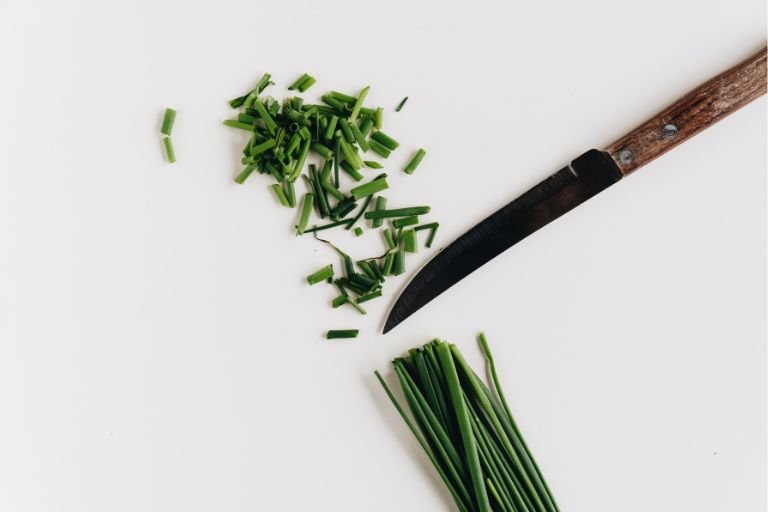
Chives are a flavorful herb commonly used in various dishes for their mild onion-like taste and vibrant green appearance. While chives are a popular culinary ingredient, their impact on individuals with acid reflux is often questioned. Are chives acidic, and can they worsen acid reflux symptoms? This article delves into the acidity of chives, their nutritional profile, and how to incorporate them into a reflux-friendly diet.
Whether you love chives as a garnish or a key ingredient, read on to find out how they affect acid reflux and how you can enjoy them without discomfort.
Are Chives Acidic or Alkaline?
1. The pH Level of Chives
Chives are mildly acidic, with a pH level ranging between 5.5 and 6.0. Although they fall on the acidic side of the pH scale, they are not as acidic as citrus fruits or tomatoes.
2. How Chives Compare to Other Herbs
Research suggest that chives are less acidic than some other herbs and seasonings, such as garlic or onions. This makes them a milder option for individuals who are sensitive to acidic foods.
3. Chives’ Impact on Digestion
While their acidity is minimal, chives belong to the allium family, which includes onions and garlic. Foods in this category can sometimes cause mild irritation to the stomach lining in sensitive individuals.
Chives and Acid Reflux: Safe or Risky?
The safety of consuming chives when dealing with acid reflux largely depends on individual tolerance and preparation methods. Here’s what you need to know:
1. Potential Benefits of Chives for Acid Reflux
- Low in Fat: Chives contain negligible fat, making them a lighter option compared to fatty foods that are known to trigger reflux.
- Rich in Antioxidants: Chives are packed with antioxidants like vitamin C and quercetin, which can help reduce inflammation in the digestive tract.
- Small Portion Usage: Chives are often used as a garnish or in small amounts, reducing the likelihood of causing digestive distress.
2. Potential Risks of Chives for Acid Reflux
- Allium Sensitivity: Some individuals with acid reflux find that members of the allium family (e.g., garlic, onions) exacerbate symptoms, even in small quantities.
- Raw Chives: Raw chives may be harder to digest for some people, leading to mild bloating or gas, which can indirectly trigger reflux symptoms.
Author Tip: Are Onions Acidic or Basic?
3. Are Chives a Trigger Food?
Unlike highly acidic or spicy foods, chives are not considered a common trigger for acid reflux. However, individual sensitivities vary, so it’s best to consume chives in moderation to gauge their effect on your body.
Nutritional Profile of Chives and Their Benefits for Digestive Health
Chives are not just a flavorful herb; they also pack a nutritional punch. Here’s what makes them a healthy addition to your diet:
1. Low-Calorie Herb
Chives are incredibly low in calories, with only about 4 calories per tablespoon. This makes them a guilt-free addition to any meal.
2. Rich in Vitamins and Minerals
- Vitamin K: Supports healthy digestion and aids in blood clotting.
- Vitamin C: Helps repair tissue damage in the esophagus caused by acid reflux.
- Folate: Aids in overall digestive health and reduces the risk of inflammation.
3. High in Antioxidants
Chives contain antioxidants like quercetin and sulfur compounds, which have anti-inflammatory properties that may benefit individuals with acid reflux by soothing irritation in the esophagus.
4. Contains Fiber
The small amount of dietary fiber in chives can aid digestion and reduce constipation, which may alleviate pressure on the lower esophageal sphincter (LES).
How to Use Chives in a Reflux-Friendly Diet?
To enjoy chives without triggering acid reflux, consider the following preparation and serving tips:
1. Opt for Cooked Chives Over Raw
Cooking chives can make them easier to digest and reduce the risk of triggering acid reflux symptoms. Lightly sautéing or incorporating them into soups and stews is a great way to enjoy their flavor.
2. Use in Small Quantities
Since chives are often used as a garnish or flavor enhancer, the small portion sizes make them less likely to cause discomfort.
3. Pair with Alkaline Foods
Combine chives with alkaline or neutral foods to balance their mild acidity. Examples include:
- Mashed potatoes
- Quinoa
- Grilled chicken or fish
4. Avoid Spicy or Acidic Pairings
Skip spicy seasonings or acidic accompaniments like vinegar or lemon juice when using chives. Opt for milder flavorings like olive oil or yogurt-based dressings.
Reflux-Friendly Recipes Featuring Chives
1. Chive and Sweet Potato Mash
- Ingredients: Boiled sweet potatoes, chopped chives, olive oil, salt, and pepper.
- Instructions: Mash the boiled sweet potatoes, mix in olive oil and chopped chives, and season with salt and pepper for a reflux-friendly side dish.
2. Creamy Chive Dip (Lemon-Free)
- Ingredients: Greek yogurt, chopped chives, garlic powder (optional), and salt.
- Instructions: Mix all ingredients in a bowl for a reflux-friendly dip to pair with raw veggies or whole-grain crackers.
3. Chive-Infused Vegetable Soup
- Ingredients: Chopped chives, vegetable broth, carrots, zucchini, and spinach.
- Instructions: Add all ingredients to a pot and simmer until the vegetables are tender. Serve warm with a sprinkle of fresh chives on top.
Author Tip: 7 Kinds of Foods to Avoid with GERD
FAQs About Chives and Acid Reflux
1. Are chives acidic?
Yes, chives are mildly acidic, with a pH level between 5.5 and 6.0.
2. Do chives trigger acid reflux?
Chives are not a common trigger for acid reflux, but they may cause discomfort for individuals who are sensitive to allium vegetables.
3. Are raw chives safe for acid reflux?
Raw chives may be harder to digest and could potentially lead to bloating or gas, which can exacerbate reflux symptoms. Cooking chives is a safer option.
4. How can I use chives in a reflux-friendly way?
Use chives in small quantities, cook them to enhance digestibility, and pair them with alkaline foods like quinoa or sweet potatoes.
5. Are chives healthier than onions for acid reflux?
Yes, chives are milder and less likely to trigger reflux compared to onions, which are more acidic and pungent.
Conclusion
Chives are a mildly acidic herb that can be safely enjoyed by most individuals with acid reflux when consumed in moderation. Their low calorie count, high antioxidant content, and versatility in cooking make them a great addition to a reflux-friendly diet. By opting for cooked chives, avoiding acidic or spicy pairings, and incorporating them into balanced meals, you can enjoy their flavor without discomfort.
If you’re managing acid reflux and looking for more dietary tips, explore our other articles for advice on maintaining a healthy and comfortable diet. Feel free to share this guide with others who may find it helpful!
Related Posts



Subscribe for New Racipies
Get mental health tips, updates, and resources delivered to your inbox.
Pepe’s Cafe Key Lime Pie


Until Chris met me, he had never eaten a cherry tomato. Astounded upon learning this fact, I felt the need to remedy it immediately–he didn’t know what he was missing out on!—so I took him to the nearest Safeway where we bought a little prepackaged bagful. When we got back, I insisted he eat one straight away, right out of the package. I didn’t think one unwashed tomato would kill him, and I was sure he would fall in love straight away. Instead, he got food poisoning.
He has since let this incident go, which I think is very gracious of him considering the fact that I continue to guilt him into eating foods he has no interest in trying. I guess I have this underlying belief that I know better than him, at least in matters of the palate. That my refined tastebuds trump his any old day, that his will become elevated through my influence. Bombastic, sure, but we’re talking about a guy who didn’t eat his first cherry tomato until he was in college. Enough said, right?

I think I’ve mentioned that I dislike citrus-flavored baked goods, right? Besides this (like I said, Meyer lemons are in a league of their own), I’ve never met a citrus-y dessert that didn’t taste like a cough drop.
But last week, a bag of key limes fell in my lap, and I took it as a sign that it was finally time to tackle a classic that I’d never before tried: key lime pie. If you’d seen the limes, you, too, might have wanted to do something with them right away. They are so cute! Like toy dog versions of regular limes, except I know a lot of you don’t like toy dogs, and I normally can’t stand them either except I watched Seven Psychopaths recently and Bonny the shih tzu stole my heart.
I knew I was taking a major risk, but sometimes denial gets the better of me. After all, isn’t key lime pie a thing? Aren’t people fanatical about it? Maybe there was something more amazing than amazing about it that would sway my food prejudices.
Chris, on the other hand, took the realistic approach. “Don’t make it. You won’t like it, and I don’t want you to force it on me.”
I plowed ahead anyway. An afternoon later, the pie was ready.
I took it out of the fridge. It looked lemon-y. I smelled it. It smelled lemon-y. I started feeling uneasy.
In the end, with great hesitation, I ate a slice. It was… disappointingly citrus-y, tasting like every other citrus dessert I’ve ever eaten. But then, the flavor sort of, I don’t know, mellowed out, and distinguished itself. The lime emerged, cool, invigorating. It went fantastically with the graham cracker crust, a pairing that legitimized its taste. With whipped cream for the finishing touch, the whole experience was luscious but understated. The sugary-tart foretaste never diminished, unfortunately, but for a lot of you, that’s a good thing.
Chris’s turn. I showed him a bite to try, and his face twisted into simultaneous disgust, fear, and suspicion. It’s so hard to get one past him these days, I tell you! But he relented, and took a tentative bite.
“Do you like it?” I asked. “It’s not bad, right?”
“I don’t like it,” he said. And that was that.
In the end, even in the face of Chris’s rejection, I ate way more slices than I care to admit. I’m pretty sure you’d call that a breakthrough!

PEPE’S CAFE KEY LIME PIE
Adapted from Epicurious
Makes one 9-inch pie
Another reason I wanted to make this pie was because of this article. It’s fascinating! I love food history! Also, in case you’re wondering, Pepe’s Cafe is a cafe in the Florida Keys, quite an establishment I take it, that serves a very classic version of this pie. It’s always good to start with the classics.
Ingredients:
1-1/2 cups graham cracker crumbs
1/4 cup sugar
3/4 tsp ground cinnamon
1/4 tsp ground cardamom
5 tablespoons unsalted butter, melted
2 large egg whites
4 large egg yolks
1 (14-ounce) can sweetened condensed milk
1/2 cup Key lime juice (I must’ve squeezed 20 of these suckers)
Whipped cream to serve
Directions:
Preheat oven to 350 degrees F.
Make the graham cracker crust: Combine the graham cracker crumbs, sugar, cinnamon, and cardamom in a medium bowl. Stir in the melted butter until well-combined. Press the mixture evenly in a 9-inch pie tin. Bake for about 10 minutes, until golden brown. Let cool and set aside.
Make the filling: In the bowl of a stand mixer with the whisk attachment, beat the egg whites until stiff peaks form. In a large mixing bowl, whisk together the yolks and condensed milk. Add the lime juice and whisk until combined. Gently fold in about half of the whipped egg whites, then fold in the other half, stirring until just evenly combined.
Pour the mixture into the graham cracker crust and bake until set, about 20 minutes. Remove from oven, cool, then let cool further in the fridge for about 2 hours.
Serve with whipped cream if desired (whip together about 1 cup heavy cream, a few Tbsp powdered sugar, and a dribble of vanilla extract).
Related Posts





Subscribe for New Racipies
Get mental health tips, updates, and resources delivered to your inbox.