
Is Dandelion Root Tea Acidic? Dandelion Root Tea and Acid Reflux

Medically reviewed by Aneeza Pervez Updated Date: January 2, 2026
Introduction to Dandelion Root Tea and Digestive Health
Dandelion root tea, made from the roasted roots of the dandelion plant, has been used for centuries as a natural remedy for various health concerns. Known for its earthy flavor and detoxifying properties, it is often consumed to support liver function, digestion, and overall wellness. But for individuals with acid reflux or GERD (gastroesophageal reflux disease), the acidity of dandelion root tea and its effects on digestion become important considerations.
This article explores whether dandelion root tea is acidic, its impact on acid reflux, and how to include it in a reflux-friendly lifestyle.
Nutritional and Therapeutic Properties of Dandelion Root Tea
Dandelion root tea is rich in vitamins, minerals, and beneficial compounds that support overall health. A typical cup of dandelion root tea offers:
- Antioxidants: Includes beta-carotene and polyphenols that combat oxidative stress.
- Vitamin A and C: Promotes skin health and immunity.
- Minerals: Rich in potassium, magnesium, and calcium, which support heart health and muscle function.
- Inulin: A type of prebiotic fiber that promotes gut health by feeding beneficial bacteria.
Additionally, dandelion root tea is caffeine-free, making it a calming beverage suitable for evenings or relaxation.
Is Dandelion Root Tea Acidic or Alkaline?
Acidity of Dandelion Root Tea
Dandelion root tea is mildly acidic, with a pH level ranging from 6.0 to 6.5. While it is not as acidic as coffee or black tea, its slight acidity can vary depending on how the tea is prepared and consumed.
Why It’s Considered Digestive-Friendly?
Despite its mild acidity, dandelion root tea is known for its soothing effects on the digestive system:
- Promotes Bile Production: Helps improve fat digestion and reduces bloating.
- Anti-Inflammatory Properties: Reduces inflammation in the stomach lining, which can help alleviate acid reflux symptoms.
- Natural Diuretic: Encourages detoxification by flushing out excess water and toxins.
Related to Read: Is Tea Acidic? 5 Non-acidic Alkaline Tea for You!
Dandelion Root Tea and Acid Reflux
Does Dandelion Root Tea Trigger Acid Reflux?
For most people, dandelion root tea is not a common trigger for acid reflux. Its mild acidity is generally well-tolerated, and its digestive benefits may even help prevent or alleviate reflux symptoms in some cases. However, as with any food or beverage, individual reactions may vary.
Potential Benefits for Acid Reflux
- Supports Stomach Health: The inulin in dandelion root tea supports gut bacteria, which plays a role in reducing reflux symptoms.
- Aids in Digestion: By promoting bile flow, the tea helps break down fats more effectively, which can prevent stomach discomfort and reflux.
- Anti-Bloating Effects: Its diuretic properties can reduce bloating, a common contributor to acid reflux.
Possible Concerns
- Overconsumption: Drinking excessive amounts of dandelion root tea may lead to increased stomach acid production in some individuals, potentially worsening reflux symptoms.
- Individual Sensitivities: People with sensitive stomachs may experience mild irritation, especially if the tea is consumed on an empty stomach.
Related to Read: Is Chamomile Tea Acidic?
How to Safely Consume Dandelion Root Tea for Acid Reflux?
To enjoy the benefits of dandelion root tea without triggering acid reflux, consider these tips:
Drink in Moderation
Stick to 1–2 cups per day to prevent overloading your stomach with fluids and to reduce the risk of triggering reflux symptoms.
Pair with Food
Drinking dandelion root tea with a meal or snack can help buffer its acidity and make it gentler on the stomach.
Choose Organic, High-Quality Tea
Opt for organic dandelion root tea without added flavors or sweeteners, as these additives can irritate the stomach lining.
Avoid Drinking Before Bed
Consuming any beverage close to bedtime can increase the risk of nighttime reflux. Aim to finish your tea at least 2–3 hours before lying down.
Author Tip: 7 Kinds of Foods to Avoid with GERD
Health Benefits of Dandelion Root Tea Beyond Acid Reflux
Dandelion root tea is more than just a digestive aid. Here are some additional health benefits:
- Supports Liver Health: Promotes detoxification by enhancing liver function.
- Improves Skin Health: The antioxidants in dandelion root tea help combat inflammation and improve skin clarity.
- Regulates Blood Sugar: Some studies suggest dandelion root tea may help stabilize blood sugar levels.
- Promotes Heart Health: The potassium content helps regulate blood pressure and improve cardiovascular health.
Dandelion Root Tea Recipes for Digestive Comfort
Simple Dandelion Root Tea
- Ingredients: 1 teaspoon roasted dandelion root, 1 cup hot water.
- Preparation: Steep the dandelion root in hot water for 5–10 minutes. Strain and enjoy warm.
Soothing Dandelion Root and Ginger Tea
- Ingredients: 1 teaspoon dandelion root, 1 slice fresh ginger, 1 cup hot water.
- Preparation: Add both ingredients to hot water and steep for 10 minutes. Strain and serve for added digestive support.
Dandelion Root Tea Latte
- Ingredients: Brewed dandelion root tea, 1/4 cup almond milk, a dash of cinnamon.
- Preparation: Heat almond milk and froth if desired. Combine with brewed tea and top with cinnamon for a reflux-friendly latte alternative.
Tips for Managing Acid Reflux
In addition to incorporating dandelion root tea into your routine, consider these lifestyle tips for managing acid reflux effectively:
- Eat Smaller, More Frequent Meals: Large meals can put pressure on the stomach and exacerbate reflux.
- Avoid Known Trigger Foods: Spicy, fatty, or highly acidic foods like citrus and tomatoes should be limited.
- Stay Upright After Eating: Wait at least 2–3 hours before lying down to prevent acid backflow.
- Elevate Your Bed: Use a wedge pillow or elevate the head of your bed to reduce nighttime reflux.
- Hydrate Properly: Drink water throughout the day, but avoid large sips during meals to minimize bloating.
Author Tip: 7-Day Meal Plan For Gastritis
Conclusion
Dandelion root tea is a mildly acidic beverage that offers numerous health benefits, including support for digestion, liver detoxification, and inflammation reduction. For individuals with acid reflux, it can be a gentle and beneficial addition to their diet when consumed in moderation and paired with reflux-friendly practices. However, as individual responses may vary, it’s important to listen to your body and adjust your intake accordingly.
FAQs
Is dandelion root tea acidic or alkaline?
Dandelion root tea is mildly acidic, with a pH range of 6.0 to 6.5.
Can dandelion root tea trigger acid reflux?
For most people, dandelion root tea is not a common reflux trigger. However, overconsumption or individual sensitivities may lead to mild irritation.
How much dandelion root tea can I drink with GERD?
Stick to 1–2 cups per day to avoid potential digestive discomfort.
Can dandelion root tea be included in a low-acid diet?
Yes, its mild acidity and digestive benefits make it suitable for a low-acid diet when consumed in moderation.
What are the best ways to prepare dandelion root tea for acid reflux?
Drink it warm, in moderation, and pair it with meals to reduce its acidity’s impact on the stomach.
Related Posts



Subscribe for New Racipies
Get mental health tips, updates, and resources delivered to your inbox.
Are Soups Healthy For You? 5 Surprising Benefits of Soup

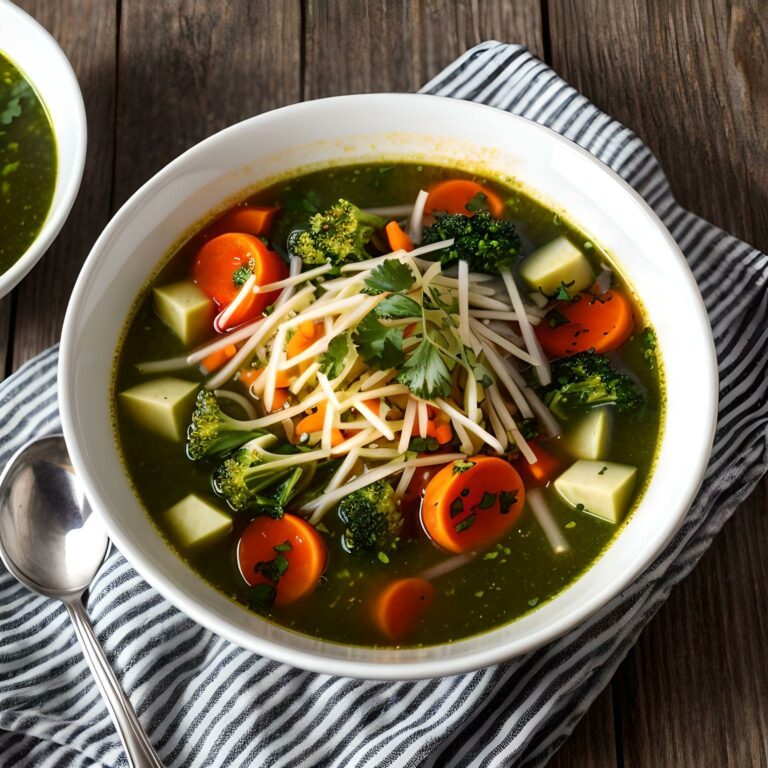
Do you know what winter bliss is? – a warm bowl of thick, brothy, flavorful soup.
Soup indeed makes a great meal, but it’s also one of the healthiest foods you can eat. We crave soup when feeling sick or shivering in chilly winter. But do you know it is also good for your health even when you aren’t feeling under the weather?
If you’re asking are soup healthy – here’s your answer.
Soup is an excellent part of a healthy diet, as long as you dine one that isn’t loaded with sodium and fat. It’s packed with vitamins, minerals, nutrients, and antioxidants, offering multiple benefits for your health. It helps keep you full longer, manages your weight, and boosts your immune system.
Find out why soup may be the perfect healthy meal option to make every day with these 5 surprising benefits of soup!
Are Soups Healthy?
Soup is a great way to get nutrients and fiber into your diet, but do you know all the health benefits of soup? Not only can it boost your immune system, but it also contains antioxidants, vitamins, and minerals that help with digestion and overall health.

Below, we take a look at the top five benefits of soup, so you can see why this hearty food deserves its spot on your table at least once a week!
Bloating And Indigestion Reliever
Soup can actually help your body out when it’s having trouble digesting food. The warm liquid helps break down food and makes it easier for your stomach to move things along. Soup can also help relieve bloating by getting rid of trapped gas.
Hunger Dealer
If you’re trying to lose weight or eat healthier, soup can be a great tool to help you control your hunger. As mentioned earlier, soups are generally low in calories and high in water content – so they leave you feeling full and satisfied without adding many extra calories.
Great For The Gut
Soup has many health benefits, but one of the most surprising is its positive effect on gut health. Studies have shown that soup can help improve gut motility and increase the number of good bacteria in the gut. The fiber content in the soup also helps with a healthy weight and blood sugar levels.
Illness Fighter
Sipping on a warm bowl of broth can help fight off illness. The steam from the hot soup helps clear congestion, and the heat soothes a sore throat.
Broths of soup made from meat or veggies also contain electrolytes that are lost during bouts of vomiting or diarrhea, which helps replace them as they are depleted. However, checking with your doctor before introducing any new foods into your diet is essential.
Hydration Booster
Soup is an excellent source of hydration. In fact, one cup of brothy soup provides roughly 20% of your daily recommended water intake. So not only does it contain all the benefits mentioned above, but soup can also help you stay hydrated!
5 Healthy Soup Options for Health Benefits
It’s wintertime, and it seems like all we hear about are soups – gourmet soups, chocolate soups, potato soups, tomato soups, lentil soups – the list goes on and on.

Now, among the many options, which soups can benefit you more? Let’s look at some of the healthiest soup options to sip on.
Low Sodium Soups
Low-sodium soups are not only good for your heart health, but they can also help with weight loss and maintaining healthy blood pressure. Be sure to keep an eye on the labels of soup when you’re grocery shopping to see what the sodium levels are.
Vegetable Soups
Heart disease is the leading cause of death in the United States, but there are things you can do to lower your risk. A healthy diet is one key factor, and studies have shown that eating vegetable-infused soup is highly beneficial. Moreover, a hot bowl of soup with multiple vegetables fills your veggie quota perfectly.
One study found that those who ate soup daily had a lower risk of heart attack than those who didn’t eat it at all. Besides, other research has found that people who eat soup regularly tend to weigh less than those who don’t.
In addition, soup may also be good for regulating blood sugar levels.
Tomato Soups
Tomato soups are great sources of lycopene, an antioxidant linked to a reduced risk of heart disease and cancer.
For example, in one study, it was found that people who ate tomato soup regularly had 15% less LDL cholesterol (bad cholesterol) than those who didn’t.
Another study found that eating just 1 cup of tomato soup every day can reduce prostate cancer risk by 12%.
Bone Broth Soups
When it comes to soups, bone broth varieties are especially good for you. That’s because they’re packed with nutrients like collagen, which is great for your skin, hair, and nails. It also helps heal the gut lining and can help with inflammation issues.
Not to mention that bone broth is a rich source of minerals, such as calcium, magnesium, phosphorus, silicon, and sulfur. It supports your healthy joints.
Lentil Soup
Lentil soup is not only delicious, but it’s also packed with high protein, nutrients and antioxidants that can have impressive health benefits. For example, lentil soup can help boost heart health, improve digestion, and stabilize blood sugar levels.
Unhealthy Soup Options
When it comes to health benefits, not all soups are created equal. While homemade soup is always the best option, some store-bought varieties can also be nutritious and delicious.
Be Wary Of Fatty Soups
Some pre-packaged soups contain fatty ingredients to make them tastier. Ingredients such as heavy cream, butter, full-fat milk or cornstarch are used to thicken the texture and add flavor.
Be wary of such soups because they are high in fat and calories, which can negate any potential health benefits. If you’re interested in the health benefits of soup, opt for broth-based soups or healthy additions like vegetables and legumes.
However, if you still wish to thicken the texture yet add some nutritional benefits to your soup, ditch the pre-soup mix and add your own low-fat yogurt, mashed chickpeas, etc., to get maximum benefits without adding fat.
Sodium-rich Canned Soups
While canned soups are quick and easy, they’re not the best choice if you’re looking for a healthy meal. Most canned soups are high in sodium, increasing blood pressure and water retention. They also tend to be high in calories and fat, which is often difficult for people who are trying to lose weight.
Even if you are not trying to lose weight, you should avoid consuming too much-canned soup. In the long run, it may lead to several diseases.
Try eating healthy and making soups at home so that you can control the sodium in them.
FAQs
Is Chicken Soup Healthy?
Yes, chicken soup is healthy! It’s packed with nutrients like protein, vitamins, and minerals. According to some studies, it can help relieve cold symptoms, improve joint function, and boost your immune system to fight against many diseases, including the common cold and flu.
Chicken broth is also good for managing weight. For example, take Swanson’s Chicken Noodle Soup. Made with wholesome ingredients like chicken broth, whole wheat egg noodles, carrots, and celery (all of which contain vitamin C), this soup packs a punch in terms of nutritional value.
Is Canned Soup Healthy?
While canned soups are easy to make, it is not as healthy as fresh homemade soup. During the processing, a substantial amount of vitamins and minerals are removed from the canned soups, leaving them with little to no beneficial nutrients. Moreover, canned soups are loaded with sodium because a lot of salt is required for preservation.
Is Vegetable Soup Good For Weight Loss?
While soup’s health benefits don’t compare to fresh fruits and vegetables, they can provide some much-needed nutrients that your body might be missing out on otherwise. You can make fresh vegetable soup to maintain a healthy weight by substituting it with your heavy meals.
However, to lose weight, consuming only vegetable soup won’t help; you need to watch out for your other meals and avoid consuming fatty calorie-rich foods.
Is Soup Healthy For Dinner?
Soup is packed with nutrients, and depending on the ingredients, it can provide a variety of health benefits. Therefore, it can be a healthy meal for dinner if you prepare it at home since you know what ingredients are in the recipe.
Final Thought
Not only is soup a filling and satisfying meal, but it can also be good for your health.
A common misconception about soup is that it’s fattening because it contains a lot of broth or oil. While some versions may be high in calories, most soups are naturally low in fat and calories.
So if you still inquire – are soups healthy – trust me; they are – a nutrient-packed blessing in liquid.
Related Posts






Subscribe for New Racipies
Get mental health tips, updates, and resources delivered to your inbox.