
Is Fennel Acidic? Fennel’s Role in Acid Reflux and Digestive Health

Medically reviewed by Aneeza Pervez Updated Date: January 2, 2026
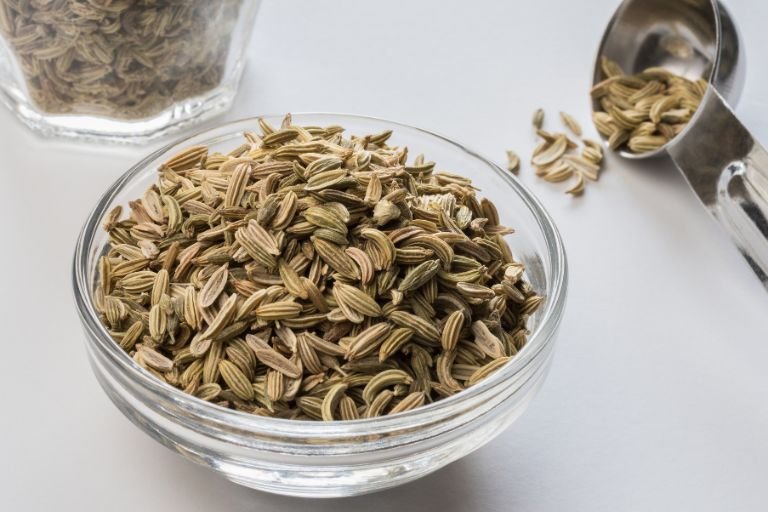
Fennel is a unique vegetable that has been used in cooking and medicine for centuries. Known for its slightly sweet and licorice-like flavor, fennel is loved for its versatility and numerous health benefits. But did you know that it also plays a significant role in managing digestive health, particularly for those suffering from acid reflux?
Understanding whether fennel is acidic or alkaline is essential for anyone looking to maintain a balanced diet. The pH of your food can impact digestion, inflammation, and even long-term health. Acid reflux sufferers, in particular, are often advised to focus on low-acid or alkaline foods to help control their symptoms.
In this article, we will explore whether fennel is acidic or alkaline and delve into how it can benefit your digestive system. We’ll also look at the best ways to incorporate fennel into a low-acid diet. Whether you’re dealing with acid reflux or just want to improve your digestion, fennel could be the answer you’re looking for.
What Is Fennel and Its Role in Digestion?
Fennel (Foeniculum vulgare) is a flowering plant in the carrot family. Its bulb, seeds, and fronds are all used in cooking and traditional medicine. Known for its slightly sweet, licorice-like flavor, fennel is packed with nutrients.
Nutritional Profile of Fennel
- Rich in Fiber: Fennel aids digestion and prevents constipation.
- Antioxidants: It contains vitamins A, C, and E, which combat oxidative stress.
- Essential Minerals: Fennel provides potassium, magnesium, and calcium for overall health.
Digestive Benefits of Fennel
Research proves that fennel has long been used to soothe the digestive system. It relaxes the stomach muscles, reducing bloating and gas. Its high fiber content promotes healthy bowel movements, while its essential oils stimulate the production of digestive enzymes.
Fennel is a go-to remedy for indigestion, stomach cramps, and flatulence. These properties make it particularly helpful for individuals with gastrointestinal discomfort.
Is Fennel Acidic or Alkaline?
Fennel is classified as an alkaline food. Its pH level is around 6.5-7.0, which is close to neutral. Unlike acidic foods, fennel does not aggravate acid reflux. Instead, it helps neutralize stomach acids and supports a balanced pH in the digestive system.
Why Is Alkalinity Important?
Alkaline foods like fennel counteract the effects of acidic foods. Consuming more alkaline foods can help reduce heartburn, acid reflux, and inflammation. Fennel’s alkalinity, combined with its anti-inflammatory properties, makes it a valuable addition to a low-acid diet.
Fennel pH Level and How It Affects Acid Reflux
Fennel’s pH level falls within the alkaline range, making it a soothing choice for acid reflux sufferers. Its natural compounds can reduce the production of stomach acid, alleviating symptoms like heartburn and regurgitation.
How Fennel Eases Acid Reflux Symptoms
- Neutralizes Acid: Fennel’s alkalinity neutralizes excess stomach acid.
- Relaxes the Esophagus: Its antispasmodic properties reduce the likelihood of acid reflux episodes.
- Aids Digestion: Improved digestion minimizes pressure on the lower esophageal sphincter, which can prevent acid reflux.
Regular consumption of fennel can provide long-term relief from acid reflux symptoms. It’s especially effective when combined with other low-acid foods.
Health Benefits of Fennel Beyond pH Levels
Fennel offers more than just pH balance. Its wide-ranging health benefits make it a powerhouse vegetable.
1. Supports Heart Health
Fennel is high in potassium, which helps regulate blood pressure. Its antioxidants reduce cholesterol levels, supporting cardiovascular health.
2. Boosts Immunity
With its high vitamin C content, fennel strengthens the immune system. It protects the body against infections and promotes faster recovery from illnesses.
3. Improves Hormonal Balance
Fennel contains phytoestrogens, plant compounds that mimic estrogen. This can help manage symptoms of menopause and improve menstrual health.
4. Promotes Weight Loss
Low in calories and high in fiber, fennel is ideal for weight management. It keeps you feeling full and supports healthy digestion.
5. Anti-Inflammatory Effects
Fennel’s compounds reduce inflammation throughout the body. This can benefit individuals with arthritis or other inflammatory conditions.
How to Incorporate Fennel into a Low-Acid Diet
Adding fennel to your diet is easy. Its versatility makes it suitable for various recipes. Here are some simple ways to enjoy fennel while managing acid reflux.
1. Fennel Tea
Fennel tea is a soothing remedy for acid reflux. Here’s how to make it:
- Ingredients: 1 teaspoon fennel seeds, 1 cup boiling water.
- Steps:
- Crush the fennel seeds.
- Steep them in boiling water for 10 minutes.
- Strain and enjoy warm.
2. Fennel Salad
Raw fennel adds a refreshing crunch to salads. Pair it with alkaline vegetables like spinach or cucumber for a reflux-friendly meal.
3. Roasted Fennel
Roasting fennel enhances its natural sweetness. Use olive oil and herbs for a flavorful side dish.
4. Fennel Soup
Include fennel in vegetable soups for a comforting, low-acid meal.
5. Fennel in Smoothies
Blend raw fennel with bananas and almond milk for an alkaline-friendly smoothie.
pH Levels of Fennel Compared to Other Vegetables
| Vegetable | pH Level | Classification |
| Fennel | 6.5-7.0 | Alkaline |
| Spinach | 7.0-7.5 | Alkaline |
| Broccoli | 6.5-7.0 | Alkaline |
| Tomatoes | 4.0-4.5 | Acidic |
| Potatoes | 5.5-6.0 | Slightly Acidic |
Acidic vs. Alkaline Food Chart
| Category | Acidic Foods | Alkaline Foods |
| Fruits | Citrus, Pineapple | Bananas, Melons |
| Vegetables | Tomatoes, Peppers | Fennel, Spinach |
| Grains | Wheat, Rice | Quinoa, Millet |
| Dairy | Cheese, Yogurt | Almond Milk |
Author Tip: 7 Kinds of Foods to Avoid with GERD
FAQs on Fennel and Acidity
1. Is fennel acidic or alkaline?
Fennel is classified as an alkaline food. Its pH level ranges between 6.5 and 7.0, making it a neutralizing choice for individuals managing acid reflux or looking to balance their dietary pH levels.
2. Does fennel help reduce acid reflux symptoms?
Yes, fennel is known to soothe the digestive tract. Its alkalinity helps neutralize stomach acids, while its antispasmodic properties relax the muscles of the gastrointestinal tract. This combination can effectively alleviate symptoms of acid reflux, such as heartburn and indigestion.
3. How often should you consume fennel for digestive health?
To reap fennel’s digestive benefits, it is recommended to consume it 2-3 times a week. Whether you include it as a raw snack, in a salad, or as a tea, fennel can promote a healthier digestive system and reduce symptoms like bloating or acid reflux.
4. Can fennel be consumed by individuals with severe acid reflux?
Fennel is generally well-tolerated by most individuals, including those with severe acid reflux. However, responses can vary. If symptoms persist after consuming fennel, consult a healthcare provider to rule out any underlying conditions or sensitivities.
5. Is fennel tea better than raw fennel for acid reflux?
Both fennel tea and raw fennel are effective for acid reflux. Fennel tea offers a more concentrated form of its soothing compounds and is easier to digest, making it ideal for those experiencing acute symptoms. Raw fennel, on the other hand, provides additional fiber, which can aid long-term digestive health.
6. Are there any side effects of consuming fennel?
Fennel is safe for most people, but excessive consumption may cause mild side effects like nausea or allergic reactions in sensitive individuals. As fennel contains phytoestrogens, individuals with hormone-sensitive conditions should consult their doctor before consuming it in large amounts.
7. Can fennel replace medications for acid reflux?
While fennel is a natural remedy that can reduce acid reflux symptoms, it should not replace prescribed medications for severe conditions. Always consult with a healthcare provider for personalized treatment recommendations.
Conclusion
Fennel is not only delicious but also a powerful tool for digestive health. Its alkaline nature makes it a great choice for those managing acid reflux, as it helps neutralize stomach acids and ease symptoms like heartburn. Beyond its pH, fennel offers a wealth of health benefits, from supporting heart health to improving hormonal balance and boosting immunity.
Including fennel in your meals is easy and versatile. You can enjoy it raw in salads, roasted as a side dish, or brewed into a soothing tea. For those looking to balance their diet and improve their digestion, fennel is an excellent choice.
Take control of your digestive health by making fennel a regular part of your diet. Its soothing properties, combined with its nutritional richness, make it a must-have for anyone striving for a healthy and balanced lifestyle.
Related Posts



Subscribe for New Racipies
Get mental health tips, updates, and resources delivered to your inbox.
Is Spinach Acidic? Spinach and Acid Reflux

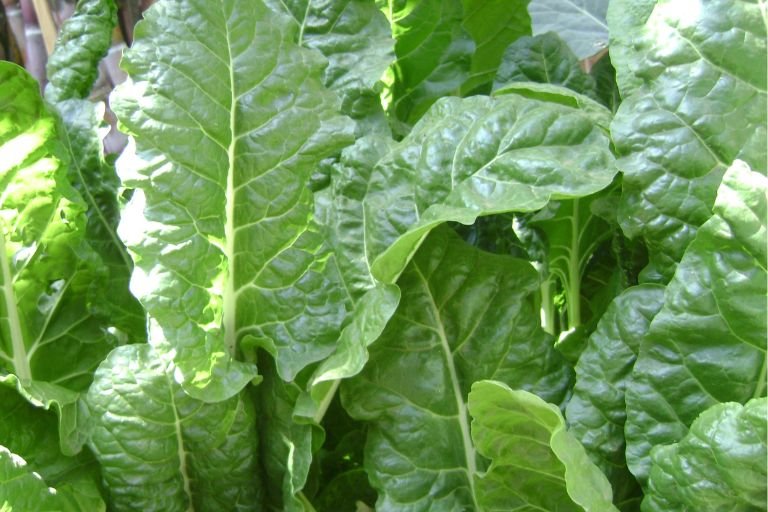
Spinach is often celebrated for its nutritional benefits, but for individuals with acid reflux, it’s important to consider how foods impact their condition. Acid reflux, or gastroesophageal reflux disease (GERD), occurs when stomach acid flows back into the esophagus, causing discomfort and irritation. Dietary choices play a critical role in managing this condition, as certain foods can either trigger or alleviate symptoms.
Among the many leafy greens available, spinach stands out for its versatility and nutrient profile. But how does it affect acid reflux? Is it a trigger food, or can it provide relief? In this article, we’ll explore the acidity of spinach, its effects on acid reflux, and practical tips for incorporating it into a reflux-friendly diet.
Is Spinach Acidic or Alkaline?
Spinach has a mildly acidic natural pH, ranging between 5.5 and 6.8. However, once digested, spinach has an alkaline effect on the body due to its high mineral content, including magnesium, calcium, and potassium. This makes it a favorable choice for people managing acid reflux.
Acidic vs. Alkaline Foods
Foods that leave an alkaline residue after digestion can neutralize stomach acid and reduce reflux symptoms. Spinach’s alkalizing properties make it one of the most recommended leafy greens for those dealing with gastroesophageal reflux disease (GERD).
Spinach and Acid Reflux: Benefits
1. Rich in Alkalizing Minerals
Spinach is packed with magnesium and potassium, which help neutralize stomach acid and soothe the digestive tract.
2. Low in Fat and Calories
Fatty foods are a common trigger for acid reflux because they relax the lower esophageal sphincter (LES). Spinach is naturally low in fat, making it a reflux-friendly option.
3. High in Fiber
Dietary fiber promotes healthy digestion and can help prevent constipation, a condition that can exacerbate acid reflux. One cup of cooked spinach contains approximately 4.3 grams of fiber.
4. Anti-Inflammatory Properties
Spinach contains compounds like beta-carotene and flavonoids, which have anti-inflammatory effects. This can help reduce esophageal irritation caused by acid reflux.
Related to Read: Are Baby Spinach Acidic?
Potential Concerns with Spinach
While spinach is generally safe and beneficial for acid reflux sufferers, some individuals may experience issues:
1. Oxalate Content
Spinach is high in oxalates, which can contribute to kidney stone formation in susceptible individuals. Oxalates do not directly cause acid reflux but may pose risks if consumed in excess.
2. Cooking Methods
How spinach is prepared can influence its effect on acid reflux. For example:
- Raw Spinach: Easier to digest for most people and retains its alkalizing properties.
- Creamed Spinach: Often prepared with dairy and butter, which are high in fat and can trigger acid reflux.
3. Portion Size
Overeating any food, including spinach, can lead to an overfilled stomach, increasing the likelihood of acid reflux. Moderation is key.
How to Include Spinach in an Acid Reflux-Friendly Diet?
To safely incorporate spinach into your diet, consider the following tips:
1. Pair with Alkaline Foods
Combine spinach with other alkaline foods like cucumbers, zucchini, or sweet potatoes for a balanced meal that reduces acidity.
2. Avoid Trigger Ingredients
Avoid adding high-fat dressings, cheese, or acidic condiments like vinegar to spinach dishes.
3. Steam Instead of Frying
Steamed spinach retains its nutrients and is gentle on the stomach. Avoid frying spinach in oil or butter to minimize reflux triggers.
4. Monitor Your Tolerance
Everyone’s tolerance levels differ. Start with small portions of spinach and observe how your body responds.
Author Tip: 7 Kinds of Foods to Avoid with GERD
Spinach-Based Recipes for Acid Reflux
1. Spinach and Quinoa Salad
Ingredients:
- 2 cups fresh spinach
- 1 cup cooked quinoa
- 1/2 cup diced cucumbers
- 1 tbsp olive oil
- A pinch of salt
Instructions: Combine all ingredients in a bowl. Toss with olive oil and enjoy a light, reflux-friendly meal.
2. Spinach and Sweet Potato Smoothie
Ingredients:
- 1 cup fresh spinach
- 1/2 cup cooked sweet potato
- 1 cup almond milk (unsweetened)
- 1 tsp honey (optional)
Instructions: Blend all ingredients until smooth. This nutrient-packed smoothie is soothing and easy to digest.
Author Tip: 7-Day Meal Plan For Gastritis
Scientific Evidence Supporting Spinach for Acid Reflux
Several studies support the inclusion of alkaline foods, including spinach, in managing acid reflux symptoms:
- Alkaline Diets and GERD Relief: A 2018 study in the World Journal of Gastroenterology highlighted the benefits of alkaline foods in reducing GERD symptoms by neutralizing stomach acid.
- Magnesium’s Role: Research published in The American Journal of Clinical Nutrition (2020) emphasized magnesium’s role in reducing acid production and promoting LES function.
- Fiber and Digestive Health: A 2017 study in Nutrients found that high-fiber diets improve digestion and reduce reflux risk.
Final Thoughts
Is spinach acidic? Technically, spinach has a mildly acidic pH, but its alkalizing effect in the body makes it a safe and beneficial choice for those managing acid reflux. By preparing spinach in healthy, low-fat ways and consuming it in moderation, you can enjoy its numerous health benefits without aggravating reflux symptoms.
If you’re unsure about adding spinach to your diet, consult a healthcare provider or dietitian for personalized advice. With mindful choices, spinach can be a delicious and reflux-friendly addition to your meals.
Related Posts
Subscribe for New Racipies
Get mental health tips, updates, and resources delivered to your inbox.