
Is Ricotta Acidic? Ricotta and Acid Reflux
Ricotta cheese is a soft, creamy, and versatile dairy product often enjoyed in both savory and sweet dishes. From classic Italian recipes like lasagna and ravioli to delectable desserts like cannoli, ricotta has carved its place in kitchens around the world. However, for individuals who experience acid reflux or gastroesophageal reflux disease (GERD), questions about which foods are safe to eat often arise. One common question is whether ricotta cheese is acidic and how it affects acid reflux symptoms.
Understanding the acidity of ricotta cheese and its impact on digestive health can help you make informed dietary decisions. In this article, we’ll dive deep into the science behind ricotta’s pH level, its nutritional profile, and practical tips on how to incorporate it into a reflux-friendly diet. Whether you’re looking for relief from heartburn or simply curious about ricotta’s place in a balanced diet, this guide has you covered.
What is Ricotta Cheese?
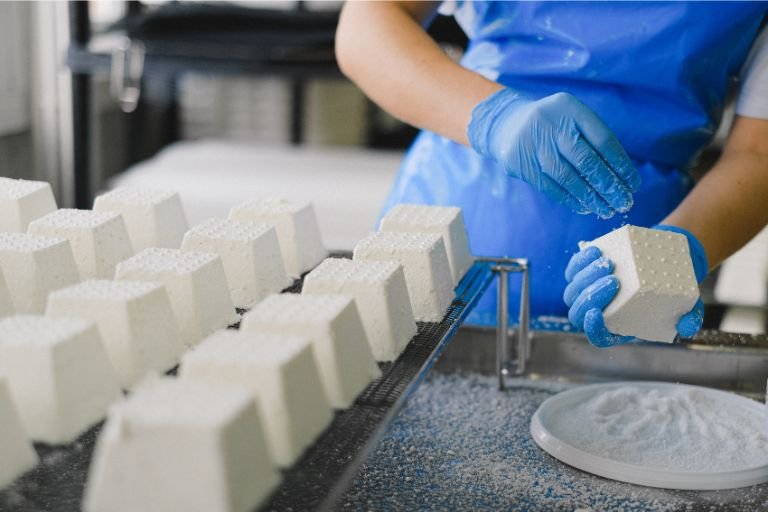
Ricotta is a fresh Italian cheese made from the whey leftover after producing other cheeses like mozzarella or provolone. The term “ricotta” means “re-cooked,” referring to the process of heating whey to create the soft, fluffy curds. Unlike aged cheeses, ricotta is consumed fresh, giving it a milder flavor and softer texture.
Nutritionally, ricotta is high in protein, calcium, and essential nutrients like riboflavin and vitamin A. However, its fat content can vary depending on whether you choose whole-milk, part-skim, or fat-free varieties.
Understanding its production process and nutritional composition helps us better assess whether ricotta is suitable for those dealing with acid reflux.
Is Ricotta Acidic?
When we talk about a food’s acidity, we refer to its pH level—a scale that ranges from 0 (highly acidic) to 14 (highly alkaline). Ricotta cheese has a pH level between 5.0 and 6.5, which makes it mildly acidic but closer to neutral compared to highly acidic foods like citrus fruits or vinegar.
How Ricotta Compares to Other Cheeses?
- Aged Cheeses: Cheddar, Parmesan, and blue cheese are significantly more acidic due to the fermentation process. They often have a pH of around 4.0 to 5.0.
- Fresh Cheeses: Ricotta and mozzarella are less acidic because they are fresh cheeses with minimal fermentation.
- Highly Alkaline Cheeses: Some goat cheeses or aged gouda can be slightly more alkaline, depending on their production.
Because ricotta is fresh and has minimal fermentation, it’s considered one of the least acidic cheeses, making it a potentially safer option for people managing acid reflux.
Related to Read: Is Cottage Cheese Good for Acid Reflux?
Ricotta Cheese and Acid Reflux
Acid reflux occurs when stomach acid flows back into the esophagus, causing discomfort, heartburn, and even regurgitation. For individuals with GERD, managing diet is key to reducing symptoms. Since certain foods can relax the lower esophageal sphincter (LES) or increase stomach acid production, it’s important to understand whether ricotta cheese triggers reflux.
Why Ricotta May Be Safe for Reflux Sufferers?
- Lower Acidity: Ricotta’s mildly acidic nature makes it less likely to irritate the esophagus compared to highly acidic or spicy foods.
- Low Fat Content: High-fat foods can relax the LES and worsen reflux. Opting for low-fat ricotta helps reduce this risk.
- Easily Digestible: Ricotta has a soft texture and gentle flavor, making it easy on the stomach, especially for those with digestive sensitivities.
Nutritional Benefits of Ricotta for Acid Reflux Sufferers
Aside from being reflux-friendly, ricotta cheese offers several health benefits:
- Rich in Protein: Ricotta is an excellent source of high-quality protein, which is important for muscle repair and overall health. Protein is also satiating, helping to prevent overeating—a common trigger for reflux.
- High in Calcium: A single serving of ricotta provides a significant portion of your daily calcium needs, supporting bone health and proper nerve function.
- Low Sodium Content: Excess sodium can irritate the stomach lining and exacerbate reflux. Ricotta is lower in sodium than many aged cheeses.
- Contains Probiotics: Some ricotta cheeses are enriched with probiotics, which can aid in digestion and improve gut health.
How to Incorporate Ricotta into a GERD-Friendly Diet?
Tips for Safe Consumption
- Opt for Low-Fat or Part-Skim Ricotta: Low-fat varieties reduce the risk of triggering reflux symptoms.
- Eat in Moderation: Even safe foods can cause reflux if consumed in large portions. Stick to small to moderate servings.
- Pair with Non-Acidic Foods: Combine ricotta with alkaline or neutral foods, like vegetables, whole grains, or lean proteins, to balance your meal.
- Avoid Trigger Ingredients: Refrain from pairing ricotta with acidic or spicy foods, such as marinara sauce, garlic, or chili flakes.
Acid Reflux-Friendly Ricotta Recipes
Here are some meal ideas that incorporate ricotta in a safe, delicious way for reflux sufferers:
- Vegetable Lasagna: Replace acidic tomato sauce with a creamy béchamel sauce and layer it with ricotta, zucchini, and spinach.
- Stuffed Bell Peppers: Mix ricotta with cooked quinoa and herbs, then stuff it into bell peppers for a hearty yet gentle meal.
- Ricotta Toast: Spread ricotta on whole-grain toast and top with sliced avocado or steamed spinach for a quick, reflux-friendly breakfast.
Foods to Avoid Pairing with Ricotta
While ricotta is relatively safe, combining it with certain foods may trigger reflux symptoms:
- Tomato-Based Sauces: These are highly acidic and can irritate the esophagus.
- Citrus Fruits: Lemons, oranges, and grapefruits are acidic and should be avoided.
- Fried Foods: Fatty and fried foods can relax the LES and worsen symptoms.
When to Avoid Ricotta Cheese?
Despite its mild nature, some individuals may still experience discomfort after consuming ricotta. This could be due to:
- Lactose Intolerance: Ricotta contains lactose, which can cause bloating, gas, or discomfort in sensitive individuals.
- High-Fat Varieties: Whole-milk ricotta can sometimes exacerbate reflux symptoms.
If you notice that ricotta worsens your reflux, it’s best to avoid it and seek alternatives like lactose-free ricotta or plant-based cheeses.
Scientific Insight: What Research Says
While there isn’t extensive research on ricotta cheese and acid reflux specifically, studies on dairy and GERD provide some insights:
- A study published in the Journal of Gastroenterology found that high-fat dairy products can exacerbate GERD symptoms due to their effect on the LES. Opting for low-fat varieties, like low-fat ricotta, may help mitigate this risk.
- Research in Gut and Liver suggests that incorporating probiotic-rich foods can help improve gut health and reduce GERD symptoms. Some ricotta varieties fortified with probiotics may offer additional benefits.
Conclusion
Ricotta cheese is mildly acidic, with a pH level closer to neutral than aged cheeses. Its low-fat content and creamy, easily digestible texture make it a reflux-friendly option for many people. Incorporating ricotta into your diet alongside non-acidic foods and consuming it in moderation can help you enjoy its nutritional benefits without triggering reflux symptoms.
However, individual tolerances vary, and it’s important to monitor your body’s reaction to ricotta. When in doubt, consult a healthcare provider or dietitian for personalized advice.
FAQs About Ricotta and Acid Reflux
- Is ricotta cheese bad for acid reflux?
No, ricotta is generally safe for acid reflux when consumed in moderation and paired with non-acidic foods. - What type of cheese is best for GERD?
Fresh, low-fat cheeses like ricotta, mozzarella, and cottage cheese are typically the best choices for GERD. - Can lactose-intolerant individuals eat ricotta?
Some ricotta brands offer lactose-free options, which are suitable for those with lactose intolerance. - Does cooking ricotta reduce its acidity?
Cooking ricotta does not significantly alter its acidity but can make it easier to digest when combined with reflux-friendly foods. - What are some alternatives to ricotta for acid reflux sufferers?
Lactose-free ricotta, plant-based ricotta, or other non-dairy cheeses like almond-based spreads can be good alternatives.
Related Posts


Subscribe for New Racipies
Get mental health tips, updates, and resources delivered to your inbox.
Caffeine Calculator: How Much Caffeine Are You Really Consuming?

Just last month, a 28-year-old software engineer named Marcus came into my clinic complaining of severe insomnia, heart palpitations, and crushing midday anxiety. He swore he was only having “two coffees a day.”
However, after mapping out his exact beverage choices, sizes, and brewing methods, we discovered his daily intake was exceeding 800 mg. He desperately needed a reliable caffeine calculator to understand the hidden stimulant load he was putting his central nervous system through every single day.
In today’s fast-paced world, beverages are stronger, larger, and more accessible than ever before. Understanding your exact chemical intake is no longer optional; it is a vital component of protecting your cardiovascular health and sleep architecture.
This comprehensive guide will help you decode your daily consumption, calculate your safe limits based on your unique biology, and finally take control of your metabolic energy.
What Is a Caffeine Calculator and Why Does It Matter
A caffeine calculator is an analytical tool used to track and measure your total daily intake of central nervous system stimulants. It goes beyond simply counting cups, factoring in the specific brew method, beverage size, and underlying concentration of your drinks.
For healthy adults, the FDA generally recommends a safe daily intake limit of 400 mg. However, people frequently overconsume unknowingly because they rely on arbitrary volume measurements like a “medium cup” rather than actual milligram counts.
Using a daily caffeine calculator helps you visualize your stimulant load, preventing the chronic overconsumption that leads to adrenal fatigue. Without knowing exactly how much caffeine you are ingesting, it is incredibly easy to accidentally double your recommended limit by lunchtime.
By actively utilizing a “how much caffeine” calculator, you can map your consumption against your body’s biological ability to metabolize it. This targeted approach is the cornerstone of responsible energy management.
Caffeine Calculator by Weight and Age
When treating patients in my clinic, I never use a one-size-fits-all approach to stimulants. Determining your safe daily limit requires a highly individualized caffeine calculator by weight and age.
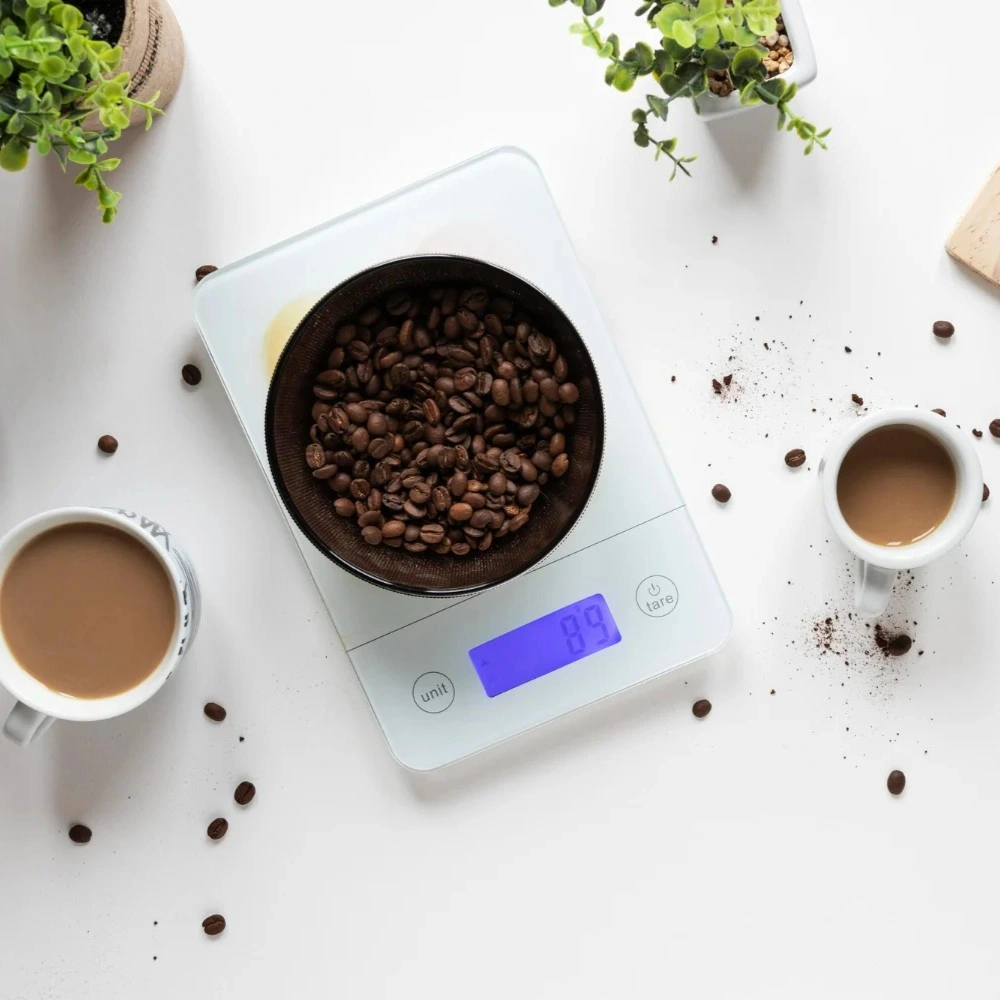
Body weight drastically affects how stimulants are distributed and metabolized in your system. A 220-pound athlete will process a 200 mg energy drink entirely differently than a 110-pound office Worker. The concentration of the drug in the bloodstream is directly proportional to the physical mass of the individual consuming it.
In clinical pharmacokinetics, we use a specific formula to determine the optimal, safe therapeutic dose of stimulants. You can use this formal mathematical model to find your baseline:
Using this caffeine calculator by weight, a healthy adult weighing 70 kg (154 lbs) has a safe, moderate range of roughly 210 mg to 420 mg daily. Pushing beyond the upper limit of this mg/kg threshold dramatically increases the risk of adverse cardiovascular events.
Age is the second, equally critical factor. A caffeine calculator by age must account for the fact that metabolic enzymes change throughout our lifespan.
Teenagers, for instance, are highly sensitive to stimulants. Their neurological development can be severely disrupted by high doses, which is why pediatric guidelines strongly discourage extreme caffeine consumption. A teenager’s developing brain is particularly vulnerable to the anxiety-inducing side effects of stimulant stacking.
A dose that felt perfectly fine in their thirties might cause severe tremors and sleep disruption in their seventies.
If you are using a caffeine calculator by weight and height, always cross-reference it with your age bracket. An individualized approach prevents accidental toxicity and ensures you are using caffeine as a mild enhancer rather than a severe system shock.
How Caffeine Works in the Body
One of the biggest breakthroughs for my patient Marcus was understanding the concept of drug metabolism over time. A standard intake tracker is useless without a functional caffeine calculator half-life model to show how long the drug remains active.
When you consume a caffeinated beverage, it is absorbed through the gastrointestinal tract and reaches peak blood plasma levels within 30 to 60 minutes. From there, it is metabolized by the CYP1A2 enzyme in your liver.
The time it takes for your body to eliminate exactly 50% of the drug is called its half-life. For the average, healthy adult, we model this metabolic clearance rate using the following clinical average:
This equation is the engine behind any half-life caffeine calculator. It means if you consume 200 mg of caffeine at 2:00 PM, you still have 100 mg actively stimulating your brain at 8:00 PM.
By 2:00 AM, you still have 50 mg lingering in your system, actively blocking adenosine receptors and preventing deep, restorative REM sleep. This biological reality is why a caffeine sleep calculator is so vital for chronic insomnia patients.
Genetics play a massive role here as well. Some people possess a genetic variation of the CYP1A2 gene that makes them “slow metabolizers.” For these individuals, the half-life can stretch to 8 or even 10 hours.
When you do not account for this clearance rate, you experience a “stacking effect.” Drinking a morning coffee, followed by a midday energy drink, and an afternoon tea means the doses overlap.
A caffeine calculator over time visually demonstrates this stacking phenomenon. It shows exactly why you might feel wired at midnight despite not having a coffee since the late afternoon.
Caffeine Calculator by Popular Drinks
To use a calculator effectively, you need accurate input data. Here is a clinical breakdown of the stimulant density in the most popular beverages my patients consume.
Coffee Caffeine Calculator
The brewing method dictates the extraction rate. A standard 8 oz home-brewed drip coffee yields about 90 to 100 mg of caffeine.
Espresso, while highly concentrated, is served in tiny 1 oz shots. A single shot contains roughly 63 mg of caffeine. Therefore, a standard double-shot latte contains about 126 mg of caffeine.
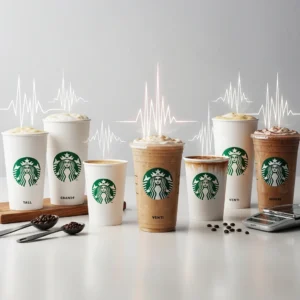
Starbucks Caffeine Calculator
Franchise coffee shops often serve massive portion sizes, hiding immense stimulant loads. A Grande (16 oz) Starbucks Pike Place Roast contains a staggering 310 mg of caffeine.
Using a Starbucks caffeine calculator is crucial because their standard brew is exceptionally potent. Even a seemingly innocent Grande Frappuccino can contain over 100 mg, depending on the flavor.
Cold Brew Caffeine Calculator
Cold brew is created by steeping coffee grounds in cold water for 12 to 24 hours. This prolonged extraction creates a hyper-concentrated beverage.
A cold brew caffeine calculator will often show 200 to 250 mg of caffeine for a standard 16-oz serving. The smooth, low-acid taste makes it dangerous, as patients drink it rapidly without realizing its true potency.
French Press Caffeine Calculator
A French press caffeine calculator must account for steep time. Because the grounds are fully immersed in hot water for several minutes, the extraction is robust.
A standard 8 oz cup of French press coffee typically yields between 80 and 100 mg. However, if left steeping too long, the concentration will climb significantly.
Caffeine Content Reference Chart
| Beverage Type | Serving Size | Estimated Caffeine (mg) |
| Home Drip Coffee | 8 oz | 90 – 100 mg |
| Double Espresso | 2 oz | 126 mg |
| Starbucks Pike Place | 16 oz (Grande) | 310 mg |
| Standard Cold Brew | 16 oz | 200 – 250 mg |
| French Press Coffee | 8 oz | 80 – 100 mg |
| Standard Energy Drink | 16 oz | 160 – 300 mg |
Caffeine Calculator for Special Groups
Certain demographics require much stricter stimulant tracking due to systemic metabolic shifts. Utilizing specialized calculators protects vulnerable biological systems.
For expecting mothers, a caffeine calculator pregnancy tool is absolutely essential. During pregnancy, the body’s ability to clear caffeine slows down drastically, meaning the half-life can easily double.
Similarly, a caffeine calculator breastfeeding tracker helps nursing mothers avoid passing excess stimulants to their infants. Infants lack the liver enzymes to process caffeine, leading to severe irritability and sleep disruption.
Depending on where you live, you might also follow regional safety framing, such as the caffeine calculator uk guidelines, which heavily emphasize strict limits for minors and sensitive populations.
Caffeine Overdose & Maximum Safe Intake
In clinical settings, we must address the absolute ceiling of stimulant safety. The widely accepted maximum safe limit for healthy adults is 400 mg per day.
When you exceed this threshold, you cross into toxicity territory. A max caffeine calculator is designed to keep you firmly below the line where physical side effects begin to manifest.
Symptoms of acute overconsumption include severe heart palpitations, fine motor tremors, gastrointestinal distress, and heightened panic or anxiety attacks.
Patients sometimes ask me about a death by caffeine calculator due to alarming internet rumors. While lethal overdoses from beverages are incredibly rare, they are biologically possible, typically requiring massive doses (e.g., 5,000 to 10,000 mg) usually ingested via pure synthetic powder, not brewed beverages.
Using a caffeine overdose calculator is a practical harm-reduction strategy. It keeps you grounded in reality, ensuring your daily habit remains a safe performance enhancer rather than a medical risk.
Caffeine Timing Calculator
Understanding the total amount you consume is only half the battle; the timing of your intake dictates your quality of life.
A caffeine sleep calculator maps your consumption against your natural circadian rhythm. Because caffeine actively blocks adenosine—the neurotransmitter responsible for making you feel sleepy—timing is everything.
If you want to maintain a healthy sleep architecture, your last dose of caffeine should occur at least 8 to 10 hours before your intended bedtime.
Using a caffeine calculator time tracker helps athletes and professionals avoid the dreaded afternoon energy crash. By spacing out smaller doses rather than consuming massive quantities at once, you maintain stable alertness.
How to Calculate Your Caffeine Intake

Taking control of your metabolic health requires a systematic approach. Here is how you can actively calculate your daily intake without feeling overwhelmed.
First, identify the baseline milligram count of your primary beverage. Check the nutritional label or use the chart provided earlier in this article.
Next, multiply that base number by the total number of servings you consume. Remember, a 24-ounce iced coffee is three standard 8-ounce servings, not one.
Third, adjust for your weight. Ensure your total daily milligrams do not exceed the 3–6 safety threshold discussed earlier.
Finally, track the half-life. If you use a free caffeine calculator app, input the exact time of your drinks to visualize how long the stimulant will remain active in your bloodstream.
Who Should Use a Caffeine Calculator?
While everyone can benefit from stimulant awareness, certain individuals should make tracking a non-negotiable daily habit.
Students relying on energy drinks during exams often inadvertently push themselves into panic attacks. A calculator prevents them from crossing the line from alert to severely anxious.
Athletes using heavy pre-workout supplements frequently stack stimulants without realizing it. Tracking their milligrams protects their heart rate variability and recovery metrics.
Finally, office workers and individuals prone to generalized anxiety disorders should rigorously monitor their intake. Often, what feels like an organic anxiety attack is actually drug-induced jitteriness from an oversized morning cold brew.
Frequently Asked Questions
Caffeine Intake Calculation Methods?
To calculate your intake, identify the exact milligram count of your beverage per ounce, multiply it by the total ounces you are drinking, and keep a running daily total to ensure you stay below the 400 mg limit.
Duration of Caffeine Effects?
While the most intense, noticeable effects peak within 30 to 60 minutes, the biological half-life averages 5 to 6 hours. This means the drug remains active in your system for up to 10 to 12 hours total.
Rate of Caffeine Metabolism?
Caffeine drops by approximately 50% every 5 to 6 hours in a healthy adult. However, genetic factors, liver health, and certain medications (like oral contraceptives) can significantly slow this clearance rate.
Daily 400 mg Caffeine Safety?
For the vast majority of healthy, non-pregnant adults, consuming up to 400 mg of caffeine per day is considered medically safe and is not associated with severe cardiovascular or metabolic risks.
High Caffeine Drink Examples?
A standard large (20 oz) hot drip coffee from most commercial franchises, a 16 oz cold brew, or highly concentrated performance energy drinks easily contain 200 mg or more of caffeine per serving.
Conclusion
Understanding your daily stimulant intake is one of the most empowering steps you can take for your metabolic and cardiovascular health. Using a caffeine calculator strips away the guesswork, replacing it with clear, actionable biological data.
As a clinical professional, my goal is not to demonize coffee or energy drinks. They are wonderful tools when respected. By tracking your half-life, adjusting for your body weight, and strictly monitoring your afternoon consumption, you can enjoy all the cognitive benefits of caffeine while fully protecting your restorative sleep.
Authoritative References
- Food and Drug Administration (FDA)—Spilling the Beans: How Much Caffeine is Too Much?
- StatPearls (NCBI)—Caffeine Pharmacokinetics and Toxicity
- National Institutes of Health (NIH)—Caffeine: Cognitive and Physical Performance Enhancer or Psychoactive Drug?
- Sleep Medicine Reviews—Effects of caffeine on sleep quality and daytime functioning
Related Posts





Subscribe for New Racipies
Get mental health tips, updates, and resources delivered to your inbox.