
Is Tapioca Acidic? What It Means For Acid Reflux Sufferers

Medically reviewed by Aneeza Pervez Updated Date: January 7, 2026

Managing acid reflux can make every mealtime a challenge, especially when you’re unsure about a food’s effect on your digestion. Tapioca, a starchy extract from the cassava root, is widely used in gluten-free recipes, puddings, and even as a thickener. Its mild nature makes it a favorite among those with sensitive stomachs, but what about its role in acid reflux?
Here’s the comforting truth: Tapioca is naturally low in acidity, with a neutral pH that makes it unlikely to irritate your esophagus or stomach lining. It is also gluten-free and easy to digest, making it a safe option for those with multiple dietary concerns. In fact, tapioca’s smooth, gentle texture is often recommended for people recovering from digestive issues.
To make tapioca truly reflux-friendly, pair it with non-acidic ingredients. For example, enjoy tapioca pudding made with almond milk instead of dairy or combine it with low-acid fruits like bananas. Avoid pairing it with sugary syrups or acidic toppings, as these can counteract its soothing properties.
In short, tapioca is a go-to food for acid reflux sufferers when prepared in simple, gentle ways.
Is Tapioca Acidic, Alkaline, Or Neutral?
Tapioca, derived from the cassava root, is primarily neutral to mildly alkaline. Its pH typically falls between 5.5 and 7.5, making it a low-acid option ideal for individuals with conditions like GERD (gastroesophageal reflux disease). Thanks to its predominantly carbohydrate composition and minimal fat or protein content, it doesn’t stimulate stomach acid production. This balance contributes to its reputation as a soothing and easy-to-digest food.
Cassava, in its raw form, contains naturally occurring compounds that may lean slightly acidic. However, during the extraction and processing of tapioca starch, these compounds are eliminated, leaving behind a neutral ingredient suitable for even the most sensitive digestive systems.
Related to Read: Is Parsley Acidic?
Are Avocados Acidic and Good for Acid Reflux?
Understanding Its PH Levels
The pH level of a food plays a significant role in determining whether it’s acidic, alkaline, or neutral. Tapioca falls into the neutral to mildly alkaline category, making it particularly valuable for those with acid reflux or digestive sensitivities. Its lack of strong acidic properties allows it to support stomach comfort without triggering heartburn or reflux.
The processing method of cassava into tapioca starch or pearls is key to its pH stability. By stripping away potentially reactive compounds, the resulting tapioca becomes a low-acid food that’s safe for various recipes and dietary needs.
| Form of Tapioca | Approximate pH Level | Comments |
| Raw Cassava (Unprocessed) | 5.0–6.0 | Slightly acidic due to naturally occurring compounds like linamarin |
| Tapioca Starch | 6.5–7.0 | Neutral to mildly alkaline; processing removes most acidic properties |
| Cooked Tapioca Pearls | 6.0–7.0 | Mildly alkaline depending on added ingredients like milk or sugar |
| Tapioca Pudding | Varies (6.0–7.5) | Neutral to alkaline; influenced by additional ingredients such as dairy |
Is Tapioca Pudding Acidic?
Tapioca pudding is not inherently acidic; its acidity depends on the ingredients used in preparation. The main base—milk—tends to have a neutral or slightly alkaline pH, which can help balance the dish. However, factors like added sugar, flavorings, or acidic toppings (such as fruit syrups or citrus zest) can make tapioca pudding slightly more acidic.
To keep tapioca pudding gentle on the stomach, opt for low-fat milk or plant-based alternatives, avoid high-sugar recipes, and skip acidic garnishes. Prepared this way, tapioca pudding can remain a reflux-friendly dessert option.
Is Tapioca Good Or Bad For Acid Reflux?
Tapioca is considered good for acid reflux due to its neutral to mildly alkaline nature. Foods high in acidity, fat, or spice can aggravate GERD symptoms, but tapioca offers a digestible, low-risk carbohydrate alternative. Its bland flavor makes it an excellent choice for soothing sensitive stomachs.
When paired with reflux-friendly ingredients, tapioca can help manage symptoms effectively. It’s important to avoid pairing it with acidic sauces, high-fat dairy, or spicy seasonings that could offset its benefits. Stick to simple, lightly seasoned preparations for the best results.
How To Incorporate Tapioca Into A GERD-Friendly Diet?
Tapioca is versatile and can be easily added to a GERD-friendly diet with minimal preparation. Here are some practical ways to include it:
- Tapioca Porridge: Cook tapioca pearls with water or plant-based milk, sweetened lightly with honey, and topped with non-acidic fruits like bananas or apples.
- Thickening Soups and Sauces: Tapioca starch acts as a gentle thickener for broths and sauces, avoiding the need for reflux-triggering cream or flour-based alternatives.
- Tapioca Flour-Based Breads and Pancakes: Gluten-free breads and pancakes made with tapioca flour are not only easy to digest but also neutral on the pH scale.
- Plain Tapioca Pearls as a Side Dish: Cooked tapioca pearls can serve as a low-acid side dish when paired with lean proteins and non-acidic vegetables.
Moderation is key. Overeating—even a reflux-friendly food like tapioca—can still lead to symptoms due to increased pressure on the stomach.
Tips For Cooking Tapioca Without Triggering Reflux
- Opt for Low-Fat Ingredients: High-fat ingredients like cream or butter can aggravate reflux. Use plant-based or low-fat milk instead.
- Avoid Adding Acidic Elements: Skip citrus, vinegar, or tomato-based additives that increase acidity.
- Hydrate Tapioca Properly: Fully hydrate tapioca pearls to avoid creating dense, difficult-to-digest dishes.
- Limit Spices and Seasonings: Keep recipes mild, avoiding reflux triggers like pepper or chili powder.
- Watch Portion Sizes: Even GERD-friendly recipes can cause discomfort if eaten in large quantities.
Tapioca-Based Snacks For Acid Reflux Relief
Tapioca can be transformed into delicious, reflux-friendly snacks:
- Tapioca Pudding: Made with almond milk and lightly sweetened with honey, it’s gentle and satisfying.
- Cassava Chips: Thinly sliced and baked, seasoned with mild herbs instead of heavy spices.
- Tapioca Crackers: Crunchy and gluten-free, perfect with reflux-friendly dips like plain hummus or mashed avocado.
- Banana Tapioca Cups: Layer cooked tapioca pearls with mashed banana for a naturally sweet, gentle snack.
- Savory Tapioca Pancakes: Cook tapioca flour batter with grated zucchini or carrots for a wholesome treat.
These snacks are easy to digest and help manage reflux symptoms.
Tapioca Recipes That Are Gentle On Digestion
Here are some simple tapioca recipes tailored for sensitive stomachs:
- Classic Tapioca Porridge
Ingredients: Tapioca pearls, water, almond milk, and a touch of honey.
Instructions: Soak tapioca pearls, cook until soft, sweeten, and serve warm. - Vegetable Tapioca Pancakes
Ingredients: Tapioca flour, grated zucchini, a pinch of salt, and water.
Instructions: Mix ingredients into a batter, pan-fry lightly, and serve with a dollop of plain yogurt. - Banana Tapioca Dessert
Ingredients: Tapioca pearls, mashed bananas, and coconut milk.
Instructions: Cook tapioca pearls, mix with mashed bananas, and chill before serving.
Each recipe prioritizes simple, non-acidic ingredients to ensure they’re gentle on digestion and safe for acid reflux management.
FAQs
Who Should Avoid Tapioca?
- Individuals with cassava allergies.
- Diabetics due to its high carbohydrate content.
- Those on a low-carb diet.
- People sensitive to processed foods.
Is Tapioca Bad For Your Stomach?
Tapioca is not bad for your stomach when consumed in moderation. Overeating can cause bloating or mild indigestion, especially if it’s poorly hydrated during cooking.
Can Tapioca Cause Acid Reflux?
Tapioca itself is unlikely to cause acid reflux due to its neutral pH. However, pairing it with acidic or fatty ingredients can trigger reflux symptoms.
Is Tapioca Good For Sensitive Stomachs?
Yes, tapioca is gentle and easily digestible, making it a good option for sensitive stomachs. Its bland nature and low acidity help soothe digestive discomfort.
Conclusion
Tapioca, derived from the cassava root, is a neutral to mildly alkaline food that fits well into a GERD-friendly diet. Its soothing properties, digestibility, and versatility make it an excellent choice for individuals dealing with acid reflux or other digestive sensitivities. Whether in the form of tapioca pudding, porridge, or as a thickener in soups, it provides a safe and satisfying carbohydrate source that doesn’t exacerbate stomach acidity.
When prepared thoughtfully, avoiding reflux-triggering ingredients like high-fat dairy, spices, or acidic additives, tapioca can be a valuable ally in managing reflux symptoms. Its ability to adapt to both sweet and savory dishes ensures it can fit into various meals, from snacks to desserts.
For those seeking gentle and nourishing recipes, tapioca offers a wide array of options that can help alleviate discomfort without compromising flavor or variety. By understanding its pH levels and preparing it in simple, stomach-friendly ways, you can enjoy the benefits of tapioca while keeping reflux symptoms at bay.
Related Posts



Subscribe for New Racipies
Get mental health tips, updates, and resources delivered to your inbox.
Are Soups Healthy For You? 5 Surprising Benefits of Soup

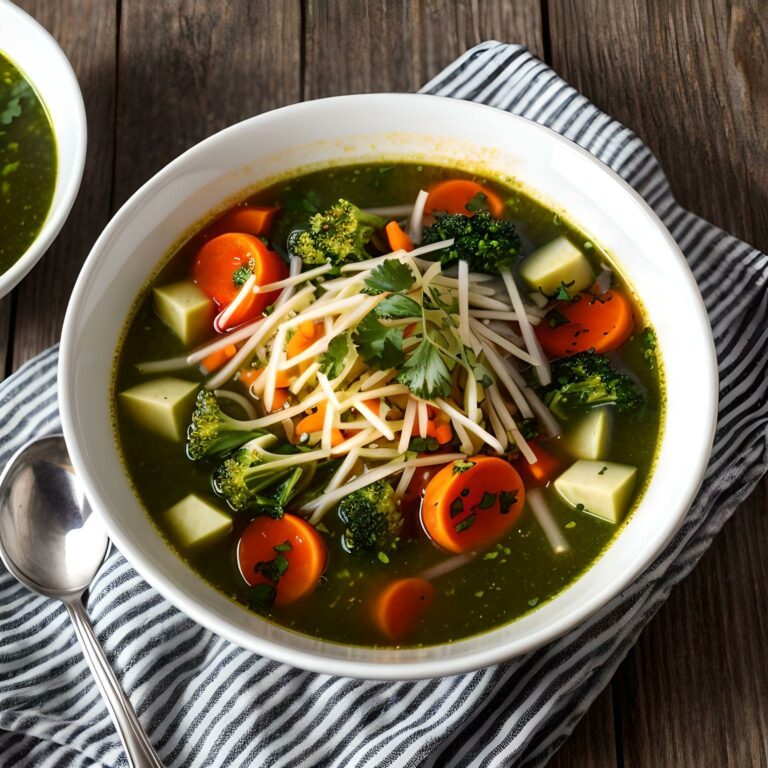
Do you know what winter bliss is? – a warm bowl of thick, brothy, flavorful soup.
Soup indeed makes a great meal, but it’s also one of the healthiest foods you can eat. We crave soup when feeling sick or shivering in chilly winter. But do you know it is also good for your health even when you aren’t feeling under the weather?
If you’re asking are soup healthy – here’s your answer.
Soup is an excellent part of a healthy diet, as long as you dine one that isn’t loaded with sodium and fat. It’s packed with vitamins, minerals, nutrients, and antioxidants, offering multiple benefits for your health. It helps keep you full longer, manages your weight, and boosts your immune system.
Find out why soup may be the perfect healthy meal option to make every day with these 5 surprising benefits of soup!
Are Soups Healthy?
Soup is a great way to get nutrients and fiber into your diet, but do you know all the health benefits of soup? Not only can it boost your immune system, but it also contains antioxidants, vitamins, and minerals that help with digestion and overall health.

Below, we take a look at the top five benefits of soup, so you can see why this hearty food deserves its spot on your table at least once a week!
Bloating And Indigestion Reliever
Soup can actually help your body out when it’s having trouble digesting food. The warm liquid helps break down food and makes it easier for your stomach to move things along. Soup can also help relieve bloating by getting rid of trapped gas.
Hunger Dealer
If you’re trying to lose weight or eat healthier, soup can be a great tool to help you control your hunger. As mentioned earlier, soups are generally low in calories and high in water content – so they leave you feeling full and satisfied without adding many extra calories.
Great For The Gut
Soup has many health benefits, but one of the most surprising is its positive effect on gut health. Studies have shown that soup can help improve gut motility and increase the number of good bacteria in the gut. The fiber content in the soup also helps with a healthy weight and blood sugar levels.
Illness Fighter
Sipping on a warm bowl of broth can help fight off illness. The steam from the hot soup helps clear congestion, and the heat soothes a sore throat.
Broths of soup made from meat or veggies also contain electrolytes that are lost during bouts of vomiting or diarrhea, which helps replace them as they are depleted. However, checking with your doctor before introducing any new foods into your diet is essential.
Hydration Booster
Soup is an excellent source of hydration. In fact, one cup of brothy soup provides roughly 20% of your daily recommended water intake. So not only does it contain all the benefits mentioned above, but soup can also help you stay hydrated!
5 Healthy Soup Options for Health Benefits
It’s wintertime, and it seems like all we hear about are soups – gourmet soups, chocolate soups, potato soups, tomato soups, lentil soups – the list goes on and on.

Now, among the many options, which soups can benefit you more? Let’s look at some of the healthiest soup options to sip on.
Low Sodium Soups
Low-sodium soups are not only good for your heart health, but they can also help with weight loss and maintaining healthy blood pressure. Be sure to keep an eye on the labels of soup when you’re grocery shopping to see what the sodium levels are.
Vegetable Soups
Heart disease is the leading cause of death in the United States, but there are things you can do to lower your risk. A healthy diet is one key factor, and studies have shown that eating vegetable-infused soup is highly beneficial. Moreover, a hot bowl of soup with multiple vegetables fills your veggie quota perfectly.
One study found that those who ate soup daily had a lower risk of heart attack than those who didn’t eat it at all. Besides, other research has found that people who eat soup regularly tend to weigh less than those who don’t.
In addition, soup may also be good for regulating blood sugar levels.
Tomato Soups
Tomato soups are great sources of lycopene, an antioxidant linked to a reduced risk of heart disease and cancer.
For example, in one study, it was found that people who ate tomato soup regularly had 15% less LDL cholesterol (bad cholesterol) than those who didn’t.
Another study found that eating just 1 cup of tomato soup every day can reduce prostate cancer risk by 12%.
Bone Broth Soups
When it comes to soups, bone broth varieties are especially good for you. That’s because they’re packed with nutrients like collagen, which is great for your skin, hair, and nails. It also helps heal the gut lining and can help with inflammation issues.
Not to mention that bone broth is a rich source of minerals, such as calcium, magnesium, phosphorus, silicon, and sulfur. It supports your healthy joints.
Lentil Soup
Lentil soup is not only delicious, but it’s also packed with high protein, nutrients and antioxidants that can have impressive health benefits. For example, lentil soup can help boost heart health, improve digestion, and stabilize blood sugar levels.
Unhealthy Soup Options
When it comes to health benefits, not all soups are created equal. While homemade soup is always the best option, some store-bought varieties can also be nutritious and delicious.
Be Wary Of Fatty Soups
Some pre-packaged soups contain fatty ingredients to make them tastier. Ingredients such as heavy cream, butter, full-fat milk or cornstarch are used to thicken the texture and add flavor.
Be wary of such soups because they are high in fat and calories, which can negate any potential health benefits. If you’re interested in the health benefits of soup, opt for broth-based soups or healthy additions like vegetables and legumes.
However, if you still wish to thicken the texture yet add some nutritional benefits to your soup, ditch the pre-soup mix and add your own low-fat yogurt, mashed chickpeas, etc., to get maximum benefits without adding fat.
Sodium-rich Canned Soups
While canned soups are quick and easy, they’re not the best choice if you’re looking for a healthy meal. Most canned soups are high in sodium, increasing blood pressure and water retention. They also tend to be high in calories and fat, which is often difficult for people who are trying to lose weight.
Even if you are not trying to lose weight, you should avoid consuming too much-canned soup. In the long run, it may lead to several diseases.
Try eating healthy and making soups at home so that you can control the sodium in them.
FAQs
Is Chicken Soup Healthy?
Yes, chicken soup is healthy! It’s packed with nutrients like protein, vitamins, and minerals. According to some studies, it can help relieve cold symptoms, improve joint function, and boost your immune system to fight against many diseases, including the common cold and flu.
Chicken broth is also good for managing weight. For example, take Swanson’s Chicken Noodle Soup. Made with wholesome ingredients like chicken broth, whole wheat egg noodles, carrots, and celery (all of which contain vitamin C), this soup packs a punch in terms of nutritional value.
Is Canned Soup Healthy?
While canned soups are easy to make, it is not as healthy as fresh homemade soup. During the processing, a substantial amount of vitamins and minerals are removed from the canned soups, leaving them with little to no beneficial nutrients. Moreover, canned soups are loaded with sodium because a lot of salt is required for preservation.
Is Vegetable Soup Good For Weight Loss?
While soup’s health benefits don’t compare to fresh fruits and vegetables, they can provide some much-needed nutrients that your body might be missing out on otherwise. You can make fresh vegetable soup to maintain a healthy weight by substituting it with your heavy meals.
However, to lose weight, consuming only vegetable soup won’t help; you need to watch out for your other meals and avoid consuming fatty calorie-rich foods.
Is Soup Healthy For Dinner?
Soup is packed with nutrients, and depending on the ingredients, it can provide a variety of health benefits. Therefore, it can be a healthy meal for dinner if you prepare it at home since you know what ingredients are in the recipe.
Final Thought
Not only is soup a filling and satisfying meal, but it can also be good for your health.
A common misconception about soup is that it’s fattening because it contains a lot of broth or oil. While some versions may be high in calories, most soups are naturally low in fat and calories.
So if you still inquire – are soups healthy – trust me; they are – a nutrient-packed blessing in liquid.
Related Posts






Subscribe for New Racipies
Get mental health tips, updates, and resources delivered to your inbox.