
Is Parsley Acidic? How This Herb Can Help Acid Reflux

Medically reviewed by Aneeza Pervez Updated Date: January 1, 2026

Acid reflux sufferers are often told to steer clear of acidic foods, but herbs like parsley don’t always follow the same rules. Known for its vibrant green color, fresh flavor, and medicinal benefits, parsley is a popular choice in many kitchens. But is it safe for someone dealing with GERD?
Interestingly, parsley is considered alkaline-forming in the body, meaning it can help neutralize excess stomach acid. Its natural anti-inflammatory properties make it even more appealing for those looking to calm their digestive systems. Some studies also suggest that parsley may aid digestion by stimulating the production of enzymes that help break down food.
To enjoy parsley without worry, use it in small amounts as a garnish for reflux-friendly dishes like steamed vegetables, chicken, or fish. Fresh parsley is less likely to trigger symptoms than dried versions, which may have concentrated flavors. Also, avoid pairing parsley with acidic foods like tomatoes or citrus.
Incorporating parsley into your meals might not just be safe—it could also bring some unexpected relief from your acid reflux symptoms!
Is Parsley Really Acidic? The Surprising Facts
Parsley, a popular herb in cuisines worldwide, is celebrated for its fresh flavor and vibrant color. But if you’re managing acid reflux or GERD (Gastroesophageal Reflux Disease), you may wonder whether parsley fits into a reflux-friendly diet. Is parsley acidic, and can it help alleviate symptoms? Let’s explore the surprising facts about parsley and its relationship with acid reflux.
Is Parsley Acidic Or Alkaline?
Parsley is considered slightly alkaline, which makes it a suitable option for individuals managing acid reflux or GERD. The alkalinity of parsley can help neutralize stomach acid, preventing it from irritating the esophagus and causing symptoms like heartburn.
Parsley’s natural properties, including its chlorophyll content, contribute to its alkalizing effects. Chlorophyll, the pigment responsible for parsley’s vibrant green color, has been shown to promote a balanced pH in the body and soothe digestive discomfort. Additionally, parsley’s low-calorie, high-fiber profile supports healthy digestion, reducing the risk of acid buildup in the stomach.
For those seeking an alkaline diet, parsley can serve as a flavorful garnish, an ingredient in alkaline smoothies, or even a base for salads. Its mild flavor and alkalinity make it a versatile addition to meals aimed at minimizing acid reflux.
Understanding The PH Of Parsley
Parsley is not acidic; it has a slightly alkaline pH, which makes it a favorable option for individuals with acid reflux. The herb’s pH typically ranges between 5.5 and 7.0, depending on how it is grown and prepared. Foods with a higher pH are less likely to exacerbate acid reflux symptoms.
- Raw Parsley: Slightly alkaline and safe for most.
- Cooked Parsley: Maintains its neutral properties, but may lose some nutrients.
Parsley’s alkalinity helps balance stomach acid, providing a soothing effect for those with digestive issues.
Is Parsley Okay For Acid Reflux Sufferers?
Parsley is generally safe for individuals with acid reflux. Unlike acidic foods like tomatoes or citrus, parsley doesn’t irritate the esophagus or worsen heartburn.
Why Parsley Is Reflux-Friendly
- Low Acid Content: Parsley has a near-neutral pH, reducing the risk of triggering reflux.
- Digestive Benefits: It contains compounds that promote healthy digestion and alleviate bloating.
- Anti-inflammatory Properties: Parsley soothes the stomach lining and reduces irritation.
Adding parsley to your diet can enhance flavor without increasing acidity, making it a great choice for GERD sufferers.
Why Parsley May Be The Best Herb For Acid Reflux?
Parsley stands out among herbs for its digestive benefits and natural soothing properties. Its high content of antioxidants, vitamins, and minerals makes it a powerhouse for overall health and acid reflux management.
- Rich in Vitamin C: While not overly acidic, parsley contains enough vitamin C to support tissue repair and immune function.
- Source of Chlorophyll: This green pigment helps neutralize stomach acid and reduce symptoms of heartburn.
- Carminative Effects: Parsley prevents gas and bloating, common issues that exacerbate acid reflux.
Unlike other herbs like garlic or mint, which may worsen reflux, parsley offers relief without causing irritation.
Can Parsley Help With GERD Symptoms?
Yes, parsley can be beneficial for managing GERD symptoms. Its natural compounds have soothing effects on the digestive system, helping to alleviate heartburn, bloating, and indigestion.
Key Compounds in Parsley
- Apigenin: A flavonoid that reduces inflammation and protects the stomach lining.
- Eugenol: A natural oil in parsley that has antispasmodic properties, reducing stomach cramps.
- Fiber: Aids digestion and prevents overeating, a common trigger for acid reflux.
Parsley may not cure GERD, but its gentle properties can provide significant relief when combined with a healthy diet.
Parsley’s Anti-Inflammatory And Digestive Benefits.
Parsley isn’t just a garnish—it’s a medicinal herb with anti-inflammatory and digestive benefits that can improve your gut health and reduce reflux symptoms.
- Reduces Inflammation
Chronic inflammation in the stomach and esophagus can worsen GERD. Parsley’s antioxidants, such as flavonoids and carotenoids, combat this inflammation effectively. - Improves Digestion
Parsley stimulates bile production, which aids in fat digestion and prevents bloating, a common reflux trigger. - Supports Gut Microbiome
Its antibacterial properties promote a healthy gut microbiome, which is crucial for reducing GERD symptoms.
By incorporating parsley into your meals, you’re not just adding flavor—you’re supporting your digestive health.
How To Use Parsley For Acid Reflux Relief?
Parsley can be consumed in various forms, from fresh leaves to teas and juices. To maximize its benefits for acid reflux, follow these tips:
- Fresh Parsley Leaves: Chop them into salads or use them as a topping for soups and stews.
- Parsley Juice: Blend parsley with water and a mild fruit like cucumber for a refreshing, alkaline drink.
- Herb Mixes: Combine parsley with basil and cilantro for a GERD-friendly seasoning.
Avoid pairing parsley with acidic dressings or sauces that may negate its benefits.
Parsley Tea: A Soothing Remedy For Heartburn
Parsley tea is a simple yet effective remedy for acid reflux and heartburn. The warm liquid soothes the esophagus while parsley’s compounds work on reducing stomach acid.
How to Make Parsley Tea
- Boil one cup of water.
- Add a handful of fresh parsley leaves or one teaspoon of dried parsley.
- Let it steep for 5–10 minutes.
- Strain and enjoy warm.
Parsley tea can be consumed after meals to aid digestion and prevent reflux episodes.
How To Add Parsley To GERD-Friendly Meals
Parsley’s versatility makes it easy to include in GERD-friendly meals. Here are some ideas:
- Soups: Add chopped parsley to vegetable or chicken broth for flavor and nutrients.
- Smoothies: Blend parsley with alkaline fruits like bananas and melons for a soothing drink.
- Salads: Use parsley as a base or garnish in salads with low-acid vegetables like cucumber and zucchini.
- Grain Bowls: Mix parsley into quinoa or brown rice for a flavorful and reflux-friendly side dish.
These options allow you to enjoy parsley while maintaining a balanced diet.
Parsley And Precautions: What You Should Know
While parsley is safe for most people, excessive consumption can lead to side effects, especially for individuals with certain health conditions.
Potential Side Effects
- Kidney Issues: Parsley contains oxalates, which may exacerbate kidney problems in sensitive individuals.
- Medication Interactions: Parsley can interact with blood-thinning medications like warfarin due to its vitamin K content.
Always consult a healthcare professional if you have underlying conditions before increasing parsley intake.
Who Should Avoid Parsley?
Parsley is not suitable for everyone. Avoid or limit parsley if you:
- Have kidney stones or are prone to them.
- Take anticoagulants or diuretics, as parsley may amplify their effects.
- Are pregnant: Excessive parsley may stimulate uterine contractions in rare cases.
Moderation is key to reaping parsley’s benefits while avoiding potential risks.
Related to Read: 7 Kinds of Foods to Avoid with Gerd: A Complete Guide!
How Much Parsley Is Too Much?
While parsley is packed with health benefits, consuming it in excess can be problematic.
- Daily Intake: Stick to one to two tablespoons of fresh parsley or one teaspoon of dried parsley per day.
- Excess Risks: Overeating parsley may lead to digestive discomfort or interact with medications.
Balance parsley with other GERD-friendly foods for a well-rounded diet.
FAQs
Can Greek Yogurt Cause Acid Reflux?
Greek yogurt can trigger acid reflux if it’s full-fat or flavored with added sugars or acidic fruits. High-fat yogurt relaxes the esophageal sphincter, while sugary and citrus-based flavors can irritate the esophagus. To enjoy yogurt without discomfort, opt for low-fat, plain varieties and pair them with alkaline foods like bananas or oatmeal. These options reduce reflux risk while keeping yogurt a healthy, GERD-friendly choice.
What Foods Neutralize Stomach Acid Immediately?
Certain foods provide quick relief from acid reflux by neutralizing stomach acid:
- Bananas: A natural antacid, soothing the esophagus.
- Oatmeal: Absorbs acid and prevents heartburn.
- Ginger: Reduces inflammation and eases digestion.
- Leafy Greens: Alkaline vegetables like spinach and kale balance stomach acidity.
Pair these foods with water or ginger tea for immediate soothing effects and to help maintain digestive comfort.
Conclusion
Parsley is not only non-acidic but also offers numerous health benefits that make it ideal for those managing GERD and acid reflux. From its alkaline properties to its anti-inflammatory and digestive-supporting compounds, parsley can be a valuable addition to your diet. Whether used fresh, in teas, or as a garnish, parsley adds flavor and nutrition without the risk of exacerbating reflux.
By understanding how to incorporate parsley safely and mindfully, you can enjoy its benefits while maintaining digestive health. As with any dietary change, moderation and personal observation are key.
Meta Description: Is parsley acidic or alkaline? Learn how parsley can soothe acid reflux symptoms and its role in a GERD-friendly diet.
Related Posts



Subscribe for New Racipies
Get mental health tips, updates, and resources delivered to your inbox.
Are Blueberries Acidic? Blueberries for Acid Reflux(Good or Bad)


Blueberries are sweet and rich with nutrients. They are quite popular among people because of their wonderful taste. One cannot ignore blueberries’ numerous benefits that contribute to maintaining good health. Despite having all these good qualities, blueberries also have some downsides.
At this point, many people will ask, “Are blueberries acidic?”
Blueberries have a pH in the range of 4.0 to 5.0 which makes them slightly acidic. However, being an acidic fruit does not mean they are less healthy. It is important to note that acidic fruits can be an issue for those with acid reflux. However, when eaten in moderation, blueberries are unlikely to cause a problem, and they have significant health benefits that make them worth eating.
In this article, will learn some interesting facts about blueberries and also gather information about whether blueberries are bad for acid reflux or not. So, let’s get started.
Are Blueberries Acidic or Alkaline? An Analysis by the Experts!
Blueberries are acidic by nature but that doesn’t mean you can’t include them in your diet. Blueberries have a pH ranging from 4.0 to 5.0. By definition, anything with a pH under 7 is considered acidic, so blueberries are definitely acidic.

However, being acidic doesn’t make blueberries any less healthy. There are a wide range of health benefits from eating blueberries. Let’s get into the details!
Let’s have a look at an analysis of the contents of blueberries, so you can see for yourself. Here is a table showing below the total percentage or acidic amount of content in blueberries.
Table 1 shows the breakdown of the different types of acids within blueberries. As you can see, the primary acid is citric acid.
| Acidic Content in Blueberries | Amount |
| Citric Acid | 77 to 87% |
| Quinic & Malic Acids | 4 to 11 % |
| Succinic, tartaric and shikimic Acids | Very minimal to mention |
The above analysis of acids within blueberries demonstrates that the primary acid in blueberries is citric acid, and this is the primary reason that blueberries are an acidic food.
Table 2 below shows the breakdown of nutritional components found in blueberries, including protein, vitamins, and other nutrients.
| Nutrition | Amount per cup |
| Energy | 80 calories |
| Protein | 1.1 grams |
| Carbs | 21.5 grams |
| Sugar | 14.7 grams |
| Fiber | 3.6 grams |
| Fat | 0.49 grams |
| Manganese | 25% of RDI |
| Vitamin K | 36% of RDI |
| Vitamin C | 24 % of RDI |
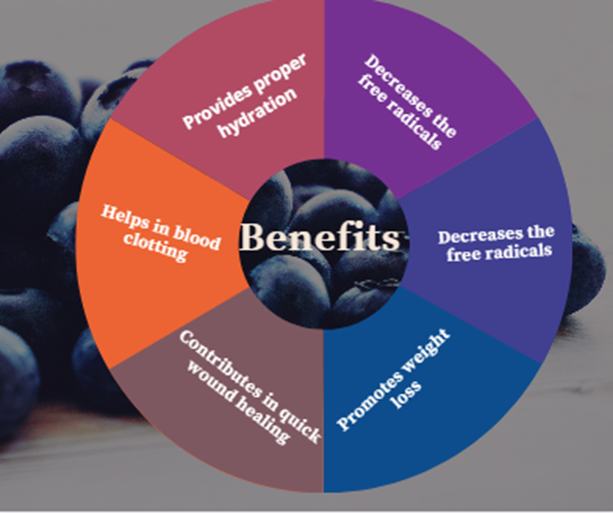
Blueberries are a low calorie food that is rich in vitamins E, A, and K. They also have a significant amount of water, which helps with hydration. They have a significant amount of fiber, and also a small amount of protein and fat.
Fun fact: Blueberries are also called “Star Fruits” by North Americans because of the five pointed shape which forms at the blossom end of the berry.
Are Blueberries Good for Acid Reflux?
This is a frequently asked question! Eating an excessive amount of acidic foods can definitely exacerbate acid reflux, or gastroesophageal reflux disease (GERD). If you suffer from either of these conditions, it is wise to limit your consumption of acidic foods.
However, one should not completely eliminate a food like blueberries simply on the basis of its acidity. Obviously, blueberries, like any food, can be harmful to one’s health if consumed in excessive amounts.
However, as discussed above, they are great sources of fiber and several vitamins, which can contribute to a healthy digestive system and overall good health.
The best approach is to observe how your body reacts when you consume something, and proceed accordingly. The amount of blueberries one can consume without triggering reflux varies from person to person. It depends on how prone you are to reflux.
Is Blueberry Juice Bad for Acid Reflux or Not?
Blueberry juice lacks the fruit’s fiber, but otherwise has the same nutritional content as whole blueberries. That is, blueberry juice is also somewhat acidic. Since fiber is beneficial for health, and can actually decrease reflux. Thus, from an acid reflux standpoint, blueberry juice is worse than whole blueberries.
As mentioned above, blueberries contain sugar, which can be difficult to digest. If not digested fully, sugar can be a cause of increased stomach acid, which can exacerbate acid reflux. This is clearly a negative consequence since this causes heartburn and can cause other conditions.
Is It Bad to Consume Blueberry Jam if I Have Acid Reflux?
Blueberry jam is less acidic than whole blueberries, but that does not mean that blueberry jam is a healthy food!
It is not recommended to consume large quantities of commercially prepared jam because of the amount of sugar in it. Naturally prepared jams are better, because they are less processed, and some people feel this is easier on their stomach.
Related Article: Are Strawberries Acidic? Do They Cause Acid Reflux?
5 Reasons That You Should Add Blueberries in Your Diet
From a health perspective, blueberries are a blessing because they are considered a low-calorie food since they contain just 84 calories per cup. They are almost fat-free. Since fat can exacerbate GERD, this is a benefit also.
Additionally, from a vitamin perspective, they are rich in vitamin K which is essential for good health. These are some of the amazing benefits of blueberries.
Blueberries Promote Healthy Bones
Blueberries contain a good amount of iron, calcium, phosphorus and other nutrients, all of which help in building, maintaining, and strengthening bones. They also promote calcium absorption.
Blueberries Promote Skin Health
Collagen is one of the most important elements in skin health. Collagen helps prevent skin damage by maintaining skin’s elasticity. Blueberries contain vitamin C which is essential in collagen formation. Antioxidants in blueberries also prevent skin damage from smoke, pollution, and UV rays.
Lower the Blood Pressure
Since blueberries are free of sodium, they are relatively good for the blood pressure. They contain potassium, magnesium and calcium, which are elements that help reduce blood pressure.
Good for Heart
Blueberries are rich in fiber, potassium and Vitamin C, which are good for the health of the heart. Additionally, fiber helps decrease the cholesterol level in the blood, which reduces the risk of heart disease.
Prevents Cancer
Blueberries are considered a “superfood.” Part of the reason for this is that they have very high levels of powerful antioxidants. Blueberries therefore help in reducing the inflammation, and help rid the body of free radicals, which can prevent conditions like sun damage and cancer.
Blueberries Vs Blackberries: which one should I go for?
Usually, all types of berries are considered a good source of fiber and micronutrients.
However, these two berries have more value if you make them a part of your diet because they are particularly good at preventing various kinds of diseases such as inflammation and cancer.
If you want to compare the benefits of each, here is a detailed comparison. Let’s have a look at it.
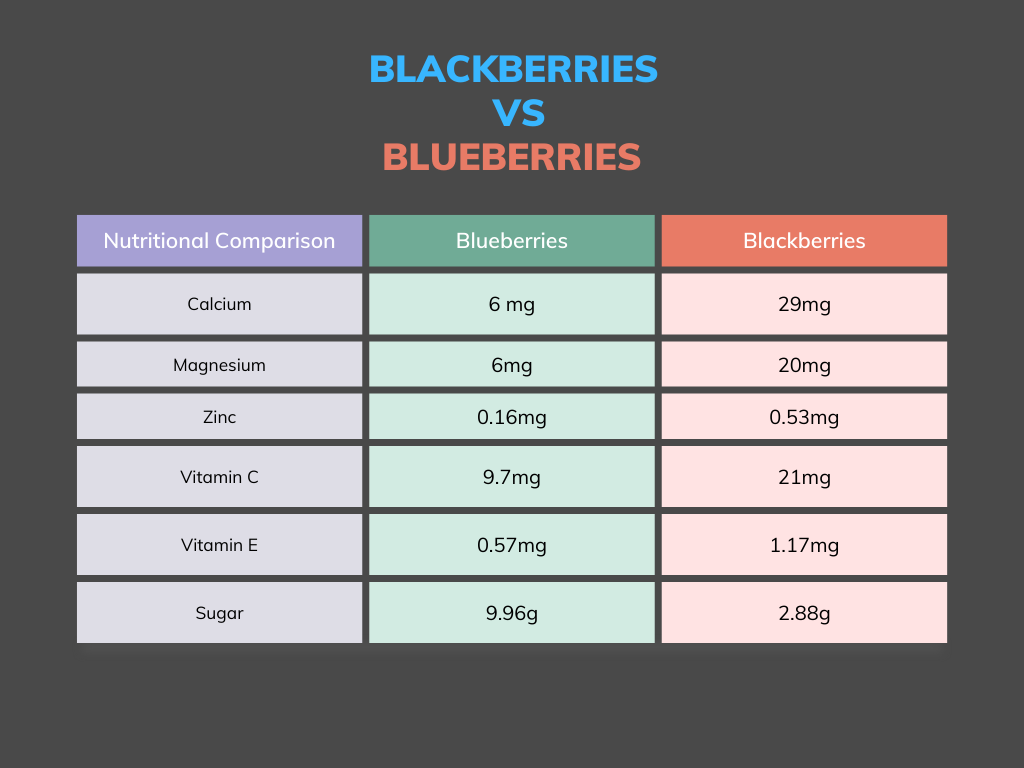
This analysis demonstrates that both fruits contain significant levels of nutrients. The choice of the healthiest berry may seem difficult. I personally suggest blueberries for the people who have blood pressure problems.
Since blueberries are higher in sugar, they may not be the optimal choice for people suffering from diabetes. Blackberries would be a better choice since they are lower in sugar.
Related Article: Are Cherries Acidic? Cherries and GERD [Good or Bad]
FAQs
Do Blueberries Exacerbate Acid Reflux?
Blueberries can cause acid reflux. However, they will not cause acid reflux in all people. Different people are more or less susceptible to acid reflux. Some people can consume blueberries, and not suffer any acid reflux.
But others may have symptoms from eating just a small amount of blueberries. It is important to consult your own physician before making significant changes to your diet.
How Much Acids in Blueberries?
They contain about 1-2% acid, and have an average pH of 4.0 to 5.0. These berries aren’t very acidic because of their antioxidant nature. However, this does not mean that one should eat an excessive amount of them.
Which Fruit Contains the Low Acidic Content?
There is a wide range of fruits that are low in acid, including:
- Olives
- Black
- Honeydew melon
- Dates
- Ripe mangoes
- Avocados
These fruits are very low in acid content, and can be readily consumed by people who are prone to acid reflux.
Are Blueberries Too Acidic for Babies?
As we have discussed, blueberries are acidic. Some babies may be sensitive to this.
Of note, since whole blueberries are round, they are considered a choking hazard for babies and young children, so one should take caution when feeding them to those individuals.
In general, blueberries are not too acidic for babies, but if you notice that the baby becomes irritable, it may be wise to decrease his or her intake of acidic foods.
Are Wild Blueberries Acidic?
Wild blueberries are the lowest of all blueberries in acidic content. They have a pH ranging from 4.2 to 5.0. Wild blueberries are the preferred choice of dietitians because of their high quality, vitamin C content, mineral content, and antioxidants.
Conclusion
Blueberries contain a huge amount of nutrients such as vitamins, protein, fiber and many others. They are acidic by nature, which means that some people may be sensitive to them when eaten in large amounts.
However, eating blueberries in moderation has significant health benefits. You should consider consuming them as long as your body seems to tolerate them well.
Related Posts
Subscribe for New Racipies
Get mental health tips, updates, and resources delivered to your inbox.