
Are Avocados Acidic and Good for Acid Reflux?

Medically reviewed by Lindsay Ewan, MD Updated Date: January 1, 2026
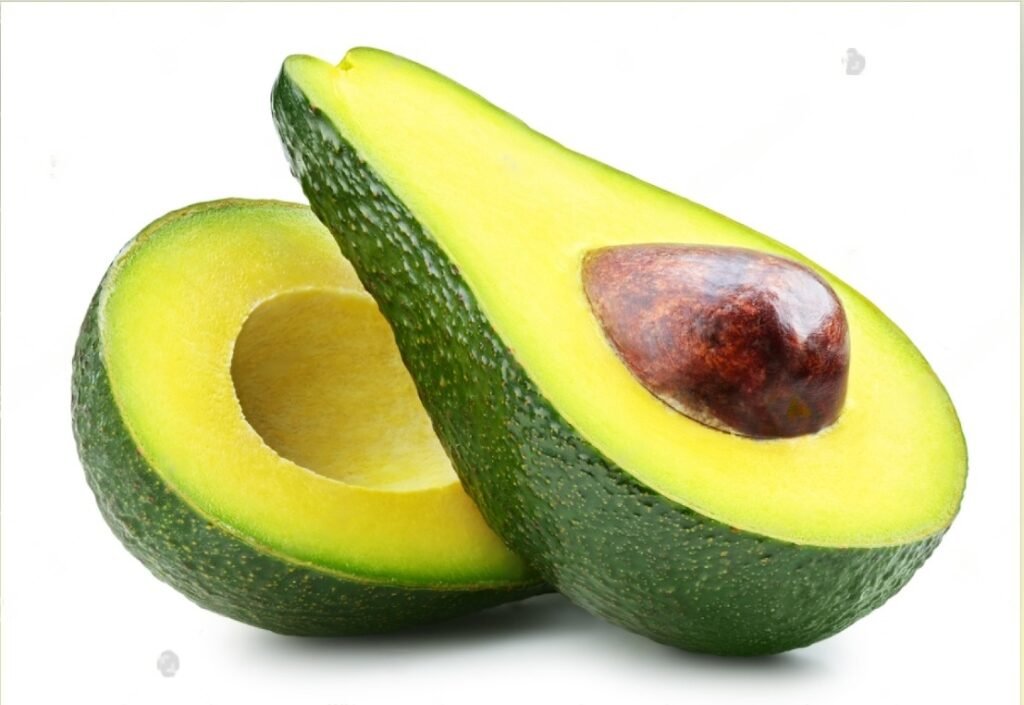
Avocados are generally considered to be a low-acid food, with a pH level ranging from 6.3 to 6.6. This makes them slightly acidic but not highly acidic. However, avocados are typically well-tolerated by most people, including those who suffer from acid reflux. In fact, avocados can actually help alleviate symptoms of acid reflux due to their creamy texture and healthy fat content.
Avocados are a good source of monounsaturated fats, known as “healthy fats.” These fats are less likely to trigger acid reflux symptoms than other types of fats, such as saturated or trans fats. Avocados also contain fiber, which can help with digestion and promote regular bowel movements, potentially reducing the risk of acid reflux.
This article will discuss whether avocados are acidic or alkaline and whether they cause acid reflux and heartburn.
So, Are Avocados Acidic Or Alkaline?
Avocados are slightly acidic with a pH ranging from 6.3 to 6.6. We know that anything with a pH value less than 7 is acidic and anything with a pH of greater than 7 is alkaline. Things with a pH of exactly 7.0 are considered precisely neutral.
Ripe avocados have a pH in the range of 6-7, which means they are slightly acidic, but very close to neutral.
There may be some confusion because the pH of an avocado depends partly upon its condition. Unripe avocados have a lower pH, and ripe avocados have a higher pH.
pH Level of Avocado
The pH level of avocados is approximately 6.27 to 6.58, which is slightly acidic. Many fruits have a pH that is much lower than this, in the moderately to significantly acidic range. The lower the pH, the more sour or tart the fruit typically tastes. Avocados typically do not taste sour, and this is because their pH is so close to neutral.
| Fruit | pH Value |
| Unripe Avocado | 6.27 to 6.58. |
| Avocado Oil | 7.5 |
In the table above, we can see the pH level of unripe avocado and avocado oil. Avocado is a very healthy fruit with a slight acidic pH. Again, the extract of avocado, the oil consists of an alkaline pH with lot’s of health benefits such as a healthy heart and moisturizing skin. It is good for using as cooking oil and also for applying on the skin.
Related Article: Are Peaches Acidic? Do Peaches Trigger Acid Reflux?
How Nutritious Are Avocados?
Below we have a chart of the nutritional values of avocados. This helps us understand the ways in which avocados can be beneficial for us.
| Avocados Content | Amount |
| Energy | 50 cal |
| Fat | 30 gm |
| K | 485 mg |
| Vitamin C | 10 mg |
| Vitamin E | 2.07 mg |
This table shows that avocados are indeed one of the most nutrient-dense fruits available. They contain a significant amount of energy, which we measure in calories. They also contain a lot of healthy fats.
Since avocados are high in calories and fat, they should be eaten in small or moderate amounts. Eating them in excessive amounts is likely to lead to weight gain.
For children who are having a hard time gaining weight, avocados are an excellent source of calories, and are easy to add to many meals.
Vitamin & Minerals in Avocados
Avocados are one of the best sources of vitamins and minerals. They provide more than 35% of the RDI of vitamin K and Cu in every 100 gm of avocado. These substances work as antioxidants and help a person strengthen his or her immune system to be able to fight against diseases.
| Avocados | Amount (%RDI)/100 gm |
| Vitamin K | 35% |
| Vitamin E | 28% |
| Vitamin C | 22% |
| Cu | 42% |
| K | 21% |
| Mg | 14% |
| Mn | 12% |
This table gives you the overall idea about avocados as a rich source of vitamins and minerals. Overall, this is one of the best fruits to start adding to your diet.
Related Article: Are Bell Peppers Acidic? Are Bell Peppers Bad for Acid Reflux?
Avocado For Acid Reflux: Are They Good or Bad?
Avocados are a very healthy fruit to add to your diet (in small portions). However, they may have downsides as well. As a high-fat food, they may aggravate acid reflux symptoms. Let’s discuss this in more detail.
Do Avocados Cause Acid Reflux?
Avocados are typically well-tolerated by most people and do not commonly cause acid reflux. However, triggers for acid reflux can vary from person to person, so it’s important to pay attention to your body’s response to avocados.
Let’s discuss the ways in which avocados may worsen acid reflux. One of the triggers for acid reflux and heartburn symptoms in many people is consuming high-fat foods. This is because fat can cause the esophageal sphincter to relax. The esophageal sphincter is a muscle at the top of the stomach that works to keep food and stomach acid in the stomach. When it relaxes, food and acid can reflux, or flow backwards, into the esophagus.
Avocados contain monounsaturated fats which are a very healthy type of fat – but they have a lot of it! Depending on the serving size, they can have as much fat as a hamburger. So, they are likely to cause the esophageal sphincter to relax, worsening reflux symptoms.
Do Avocados Increase Stomach Acid?
Avocados are not known to significantly increase stomach acid production. While they are slightly acidic with a pH ranging from 6.3 to 6.6, they are generally well-tolerated by most people and do not commonly cause an increase in stomach acid.
However, they increase stomach acid because they are a high-fat food, which takes time to digest. This causes the stomach to produce more acid, leading to a more acidic environment in the stomach. The likelihood of experiencing symptoms from eating avocados is higher when they are eaten with acidic foods. Avocados are often eaten with tomatoes in some meals, and since tomatoes are acidic, this is a combination that can worsen reflux symptoms.
As we have said, avocados, as a high-fat food, also help the esophageal sphincter relax. This, in combination with increased stomach acidity, can really worsen reflux symptoms.
Related Article: Are Carrots Acidic? Carrots for Acid Reflux: Good or bad?
Does Avocado Cause Heartburn?
In general, avocados are not known to be a common cause of heartburn. However, as with any food, individual reactions can vary. Some people with acid reflux or gastroesophageal reflux disease (GERD) may find that avocados exacerbate their symptoms, while others may tolerate them well. Avocados are slightly acidic with a pH ranging from 6.3 to 6.6, but their healthy fat content and creamy texture may actually help alleviate heartburn in some individuals.
If you have concerns or experience heartburn after consuming avocados, it’s best to pay attention to your body’s response and consult with a healthcare provider for personalized advice.
If you are experience heartburn after eating avocados consult with a healthcare provider. They can help determine if avocados or other factors may be contributing to your heartburn and provide recommendations based on your individual health needs.
5 Health Benefits of Avocados
Despite some of the symptoms that may result from eating avocados, you will be surprised to learn that it is one of the most nutritious foods. Avocados come with some unique health benefits. Let’s see some of those benefits of avocados.
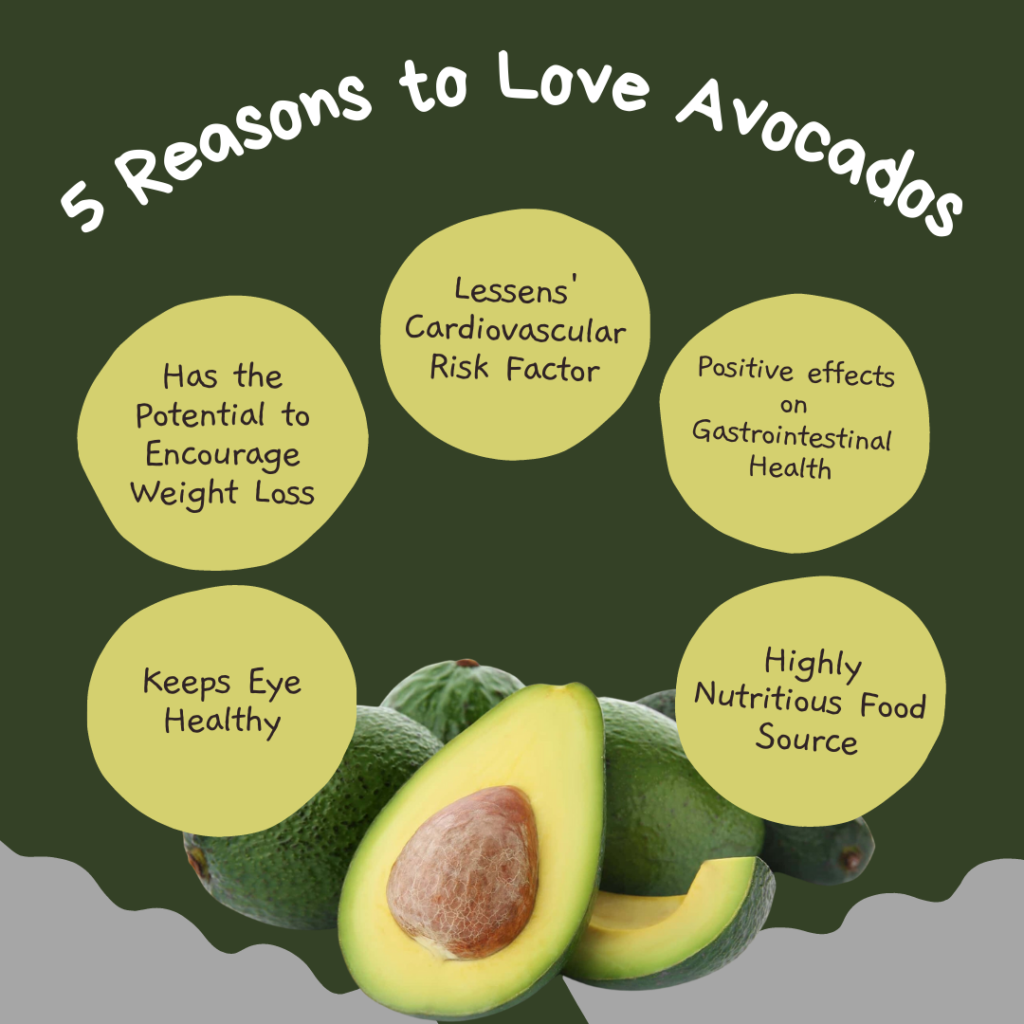
Highly Nutritious Food Source
Avocados are a concentrated source of healthy fats and fiber, making them a nutritious fruit. Vitamins B6, C, and E, magnesium, and folate are just some of the nutrients you’ll find in abundance.
Positive Effects on Gastrointestinal Health
About 14 grams of fiber can be found in one avocado. That’s almost half the recommended daily allowance for this vital nutrient in just one avocado. Eating a wide variety of foods high in fiber is one of the most important things you can do for your digestive health.
Decreases Risk of Cardiovascular Disease
Consuming avocados and other nutrient-dense foods regularly may offer protection against cardiovascular disease.
Avocados help maintain a healthy cardiovascular system because they contain beneficial nutrients and a large amount of heart-healthy fats.
Promoting Eye Health
Avocados contain a significant amount of vitamin E and carotenoids that help keep the vision stable and help maintain your eye health. Overall, among the several benefits of avocados, this one is particularly important, and one of the reasons that nutritionists recommend eating them.
Related Article: Are Apples Good for Diabetics? Best Type of Apples for Diabetics
Is Avocado Juice Healthy?
Avocados have a lot of health benefits. They help protect your body from chronic diseases. Avocados have a low glycemic index, which means they will not cause a spike in your blood sugar level, which is helpful for people who have type 2 diabetes. Avocado puree can be used in smoothies as a way to add healthy fats, especially for people attempting to gain weight.
However, like with any food, allergic reactions are possible. If you experience itching, respiratory issues, or signs of anaphylaxis, you should avoid drinking avocado juice.
Are All Avocados Acidic?
No. To put it simply, a ripe avocado will have a higher acidity level than an unripe one. This is because as fruits ripen, the sugar content rises and acidity level drops. Lower acidity means higher pH. Ripe avocados have an almost neutral pH.
FAQ’s
Is Avocado OK to Eat If You Have Acid Reflux?
Yes, avocados are generally well-tolerated by most people, including those with acid reflux. They are low in acidity and their healthy fat content may even help alleviate symptoms of acid reflux in some individuals. However, it’s important to listen to your body and consult with a healthcare provider for personalized advice.
Are Avocados Acidic or Alkaline?
Avocados are slightly acidic, with a pH ranging from 6.3 to 6.6. Ripe avocados are almost neutral, with a pH close to 7. However, keep in mind that this is very close to neutral, so ripe avocados are in the slightly acidic to neutral range.
Can Avocado Irritate Your Stomach?
Yes, they can irritate your stomach if you eat excessive amount Avocados. Eating too much avocados, like any high-fat food, causes your body to release a hormone that relaxes your esophageal sphincter. The esophageal sphincter is a muscle at the top of the stomach that prevents food and stomach acid from flowing backwards, up into the esophagus.
So, relaxing this muscle can allow stomach acid to flow into the esophagus, causing irritation. The stomach’s emptying time is also increased when you eat avocados, which can prolong the discomfort of acid reflux and heartburn.
Do Avocados Cause Acidity?
Avocados are slightly acidic with a pH ranging from 6.3 to 6.6, but they are not known to cause increased acidity in the body. However, as with any food, individual reactions can vary, and some people may experience increased acidity or discomfort after consuming avocados.
Conclusion
Finally, we have all the information we need to know about “Are avocados acidic?”
In the end, we could say avocados are a great choice of produce, especially if you are not prone to acid reflux. Use caution if you do suffer from acid reflux. If you find that avocados exacerbate your symptoms, then they are a food to avoid, despite the health benefits they offer.
Related Posts



Subscribe for New Racipies
Get mental health tips, updates, and resources delivered to your inbox.
Pâté au Saumon (Salmon Pie)

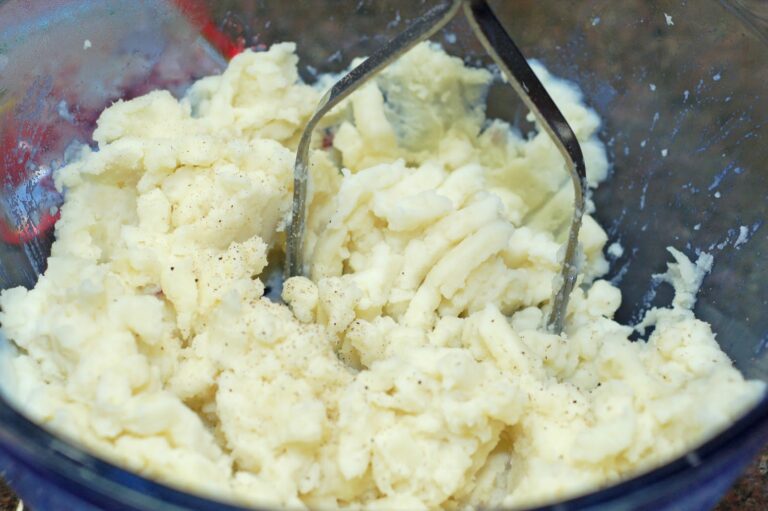

My grandmaman always made the best pies. Maple sugar pies, blueberry pies, raisin pies, etc. She always had a freezer full of homemade pies. But the one I used to ask her to make the most when I was younger is this dinner pie. It’s a simple pie, just mashed potatoes and a package of salmon. Of course grandmaman made her pie crust from scratch. That is on my bucket list of things to learn how to make. One day, when I have more free hours in a day, I will conquer it. For now I keep it simple and buy the ready made pie crusts.

Grandmaman used to make this pie around Easter time, for those meatless Fridays during Lent. But this pie is great for any day of the week. It’s easy to make and it tastes great.

You can boil your potatoes on the stove-top, but I actually boil mine in the microwave with my Pampered Chef Rice Cooker. Only 10 minutes and they are fork tender.

You want the mashed potatoes to be moist, but not watery. You don’t want a soggy pie crust.

I did end up adding a light egg wash over the crust before putting it in the oven to to get it to have a golden glow.

Typically in Quebec, they just slap on some ketchup and call it a meal. And I am ok with that. That is how I grew up eating it. But, this time I wanted to fancy it up a bit, so I made a a creamy lemon dill sauce to accompany it.

Since Chobani was kind enough to send me some of their tasty Greek style yogurts to sample, I wanted to incorporate them into the sauce. If you haven’t tried their yogurt yet, I highly recommend you try it. And no they didn’t pay me to say that. I have been eating their yogurt for a while now and like it better than the Yoplait I used to eat. It does have a slightly sour aftertaste, but the the texture is smoother and the flavored ones don’t have that overly sweet taste that the other yogurts have. I have used it in smoothies and some of my desserts with great results. Even my little ones like Chobani.

I was really pleased at how creamy this sauce came out. I think it would make a great veggie dip also. I just put it on my slice of pie cold, but you can warm it up a little in the microwave if you like.

You can serve this up with a side of veggies, or a salad. Either way, it makes for a delicious meal. And for those of you that are curious, yes my grandmaman is still alive and very healthy. She just happens to live in an assisted living type facility and does not have a kitchen in her small apartment, so she doesn’t cook anymore. I miss her pies.
Pâté au Saumon (Salmon Pie)
by The Sweet Chick
Prep Time: 20 minutes
Cook Time: 15-20 minutes
Keywords: bake entree salmon mashed potatoes greek yogurt lemon Easter pie French Canadian
Ingredients (6-8 servings)
For the pie
- 4 or 5 medium potatoes
- 1/2 cup milk
- 1 tablespoon butter
- 1 (5 oz.) package pink salmon (skinless, boneless)
- 2 – 9inch ready made pie crusts
- 1 egg
- salt and pepper to taste
For the sauce
- 1/2 cup Chobani greek yogurt, plain
- 1/3 cup mayonaise
- 1 tablespoon chopped fresh dill
- 1/2 teaspoon grated lemon peel
- 1 tablespoon fresh lemon juice
- 1/8 teaspoon pepper
Instructions
For the pie
Preheat oven to 375º F.
Peel and cut potatoes into halves, place in a medium pot and cover with water.
Bring water up to a boil over medium high heat on stove top and boil for 10-15 minutes or until potatoes are fork tender.
Drain potatoes and place in a large bowl. Mash potatoes until no longer lumpy.
Add butter and milk and mix by hand until completely blended. Then add salt and pepper to taste. (I am usually a little heavy on the salt.)
Add in the salmon and mix until all incorporated.
In a 9 1/2 inch pie plate, place the first pie crust at the bottom and fill with the potato/salmon mixture.
Next, place the second pie crust over the mixture. With your hands or a fork, go around the entire pie and press the two pie crusts together at the edges to seal. Cut off any excess crust with a knife.
Cut 3 or 4 small slits in the top crust to vent.
In a small bowl whisk the egg and with a pastry brush, brush a thin layer over the top pie crust.
Place pie in the oven and bake for 15-20 minutes or until the crust is a golden color and flaky.
Remove from oven and let sit for 5 minutes before serving.
For the sauce
Place all ingredients in a medium bowl and mix until well blended, then serve with the pie. If you want you can warm up the sauce in the microwave for 15-20 seconds or until desired temperature is achieved.
Related Posts






Subscribe for New Racipies
Get mental health tips, updates, and resources delivered to your inbox.