
Brioche Hamburger Buns, Or Let’s Get That Grill Fired Up

Medically reviewed by Christiana George Updated Date: June 8, 2023

brioche hamburger buns

I don’t know about you, but I’ve always viewed hamburger buns as purely functional things. They’re receptacles, carb-wrappers, so you don’t get your hands dirty while eating the truly desirable bits within. Cheese, for instance, and grilled onions, and sauteed mushrooms. Oh right, and the patty too.

Buns are integral to the entire structure of the burger, yet they’ve done little to niggle my desire, warrant my enthusiasm, or raise lustful thoughts (and shouldn’t they? Given their namesake and all). Until now, that is.

These buns—blogged about by Deb and later Sara—are dreamy: as in, they bake like a dream, come together in a cinch, and their ingredients can be found in most anyone’s pantry. They’re also versatile: I chose all-purpose, whole wheat, and rye flour to go in mine, and they came out hearty but light, soft but complex. But most importantly, they raise the hamburger bun to a higher echelon, one that will no longer be left until the end as an afterthought. And is there anything worse than forcing yourself to eat afterthoughts?


You’ll be ready to fire up your grill after making these.
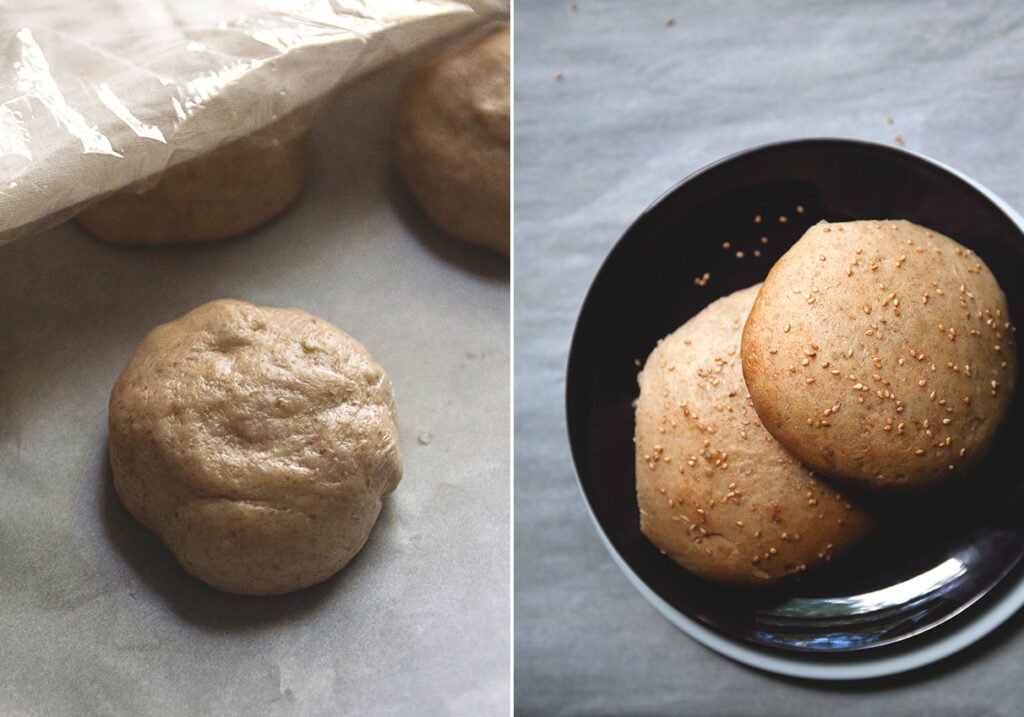
Brioche Buns

BRIOCHE HAMBURGER BUNS

Adapted from Smitten Kitchen and Sprouted Kitchen
Makes 8 regular-sized buns

Ingredients:

3 Tbsp warm milk
2 tsp active dry yeast
2-1/2 Tbsp sugar
2 large eggs
1/2 cup whole wheat flour
1/2 cup rye flour
2-1/3 cups all-purpose flour
1-1/2 tsp salt
2-1/2 Tbsp unsalted butter, softened
sesame seeds (if desired)

Directions:

In a glass measuring cup, combine one cup warm water, milk, yeast and sugar. Let stand until foamy, about five minutes. Meanwhile, beat one egg.

In a large bowl, whisk the flours with the salt. Add the butter by rubbing it into the flour between your fingers, making crumbs. Stir in the yeast mixture and beaten egg until a dough forms. Scrape onto a clean, well-floured counter and knead (by scooping it, slapping it onto the counter, and turning) until smooth and elastic (8 to 10 minutes). It should be sticky, so try not to knead in too much flour.

Shape the dough into a ball and return it to the bowl. Cover it with plastic wrap and let it rise until doubled (1 to 2 hours).

Line a baking sheet with parchment paper. Divide the dough into 8 equal balls. Gently roll each ball and arrange them 2 to 3 inches apart. Cover the baking sheet loosely and let the dough rise until doubled (1 to 2 hours).


Set a shallow pan with water in it on your oven floor or lower rack. Preheat the oven to 400 degrees Fahrenheit. Beat the other egg with 1 Tbsp of water and brush the egg wash onto the buns. Sprinkle sesame seeds on top, if using. Put the baking sheet in the oven and bake for about 15 minutes (turning halfway through), until the buns are golden-brown. Transfer to a rack and cool.

Note: I kept them in the fridge for about a week after I baked them and they still tasted good. Just heat them up on the grill or toast them right before eating.


Subscribe for New Racipies

Get mental health tips, updates, and resources delivered to your inbox.

Are Protein Bars Healthy? Exploring Benefits, Alternatives, and Precautions

Christiana George
protein bars

Protein bars have become a popular choice for those seeking a quick and convenient source of protein, calories, and carbohydrates to fuel their busy lives. However, it’s essential to address the lingering question: Are protein bars healthy?

Protein bars can be a healthy and convenient snack option, but it is important to choose one that is low in calories and added sugar, and made with whole, natural ingredients. It is also important to be mindful of how many protein bars you are consuming, as they can be high in calories.

In this article, we will delve into the intricacies of protein bars, discussing their nutritional aspects, benefits, potential alternatives, and important precautions.


The Nutritional Composition of Protein Bars

The nutritional content of protein bars varies significantly due to two primary factors: the ingredients used and the serving size. Let’s begin by examining the ingredients commonly found in protein bars:

  1. Healthy Ingredients: Many protein bars incorporate nutritious components such as dates, nuts, seeds, dried fruits, and oats. These ingredients provide essential vitamins, minerals, and fiber.
  2. Protein Sources: Protein bars derive their name from the protein content they offer. They can contain protein from sources like yogurt powder, milk, egg whites, brown rice, quinoa, whey, soy, pea, and others.
  3. Additional Components: Some protein bars may include artificial sweeteners to enhance flavor, although the health implications of these additives can vary.

The serving size of protein bars also plays a crucial role in determining their nutritional value. Typical serving sizes range from 30 grams to 85 grams, and this impacts the calorie, protein, fiber, fat, and vitamin content of each bar.

protein bars

For a general guideline, most protein bars on the market aim to provide:

  • Calories (150 to 400): Bars in the 150-300 calorie range are suitable for snacking or gaining energy during the day.
  • Protein (at least 10g): To meet your protein intake goals, ensure that your chosen protein bar contains a minimum of 10 grams of protein.
  • Fiber (at least 5g): A higher fiber content helps keep you feeling full and satisfied.
  • Fat (moderate, ideally around 10g): While some fat is necessary, opting for bars with moderate fat content is advisable.
  • Vitamins and Minerals: Check the bar’s packaging for essential nutrients like B vitamins, vitamin D, calcium, potassium, iron, and sodium. These contribute to overall energy and well-being.

For instance, an 85g protein bar may contain approximately 290 calories, 20g of protein, 136mg of calcium, 2mg of iron, 400mg of potassium, 38g of carbohydrates, 95mg of sodium, and 7g of total fat. This can be considered a well-balanced option.

Related Article: Are Nature Valley Bars Healthy? Expert Analysis & Nutritional Insights

Benefits of Protein Bars

Protein bars offer several health benefits:

  1. Muscle Repair: Protein bars are effective for post-workout muscle recovery, thanks to their protein content.
  2. Weight Management: These bars can aid in weight loss by providing a convenient source of protein, reducing the likelihood of overeating.
  3. Weight Gain: For those aiming to gain weight, protein bars provide a calorie-dense option to supplement their diet.
  4. Muscle Building: Protein bars can contribute to muscle growth and enhanced physical performance, especially when consumed in accordance with experts’ recommendations (about 1.5g/kg of body weight).
  5. Meal Replacement: In some cases, protein bars can serve as a convenient meal replacement option.

Are Protein Bars Ideal for Weight Loss?

Yes, protein bars can be beneficial for weight loss. Several protein bar brands offer options that are high in fiber, which promotes a feeling of fullness. When consumed in moderation, they can help you achieve your calorie and protein goals. However, it’s crucial to maintain a balanced diet and avoid excessive protein intake.


Can Protein Bars Contribute to Weight Gain?

The impact of protein bars on weight gain depends on your overall calorie consumption and physical activity level. If you consistently consume more calories than you burn, regardless of their source, it can lead to weight gain. Additionally, some protein bars contain multiple types of fat, which can contribute to weight gain if not offset by exercise.

Eating Protein Bars without Exercise

It is possible to consume protein bars without engaging in physical exercise, but it’s essential to be mindful of your overall calorie intake. Incorporating protein bars into your diet can provide valuable calories, fiber, and essential nutrients, even when not exercising.

Is Daily Consumption of Protein Bars Advisable?

While daily consumption of protein bars is generally safe, it’s important to consider potential side effects. Excessive consumption can lead to weight gain and may contribute to metabolic issues. Ensure you balance your daily intake of calories and fat when incorporating protein bars into your diet.

Are Protein Bars Suitable for Breakfast?

While protein bars are a convenient option for a quick snack or meal replacement, they are not ideal for breakfast. Starting your day with a nutritious breakfast comprising real foods like fruits or traditional meals provides a better foundation for your daily nutritional needs. Save protein bars for mid-day snacks or between meals.

Are Protein Bars Healthy Before Bed?

Consuming protein bars before bedtime can be a healthy choice. Studies indicate that protein intake before sleep can boost muscle growth and synthesis. It helps maintain a balanced protein profile and can support muscle development, growth hormone release, and weight management.

Related Article: Are Waffles Healthy? Exploring Expert Insights for Nutritious Choices

Are Protein Bars Safe During Pregnancy?

While protein bars are generally safe during pregnancy, they may not always be the healthiest option due to their high calorie content and potential additives. It’s advisable for expectant mothers to explore more balanced and nutrient-rich alternatives.


Exploring Protein Bar Alternatives

Protein bars, while convenient, may not be the only option to meet your dietary needs. Consider these healthier alternatives:

  • Fruits: Opt for natural options like apples, oranges, almonds, avocados, bananas, and peanuts for a nutritious snack.
  • Whole Foods: Incorporate wholesome options such as ranch dressing, boiled eggs, or deli turkey roll-ups into your diet.
  • Canned Foods: Canned items like black beans, kidney beans, salmon, tuna, and sardines offer protein and other essential nutrients.
  • Protein Items: Explore alternatives like protein powder, high-protein foods, protein drinks, or even homemade energy bars.

These alternatives can provide the same energy and satiety you seek from protein bars, often in a more natural and cost-effective way.

FAQs

When should you eat a protein bar?

Protein bars are suitable for consumption during breaks, between meals, as pre-workout or post-workout snacks, or when you need a convenient source of energy during busy workdays.

What are the side effects of protein bars?

Excessive consumption of protein bars, like any calorie-dense food, can lead to weight gain. It is crucial to maintain a balanced diet to avoid potential side effects.

Are protein bars hard on the kidneys?

In general, protein bars do not have a negative impact on kidney health when consumed in moderation. Individuals with specific kidney conditions should consult their healthcare providers.

How many protein bars should I eat a day?

The number of protein bars you can safely consume in a day depends on your individual calorie needs, activity level, age, and weight. Be mindful of your overall daily calorie intake.

Conclusion

Protein bars can be a valuable addition to your diet, serving various purposes from muscle recovery to weight management. When chosen wisely and consumed in moderation, they contribute to a balanced and nutritious lifestyle.

Remember to pay attention to your calorie and fat intake, and explore alternative options to keep your diet varied and wholesome. Best of luck on your journey to health and well-being!


Subscribe for New Racipies

Get mental health tips, updates, and resources delivered to your inbox.