
Are Nature Valley Bars Healthy? Expert Analysis & Nutritional Insights

Medically reviewed by Christiana George Updated Date: January 4, 2026

What’s better than a delicious, whole grain-packed snack that you can easily eat on the go?
In the case of Nature Valley bars, it’s easy to think that you’re eating healthy and fueling your body with fiber and vitamins. Why not? These bars have always been advertised as healthy snacks, with their simple ingredient lists and light nutritional values on the side of the box. But are nature valley bars healthy?
Nature Valley bars contain more calories than most candy bars, but they also contain ingredients that aren’t even food! They are often high in sugar and may contain unhealthy ingredients like palm oil. Plus, the bars are often processed and lack the nutritional benefits of whole foods.
Find out why Nature Valley bars may not be as healthy as you think in this article.
Are Nature Valley Bars Healthy?
It’s easy to believe that an item marketed as healthy must be good for you, but that isn’t always the case. Nature Valley bars are among the most popular snack bars on the market, but they may not be as healthy as you think.
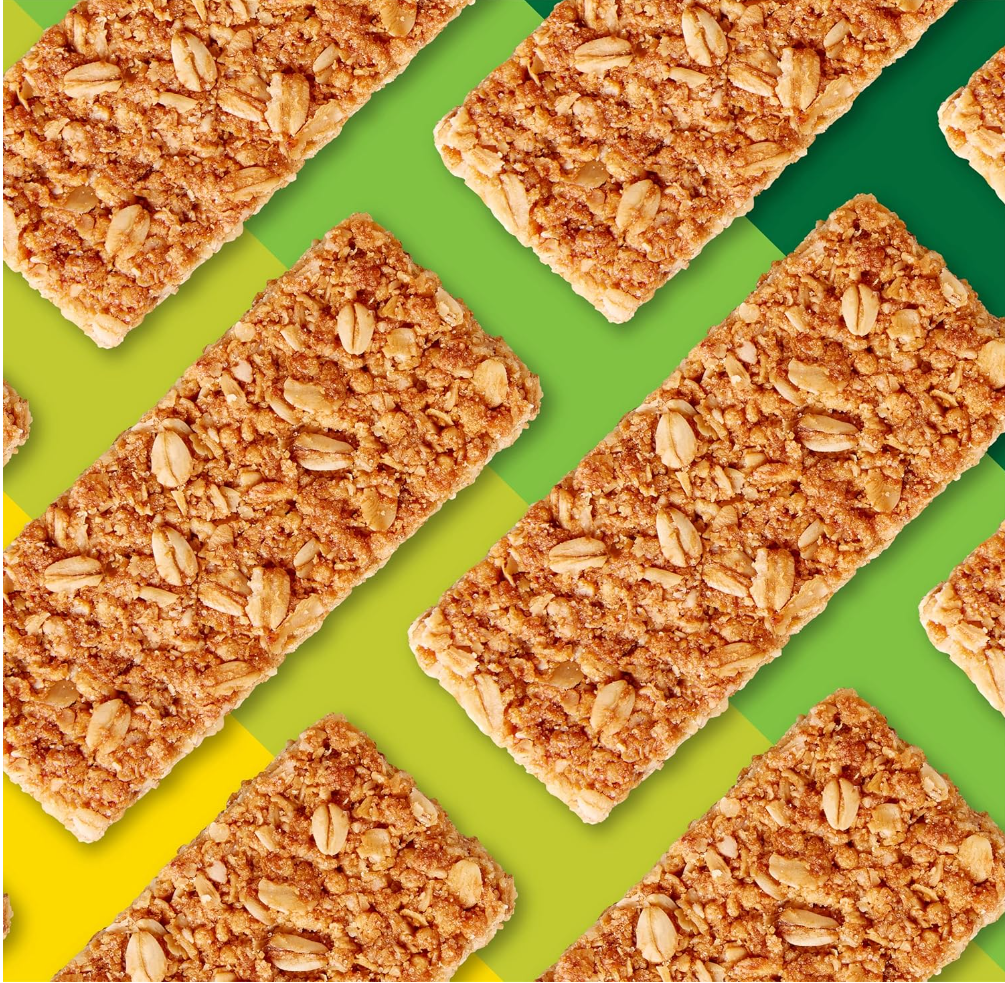
Although they are advertised as being 100% natural and delicious, there are actually numerous ingredients that would seem strange in any other food product. Let’s look at the reasons to avoid these bars.
| Nature Valley Bar | Calories | Fat | Saturated Fat | Sodium | Carbohydrates | Dietary Fiber | Sugars | Protein |
| Oats ‘n Honey Crunchy Granola Bar (2 bars) | 190 | 7g | 2.2g | 140mg | 29g | 3g | 6g | 2g |
| Peanut Butter Crunchy Granola Bar (2 bars) | 190 | 8g | 2g | 140mg | 28g | 3g | 5g | 3g |
| Sweet & Salty Nut Trail Mix Fruit & Nut Bar (2 bars) | 150 | 5g | 1g | 110mg | 25g | 3g | 6g | 2g |
| Almond Butter Crunchy Granola Bar (2 bars) | 180 | 7g | 2g | 140mg | 27g | 2g | 5g | 3g |
| Apple Cinnamon Crunchy Granola Bar (2 bars) | 170 | 7g | 2g | 140mg | 26g | 3g | 6g | 2g |
| Honey Almond Dark Chocolate Trail Mix Fruit & Nut Bar (2 bars) | 160 | 6g | 1g | 110mg | 26g | 3g | 6g | 2g |
High in sugar
While Nature Valley granola bars contain some healthy ingredients like whole grain oats and nuts, they also have a lot of sugar and processed ingredients. Sugar is often found in the form of brown rice syrup, honey, cane juice, corn syrup, chocolate, and fruit puree concentrate.
One bar contains nearly 6-12 grams of sugar, depending on the flavor of the bar. Their Fruit & Nut flavor bar range has comparatively less sugar (6-8 grams) than the Crunchy granola flavored bar range (10-12 grams).
Made From Processed Oil
While the ingredients in Nature Valley bars may be natural, the bars are made with processed oil. It means that the bars are high in unhealthy fats and calories. One of the main ingredients in Nature Valley bars is palm oil.
This oil is highly processed and refined, which means that it can be high in unhealthy saturated fats. Furthermore, some studies have shown that oils like palm oil may lead to higher cholesterol levels in people who eat a lot of it.
No Substantial Amount Of Fiber
Furthermore, Nature Valley bars have no protein or fiber content, making it difficult to control hunger and stabilize blood sugar levels. Fiber is an essential part of a healthy diet and helps keep you feeling full after eating. It means you may not feel satisfied after eating one and could end up snacking more later on.
The highest fiber content is Nature Valley’s variety of XL protein bars, which is 7 grams.
High In Calories
Counting calories? Unfortunately, Nature Valley bars cannot be your best ‘snack’ friend.
Nature Valley bars are often marketed as a healthy snack option, but they can actually be quite high in calories. This is because they are often made with processed ingredients and added sugars.
The most popular flavor, the chewy peanut butter chocolate chip bar, has 210 calories per serving. If you eat two of these bars in one sitting, you’ve consumed 420 calories- the equivalent of a McDonald’s hamburger!
Related Article: Are Nutri Grain Bars Healthy? Expert Insights and Nutrition Analysis
Deconstructing the Ingredients
Nature Valley bars, marketed as a wholesome snack, often list a variety of ingredients on their packaging. Let’s break down these components to better understand what goes into these bars.
1. Common Ingredients and Their Purposes
- Whole Grain Oats: A key ingredient known for its complex carbohydrates and fiber content, providing sustained energy.
- Sugar: Frequently used as a sweetener, it enhances the taste but can contribute to high sugar content.
- Vegetable Oils (Canola or Palm Kernel): These oils add moisture and texture to the bars but may contain saturated fats.
- Rice Flour: Often used for texture and as a binding agent.
- Honey or Syrup: Natural sweeteners that also help bind the ingredients.
- Salt: Used for flavor enhancement and as a preservative.
- Baking Soda: A leavening agent that affects the texture of the bars.
- Natural Flavor: Typically derived from real foods but may be used in small amounts for added taste.
2. Additives, Preservatives, or Artificial Flavorings
Nature Valley bars typically do not contain artificial flavors, colors, or preservatives. However, the “natural flavor” listed in the ingredients may raise questions about the specific sources.
3. Role of Sweeteners
Sweeteners like sugar, honey, or syrup are essential for enhancing the taste of Nature Valley bars. However, they also contribute to the sugar content, which can be a concern for those monitoring their sugar intake. The impact on the nutritional profile varies depending on the specific bar variety.
Is There Anything Good About Nature Valley Bars?
You might be wondering if your favorite brand of bars actually has something good stored in for you or not. Well, yes, nature valley bars have some good stuff in them. But will overweight people have bad sides eating them? Let’s see.
Contain Whole Grains
They contain oats in the form of whole grains. Oats are whole grain, and they’re packed with fiber and nutrients. Studies have shown that oats can help lower cholesterol, stabilize blood sugar levels, and even reduce the risk of heart disease.
While Nature Valley bars have some redeeming qualities, such as being made with whole grains, they also contain a lot of sugar and unhealthy fats. These ingredients can cause weight gain and lead to more serious health problems like diabetes or heart disease.
Contains Nuts
Different types of nature valley bars have different nut varieties. Unless you are not allergic to nuts, you will get a good source of protein, fiber, and healthy fats from them. You may think the presence of nuts can help you lose weight, lower your cholesterol, and reduce your risk of heart disease.
Despite the presence of these healthy ingredients, a single Nature Valley bar contains an unusual amount of calories, added sugar, and other preservatives, which overtakes all these health benefits.
Who Should Avoid Nature Valley Bars
Consuming Nature Valley bars is not harmful to health as long as you eat in moderation (supposedly 1 or 2 bars a week). However, if you fall under this category of people, you should count on how you eat these ‘so-called’ nutritious bars.
People Trying To Eat Healthily
If you are on a healthy diet or working out to lose that extra kilo, Nature valley bars are not for you to snack on.
Nature Valley bars are high in sugar and calories, leading to weight gain. They also contain artificial ingredients and preservatives, which may be harmful to your health. If you’re trying to eat healthily, it’s best to avoid Nature Valley bars.
Vegans Should Avoid
If you are following a vegan lifestyle, you should avoid a certain range of Nature Valley bars.
All the flavors from the Sweet and Salty bars and protein bars range of Nature Valley contain milk; therefore, it is not for vegan diets.
But, nature valley has some options for you in a completely vegan-friendly range which is their Fruit & Nut bars range. Moreover, the Crunchy Granola bar range is somewhat vegan, except for some which contain honey; simply avoid that!
Related Article: Are Waffles Healthy? Exploring Expert Insights for Nutritious Choices
Healthy Alternatives of Nature Valley Bars
While Nature Valley bars may seem like a healthy snack option, they are actually quite high in sugar and calories. If you’re looking for a healthier alternative, try one of these five options:
1. Cliff Bars
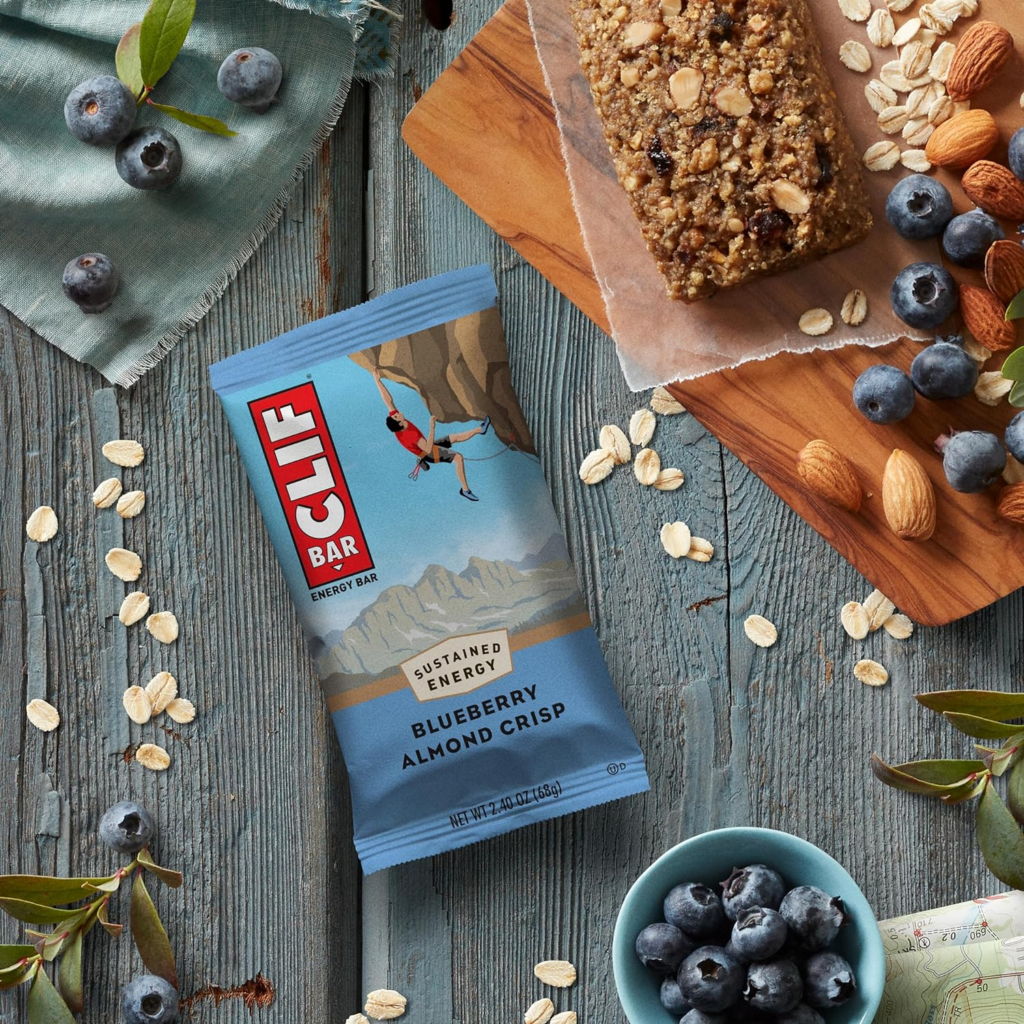
They have more protein and fiber than most nature valley bars. Clif Bars are a popular snack choice known for their higher protein and fiber content compared to most Nature Valley bars. Packed with nutritious ingredients, Clif Bars offer sustained energy and are a satisfying option for those seeking a more substantial and health-conscious snack. Get Clif Bar here.
2. Lara Bars

They have less sugar than most nature valley bars. Lara Bars are a great alternative to Nature Valley bars for those looking to reduce their sugar intake. These bars are known for their minimal ingredient lists, often consisting of just a few simple and natural components. With less sugar content, Lara Bars offer a wholesome and satisfying snack option for health-conscious individuals. Get LaraBar here.
3. KIND Bars
They are not only gluten-free but also vegan and non-GMO. They are made with all-natural ingredients, including nuts, seeds, fruit, and spices.

KIND Bars are a top choice for individuals seeking gluten-free, vegan, and non-GMO snack options. Crafted from a blend of all-natural ingredients like nuts, seeds, fruits, and spices, KIND Bars offer a delicious and health-conscious choice for those with dietary preferences and concerns. Buy KIND from Here.
4. Fruit by the Foot
This healthier option has half the amount of sugar as most nature valley bars. Fruit by the Foot is a healthier alternative to Nature Valley bars, boasting just half the amount of sugar.

These fruity snacks provide a sweet and satisfying treat with reduced sugar content, making them a preferred choice for those looking to enjoy a delightful snack without excessive sugar intake. Get it from here.
5. Homemade Granola Bars
If you’re looking for a homemade alternative to Nature Valley bars, consider homemade granola bars or a simple fruit and nut mix.
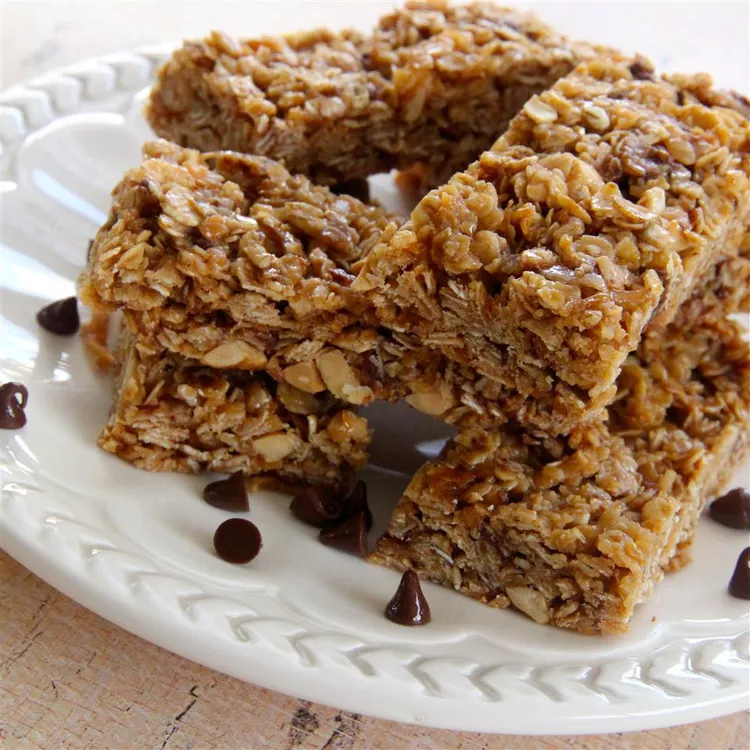
These options will likely be lower in sugar and calories and higher in fiber and nutrients, and of course, the best option than any packaged so-called healthy bars.
FAQs
Are nature valley bars good for weight loss?
While Nature Valley bars contain some healthy ingredients like whole grain and nuts, which might seem helpful in losing weight, they also contain a lot of sugar, calories, and other fattening ingredients. So, if you’re looking to lose weight, you may want to consider other options.
Are nature valley bars gluten-free?
Nature Valley has a whole range of gluten-free bars, where they specifically mention them as gluten-free. However, from that line, nature valley’s other bars are also made from non-glutinous whole grain oats. However, it is always better to read the labels to see if your preferred bars have gluten or not.
Are nature valley bars vegan?
Though Nature Valley markets itself as a health-conscious brand, not all of its products are vegan. In fact, some of its granola bars contain honey, an animal by-product. However, one of their bars- The Crunch and Fruit & Nut, is the most vegan-friendly of all as it seems not to contain any animal-derived ingredient like milk or honey.
Are nature valley bars dairy free?
Not all, but some of the nature valley bars are made for milk-free households. According to their ingredient labeling, the Nature Valley crunchy granola bars, Nature Valley oats & honey bars, and the Nature Valley Crunch and Fruit & Nut bars do not contain any dairy ingredients.
However, if you are completely lactose-intolerant, you may want to reassure yourself by reading the labels.
Final Thought
Are Nature Valley bars healthy? Its depend, while they often contain whole grains and nuts, providing essential nutrients and fiber, they can also be high in added sugars and unhealthy fats.
Nature Valley bars may not be what you’re putting into your body when you eat these supposedly nutritious snacks. Just because nature valley bars are labeled, natural doesn’t necessarily mean it’s healthy. In fact, many natural foods are processed and high in sugar, fat, and calories.
As such, you should always read the label on the bars before eating it to ensure you get the most nutritious version. If possible, head to Nature Valley’s website for more in-depth info about your favorite bars.
Related Posts






Subscribe for New Racipies
Get mental health tips, updates, and resources delivered to your inbox.
Are Kumquats Acidic? Tiny Citrus, Big pH

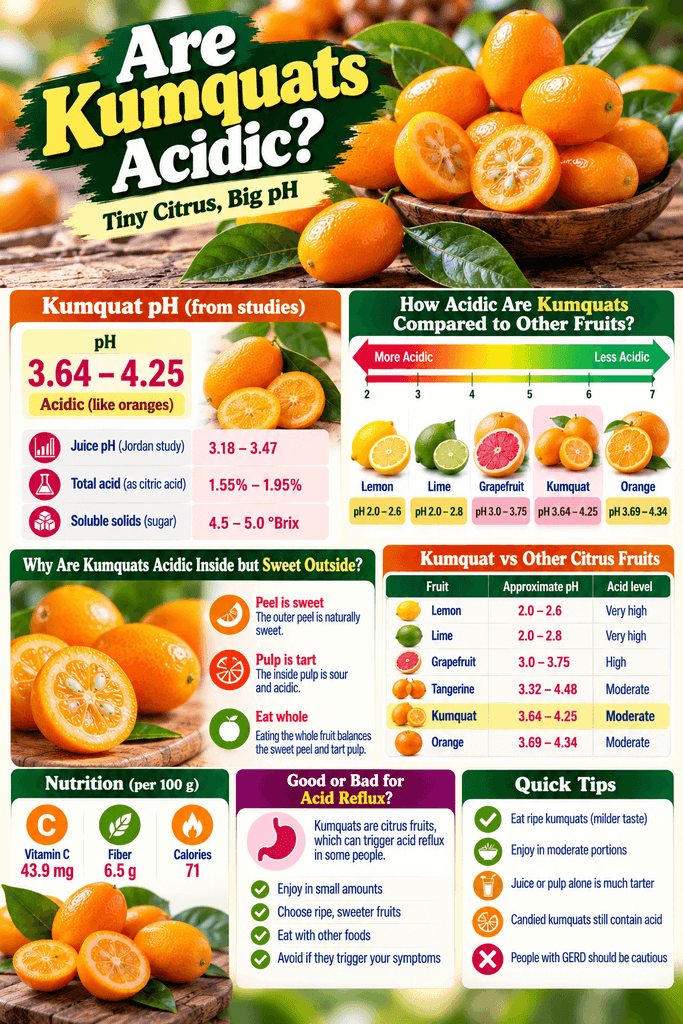
Yes, kumquats are acidic. They’re citrus fruits, after all. The FDA lists Florida kumquats at a pH of about 3.64 to 4.25 (FDA), almost exactly the same as Florida oranges. But kumquats are unusual: you eat them whole, peel and all. The peel is sweet while the pulp inside is tart, so a single bite mixes sweetness with a sharp citrus tang.
If you have acid reflux, sensitive teeth, or mouth sores, kumquats deserve some caution, like other citrus fruits. This guide explains how acidic kumquats really are, how they compare with lemons, limes, and oranges, what that means for reflux, and how to enjoy them more gently.
Key Takeaways
- Kumquats are acidic, with an FDA pH of about 3.64 to 4.25, close to oranges.
- Their juice can be quite tart. One study measured pH 3.18 to 3.47 and 1.55% to 1.95% total acid, as citric acid.
- The peel is sweet and the pulp is sour, so eating them whole balances the flavor.
- They’re far less acidic than lemons and limes, which measure about pH 2.0 to 2.8.
- Kumquats are citrus, a common reflux trigger, so people with GERD should start small.
- They’re surprisingly nutritious, with 6.5 g of fiber and 43.9 mg of vitamin C per 100 g.
Are Kumquats Acidic? The Short Answer
Yes. Kumquats are citrus fruits, and citrus is naturally acidic. Here’s what the main sources report:
| Kumquat sample | pH | Titratable acidity | Source |
| Kumquat, Florida | 3.64–4.25 | Not given | FDA |
| Kumquat, Irbid region (Jordan) | 3.18 | 1.95% (as citric acid) | Pérez, 2022 |
| Kumquat, Ghor Valley (Jordan) | 3.47 | 1.55% (as citric acid) | Pérez, 2022 |
Values vary with variety, growing region, ripeness, and whether the whole fruit or just the juice is tested.
The two sources don’t use the same samples or methods, and the Jordanian pulp samples came out noticeably sharper. Either way, kumquats sit firmly in the acidic range, alongside other citrus fruits like limes and oranges.
Why Are Kumquats Acidic Inside but Sweet Outside?
Kumquats are the citrus fruit you can pop in your mouth whole. University of Florida notes that “the fruits may be eaten whole” and that “both the pulp and the rind are edible” (Andreu et al., UF/IFAS FR368).
The flavor comes from a sweet-sour contrast. A UF/IFAS article citing the Florida Department of Agriculture and Consumer Services explains that “the inside of the fruit is tart, while the outside is sweet” (UF/IFAS Extension blog).
That’s why kumquats taste different depending on how you eat them:
- Whole fruit: The sweet peel softens the sour pulp.
- Juice or pulp alone: Much tarter, because you lose the sweet peel.
- Candied or preserved: Added sugar masks much of the tartness, but the acid is still there.
The Jordanian study also found low soluble solids (sugar) in kumquat pulp, just 4.5 to 5.0 °Brix, alongside 1.55% to 1.95% total acid (Pérez, 2022). Low sugar plus moderate acid explains why kumquat pulp on its own tastes so sharp.
How Acidic Are Kumquats Compared With Lemons and Limes?
Kumquats are much less acidic than the sourest citrus fruits:
| Citrus fruit | Approximate pH (FDA) |
| Lemon juice | 2.00–2.60 |
| Lime | 2.00–2.80 |
| Grapefruit | 3.00–3.75 |
| Tangerine | 3.32–4.48 |
| Kumquat, Florida | 3.64–4.25 |
| Oranges, Florida | 3.69–4.34 |
Source: FDA, Approximate pH of Foods and Food Products.
A kumquat at pH 3.8 is roughly 15 to 60 times less acidic than lemon juice or a lime, since each step on the pH scale is a tenfold change. In total acid, the 1.55% to 1.95% measured in kumquat pulp is also well above a tart Granny Smith apple at 0.7% to 1.0% (Good Fruit Grower). (Different studies and methods, so treat that as a general comparison.)
Are Kumquats More Acidic Than Oranges?
They’re about the same. The FDA lists Florida kumquats at pH 3.64 to 4.25 and Florida oranges at pH 3.69 to 4.34 (FDA). Those ranges almost completely overlap.
The big difference is how you eat them. You peel an orange and eat only the sweet, juicy segments. With a kumquat, you eat the peel and the tart pulp together. That gives kumquats a more intense, sweet-sour flavor than an orange, even though their pH is similar.
How Acidic Are Kumquats Compared to Other Fruits?
Here’s where kumquats fall next to other fruits we’ve covered (FDA):
| Fruit | Approximate pH |
| Lemon juice | 2.00–2.60 |
| Passion fruit pulp (studies) | About 2.4–3.2 |
| Pineapple | 3.20–4.00 |
| Mangoes, ripe | 3.40–4.80 |
| Kumquat, Florida | 3.64–4.25 |
| Guava, fresh (studies) | About 3.7–4.2 |
| Starfruit (studies) | About 3.9–4.6 |
| Mangosteen (UC Davis) | 4.5–5.0 |
| Bananas | 4.50–5.20 |
| Lychee | 4.70–5.01 |
| Longan (UC Davis) | About 6.2–6.7 |
Source: FDA, Approximate pH of Foods and Food Products; passion fruit, guava, starfruit, mangosteen, and longan from the studies and fact sheets cited in our individual fruit guides.
A few takeaways:
- Kumquats are less acidic than lemons, limes, and passion fruit.
- They’re in a similar range to pineapple, mangoes, guava, and starfruit.
- They’re more acidic than mild Asian fruits like mangosteens, lychees, rambutans, and especially longans.
- Bananas, persimmons, and dragon fruit are gentler choices if you’re acid-sensitive.
For the full list, see our complete guide to acidic foods.
Are Kumquats Too Acidic for Acid Reflux?
For many people with reflux, they can be. The National Institute of Diabetes and Digestive and Kidney Diseases (NIDDK) lists citrus fruits among the foods that may make reflux worse, along with tomatoes, alcohol, chocolate, coffee and caffeine, high-fat foods, mint, and spicy foods (NIDDK). Kumquats are citrus fruits, so they fall into that group.
Still, triggers differ from person to person. The American College of Gastroenterology’s 2022 guideline recommends that people with GERD identify their own triggers rather than avoiding every possible food, and avoid eating within 2 to 3 hours of bedtime (Katz et al., 2022). Some people tolerate a few kumquats with a meal; others notice them right away.
Tips for Eating Kumquats With Reflux
- Start with one or two kumquats and see how you feel.
- Eat them whole. The sweet peel balances the tart pulp better than juice or pulp alone.
- Eat them with a meal, not on an empty stomach.
- Pair them with gentle foods, like oatmeal, Greek yogurt, or cottage cheese.
- Avoid stacking triggers. Kumquats in cocktails or with chocolate add up quickly.
- Don’t eat them late at night. NIDDK suggests eating meals at least 3 hours before lying down if you have nighttime symptoms (NIDDK).
If kumquats bother you, try lower-acid fruits like bananas, longans, or lychees. See our list of foods to avoid with GERD for more. If you have heartburn more than twice a week, trouble swallowing, or symptoms that don’t improve, talk with your doctor.
Are Kumquats Acidic Enough to Harm Your Teeth?
Like other citrus, kumquats can contribute to enamel wear if you eat them often. The American Dental Association says how often and how long your teeth are exposed to acid matters. It recommends eating acidic foods as part of a meal, rinsing with water or having milk or cheese afterward, and waiting about an hour before brushing (American Dental Association). Snacking on kumquats one after another throughout the day is harder on enamel than eating a few with lunch. Our article on whether apples are good for your teeth covers similar questions.
Mouth sores: Mayo Clinic lists spicy or acidic foods among those that can trigger canker sores in some people (Mayo Clinic). Tart kumquat pulp can sting an open sore, so skip them until it heals.
Kumquats and Gastritis
Citrus fruits are often uncomfortable for people with gastritis. If you have gastritis, consider avoiding kumquats until symptoms settle, and choose milder fruits like bananas instead. Our 7-day meal plan for gastritis has gentler ideas.
Kumquat Nutrition
Kumquats pack a lot of nutrition into a tiny fruit, partly because you eat the peel. Per 100 grams of raw kumquats, USDA lists (USDA FDC 168154):
| Nutrient | Per 100 g |
| Water | 80.8 g |
| Calories | 71 |
| Carbohydrates | 15.9 g |
| Fiber | 6.5 g |
| Sugars | 9.36 g |
| Vitamin C | 43.9 mg |
| Calcium | 62 mg |
| Potassium | 186 mg |
A few highlights:
- Fiber: At 6.5 g per 100 g, kumquats are high in fiber for a fruit. A UF/IFAS article describes them as “an excellent source of fiber” (UF/IFAS Extension blog).
- Vitamin C: 43.9 mg per 100 g, about half to most of the adult daily recommendation of 75 to 90 mg (NIH Office of Dietary Supplements). UF/IFAS notes that kumquats, like other citrus, contain “large amounts of vitamin C” (UF/IFAS FR368).
- Calcium: 62 mg per 100 g, more than many fruits.
- Sugar: 9.36 g per 100 g. If you’re managing blood sugar, see our guide on whether apples are good for diabetics for general fruit guidance.
Acid-Smart Ways to Enjoy Kumquats
Kumquats are easy to eat: rinse them and eat them whole or sliced (remove any seeds). If you enjoy their sweet-tart flavor, try these ideas:
- Fruit salads: Slice kumquats thinly into our citrus salad.
- Candied kumquats: Use our candied citrus peel method as a starting point for candied kumquat slices.
- Creamy desserts: Serve sliced kumquats with our whipped ricotta with mixed berries to soften the tang.
- Baking: Swap chopped kumquats for some of the citrus in our lemon cranberry scones.
- Curd: Replace some of the fruit in our blood orange curd with kumquat purée. This one is very acidic, so save it for good stomach days.
The kumquat swaps haven’t been tested in our kitchen, so adjust to taste.
Kitchen tip: Rolling a kumquat between your fingers before eating helps release the sweet oils in the pee.
Frequently Asked Questions
Are kumquats acidic or alkaline?
Kumquats are acidic. The FDA lists Florida kumquats at pH 3.64 to 4.25, and one study measured kumquat pulp at pH 3.18 to 3.47.
Are kumquats good for acid reflux?
They can trigger symptoms in some people because they’re citrus fruits, which NIDDK lists as possible reflux triggers. Start with one or two whole kumquats with a meal, and avoid them if they bother you.
Are kumquats more acidic than lemons?
No. Lemon juice measures pH 2.00 to 2.60, while kumquats are about 3.64 to 4.25, so lemons are much more acidic.
Can you eat the kumquat peel?
Yes. University of Florida notes that both the pulp and the rind are edible. The peel is actually the sweet part, while the inside is tart.
Are candied kumquats less acidic?
We couldn’t find published pH data for candied kumquats. The added sugar masks the tartness, but the fruit’s natural acid is still there, and candied versions are much higher in sugar.
Are kumquats healthy?
Yes. Per 100 g, they provide 6.5 g of fiber, 43.9 mg of vitamin C, and 62 mg of calcium. Their acidity is the main thing to watch if you have reflux or sensitive teeth.
The Bottom Line: Are Kumquats Acidic?
Kumquats are acidic, with an FDA pH of about 3.64 to 4.25, about the same as oranges. Their tart pulp is balanced by a sweet, edible peel, which is why they taste so different from other citrus. They’re far less acidic than lemons and limes, but more acidic than mild fruits like bananas, lychees, and longans.
For most people, kumquats are a nutritious, fiber-rich snack. If you have acid reflux, sensitive teeth, or gastritis, start small, eat them whole with a meal, and switch to gentler fruits if they bother you.
Keep exploring with Are Limes Acidic?, Are Mangosteens Acidic?, Are Passion Fruits Acidic?, or our complete guide to acidic foods.
Medical disclaimer: This article is for general information only and isn’t a substitute for professional medical advice. If you have frequent heartburn, GERD, gastritis, or mouth sores that don’t heal, talk with your doctor or a registered dietitian.
References
- U.S. Food and Drug Administration. Approximate pH of Foods and Food Products. https://riverstonehealth.org/wp-content/uploads/FDA-Approximate-pH-of-Foods.pdf
- Pérez et al. (2022). Physicochemical profile of kumquat from two regions of Jordan. Journal of Ecological Engineering, 23(2), 196–203. https://yadda.icm.edu.pl/baztech/element/bwmeta1.element.baztech-3a926e5b-1f56-4c74-9e6e-93842e64a641/c/25_perez_profile_jee_2_2022.pdf
- Andreu, M.G., et al. Fortunella spp., Kumquat. UF/IFAS FR368. https://ask.ifas.ufl.edu/publication/FR368
- UF/IFAS Extension. All About Kumquats (2015). https://blogs.ifas.ufl.edu/global/2015/12/21/all-about-kumquats
- USDA FoodData Central. Kumquats, raw (FDC 168154). https://fdc.nal.usda.gov/fdc-app.html#/food-details/168154/nutrients
- NIH Office of Dietary Supplements. Vitamin C fact sheet. https://ods.od.nih.gov/factsheets/VitaminC-HealthProfessional/
- NIDDK. Eating, Diet, & Nutrition for GER & GERD. https://www.niddk.nih.gov/health-information/digestive-diseases/acid-reflux-ger-gerd-adults/eating-diet-nutrition
- Katz, P.O., et al. (2022). ACG Clinical Guideline for the Diagnosis and Management of GERD. Am J Gastroenterol, 117(1), 27–56. https://doi.org/10.14309/ajg.0000000000001538
- American Dental Association (MouthHealthy). Dietary Acids and Your Teeth. https://www.mouthhealthy.org/all-topics-a-z/dietary-acids-and-your-teeth
- Mayo Clinic. Canker sore: Symptoms & causes. https://www.mayoclinic.org/diseases-conditions/canker-sore/symptoms-causes/syc-20370615
- Good Fruit Grower. How to measure Honeycrisp qualities. https://goodfruit.com/how-to-measure-honeycrisp-qualities
Related Posts
Subscribe for New Racipies
Get mental health tips, updates, and resources delivered to your inbox.