
Are Nutri Grain Bars Healthy? Expert Insights and Nutrition Analysis

Medically reviewed by Christiana George Updated Date: January 4, 2026
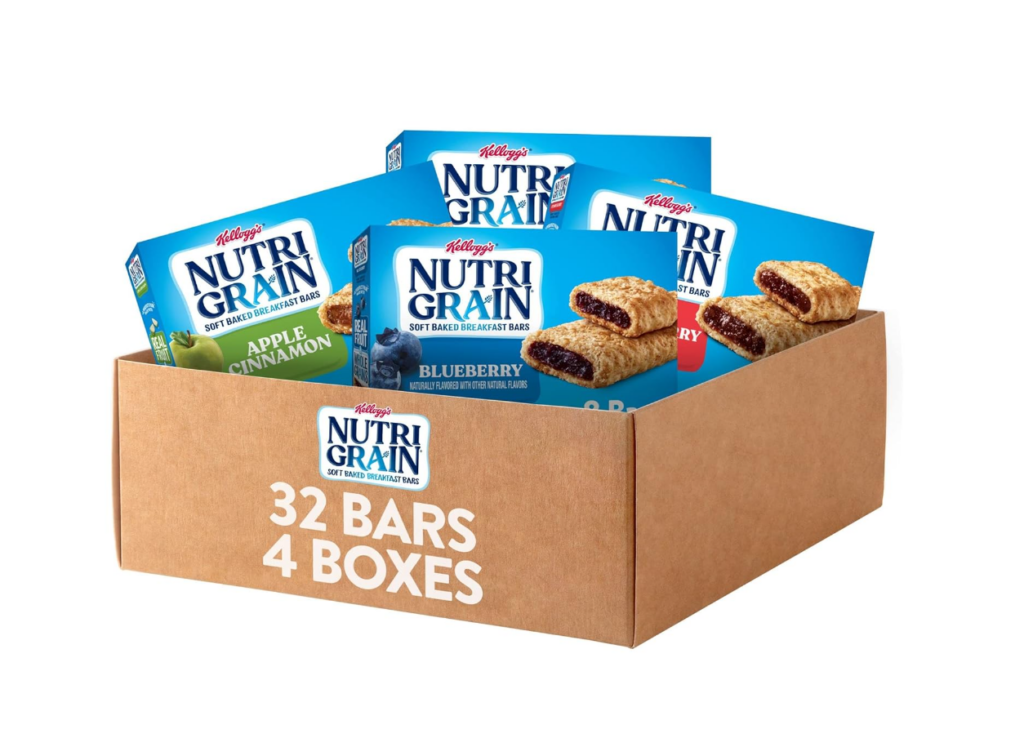
‘Nutri’ and ‘grain’- reading this, you might be wondering if all the healthy stuff is infused in Nutri Grain bars, right? Nutri Grain bars are indeed one of the most popular snack food items on the market right now, but are Nutri Grain bars healthy as you might think?
Nutri Grain bars are marketed as nutritious, low-calorie snacks that contain lots of essential vitamins and minerals, like calcium and iron. Yet Nutri Grain bars aren’t as healthy as you might think; in fact, their high calorie and sugar content can do more harm than good if you eat them regularly.
Here are some reasons Nutri Grain bars may not be as healthy as you think they are and some healthier alternatives to fill you up!
Are Nutri Grain Bars Healthy?

Who doesn’t know the Nutri Grain bars you find at the grocery store? They’re those delicious, crunchy little bars made of whole grains and nuts that are supposedly good for you, right? However, it turns out not so much.
Here are a few reasons Nutri Grain bars may not be as healthy as you think they are
- Excess Sugar, High Fructose Corn Syrup, And Hydrogenated Vegetable Oils
Many people think that just because it’s healthy to eat whole grains like oatmeal or wheat toast, it must be good for you to eat Nutri Grain bars as well.
While Nutri-Grain bars contain some whole grains, they also contain a lot of sugar, high fructose corn syrup, and hydrogenated vegetable oils. These ingredients can offset any health benefits that whole grains might provide.
- Inclusion Of Unnecessary Ingredients
While some of the ingredients in Nutri Grain bars are healthy, like whole grains and dried fruit, there are also a lot of unnecessary ingredients like added sugars and artificial flavors. And while they may be advertised as all-natural, the ingredient list proves otherwise.
For example, one bar includes a natural maple flavor but also contains monosodium glutamate (MSG) as well as partially hydrogenated soybean oil.
- Additives Contain Questionable Ingredients
If you take a look at the list of ingredients on a Nutri Grain bar, you’ll notice that many of them are additives. Additives are substances added to food to enhance its flavor, texture, or shelf life. These preservatives can be harmful to your health and may offset any benefits you would get from eating whole grains.
Some people avoid these additives because they may be unnatural and unhealthy. In fact, artificial sweeteners have been linked to an increased risk for cancer and neurotoxicity in lab animals!
- Contains Low Protein And Fiber Content
Although Nutri Grain bars contain negligible vitamins and minerals, they lack protein and fiber. Protein and fiber are essential nutrients that help keep you feeling full and satisfied after eating.
Low-quality protein also means a reduced ability to build muscle, repair tissues, and fight inflammation. On the other hand, fiber helps with digestion and may also help regulate blood sugar levels by slowing down the release of sugar into the bloodstream.
Related Article: Are Waffles Healthy? Exploring Expert Insights for Nutritious Choices
Nutritional Value of Nutri Grain Bars
Let’s look at the nutritional value of nutri-grain bars.
Nutritional fact of kellog’s Nutri Grain bar Mixed berry – 1 bar (116 g)
| Calories | 130 |
| Total fatSaturated fat | 3 g0.5 g |
| Cholesterol | 0 mg |
| Sodium | 105 mg |
| Potassium | 85 mg |
| Total carbsDietary fiberSugar | 25 g2 g13 g |
| Protein | 2 g |
| CalciumIron. | 2%4% of DV. |
While Nutri-Grain bars may be marketed as a healthy snack option, they may not be as healthy as you think.
For one, they are high in sugar. In fact, a single Nutri Grain bar can have up to 16 grams of sugar. All other flavors of these bars contain the same amount of sugar – plain strawberry (12 g), blueberry (13 g), and apple cinnamon (13 g).

Nonetheless, they also often contain large amounts of artificial sweeteners like sucralose, which may provide instant energy but has been linked to liver toxicity and stomach ulcers in the long run.
Moreover, there is no ingredient in the bars rich in protein, for which the protein content is equivalent to 1 g. It is not an ideal energy snack when you are on a diet or doing heavy workouts.
Finally, the fats found in many Nutri-Grain bars are typically unhealthy saturated fats that increase the risk of heart disease and stroke.
Related Article: Are Ritz Crackers Healthy? Expert Insights and Tips
Side Effects of Over Consuming Nutri Grain Bars
One mixed berry Nutri Grain bar from Kellogg’s contains 13 grams of sugar! Plus, the artificial ‘blueberry’ filling contains many additives. So, imagine what if you consume 4 bars at a time every day- that’s nearly 54 grams of added sugar, which is over the limit of the daily value (25-36 grams).
Compared to the number of calories in a single bar, which is 130-140, this much sugar content is insane.
Moreover, there is an unacceptable amount of sodium content in a single bar. The American Heart Association used to recommend 2300 mg of sodium daily in a normal adult’s diet, but now they recommend 1500 mg.
Covered by the sweetness of the bars, you may feel like there is no sodium in them. But unknowingly, you are consuming the same amount of salt as compared to a salty snack.
Sugar and salt are already slow poison that leads to many short- and long-term health problems.
Some side-effects of over-consuming Nutri-Grain bars include:
- Spike in blood sugar
- Abdominal pain
- Allergic reactions
- Weight gain/ obesity
- Diabetes
- Lower immune system
- Spike in blood pressure.
You won’t see these side effects in a single day or two unless you don’t overeat these unhealthy Nutri-Grain bars.
Who Should Avoid Nutri Grain Bars
Don’t worry; Nutri-Grain bars are not fatal and won’t kill you! Since it contains many unhealthy ingredients and somewhat allergic ones, some people should eat it as little as possible or even avoid it.
- People with celiac disease or gluten intolerance should avoid eating Nutri Grain bars as they contain gluten in the form of enriched flour to obtain that chewy texture.
- Additionally, people with nut allergies should avoid them as they contain nuts.
- Those following a vegan diet may also want to stay away from these bars as they may contain animal products like milk and eggs.
- Even though Nutri-Grain bars are marketed as a healthy snack, they may not be the best choice for diabetic patients. This is because Nutri-Grain bars are high in sugar and carbs, which can cause blood sugar levels to spike. If you have diabetes, limit your Nutri Grain bar consumption to one or two bars a week.
Related Article: Are Pretzels Healthy? – Pros, Cons and Healthy Alternative
Healthy Alternatives to Nutri Grain Bars
If you’re looking for a healthier alternative to Nutri-Grain bars, try making your own granola bars at home. Plenty of recipes online use healthy ingredients like oats, honey, and dried fruit. Not only are they filling, but nutritious too. With a few variations in flavor, it’s easy to make them taste just the way you want.
Meal-replacement shakes can also be an excellent option if you need something filling but don’t have time to prepare food. It takes just seconds to blend up a shake with yogurt, milk, protein powder (whey or soy), fruit, peanut butter or almond butter, and ice cubes. The options are limitless!
FAQs
Are Nutri-Grain bars good for weight loss?
Nutri Grain bars may not be the best choice if you’re trying to lose weight. Though they’re convenient and easy to eat on the go, they’re often high in sugar and calories, which can lead to weight gain. In the long run, if you continue to eat them on a daily basis, you may be able to gain weight instead of losing it.
Are Nutri-Grain bars vegan?
While many Nutri-Grain bars are vegan, some contain honey, which is a non-vegan ingredient. In addition, some of the flavors of Nutri-Grain bars contain dairy and other animal-based products.
So, it is always better to read the labels to see what ingredients are your preferred bars made of.
Are Nutri-Grain bars healthy for toddlers?
If you’re looking for a healthy snack for your toddler, Nutri Grain bars may not be the best choice. Because they’re high in sugar, the ingredients aren’t natural, there’s no nutritional value in the sugar, and they contain artificial flavors.
Moreover, they’re loaded with fats that raise cholesterol levels and increase the risk of heart disease and stroke. And finally, they don’t give children enough vitamins and minerals that they need to grow up strong and healthy!
Are Nutri-Grain bars good for diabetics?
While Nutri-Grain bars may be marketed as a healthy snack option, they may not be the best choice for people with diabetes. This is because Nutri-Grain bars are high in sugar and added sugar, which can cause blood sugar levels to spike.
Final Thought
If you are thinking – are Nutri Grain bars healthy – it’s time to throw out Nutri-Grain bars from your regular diet. The high sugar and calorie content can offset any nutritional benefits, and the processed ingredients may not be ideal for everyone.
However, there is no harm in treating yourself with one bar once in a while. The bottom line is that there are healthier options out there than Nutri-Grain bars.
Related Posts






Subscribe for New Racipies
Get mental health tips, updates, and resources delivered to your inbox.
Are Cashews Good for GERD?

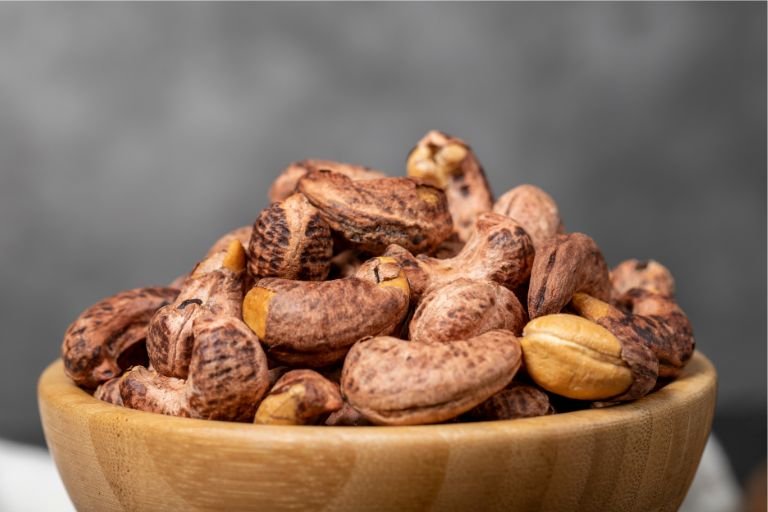
Cashews, with their creamy texture and rich flavor, are a popular snack and ingredient in many dishes. Known for their nutritional benefits, cashews are often included in healthy diets. But for individuals with GERD (gastroesophageal reflux disease) or acid reflux, the question arises: “Are cashews good for GERD?”
The short answer is: Cashews can be good for GERD if consumed in moderation, but they may not be suitable for everyone. While cashews are nutrient-dense and rich in healthy fats, their fat content—albeit healthy—can sometimes trigger reflux symptoms in sensitive individuals. The key to safely consuming cashews with GERD lies in portion control, preparation, and individual tolerance.
In this article, we’ll explore the benefits and potential drawbacks of cashews for those with GERD, their nutritional profile, and tips for incorporating them into a reflux-friendly diet.
Are Cashews Acidic or Alkaline?
Cashews are considered neutral to mildly alkaline, with a pH level that ranges between 6.1 and 6.5. This makes them less likely to contribute to stomach acidity compared to acidic foods like citrus fruits or coffee.
While cashews are not acidic, their effect on GERD symptoms depends more on their fat content and how they are consumed than their pH level.
Author Tip: Are Pecans Good for Acid Reflux? A Guide to GERD-Friendly Nuts
Nutritional Profile of Cashews
Cashews are a nutrient-dense food, providing essential vitamins, minerals, and healthy fats. Here’s a breakdown of their key nutritional components:
1. High in Healthy Fats
- Cashews contain monounsaturated and polyunsaturated fats, which are heart-healthy and anti-inflammatory. One ounce of cashews (about 18 nuts) provides approximately 12 grams of fat, mostly from healthy sources.
2. Source of Plant-Based Protein
- Cashews are a good source of protein, with about 5 grams per ounce, making them a satisfying snack that helps prevent overeating—a common trigger for GERD.
3. Rich in Magnesium
- Cashews are packed with magnesium, which helps relax the muscles of the digestive tract, including the lower esophageal sphincter (LES), reducing reflux episodes.
4. Contains Fiber
- One ounce of cashews provides about 1 gram of fiber, which supports healthy digestion and prevents constipation and bloating.
5. Loaded with Antioxidants
- Cashews are rich in antioxidants like vitamin E and zinc, which reduce inflammation and promote healing in the esophagus.
6. Low in Sugar
- Cashews are naturally low in sugar, making them a better snack option than sugary treats that can exacerbate GERD symptoms.
Related to Read: Are Hazelnuts Good for Acid Reflux?
Can Cashews Trigger GERD Symptoms?
While cashews are generally considered a healthy food, their fat content can sometimes trigger GERD symptoms in certain individuals. Here’s why:
1. High Fat Content
- Even though the fats in cashews are healthy, all fats—whether healthy or not—can relax the lower esophageal sphincter (LES), which separates the stomach from the esophagus. A relaxed LES increases the likelihood of stomach acid flowing back into the esophagus, causing reflux.
2. Overeating
- Eating large portions of cashews can overwhelm the stomach, leading to bloating and increased pressure on the LES. This can exacerbate GERD symptoms.
3. Individual Sensitivities
- Some people may have difficulty digesting nuts, including cashews, and experience symptoms like bloating, gas, or reflux.
Benefits of Cashews for GERD
When consumed in moderation and as part of a balanced diet, cashews can offer several medicinal benefits for individuals with GERD:
1. Prevents Overeating
- Cashews are satisfying and filling, thanks to their protein and healthy fat content. This can help prevent overeating, which is a common trigger for reflux symptoms.
2. Supports Muscle Function
- The magnesium and potassium in cashews help support proper muscle function, including the LES, which is responsible for keeping stomach acid from flowing back into the esophagus.
3. Anti-Inflammatory Properties
- Cashews contain antioxidants and anti-inflammatory compounds that may help soothe irritation in the esophagus caused by stomach acid.
4. Low Glycemic Index
- Cashews provide sustained energy without causing blood sugar spikes, which can indirectly help manage reflux symptoms.
5. Promotes Healthy Digestion
- The fiber content in cashews supports healthy digestion, which can reduce bloating and gas that may contribute to reflux.
Tips for Eating Cashews Safely with GERD
If you enjoy cashews and want to include them in your diet without triggering GERD symptoms, follow these tips:
1. Stick to Small Portions
- Limit your serving size to 1 ounce (about 18 nuts) per sitting. Eating large quantities can increase stomach pressure and exacerbate reflux.
2. Choose Unsalted, Plain Cashews
- Opt for raw or dry-roasted cashews without added salt, sugar, or flavorings that can irritate the stomach.
3. Avoid Eating Late at Night
- Refrain from consuming cashews or other snacks within 2–3 hours of bedtime to reduce the risk of nighttime reflux.
4. Chew Thoroughly
- Chewing cashews thoroughly aids digestion and reduces the likelihood of bloating or discomfort.
5. Monitor Your Body’s Reaction
- Pay attention to how your body reacts to cashews. If you notice symptoms like bloating, heartburn, or discomfort, it’s best to limit or avoid them.
Reflux-Friendly Ways to Enjoy Cashews
1. Cashew and Banana Smoothie
Ingredients:
- 1 cup unsweetened almond milk
- 1 ripe banana
- 1 tablespoon cashew butter
- 1 teaspoon honey (optional)
Instructions:
- Blend all ingredients until smooth.
- Serve as a soothing, reflux-friendly snack or breakfast.
2. Cashew Oatmeal
Ingredients:
- 1/2 cup oats
- 1 cup unsweetened almond milk
- 1 tablespoon chopped cashews
- 1/2 teaspoon cinnamon
Instructions:
- Cook oats in almond milk as directed.
- Top with chopped cashews and sprinkle with cinnamon.
- Serve warm for a hearty, reflux-friendly breakfast.
3. Cashew and Spinach Salad
Ingredients:
- 2 cups fresh spinach
- 1/4 cup chopped cashews
- 1/2 cup diced cucumber
- 1 tablespoon olive oil
Instructions:
- Combine spinach, cashews, and cucumber in a bowl.
- Drizzle with olive oil and toss to combine.
- Serve as a light and nutritious lunch or side dish.
Frequently Asked Questions About Cashews and GERD
1. Are cashews good for GERD?
Yes, cashews can be good for GERD if consumed in moderation. Their healthy fats, magnesium, and protein make them a nutrient-dense option, but large portions may trigger reflux symptoms in some individuals.
2. Can cashews cause acid reflux?
Cashews can cause reflux in some individuals if consumed in excess due to their fat content, which may relax the LES.
3. Are raw or roasted cashews better for GERD?
Both raw and dry-roasted cashews are good options for GERD. However, avoid heavily salted or flavored varieties, as they may irritate the stomach lining.
4. How many cashews can I eat if I have GERD?
Stick to a serving size of 1 ounce (about 18 nuts) to minimize the risk of triggering reflux symptoms.
5. Are other nuts better than cashews for GERD?
Almonds are often considered the most reflux-friendly nut due to their slightly alkaline nature and lower fat content. Walnuts, pistachios, and sunflower seeds may also be good options in moderation.
Final Thoughts
Cashews can be a healthy and satisfying snack for individuals with GERD when consumed in moderation. Their magnesium, protein, and healthy fats make them a nutritious choice, but their fat content can trigger reflux symptoms in some individuals if eaten in large quantities.
By choosing plain, unsalted cashews and sticking to small portions, you can enjoy the benefits of this nutrient-dense food without aggravating your GERD symptoms. As always, monitor your body’s reaction and adjust your intake accordingly to find what works best for you.
Related Posts

Subscribe for New Racipies
Get mental health tips, updates, and resources delivered to your inbox.