
Chocolate Mini Donuts with Chocolate Glaze

Medically reviewed by Christiana George Updated Date: December 17, 2022
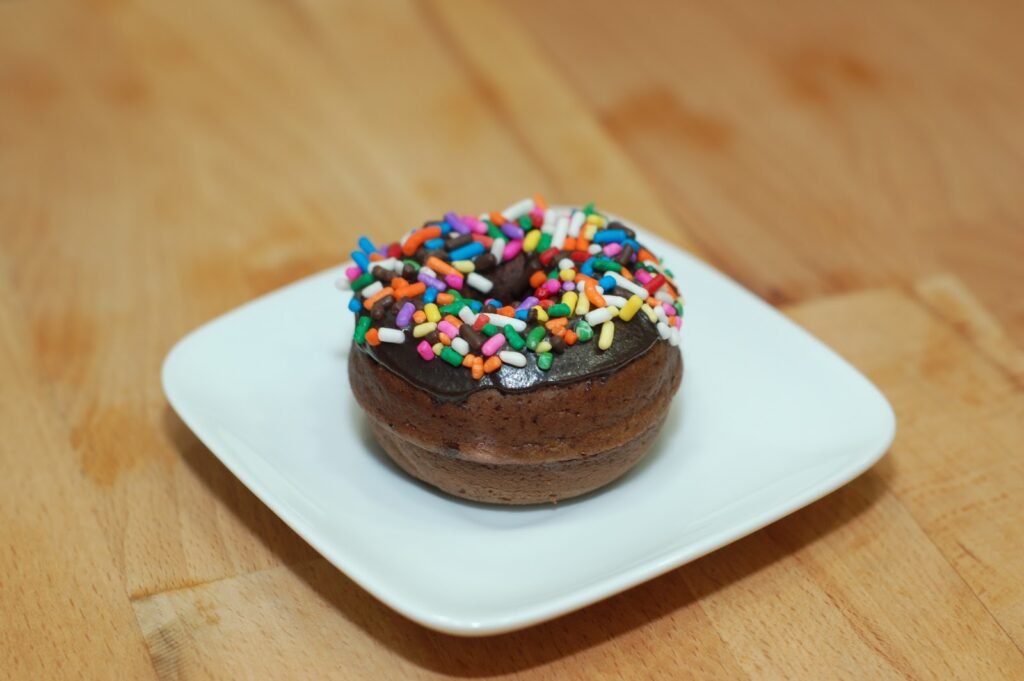
I was so excited. I have been wanting to make mini donuts for some time. Last week I saw the mini pans at Bed, Bath, and Beyond, but I didn’t buy them because I thought I could get a better deal elsewhere. I then proceeded to spend my week going to every craft store looking for the Wilton mini donut pan. No luck. OK, so I went back to Bed, Bath, and Beyond over the weekend to pick one up. They were now sold out. Arg! I was not a happy camper.

They did however have one left of the babycakes donut maker, so I said what the heck and took it home. I tried Aimee’s Chocolate Donut recipe from healthyfoodforliving.com/recipes/

Chocolate Mini Donuts
By Shugary Sweets
Ingredients
- 2 cups flour
- 3/4 cup sugar
- 1/2 cup unsweetened cocoa
- 1 tsp baking powder (oops forgot to put in the picture)
- 1 tsp baking soda
- 3/4 cup plus 2 tbsp milk
- 2 eggs
- 1 tsp vanilla extract
- 2 tbsp butter, melted
Cooking Directions
- Mix all dry ingredients together in a mixing bowl. Add milk, eggs, vanilla and butter. Using a mixer on medium speed, blend until smooth.
- Fill each cooking reservoir with about 2 tbsp of batter.
- Bake 2-4 minutes or until toothpick inserted in donut comes out clean. Makes about 24-28 donuts.
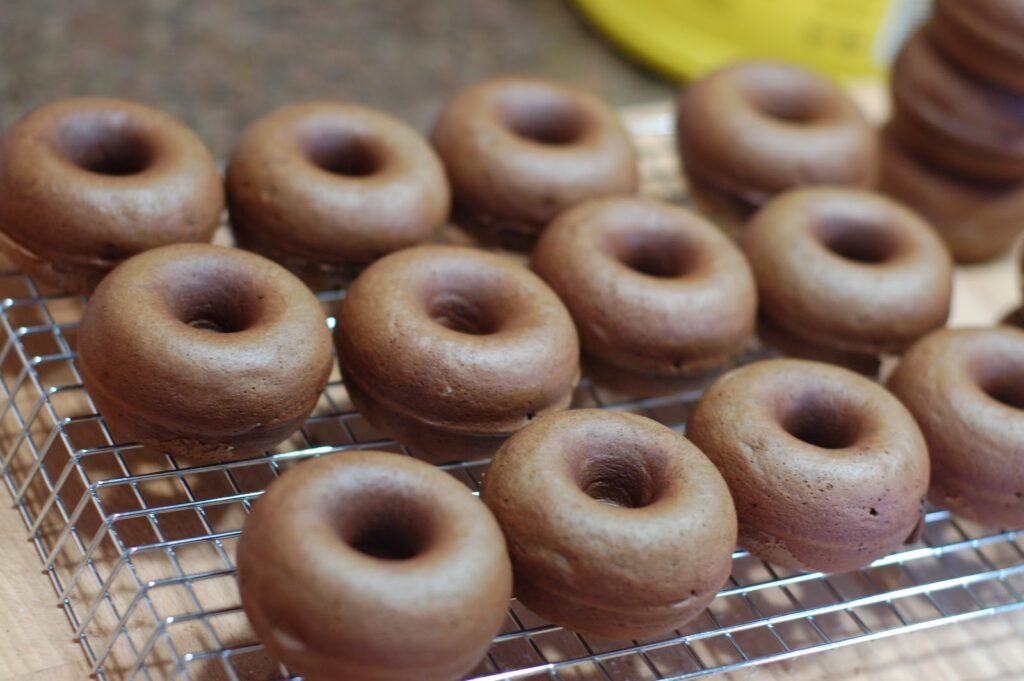
Chocolate Glaze
adapted from babycakes
Ingredients
- 3/4 cup powdered sugar
- 2 tbsp cocoa
- 2 tbsp heavy cream
- 1 tsp vanilla
Cooking Directions
- Whisk all ingredients together adding more cream if necessary for glaze consistency.
- Dip donuts halfway in glaze, place on wire rack and allow glaze to set.
- Add sprinkles.

I did end up using a different glaze than Aimee for the donuts. I really like how they came out. The donuts were light and fluffy and not too sweet. I used dark cocoa for the glaze , so it gave it a nice finish. The babycakes machine was easy to use and easy to clean. The donuts really only took 2 minutes to bake. I still want to get the pans in the future, so I can make more at a time. And I have more donut recipes to try.

Related Posts




Subscribe for New Racipies
Get mental health tips, updates, and resources delivered to your inbox.
Are Zucchinis Acidic? Zucchini for Acid Reflux [Good or Bad]

Managing acid reflux often necessitates careful consideration of dietary choices, with a particular focus on the acidity of consumed foods. For individuals seeking relief from heartburn and other associated symptoms, understanding the impact of specific vegetables is crucial. This leads to the pertinent question: Are zucchinis acidic?
This article provides a comprehensive exploration of this question, delving into the science behind zucchini’s pH level and its potential effects on acid reflux. We will not only address the core inquiry of “Are zucchinis acidic?” but also examine the nutritional profile of this versatile vegetable and analyze its suitability for those managing gastroesophageal reflux disease (GERD).
By exploring the interplay between zucchini’s composition—including its fiber, water, and antioxidant content—and the digestive system, we aim to provide clear, science-backed insights.
This in-depth analysis will empower readers to make informed dietary decisions, confidently incorporating or excluding zucchini based on a thorough understanding of its properties and their individual needs in managing acid reflux.
Understanding Acid Reflux and Diet
Acid reflux, or gastroesophageal reflux disease (GERD) when chronic, occurs when stomach acid flows back into the esophagus. This can lead to symptoms such as:
- Heartburn
- Regurgitation
- Chest discomfort
- Sour taste in the mouth
Certain foods are more likely to exacerbate acid reflux, while others can help soothe the digestive system. Choosing low-acid, nutrient-rich foods is often recommended for managing symptoms.
Is Zucchini Acidic?
Zucchini is a mildly acidic food, with a pH range of approximately 5.6 to 6.0. While it is technically on the acidic side of the scale, it is considered nearly neutral and is much less acidic than foods like citrus fruits or tomatoes.
Its low acidity and alkaline-forming nature in the body make zucchini a great option for people with acid reflux. It is unlikely to irritate the esophagus or trigger heartburn, making it a reflux-friendly vegetable.
Related to Read: Are Zucchini Safe for Acid Reflux?
Nutritional Profile of Zucchini
Zucchini is not only gentle on the stomach but also a nutritional powerhouse. Here’s a look at its benefits:
- Low in Calories: One cup of cooked zucchini contains just about 20 calories, making it an excellent choice for weight management.
- High in Water Content: Zucchini is composed of nearly 95% water, which aids in hydration and digestion.
- Rich in Fiber: Dietary fiber in zucchini supports healthy digestion and prevents constipation, which can indirectly reduce acid reflux symptoms.
- Packed with Vitamins and Minerals: Zucchini provides vitamins A, C, and K, along with potassium, magnesium, and manganese.
- Antioxidants: It contains antioxidants like lutein and zeaxanthin, which promote overall health and combat inflammation.
How Zucchini Benefits Acid Reflux?
Zucchini can be a valuable addition to an acid reflux-friendly diet for several reasons:
1. Low Acid Content
The mild acidity of zucchini makes it a safe choice for people with GERD. It’s less likely to trigger symptoms compared to highly acidic foods.
2. High Fiber Content
Fiber aids in digestion and helps keep the digestive tract functioning smoothly. This can reduce the pressure on the lower esophageal sphincter (LES), preventing acid from flowing back into the esophagus.
3. Low Fat Content
Foods high in fat can relax the LES, worsening reflux. Zucchini is naturally low in fat, making it a reflux-friendly option.
4. Hydrating Properties
The high water content in zucchini helps dilute stomach acid, reducing irritation in the esophagus.
How to Incorporate Zucchini into an Acid Reflux Diet?
Zucchini is versatile and can be prepared in many reflux-safe ways. Here are some suggestions:
1. Steamed Zucchini
Steaming is a gentle cooking method that retains zucchini’s nutrients without adding extra fat or spices that may trigger reflux.
2. Zucchini Noodles
Use a spiralizer to create zucchini noodles (zoodles) as a low-carb, reflux-friendly alternative to pasta. Pair with a mild, non-acidic sauce like a creamy avocado or olive oil-based dressing.
3. Grilled or Roasted Zucchini
Drizzle zucchini slices with olive oil, sprinkle with herbs, and roast or grill them for a delicious side dish.
4. Zucchini Soups
Prepare a creamy zucchini soup using non-dairy milk or low-fat options. Avoid acidic ingredients like tomatoes or heavy spices.
5. Add to Salads or Stir-Fries
Incorporate raw or lightly cooked zucchini into salads or stir-fries with other reflux-friendly ingredients like lean proteins and low-acid vegetables.
Author Tip: 7-Day Meal Plan For Gastritis
Foods to Pair with Zucchini
For a balanced, reflux-friendly meal, pair zucchini with the following foods:
- Lean Proteins: Chicken, turkey, fish, or tofu.
- Whole Grains: Brown rice, quinoa, or oatmeal.
- Low-Acid Fruits: Bananas, melons, and pears.
- Other Vegetables: Broccoli, spinach, and green beans.
Foods to Avoid with Acid Reflux
While zucchini is safe, some foods and ingredients can worsen acid reflux. Avoid pairing zucchini with:
- Spicy Foods: Chili peppers, hot sauce, or cayenne.
- High-Fat Foods: Butter, cream, or fried items.
- Acidic Ingredients: Tomatoes, vinegar, or citrus-based sauces.
- Carbonated Drinks: Soda or sparkling water.
Author Tip: 7 Kinds of Foods to Avoid with GERD
Precautions When Eating Zucchini
While zucchini is generally safe for acid reflux, keep these tips in mind:
- Portion Control: Overeating, even healthy foods, can put pressure on your stomach and trigger reflux.
- Cooking Methods: Avoid frying zucchini or adding heavy, creamy sauces.
- Personal Sensitivities: Monitor how your body reacts to zucchini and adjust your diet accordingly.
Zucchini Recipes: Zucchini Bread Pancakes
Chocolate Chip Zucchini Brownies
FAQs
Is zucchini good for acidity?
Zucchini is considered good for acidity as it is low in acid and is alkaline-forming once digested. Its high water content helps neutralize stomach acid, making it a gentle choice for individuals with acid reflux or acidity.
Which vegetables have no acid?
Most vegetables are low in acid or have no significant acid content. Examples include cucumbers, lettuce, zucchini, bell peppers, and sweet potatoes. These are generally safe for people managing acid reflux or acidity.
Is zucchini an alkaline vegetable?
Yes, zucchini is an alkaline-forming vegetable. While it may have a slightly acidic pH in its raw state, it becomes alkaline once digested, which helps balance the body’s pH levels.
Which veggies are acidic?
Some vegetables are mildly acidic, such as tomatoes, spinach, onions, and artichokes. While they may not cause significant acid buildup in the body, they can have a slightly acidic effect compared to alkaline vegetables.
Conclusion
So, is zucchini acidic? While it is mildly acidic, zucchini’s near-neutral pH and alkaline-forming properties make it a safe and healthy choice for individuals with acid reflux. Its low-fat, high-fiber, and hydrating qualities further enhance its benefits for managing GERD symptoms.
By incorporating zucchini into your diet using reflux-safe cooking methods and pairing it with other low-acid foods, you can enjoy delicious meals without worrying about heartburn or discomfort.
Always consult a healthcare professional or dietitian for personalized advice, especially if you have severe or persistent acid reflux symptoms.
Related Posts
Subscribe for New Racipies
Get mental health tips, updates, and resources delivered to your inbox.