Pumpkin Ice Cream Sandwiches
Medically reviewed by Christiana George Updated Date: January 4, 2026
So, the afternoon before the hurricane struck (sorry, no more talk of hurricanes after this post), I decided to make chocolate chip cookies. I imagined spending a cozy evening nestled on the couch reading by candlelight, drinking tea and nibbling on cookies.
But of course, we ended up not losing our power at all. So there was no need to pull out the candles, we didn’t end up boiling water for tea, and the cookies were ultimately forgotten. (Who forgets about freshly-baked chocolate chip cookies, you might be wondering? Not us, usually.)
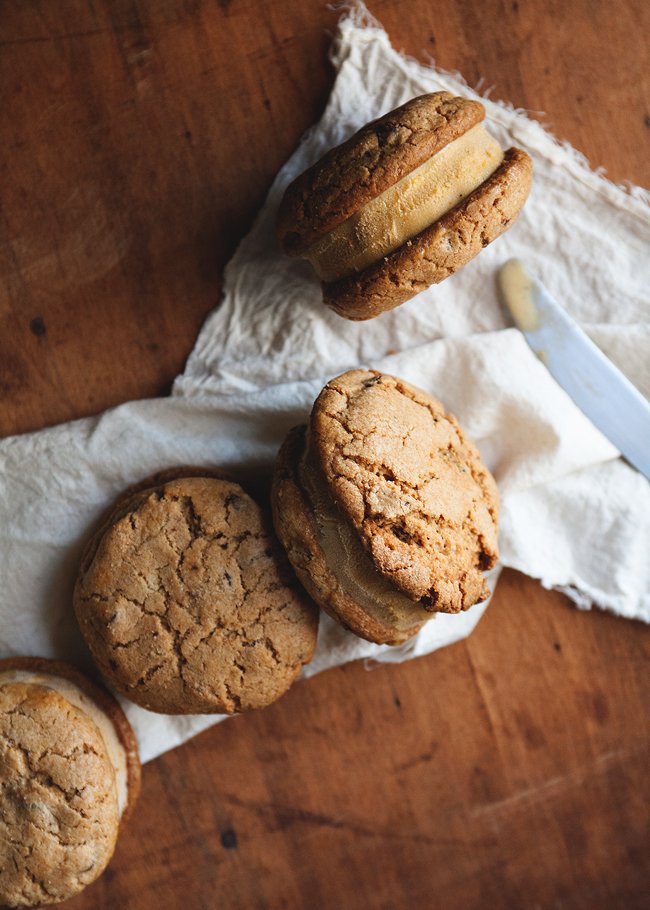
The next day, I had the bright idea of making ice cream sandwiches from the cookies, which meant the cookies were off-limits until the pumpkin ice cream had been made. And ice cream-making always turns into a multi-day process, what with the making of the custard, and cooling it, and churning it, and finally freezing it.
All the while, the cookies sat on the counter tempting Chris, whose sweet tooth, though not as legendary as his dad’s (the man has been known to douse his Swedish pancakes with powdered sugar so that the pancake all but disappears), is quite acute. Every time he reached for one, I swatted his hand away. “Stay back,” I snarled.
Before you feel too bad for him, remember that I was making pumpkin ice cream sandwiches. He was going to be rewarded for his patience! I didn’t feel too cruel.

Let me tell you a little bit about the cookies, because they’re actually my favorite chocolate chip cookie recipe ever (no, not the Cook’s Illustrated version I made earlier this year).
The recipe is actually from Kim Boyce’s Good to the Grain, a book I like very much. The cookies are made completely with whole wheat flour, so their texture is much richer and nuttier than cookies made with all-purpose.
They’ve got so much dimensionality and… dare I say it…complexity. I could eat the dough without the chocolate, and it would only be slightly less delicious. That’s saying a lot, since chocolate is usually integral to my enjoyment of any dessert.
I quickly became hooked on baking with whole-grain flours after this cookie (although this pound cake helped a lot, too).
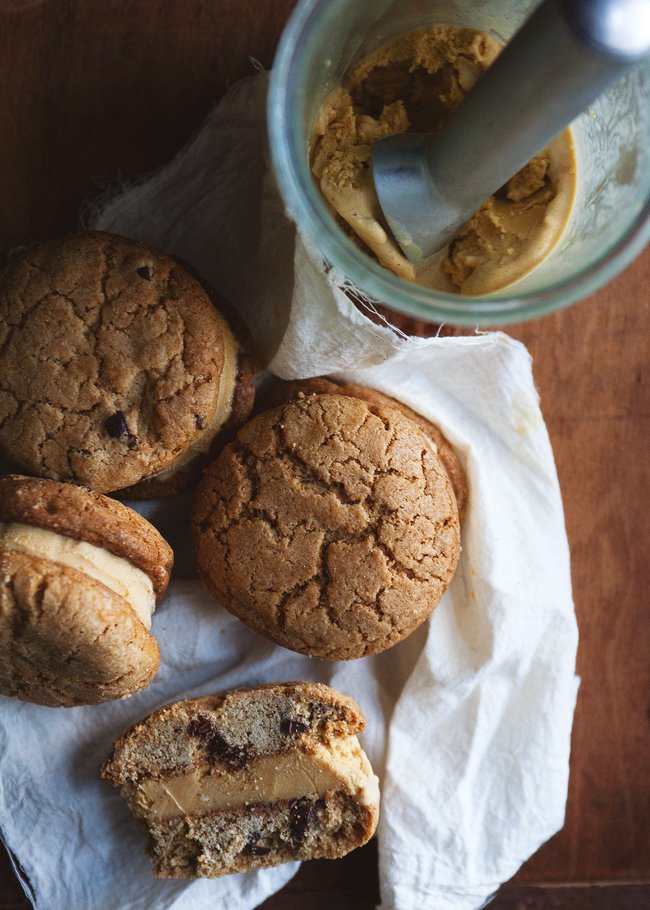
The pumpkin ice cream recipe, on the other hand, I’m not particularly attached to. It does make a decent-tasting batch, however. Not too rich, very pumpkin-y, no complaints at all. But of course, my mind was salivating at the idea of pairing it with the chocolate chip cookies. The two together fulfill some sort of dessert fantasy of mine.
And after the ice cream sandwiches were made, I told Chris to have at them. But of course, he’s barely touched them. I guess his anticipation must’ve soured. Or maybe they’re just too much dessert (he commented that each one was the size of a small burger, haha).
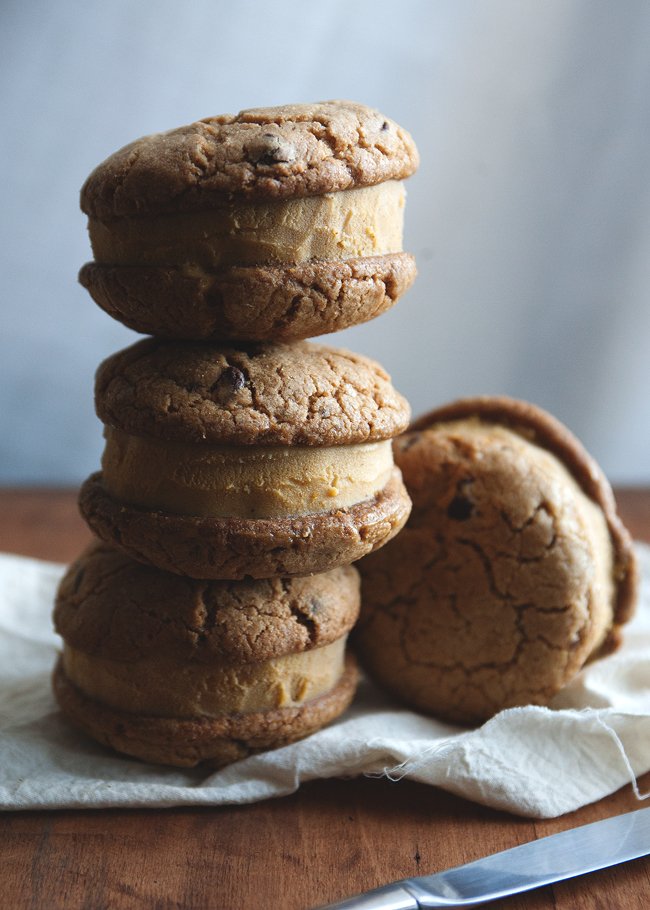
WHOLE WHEAT CHOCOLATE CHIP COOKIES
From Good to the Grain Makes about 12 cookies:
Ingredients:
1-1/2 cups whole wheat flour
3/4 tsp baking powder
1/2 tsp baking soda
3/4 tsp kosher salt
1 stick cold unsalted butter, cut into 1/2″ pieces
1/2 cup dark brown sugar
1/2 cup sugar
1 egg
1 tsp vanilla extract
4 oz. (2/3 cups) bittersweet chocolate chips
Directions:
Preheat oven to 350 degrees. Line a baking sheet with parchment paper.
Sift the whole wheat flour, baking powder, baking soda, and salt into a medium bowl. Add the butter and sugars to the bowl of a standing mixer with a paddle attachment. On low speed, mix just until the butter and sugars are blended, about 2 minutes.
Scrape down the sides of the bowl. Add the egg and mix until combined. Mix in the vanilla. Add the flour mixture and blend on low until barely combined, about 30 seconds. Scrape down the sides and bottom of the bowl.
Add the chocolate all at once and mix on low until evenly distributed. You can also use your hands to incorporate the chips.
Scoop mounds of dough about 2 Tbsp onto the baking sheet. You might want to flatten the dough a bit for a flatter cookie. Bake 16 to 20 minutes, rotating the sheet halfway through, until the cookies are evenly dark brown. Transfer the cookies onto a cooling rack.
PUMPKIN ICE CREAM
Adapted from Williams-Sonoma Ice Cream
Makes 1 quart
Ingredients:
1 cup canned unsweetened pumpkin puree
1 tsp. vanilla extract
1 cup heavy cream
1 cup whole milk
3/4 cup firmly packed dark brown sugar
5 egg yolks
1/2 tsp. ground cinnamon
1/2 tsp. ground ginger
1/4 tsp. salt
Pinch of freshly grated nutmeg
Directions:
In a bowl, whisk together the pumpkin puree and vanilla. Refrigerate.
In a heavy saucepan over medium heat, combine cream, 1/2 cup of the milk, and 1/2 cup of the brown sugar. Cook until bubbles form around the edges of the pan, about 5 minutes. Meanwhile, in a medium bowl, combine the egg yolks, cinnamon, ginger, salt, nutmeg, the remaining 1/2 cup milk, and the remaining 1/4 cup brown sugar. Whisk until smooth, and the sugar begins to dissolve.
Remove the cream mixture from the heat. Temper the egg mixture: gradually pour some of the hot cream mixture, about 1 cup, into the egg mixture, whisking the whole time. Pour the egg mixture back into the pan.
Cook over low heat, stirring constantly with a wooden spoon, until it is thick enough to coat the back of the spoon and leaves a clear trail when a finger is drawn through it, 4 to 6 minutes. Strain through a fine-mesh sieve into a large bowl and let cool for about 10 minutes.
Remove the pumpkin mixture from the fridge and whisk it into the cooled custard until it is smooth. Cover and put the bowl into the fridge to cool, for 4 hours to overnight.
Transfer the custard to an ice cream maker and freeze according to the manufacturer’s instructions. Once done churning, transfer the ice cream into a container and freeze until it is your desired consistency.
To assemble the sandwiches, let the ice cream soften a little. I tried spreading it about 1″ thick on a baking pan so I could cut the ice cream into circles with a round cookie cutter. You can also use an ice cream scoop and scoop it directly onto a cookie, then flatten the ball with the other cookie.
Makes about 6 (enormous) ice cream sandwiches.
Subscribe for New Racipies
Get mental health tips, updates, and resources delivered to your inbox.
Are Walnuts Healthy? Benefits, Nutrition, and More

Walnuts are nature’s one of the finest creations packed with an abundance of beneficial nutrients for human beings. Like every other nut, walnuts are one of the healthiest nuts too. However, because they are also fairly high in fat, many people assume that they can’t be that good for you. So, are walnuts healthy?
Walnuts are rich in fats, but those are healthy fats beneficial for the body. It’s further rich in omega-3 fatty acids and antioxidants that contribute to your well-being if consumed regularly. Walnuts are well-known to boost memory by improving brain health because the nut’s shape mimics a brain!
Read out to learn more reasons why walnuts are actually some of the healthiest nuts out there, and should be part of your diet.
Are Walnuts Healthy? – Top 5 Health Benefits
Walnuts are one of the healthiest and most nutritious nuts you can eat, and they also happen to be delicious. Eaten in moderation, walnuts contain numerous health benefits that can greatly improve your quality of life and even help you live longer.
Here are five reasons why walnuts are so healthy and why you should be adding them to your diet as soon as possible!

They Are Rich In Omega-3 Fatty Acids
Omega-3 fatty acids are naturally found in fish oil. However, nothing can beat walnuts if you are looking for a vegan alternative.
Omega-3 fatty acids are essential for our health, but our bodies can’t make them on their own. Walnuts are one of the best sources of omega-3 fatty acids known as alpha-linolenic acid (ALA).
You’ll find a whopping 180 mg of alpha-linolenic acid in just one ounce of walnuts. Other nuts also contain ALA, but none have as much as walnuts. In fact, there’s more ALA in an ounce of walnuts than there is in six ounces of ground beef!
Omega-3 fatty acids can improve heart health. They can also reduce inflammation throughout the body and help improve cognitive function and mental health.
The Heart Benefits
Walnuts are rich in omega-3 fatty acids, which can promote heart health by helping to lower cholesterol levels and reduce inflammation.
Walnuts contain plant sterols, which are linked to lowering cholesterol levels and preventing coronary artery disease. Additionally, studies have shown that eating walnuts can help to prevent heart disease and stroke.
In fact, research has found that people who eat nuts as a part of their diet have a 30% lower risk of death from cardiovascular disease than those who don’t.
Prevents Cancer
Antioxidants are essential because they help protect your cells from damage. Walnuts contain high levels of antioxidants, including ellagic acid and vitamin E. These nutrients have been shown to help prevent the growth of cancerous cells in the body.
Mental Wellness
Walnuts have been shown to improve mental wellness. Walnuts can help reduce stress and improve cognitive function.
For brain health, walnuts provide Omega-3 fatty acids, folate, vitamin E, antioxidants, B vitamins, and minerals such as manganese. As well they contain tryptophan which is a natural sleep aid.
Finally, walnuts also include potassium which may be helpful for people with lower blood pressure.
Reduce Inflammation
One of the main benefits of walnuts is their ability to reduce inflammation. It is due to the fact that they contain high levels of anti-inflammatory effects, which have been shown to be effective in reducing inflammation.
Additionally, a recent study published in Nutrients found that participants who consumed walnuts for just two weeks showed lower levels of inflammatory markers than those who did not consume any nuts.
Nutritional Facts of Walnuts
Nutritional chart for 1 ounce or 28.4 gram of walnuts-
| Calories | 185 |
| Total fat Saturated fat | 18 g 1.7 gram |
| Total carbs | 3.9 g |
| Dietary fiber | 1.9 g |
| Potassium | 125 mg |
| Cholesterol | 0 mg |
| Protein | 4.3 g |
| Magnesium | 44.8 mg |
| Vitamin B6 | 0.2 mg |
| Iron. | 0.8 mg. |
From the chart above, we can see that walnuts consist of almost 65% of fat in terms of the given quantity. However, most of the fats are healthy polyunsaturated fats which do not lead to weight gain and obesity.

Walnuts also contain a number of other nutrients that make them healthy such as fiber and protein. An ounce of walnut can add up to your daily required trace minerals like 10% vitamin B6, 11% magnesium, 4% iron, 2% calcium, and 3% potassium, which keep you healthy from head to toe.
Who Should Avoid Walnuts?
Although walnuts are the most nutritious and well-adoptive nut, a few unlucky bunches should avoid them for some reason.
People With Tree Nut Allergies
First, walnuts contain high levels of ellagitannins, which can cause an allergic reaction in people with tree nut allergies. One common symptom of such allergy is anaphylaxis or allergic shock.
Those With Gastrointestinal Issues
People with gastrointestinal issues should avoid eating walnuts because they contain high levels of fiber which can irritate the digestive system. Additionally, walnuts contain variable amounts of tannins which can also irritate the digestive system.
People On Blood Thinners
Although walnuts are a healthy food, people on blood thinners should avoid eating them because they can increase the risk of bleeding.
Walnuts are a rich source of omega-6 as well, which can interact with other medications, such as blood pressure and cholesterol-lowering drugs. Therefore, individuals on these medications should consult their doctor before consuming walnuts.
However, if you can tolerate them in small quantities, they’re a great addition to your diet!
Ways to Include Walnuts in Your Diet
Adding walnuts to your diet is easy and there are many health benefits associated with doing so.
The best way to add walnuts into your diet is by eating them whole or chopping them into salads and other dishes as an ingredient. If you don’t like the slightly bitter after-taste of walnuts like me, you can dry roast or honey roast them to kick that bitterness off.

You can also use walnut oil in dishes or as salad dressings; however, walnut oil is very expensive due to the tough extraction process.
Nonetheless, you can eat walnuts at any time of the day.
- In the morning, have a small handful of walnuts with your breakfast to jumpstart your metabolism with their fiber content.
- For a midday snack, you can eat a few walnuts instead of unhealthy snacks to suppress your hunger. Since walnut is energy-dense and rich in fiber, it will keep you filled till dinner.
- Finally, at night, try eating walnuts before bedtime because they contain melatonin which is needed for good sleep.
When buying them at the store, it’s important to know that walnuts should be eaten soon after purchasing because they don’t stay fresh for very long.
Also, look at the number of walnuts you eat per day. You should consume around 1-2 ounces of walnuts per day or about 10-20 whole walnuts; not more.
Consuming more than that could lead to overconsumption of calories leading to other health problems. It is recommended to avoid overconsuming this nut as it is higher in Omega 6 fatty acids which can increase blood pressure if consumed in excess.
FAQs
Are walnuts fattening?
Walnuts do not lead to weight gain and obesity as they are a good source of fiber, protein, and healthy fats. In fact, walnuts help you feel full so you’re less likely to overeat.
They also contain antioxidants that can help protect your cells from damage. Additionally, they contain vitamin E which has been shown to reduce inflammation in some people.
Are walnuts good for cholesterol?
Walnuts have been shown to improve blood cholesterol levels and lower bad cholesterol and triglycerides while raising good cholesterol levels. Furthermore, these nuts do not have cholesterol in them.
What are the benefits of walnuts for the Skin?
Walnuts are rich in omega-3 fatty acids, which are beneficial for maintaining skin health. These fatty acids can help keep skin moisturized and can also reduce inflammation. Omega-3s may also play a role in collagen production.
Collagen is what gives your skin its elasticity and firmness. When you age, you produce less of it. Eating walnuts or foods that contain omega-3s can make up for this loss to maintain healthy skin.
What are the Benefits of Walnuts for Hair?
Walnuts contain high levels of biotin or vitamin b7, which is essential for hair growth. They also provide omega-3 fatty acids, copper, and magnesium – all nutrients that promote healthy, shiny, and lustrous hair. In fact, just one ounce of walnuts contains more than 2.5 grams of omega-3 fatty acids.
Final Thought
All in all, walnuts are an incredibly healthy food that offers a wide range of benefits if you’re still thinking – are walnuts healthy? So next time you’re looking for a nutritious snack, reach for a handful of these little gems. The nutritional value of walnuts is astounding and they contain many vitamins and minerals, making them good for your overall health. Your body will thank you!
Subscribe for New Racipies
Get mental health tips, updates, and resources delivered to your inbox.