
Bacon Fat Gingersnaps

Medically reviewed by Christiana George Updated Date: June 8, 2023
We’re going back to California tomorrow (or today rather, as I write these posts the night before) for the holidays and we’ll be gone an entire two-and-a-half weeks! There’s still so much to do, so I’m keeping this post short. And then I must return to packing and meeting last-minute work deadlines and cleaning out the fridge (urgh).
After that, I foresee freeeeedom and warm-ish weather and long drives down the 1. We’re putting up the tree with my family, seeing friends, and hitting up all our old haunts. One of these days, I will write a long ode to California, but for now, I’m leaving you with a recipe for bacon fat gingersnaps.

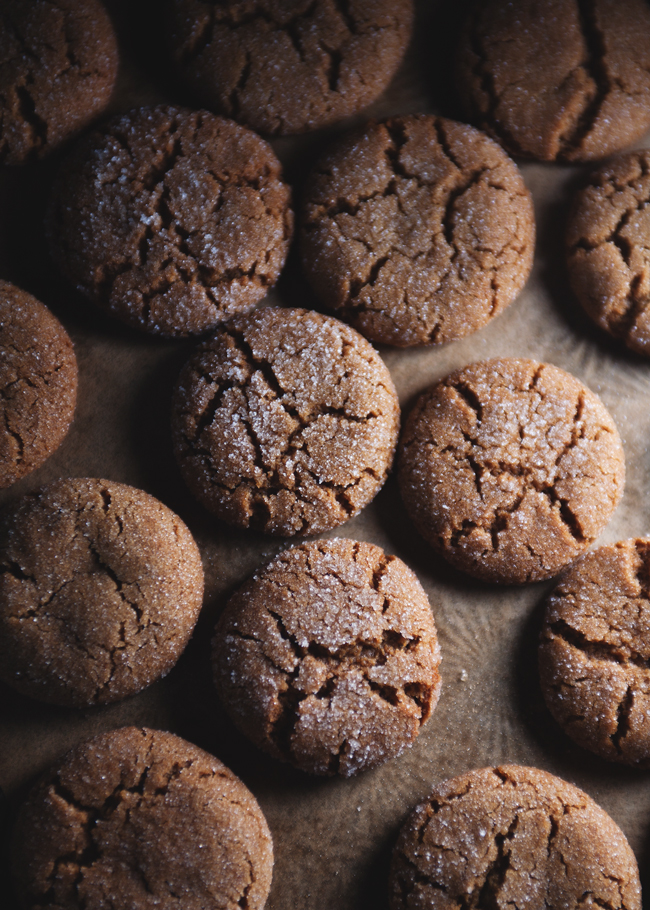
I’m guessing you can tell why these cookies are special. Yup! They’re made with bacon fat. While the idea is that you’ve been collecting bacon drippings all along, saving it in a little bowl so you can re-use it for other recipes (something I vividly remember my mom doing when I was younger), I had to go out and buy a pound-and-a-half of bacon especially for this recipe, and then spent the better part of an hour frying it up. Later that night, and for days after, we reheated the strips and used them for sandwiches and omelettes and other such delights. These foods all benefit from bacon, I’m sure you would agree, so it wasn’t too much trouble for me.
The cookies themselves taste smoky and exotic, hardly like bacon, although you can tell there’s something in there that contributes an inexplicable… savoriness? Huskiness? I’m definitely not a slap-bacon-on-it-and-call-it-a-day kind of gal, by the way. But I do like my ginger-flavored sweets, and I love the softness of these cookies. (which begs the question: are they technically gingersnaps then? Aren’t gingersnaps supposed to be, I dunno, snappy?)
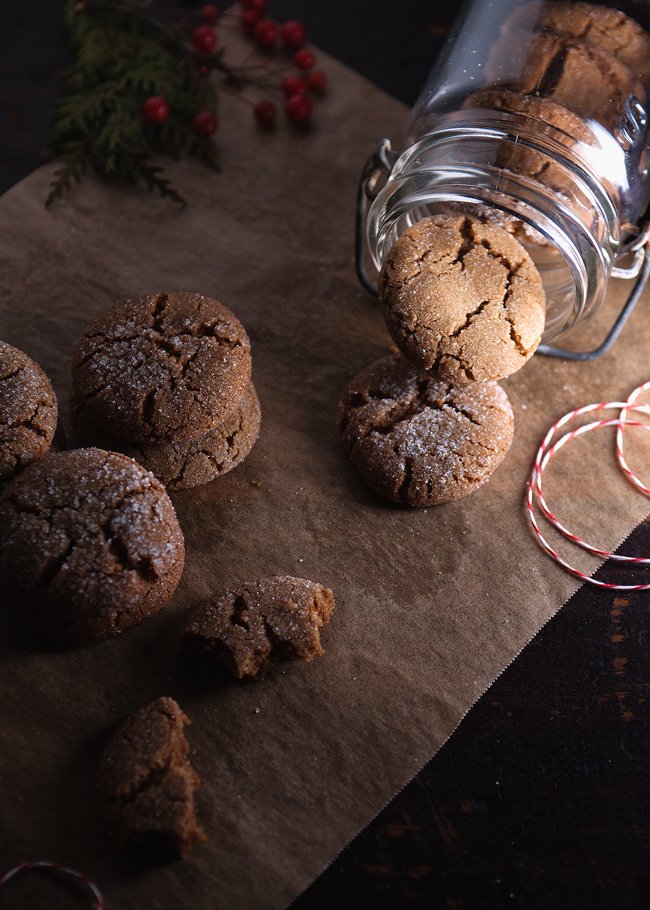
I also love the origin of this recipe, which comes from Cathy Horyn, the renowned New York Times FASHION editor who got the recipe from her mother. Yes! So I suppose this recipe is an old-new take on a classic gingersnap recipe that is perfect for the holidays.
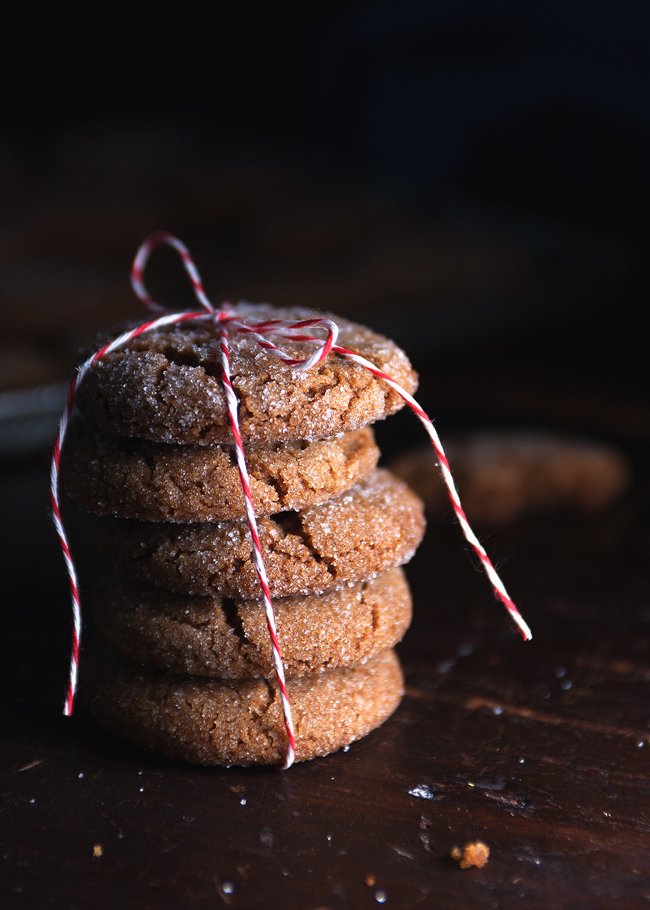
BACON FAT GINGERSNAPS
Adapted from Leite’s Culinaria
Makes 3 dozen or so
Ingredients:
- 3/4 cup bacon drippings (from 1 1/2 to 2 pounds bacon), at room temperature
- 1/2 cup granulated sugar, plus more for the work surface
- 1/2 cup brown sugar
- 1/4 cup molasses (not blackstrap) or cane syrup
- 1 large egg
- 2 cups all-purpose flour
- 1 1/2 teaspoons kosher salt
- 2 teaspoons baking soda
- 2 teaspoons ground ginger
- 1/2 teaspoon ground allspice
- 1/2 teaspoon ground cinnamon
Directions:
Mix all the ingredients together until a smooth, stiff dough forms. Wrap it tightly with plastic wrap and refrigerate for at least a few hours and up to 2 days.
Preheat oven to 350 degrees F. Line 2 baking with parchment paper. In a small bowl, pour about 1/4 cup sugar. Break off 1-Tbsp chunks of the cookie dough and roll them into balls. Then roll them around in the sugar to coat and place them on the baking sheets, 2 inches apart.
Bake the cookies 10 to 12 minutes, until dark brown. Let cool.
Related Posts


Subscribe for New Racipies
Get mental health tips, updates, and resources delivered to your inbox.
Meyer Lemon Budino

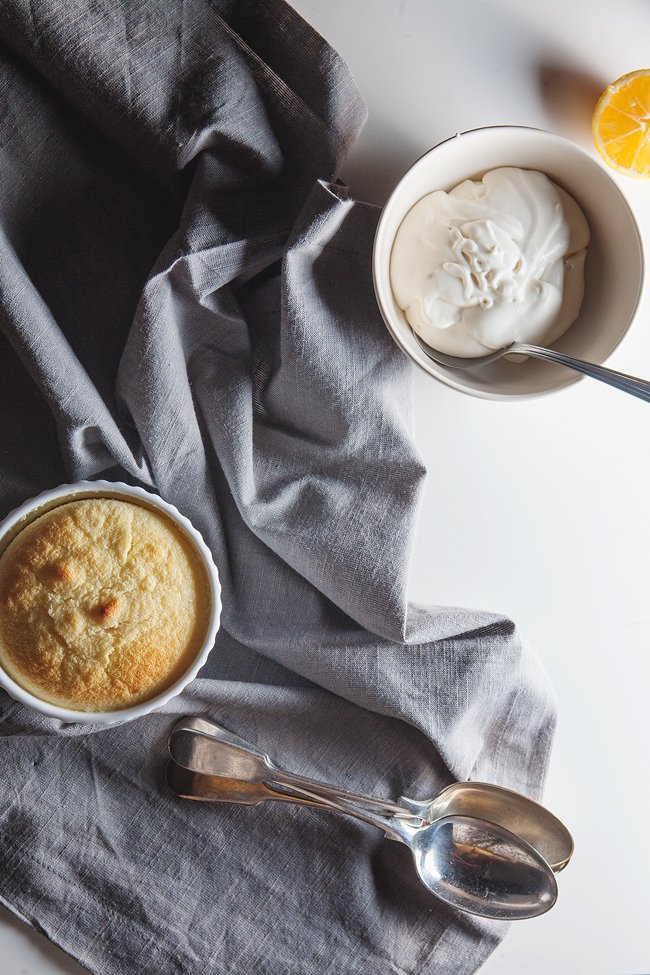
Budino is Italian for pudding, and I’m assuming this recipe is Italian in origin because it comes to us from Craig Stoll, owner of San Francisco’s Delfina. (Oh, SF, any mention of you sends prickles of homesickness down my spine.) What I can tell you is that it’s part souffle, part gooey lemon-y goodness. Especially if it’s countered with a mascarpone whipping cream, which rounds out its fruitiness.
I can also tell you that I love love love Meyer lemons, which I eat, raw, just like oranges, except I cut them in quarters and rip out their flesh with my teeth (kind of like how Chinese people eat oranges—or is this practice more international than I realize?).
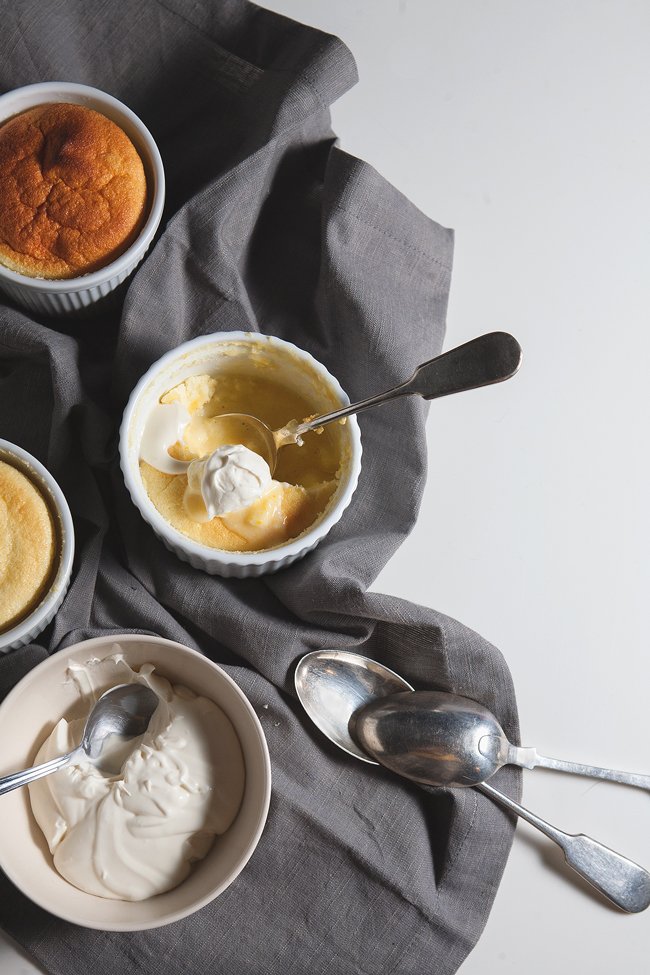
I kind of realized along the way (the ‘way’ being the entire circuitous route I’ve taken to learning to bake) that I don’t really care for baked lemon desserts. I’m talking about tarts and pies, and those bar things that people always seem to make a huge fuss over. It’s probably a cultural thing. Chinese people don’t generally cook fruit into desserts, instead, preferring to eat it on its own, so it feels incongruous to pair its freshness and natural-ness with butter, dough, and high temperatures.
But Meyer lemon desserts, they’re in a league of their own. Meyer lemons possess a whole other dimension of floral-ness, a fragrance that reminds me of Asian dessert flavors like green tea and red bean and black sesame. It’s quieter, sweeter, less in-your-face. In fact, I’m rethinking my stance on lemon-y desserts, as long as they’re made with Meyer lemons. I would probably like Meyer-lemon lemon bars, and Meyer-lemon lemon meringue pie, and Meyer-lemon lemon shortbread. I know I like it in this budino.
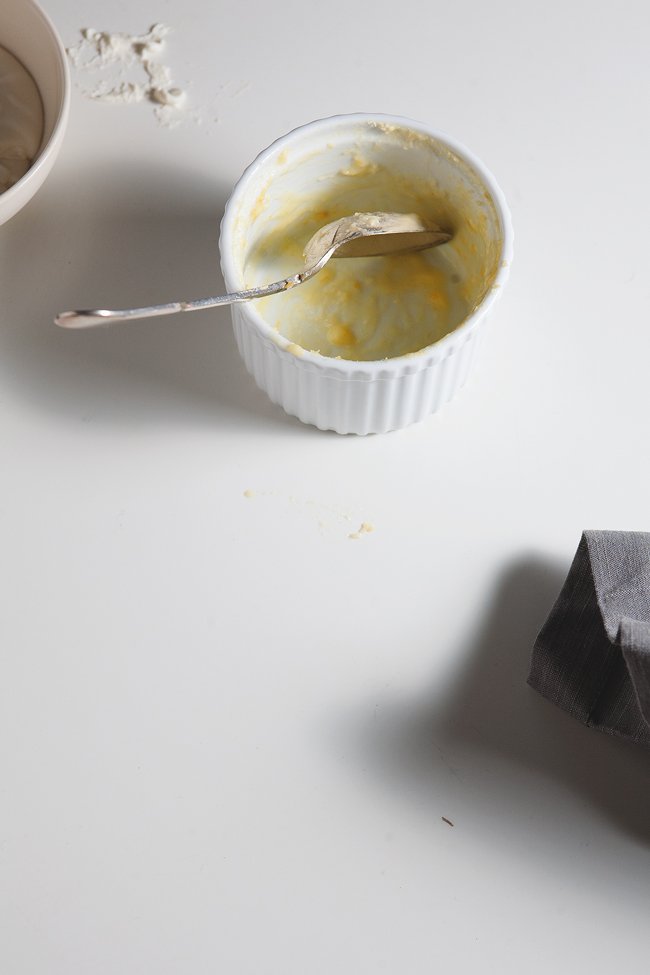
Hint: it’s wonderful warm and fresh out of the oven, BUT if you give it a chance to sit in the fridge overnight, it is even better the next day. By then, three distinct layers will have formed: the dreamy pudding on the bottom, the feathery sponge cake layer on top, and an incredibly lush cheesecake-like layer in between. It is excellent. Excellent!
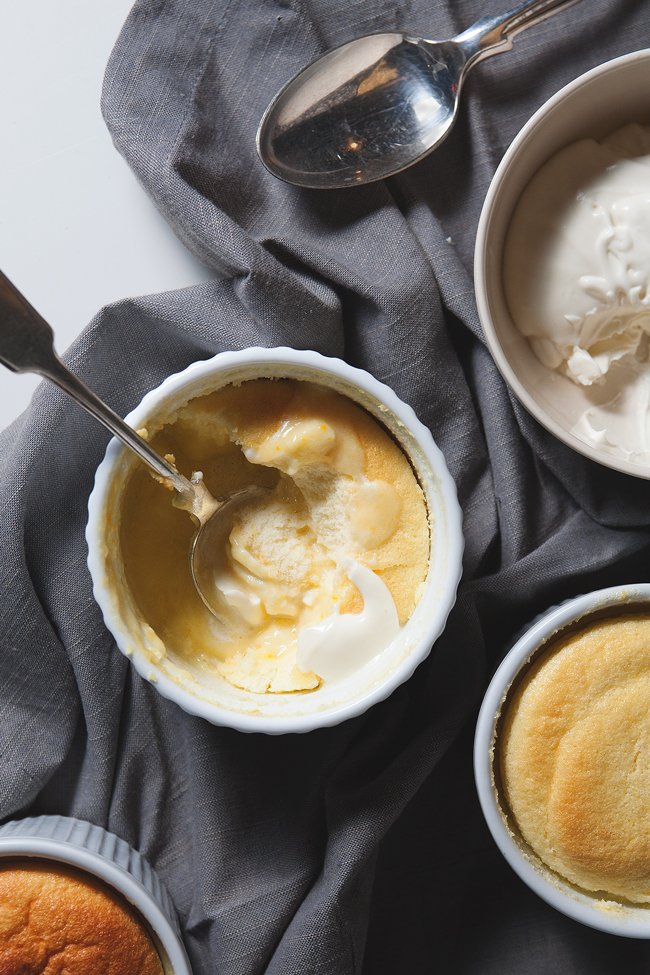
MEYER LEMON BUDINO
Adapted from Delfina, courtesy of Bon Appétit
Serves 4 to 6
Ingredients:
1/2 cup plus 2 Tbsp sugar
3 large eggs, separated
1/4 cup all purpose flour
1/4 cup + 2 Tbsp fresh Meyer lemon juice
2 Tbsp finely grated Meyer lemon peel
3/4 cup plus 2 tablespoons whole milk
1/4 teaspoon salt
For the mascarpone whipped cream:
1/2 cup chilled mascarpone cheese
1/2 cup chilled whipping cream
2 Tbsp sugar
1/2 tsp vanilla extract
Directions:
Preheat oven to 350 degrees F. Butter 4 to 6 ramekins. Combine 1/2 cup sugar, egg yolks, flour, lemon juice, and lemon peel in large bowl; whisk until well blended. Whisk in milk.
Using an electric mixer, beat egg whites and salt in medium bowl until frothy. Gradually add remaining 2 Tbsp sugar and beat until soft peaks form. Fold beaten egg whites into lemon mixture in 2 additions. Divide mixture among prepared custard cups. Place custard cups in roasting pan. Pour enough hot water into roasting pan to come halfway up sides of custard cups. Bake puddings until tops are golden and spring back when lightly touched, about 25 to 30 minutes (keep an eye on them—in some ovens, they’ll bake faster). Remove cups from water and let cool. Serve warm or cold with mascarpone whipped cream, recipe below.
For the mascarpone whipped cream:
Combine the mascarpone, whipping cream, sugar, and vanilla extract. Whisk until thick soft peaks form. Refrigerate for a few hours.
Related Posts
Subscribe for New Racipies
Get mental health tips, updates, and resources delivered to your inbox.