
Holiday Cookies For Sweet Paul Magazine

Medically reviewed by Christiana George Updated Date: June 8, 2023
Happy December! We’re a month into a new lease in a new apartment and, while we’re still without a couch or coffee table or shelves for our books and knick knacks because we threw them out along with the last vestiges of the mouse problem that tainted the final few months in our old apartment, we are finally living in a place that gets direct sunlight. Yay!!! Northern light is brooding and sexy and all, and I did enjoy it, truly, while we had it, but most of the time I’m feeling decidedly un-brooding and un-sexy, so the change is very welcome.
My very first act upon moving in was fixing up the kitchen, naturally. It’s now decked out with shelves for my flour and grain collection, a knife rack, and an island that feels luxuriously roomy after spending years trying to make do with cramped little counters. In short, it’s a kitchen I really want to be in, and I’m looking forward to breaking it in with the holiday cooking and baking to come.
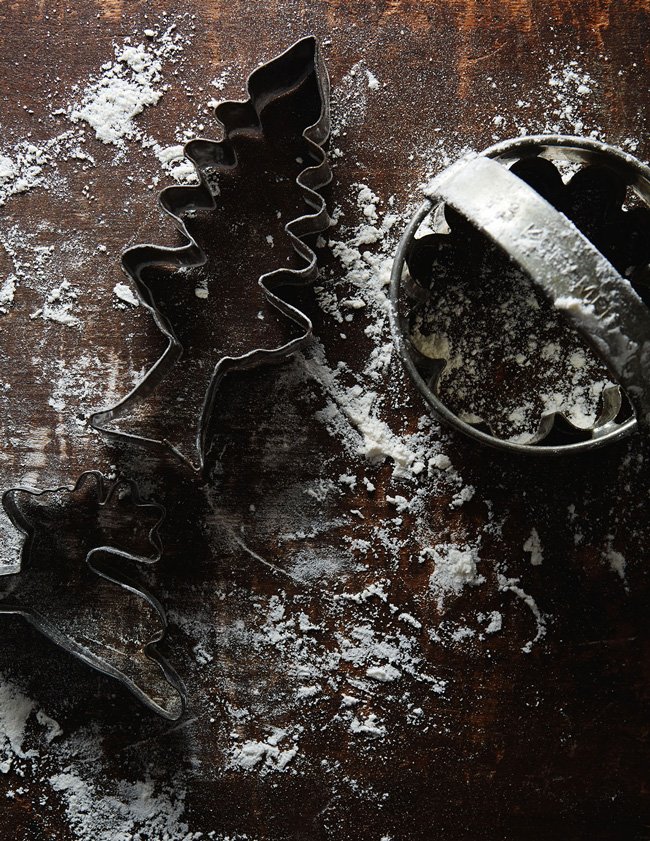
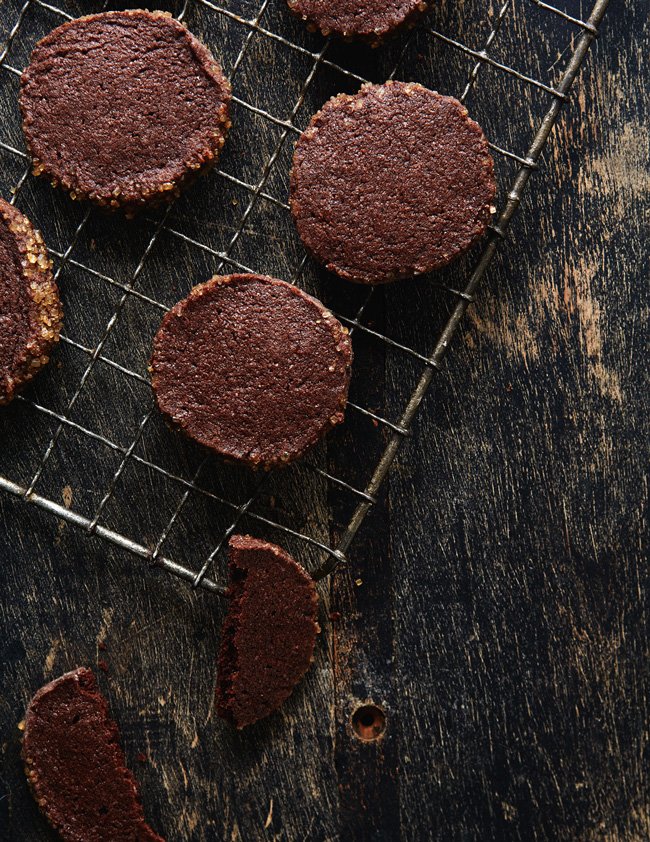
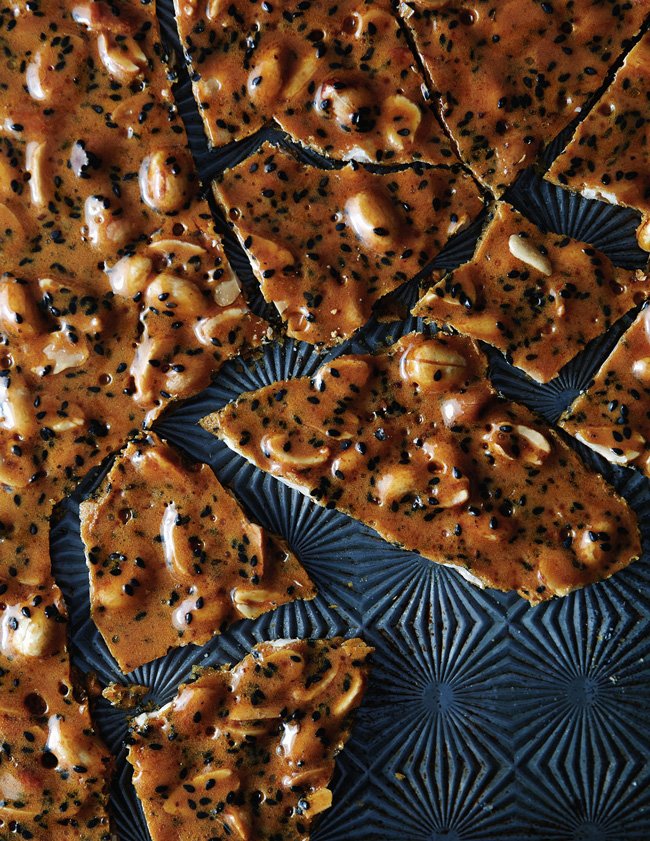
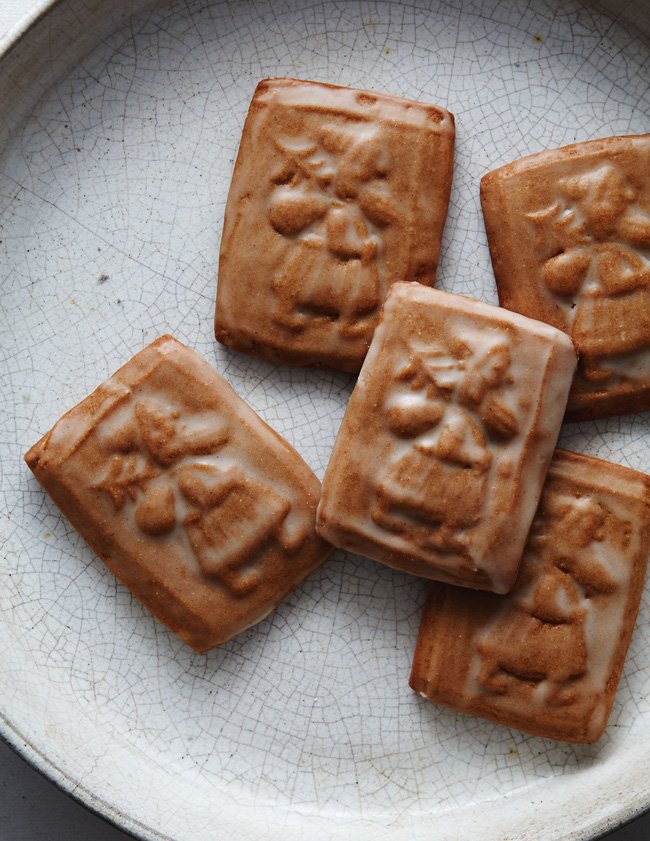
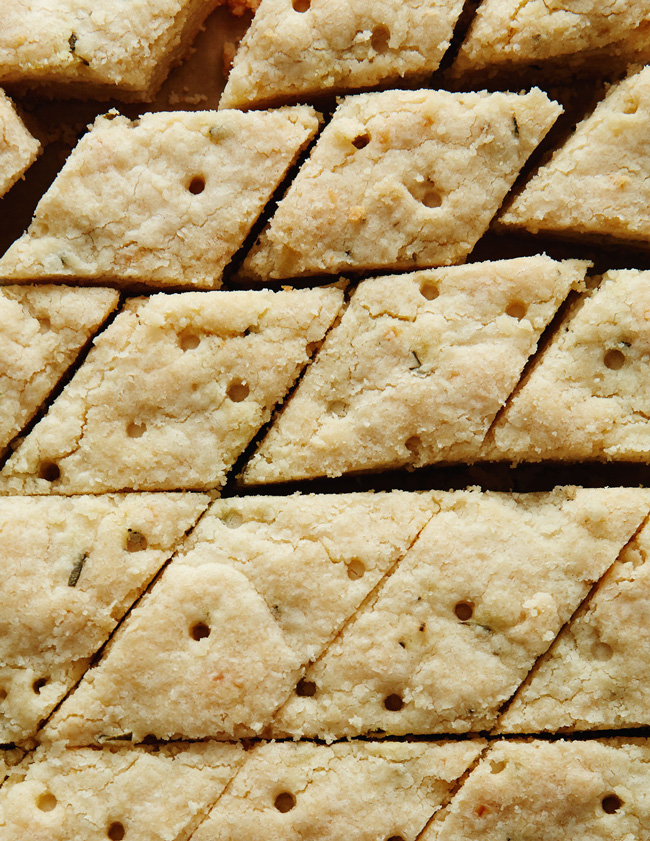
This year, I’ve added quite a few new cookie recipes to my repertoire. They’re from a story I shot for Sweet Paul magazine’s holiday issue that came out recently, and I couldn’t be more pleased. The story features cookie recipes that call for savory spices, like cayenne pepper in chocolate chili icebox cookies, and Sichuan peppercorn in Sichuan peppercorn peanut brittle. But my absolute favorite recipe is for lemon rosemary shortbread, and I’ve been impatiently looking forward to sharing it with you. They are tender and buttery, with a pronounced lemon and rosemary flavor that I’m pretty sure will hook you and the rest of your clan. And I don’t even like shortbread. (Not to put shortbread down; that statement serves only to elevate the cookies!)
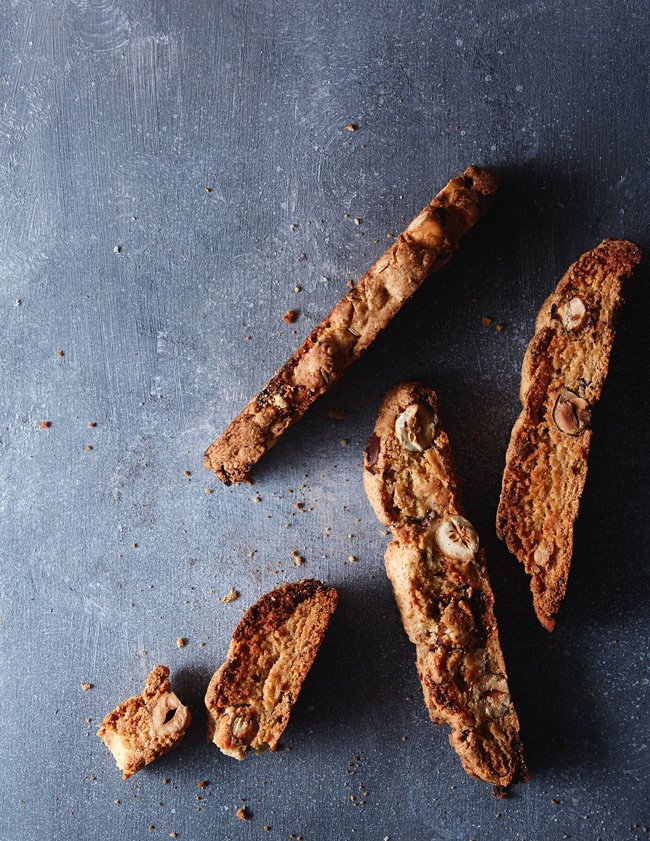
Check out the rest of the photos from the story below, and scroll to the very bottom for the recipe. Happy baking!!
(And now that Chris and I are finally starting to get past the move and all its ridiculous pre- and post- drama, I hope to be back to blogging regularly soon. Fingers crossed!)



Food styling by Molly Shuster
Prop styling by Maeve Sheridan
LEMON ROSEMARY SHORTBREAD
Makes one 9×9″ pan
Ingredients:
3 sticks unsalted butter, at room temperature, plus more for greasing pan
3/4 cup sugar
3 1/4 cups all-purpose flour
2 tablespoons finely chopped rosemary
1 teaspoon salt
zest from one lemon
Directions:
Preheat oven to 350ºF. Butter a 9×9″ baking pan.
Beat butter and sugar until light and fluffy. In a small bowl, whisk together the remaining ingredients. Add to butter mixture and mix until combined; dough will remain crumbly. Pat dough evenly into prepared pan and prick with a toothpick or skewer about every ½ inch.
Bake until lightly golden, about 35 minutes. Cool for about 10-15 minutes. Cut shortbread while warm.
Related Posts






Subscribe for New Racipies
Get mental health tips, updates, and resources delivered to your inbox.
Grandma Old Fashioned Sweet Potato Pie Recipe

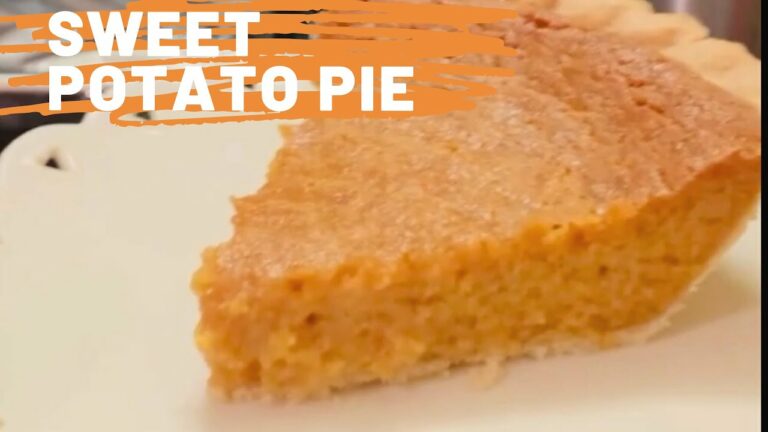
Few things conjure up feelings of warmth and nostalgia like an Old Fashioned Sweet Potato Pie, a classic favorite that has been cherished in family gatherings for generations. This delicious dessert often brings to mind cozy family dinners, laughter around the table, and stories from the past.
What if you could recreate this mouthwatering delight, just like grandma used to make? Today, we’re going to do just that! This article will introduce you to Grandma’s old-fashioned sweet potato pie recipe that will bring you back to those beautiful memories of yesteryears.
Grandma’s Recipe
A Culinary Journey into the Past: We know that the best recipes are those that have stood the test of time, and grandma’s old-fashioned sweet potato pie is a shining example. This delicacy is not just a pie; it’s a narrative of generations, woven with love, warmth, and of course, unbeatable flavors.
How Sweet Potato Pie Became a Classic?
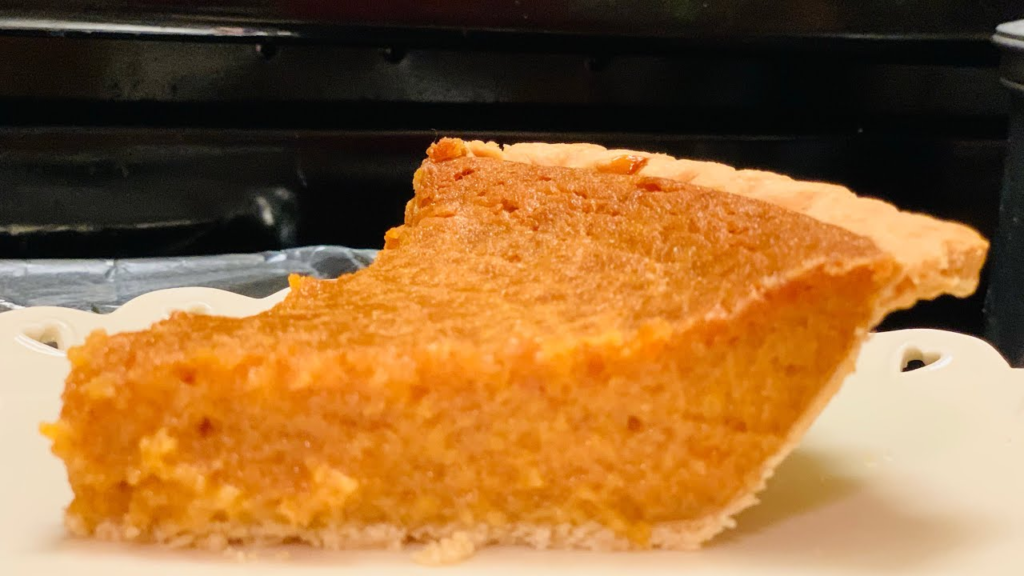
Sweet potato pie is a Southern delicacy that has been loved for centuries. It’s believed to have originated from African-American culture during the era of slavery, as an alternative to the European-style pumpkin pie. Over the years, it has become a favorite, especially during holidays like Thanksgiving and Christmas. Grandma’s old-fashioned sweet potato pie recipe is a testament to this culinary tradition.
How to Make Grandma’s Old Fashioned Sweet Potato Pie?
Creating this nostalgic treat is a labor of love, as it involves careful preparation and attention to detail. Here’s a step-by-step guide to making your own old-fashioned sweet potato pie, inspired by grandma’s recipe.
Ingredients:
- 2 cups mashed sweet potatoes (about 3-4 medium-sized sweet potatoes)
- 1 cup granulated sugar
- 1/2 cup unsalted butter, melted
- 1/2 cup milk
- 2 large eggs
- 1 teaspoon vanilla extract
- 1/2 teaspoon ground cinnamon
- 1/4 teaspoon ground nutmeg
- 1/4 teaspoon salt
- 1 unbaked 9-inch pie crust
For the whipped cream (optional):
- 1 cup heavy cream
- 2 tablespoons powdered sugar
- 1/2 teaspoon vanilla extract
Instructions:
- Preheat your oven to 350°F (175°C).
- Peel the sweet potatoes and cut them into chunks. Place them in a large pot of boiling water and cook until tender, about 15-20 minutes. Drain the sweet potatoes and mash them using a potato masher or fork until smooth. Let them cool for a few minutes.
- In a large mixing bowl, combine the mashed sweet potatoes, sugar, melted butter, milk, eggs, vanilla extract, cinnamon, nutmeg, and salt. Stir well until all the ingredients are fully combined and the mixture is smooth.
- Place the unbaked pie crust in a 9-inch pie dish. Pour the sweet potato mixture into the pie crust, smoothing the top with a spatula or the back of a spoon.
- Bake the pie in the preheated oven for about 55-60 minutes or until the center is set and the pie is golden brown. You can test for doneness by inserting a toothpick into the center of the pie – if it comes out clean, the pie is ready.
- Remove the pie from the oven and let it cool completely on a wire rack. Once cooled, refrigerate for a few hours or overnight to allow the flavors to meld together.
- If desired, prepare the whipped cream. In a chilled bowl, beat the heavy cream, powdered sugar, and vanilla extract together using an electric mixer on medium-high speed until soft peaks form.
- Serve the sweet potato pie chilled or at room temperature, topped with a dollop of whipped cream if desired. Enjoy your grandma’s old-fashioned sweet potato pie!
Note: This recipe is for a single 9-inch pie. If you want to make multiple pies, you can adjust the ingredient quantities accordingly.
Conclusion
There you have it, Grandma’s old-fashioned sweet potato pie recipe! This isn’t just any dessert—it’s a piece of history, a comforting treat that carries the flavors of love, tradition, and nostalgia. Whether you’re a novice baker or a seasoned chef, this recipe will help you create a timeless delicacy that is sure to impress. From the aroma that fills your kitchen to the sweet, rich taste in every bite, you’ll see why this pie has been a cherished dessert for generations.
Remember, like any traditional recipe, you can add your own touch to this old-fashioned sweet potato pie. Maybe you’ll even start a new family tradition. We’d love to hear about your experience and how you made this recipe your own. So, put on your apron and get ready to enjoy the taste of tradition—happy baking!
Related Posts





Subscribe for New Racipies
Get mental health tips, updates, and resources delivered to your inbox.