Churro Puff Pastry
Medically reviewed by Christiana George Updated Date: January 6, 2026


I am still looking for Spring. We saw it peek it’s head out a week or so ago, but not it has disappeared again. Today was windy and chilly. The skies were cloudy all day. All I want it some warm weather so we can spend some time outside for a change. I hate being trapped in the house. But I supposed the only good thing to come out of this, is more baking for me. Last week I made six jars of dulce de leche. I had some recipe testing to do. The first two recipes didn’t go so well, but this one came out just right.
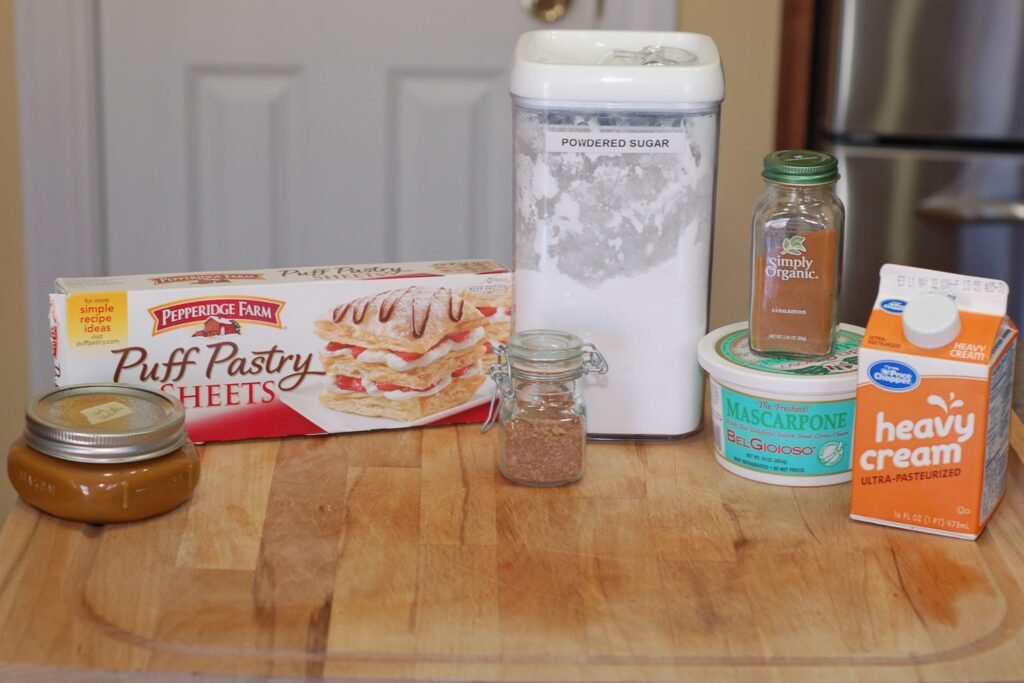
I had never used puff pastry before, so I thought I would try something new. The instructions on the box seemed fairly easy. Just unfold the dough, thaw it for 40 minutes at room temperature, then bake and decorate.

I sprinkled some cinnamon sugar on the dough before baking. I always keep a jar on hand. It’s great to sprinkle on french toast, crepes, waffles, cupcakes, etc.
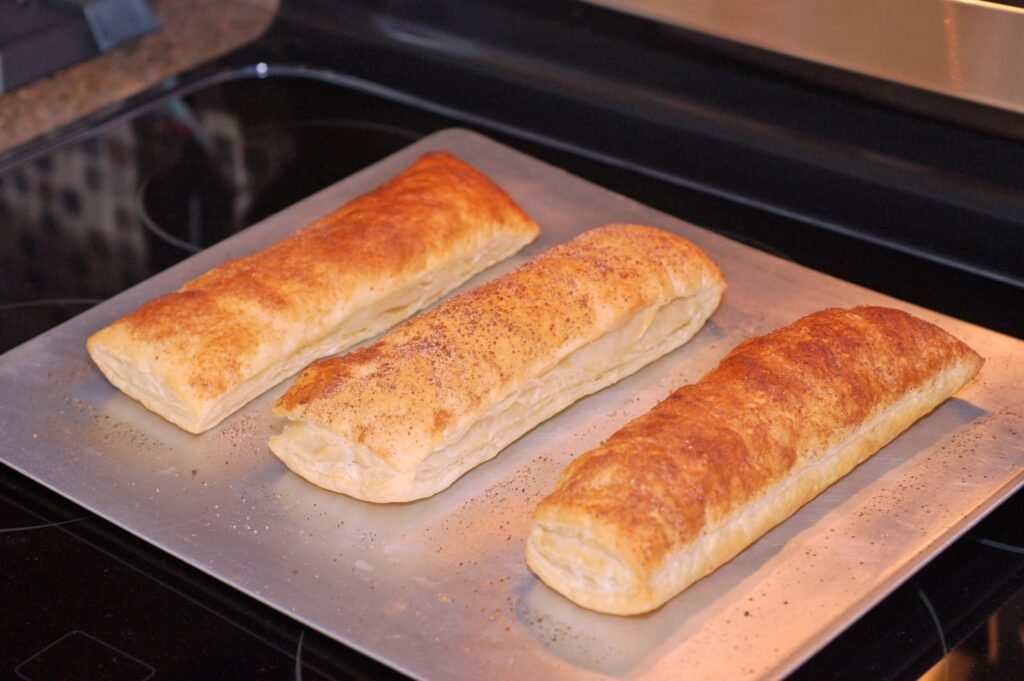
The dough only takes 15 minutes to bake. You can whip up your cream for the filling while the dough cools.

Then comes the best part, the filling. I used my homemade dulce de leche (but you can use store bought) and made some whipped cinnamon mascarpone frosting that I also used for my Churro Cupcakes, Cinnamon Chocolate Cake, and my Pumpkin Spice Crepes. It’s great as a frosting or filling. I love it!

The pastry dough it so light and flaky. The mix of the dulce the leche with the cinnamon mascarpone frosting tones down the sweetness of the dulce de leche. Overall, it’s like eating a cloud. A soft, fluffy, sweet cloud. You don’t feel heavy or guilty after eating this. But it tastes superb. I am going to have to make some more desserts with puff pastry now.
Churro Puff Pastry
by The Sweet Chick
Prep Time: 1 1/2 hours
Cook Time: 15 minutes
Keywords: bake dessert snack dulce de leche mascarpone cheese puff pastry cinnamon Cinco de Mayo puff pastry
Ingredients (6 servings)
For the puff pastry
- 1 box ready to bake puff pastry sheets
- 8 tablespoons dulce de leche, divided
- 1 1/2 teaspoons cinnamon sugar (see recipe below)
- 1/2 cup heavy cream
- 4 ounces mascarpone cheese, room temperature
- 1/4 cup confectioners’ sugar, sifted
- 1/8 tsp. cinnamon
For the cinnamon sugar
- 1/2 cup sugar
- 1 tablespoon cinnamon
Instructions
For the puff pastry
Preheat oven to 400ºF.
Remove 1 sheet of puff pastry and place on a plate. Thaw at room temperature for about 30-40 minutes, or until it is pliable.
Unfold pastry sheet on a lightly floured surface and cut into 3 strips at the folds. Sprinkle the strips evenly with 1 teaspoon cinnamon sugar.
Place the strips on a greased baking sheet. Bake for 15 minutes, or until the tops are golden brown.
Carefully remove the puff pastry from the baking sheet and place on a cooling rack and prepare cream filling.
With an electric mixer or stand mixer on medium speed, whisk heavy cream until stiff peaks form (be careful not to overbeat, or cream will be grainy).
In another bowl, whisk together mascarpone, cinnamon and confectioners’ sugar until smooth. Gently fold whipped cream into mascarpone mixture until completely incorporated.
Now that the puff pastry has cooled, cut each into 2 layers lengthwise, for a total of 6 layers.
Sprinkle the remaining 1/2 teaspoon cinnamon sugar onto the three bottom layers.
Then spread 2 tablespoons of dulce de leche on four of the layers (keep 2 nice looking pieces for the tops). And spread the mascarpone filling evenly over the dulce de leche.
Next begin layering. You are making two “sandwiches”, so each “sandwich” should have a bottom puff pastry and a middle one with filling, and the top one which is bare.
Place the two desserts in the fridge for a 1/2 hour to an hour to set before cutting.
Once set, cut each dessert into three squares with a wet serrated knife, for easier slicing. Top with strawberries or fresh whipped cream. Enjoy!
For the cinnamon sugar
Mix together the sugar and cinnamon until well blended. Keep remaining mixture in an airtight container and use to sprinkle on french toast, oatmeal, yogurt, waffles, crepes, etc.
Subscribe for New Racipies
Get mental health tips, updates, and resources delivered to your inbox.
Is Swiss Cheese Acidic? Swiss Cheese and Acid Reflux

Swiss cheese, with its mild flavor and distinctive holes, is a favorite among cheese lovers worldwide. But for those concerned about their digestive health, particularly acid reflux or acid sensitivity, its impact on the stomach becomes a pressing question. Is Swiss cheese acidic, and can it fit into a diet designed to reduce acidity? Understanding the pH level of Swiss cheese and its effects on digestion is vital for making smarter dietary decisions.
Cheese, in general, is often considered acidic, but the degree of acidity varies among types. Swiss cheese, thanks to its unique fermentation process, is milder in acidity compared to other cheeses. Beyond its acidity, it offers a wealth of nutrients, including calcium, protein, and essential vitamins. However, its fat content and individual tolerance play a crucial role in how it affects your digestive system. This article provides a detailed, science-backed guide on the acidity of Swiss cheese, its health benefits, and how to incorporate it into your diet while avoiding digestive discomfort.
Understanding Acidity in Foods
What Does It Mean for Food to Be Acidic?
Acidity in foods is measured using the pH scale, which ranges from 0 to 14. Foods with a pH below 7 are considered acidic, while those with a pH above 7 are alkaline. A pH of 7 is neutral, like pure water. Most cheeses, including Swiss cheese, are on the acidic side of the scale due to the natural fermentation process involved in their production.
Why Does Acidity Matter?
The acidity of food plays a significant role in how it interacts with your digestive system. Highly acidic foods can increase stomach acid production, potentially triggering or worsening conditions like acid reflux or heartburn. On the other hand, studies has proven that low-acid or alkaline foods can help neutralize stomach acid, soothing the digestive tract. Understanding where Swiss cheese falls on the acidity spectrum can help you make better dietary choices to support your digestion and overall health.
What is Swiss Cheese?
Overview of Swiss Cheese
Swiss cheese is a type of semi-hard cheese that originated in Switzerland. Its most famous variety, Emmental, is known for its iconic holes, which are formed by carbon dioxide released during fermentation. Swiss cheese has a mild, nutty flavor and a smooth, creamy texture, making it a favorite ingredient in sandwiches, wraps, and cheese platters.
Nutritional Breakdown
Swiss cheese is not only delicious, but also packed with essential nutrients that contribute to a healthy diet:
- Protein: Supports muscle repair and overall body function.
- Calcium: Helps maintain strong bones and teeth, preventing osteoporosis.
- Vitamins B12 and D: Boost energy levels and strengthen the immune system.
How Does Swiss Cheese Compare to Other Cheeses?
Swiss cheese has a moderate fat content and a milder acidity compared to stronger cheeses like cheddar or Parmesan. Its balanced flavor and nutrient profile make it a versatile option for many dietary preferences. Additionally, Swiss cheese is naturally lower in sodium compared to processed cheese varieties, making it a healthier choice for individuals watching their salt intake.
Is Swiss Cheese Acidic or Alkaline?
The pH Level of Swiss Cheese
Swiss cheese has a pH level of around 5.8 to 6.5, which categorizes it as slightly acidic. However, it is less acidic than other cheeses like blue cheese or feta, thanks to its mild fermentation process.
Factors Influencing Acidity
Several factors affect the acidity of Swiss cheese:
- Aging: Longer aging processes can increase the acidity of cheese slightly.
- Processing: Some commercial Swiss cheeses may have added preservatives, which can alter their pH levels.
- Milk Source: The pH of the milk used (typically cow’s milk) impacts the final acidity of the cheese.
How Swiss Cheese Fits into Diets
For those aiming to reduce acid intake, Swiss cheese is a moderate choice. While not alkaline, it is less acidic than many other types of cheese. This makes it a potentially better option for individuals managing acid reflux or following an alkaline-based diet.
Health Benefits of Swiss Cheese
Following is the list of Swiss cheese health benefits:
- Strong Bones
Swiss cheese is rich in calcium and phosphorus, two minerals that are essential for bone strength. Regular consumption in moderation can help maintain bone density and reduce the risk of osteoporosis. - Protein Powerhouse
Each serving of Swiss cheese provides high-quality protein, which is crucial for muscle repair, growth, and overall body function. - Gut Health
Certain varieties of Swiss cheese contain probiotics, live bacteria that promote a healthy gut microbiome. These beneficial bacteria support digestion, improve nutrient absorption, and may even enhance immune function.
Can Swiss Cheese Trigger Acid Reflux?
Swiss cheese is less acidic than many other cheeses, but its fat content can still pose challenges for those with acid reflux. High-fat foods tend to relax the lower esophageal sphincter (LES), the muscle that prevents stomach acid from moving back into the esophagus. When this muscle is weakened, reflux symptoms such as heartburn can occur.
Lactose Sensitivity and Reflux
Swiss cheese contains less lactose than many other dairy products, making it easier to digest for individuals with mild lactose intolerance. However, it also contains casein, a milk protein that may cause bloating or discomfort in sensitive individuals.
Tips for Safe Consumption:
- Opt for low-fat or reduced-fat Swiss cheese to minimize the risk of triggering reflux.
- Pair Swiss cheese with alkaline foods like leafy greens or whole grains to balance its acidity.
- Limit portions to 1–2 ounces per serving to avoid overwhelming your digestive system.
How to Include Swiss Cheese in a Balanced Diet?
Pairing Swiss Cheese with Alkaline Foods
To neutralize the acidity of Swiss cheese, pair it with alkalizing foods. For example:
- Add a slice of Swiss cheese to a salad of spinach, kale, or cucumbers.
- Pair Swiss cheese with whole-grain bread and avocado for a satisfying sandwich.
Reflux-Friendly Recipes:
- Swiss Cheese and Spinach Wrap: Use a whole-grain wrap, fresh spinach, and a slice of low-fat Swiss cheese for a nutritious, reflux-friendly meal.
- Vegetable-Stuffed Omelet: Include grated Swiss cheese in an omelet filled with zucchini, bell peppers, and fresh herbs for a healthy, low-acid breakfast.
Portion Control:
Stick to one or two servings of Swiss cheese (about 1 ounce per serving). This ensures you can enjoy its health benefits without consuming too much fat, which might exacerbate reflux symptoms.
Alternatives to Swiss Cheese for Acid Reflux Sufferers
If Swiss cheese isn’t suitable for you, consider these alternatives:
Low-Fat or Lactose-Free Cheeses
- Mozzarella: A mild, creamy cheese with lower fat and acidity levels.
- Cottage Cheese: A versatile option that’s high in protein and gentle on the stomach.
- Ricotta: Soft and creamy, it’s a great low-acid choice for many dishes.
Plant-Based Cheese Options
- Almond Cheese: A dairy-free alternative with a neutral pH, ideal for sensitive stomachs.
- Cashew-Based Cheese: Creamy and flavorful, suitable for vegan diets and acid reflux sufferers.
Comparisons with Other Mild Cheeses
Swiss cheese is less acidic than feta or Parmesan but more acidic than goat cheese. For a gentler option, try low-fat versions of goat cheese or mozzarella.
FAQs
Is Swiss cheese acidic or alkaline?
Swiss cheese is slightly acidic, with a pH level around 5.8 to 6.5. However, it’s less acidic than many other cheeses, making it a moderate choice for those mindful of acidity. Pairing it with alkaline foods can help balance its effects on digestion.
Can I eat Swiss cheese with acid reflux?
Yes, but moderation is key. Choose low-fat varieties and combine them with reflux-friendly foods like vegetables or whole grains. Avoid eating large amounts to prevent triggering reflux symptoms.
Which cheeses are best for acid reflux?
Low-fat cheeses like mozzarella, ricotta, or cottage cheese are gentler on the stomach. Swiss cheese can also be a good option if consumed in small portions and paired with alkaline foods.
Does Swiss cheese cause bloating?
Swiss cheese is relatively low in lactose, so it’s less likely to cause bloating than other cheeses. However, individuals with lactose intolerance or sensitivity to casein may still experience digestive discomfort.
What foods can I pair with Swiss cheese for better digestion?
Pair Swiss cheese with alkaline foods like leafy greens, cucumbers, or whole grains. These combinations help neutralize acidity and improve digestion.
Conclusion
Swiss cheese strikes a balance between acidity and nutrition, making it a viable option for most people, including those concerned about acid reflux. While its pH level places it on the slightly acidic side, it’s gentler on the stomach compared to other cheeses like cheddar or blue cheese. Its rich calcium, protein, and vitamin content contribute significantly to bone health, muscle repair, and overall well-being.
However, moderation is key, especially if you are prone to acid reflux. Pairing Swiss cheese with alkaline foods like vegetables or whole grains can help neutralize its acidity and support digestion. For those with severe symptoms, exploring low-fat or lactose-free alternatives may be a safer option.
Ultimately, Swiss cheese can be part of a balanced diet when consumed mindfully. Listen to your body and make adjustments as needed to enjoy its creamy, nutty flavor without compromising your digestive health.
Subscribe for New Racipies
Get mental health tips, updates, and resources delivered to your inbox.