
Blood Orange Curd

Medically reviewed by Christiana George Updated Date: June 8, 2023
I realized yesterday that our living room is just about about the size of the island in Chris’s aunt’s kitchen. Granted, her kitchen is super-sized, but that still tells you something, doesn’t it?
Currently, a huge piece of surface material is taking up about a quarter of the total space, smack in the middle of it all. It makes getting around the apartment challenging. You have to shimmy around it, but mind the wires!, because you might trip like I did this morning, knocking over a speaker that had been playing Lykke Li. (I don’t think it’s broken.)
Chris likes to joke that the entire apartment has become my studio, and he’s not kidding. Lining one wall are foamboards and reflectors and all kinds of surfaces. Lining the opposite wall are stacks of bowls, plates, jars, glassware, silverware, pots, pans, and other props. It’s a delicate situation.
The kitchen is no exception, both in the fact that it’s tiny (I’ve touched on this before), and that I treat it as an extension of my studio. Open any drawer and you’ll discover the tricks of my trade: a rolling pin balanced precariously atop a couple mortars, pestles off to the side, an entire drawerful of random shiny gizmo-gadgets: biscuit cutters, the candy thermometer, a milk frother. And watch out if you want to grab a baking sheet: you’ll have to dig through a mountain of metallica, maneuvering your hand through tiny crevices and odd corners.
Oh, the life of a food blogger.
The truth is, despite having all this stuff lying around, I still find myself gravitating towards simple recipes, today’s being no exception. I like using ingredients that are in season (well, I guess that’s true of many of us), and I like being able to really taste their essence.
Maybe that makes me lazy. Or maybe it makes me a faux-Alice Waters in training? I’ll let you decide.
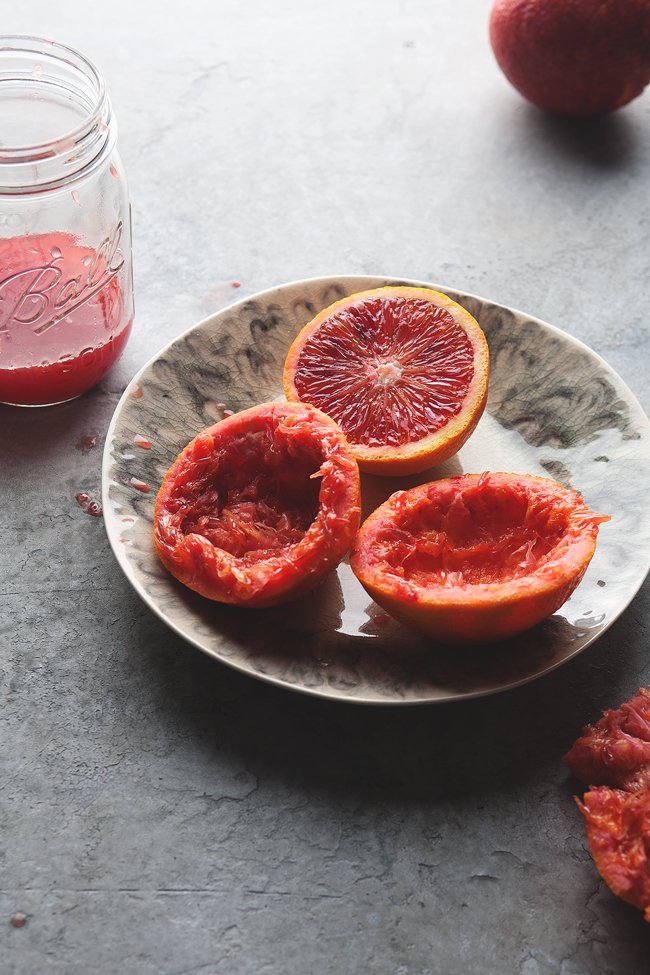
To tell you the truth, being newly open to baking with citruses and all, I had planned on preparing something a little more ambitious for today. In my head, I envisioned perfect mini tarts filled with silky caramel and topped with this blood orange curd, glistening of course. I really intended to stun you all away with my baking prowess.
But: a) and mostly importantly, I have no baking prowess, and b) there are bills to pay (also very important, come to think of it), so I let my intentions dwindle into this blood orange curd, which ended up being a real treat.

I’m with Kate on this one. The word ‘curd’ just doesn’t do it for me. It rhymes with ‘turd’ for one thing, and ugh, the tongue seems to linger on that ‘r,’ drawing it out so it sounds like you’re insulting someone.
Anyway, as you can see, the citrus obsession continues. (Amy! I’m filling your plate with more citrus!) Please don’t let its name detract from what it is, because that would be doing a great disservice to this recipe.
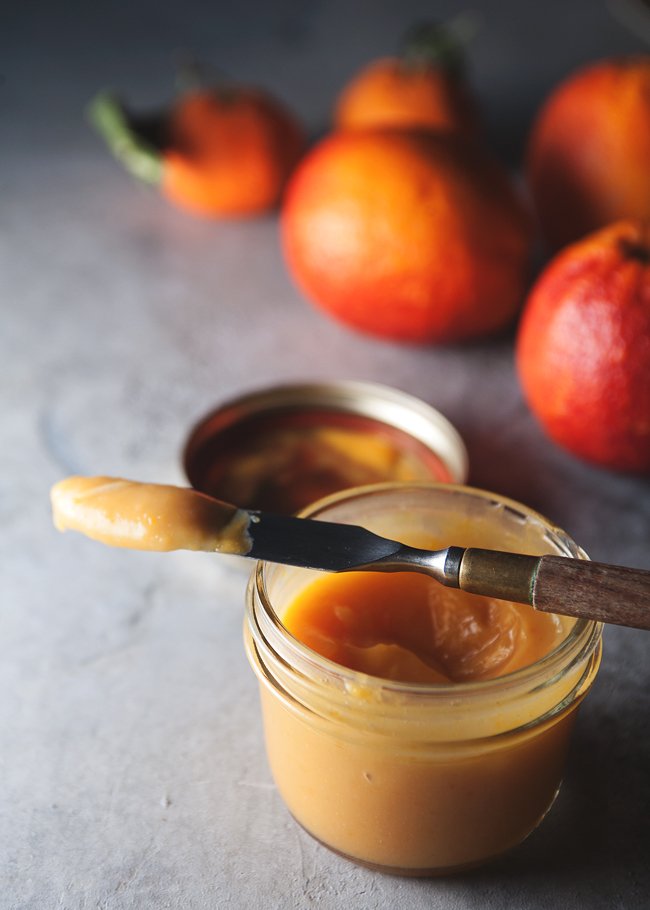
Though the butter and egg yolk have the effect of mellowing out the acidity of the orange, the citrus flavor really comes through. I like how blood oranges aren’t super sweet; it really helps keep the sweetness factor in check. And I like how the curd is creamy, like a buttery jam. It tastes really good on plain toast (in particular, it pairs really well with this poppy seed bread we have in the house).
I was surprised with how the color turned out, because the juice was such a vivid coral, but again, mellowing occurred and the pinkish-red turned into a pretty pastel orange. Don’t you love lovely-looking food?
Other ways in which to use your curd (ugh, that sounds so dirty):
These shortcakes via Bon Appétit
This chiffon cake via Eat the Love (gorgeous photos!)
These bars via White on Rice Couple (with a brown butter crust, yum)
In other words, you can pretty much do whatever you feel like with the stuff. So go, go and make your blood orange caramel tarts, see if I care!

BLOOD ORANGE CURD
Makes about 1 pint
Ingredients:
- 12 egg yolks
- 3/4 cup freshly-squeezed blood orange juice (from around 3 blood oranges)
- 1/4 cup lemon juice
- 1 cup sugar
- 1/2 cup butter (8 Tbsp), cut into Tbsp pieces
Directions:
Place the egg yolks, sugar, blood orange juice, and lemon juice in a medium saucepan and turn the heat on to low. Whisk constantly (or the yolks will curdle), for about 10 minutes. At this point, the curd should become really foamy, then thicken up. When it’s thick enough to coat the back of a spoon, run the ingredients through a sieve into a medium bowl. Immediately stir in the butter a little at a time until it all melts and becomes incorporated. Let cool and refrigerate.
Related Posts






Subscribe for New Racipies
Get mental health tips, updates, and resources delivered to your inbox.
Is Asparagus Acidic? Asparagus and Acid Reflux

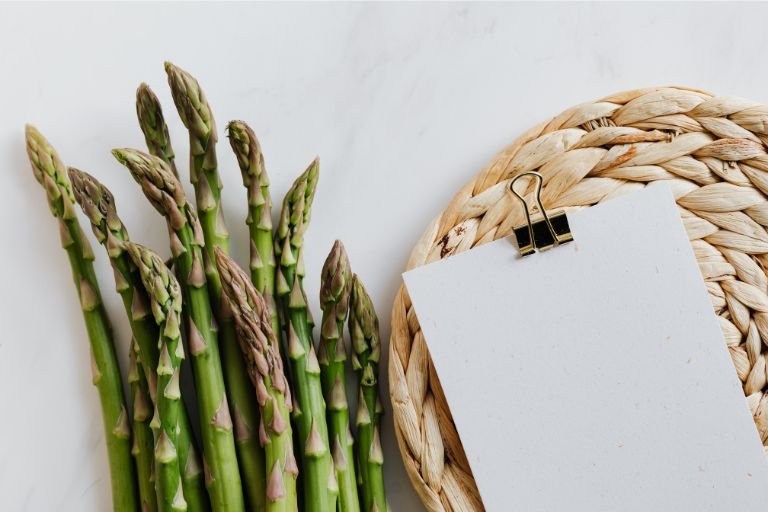
Asparagus is a beloved vegetable known for its unique flavor and nutritional benefits. But for individuals suffering from acid reflux, it raises a common question: Is asparagus acidic, and can it aggravate or alleviate acid reflux symptoms? In this article, we’ll explore the acidity of asparagus, its nutritional profile, and its potential effects on acid reflux sufferers.
Understanding Acid Reflux and Diet
What Is Acid Reflux?
Acid reflux occurs when stomach acid travels back up into the esophagus, leading to symptoms such as heartburn, regurgitation, and chest discomfort. This condition is often linked to dietary choices, making it vital to assess whether specific foods, like asparagus, trigger or alleviate symptoms.
How Diet Impacts Acid Reflux?
Certain foods are known to trigger reflux by:
- Relaxing the lower esophageal sphincter (LES), which normally prevents acid backflow.
- Increasing stomach acid production.
- Irritating the esophageal lining.
Dietary management is a cornerstone of acid reflux treatment, which means understanding the properties of each food, including asparagus, is crucial.
Is Asparagus Acidic or Alkaline?
The pH Level of Asparagus
On the pH scale, asparagus is considered a low-acid food with a pH ranging between 6.0 and 7.0, depending on its preparation. Foods with a pH above 7.0 are classified as alkaline, while those below 7.0 are acidic. Research suggests that asparagus sits near neutral, making it a mild choice for those monitoring their dietary acid intake.
Raw vs. Cooked Asparagus
The pH of asparagus can vary slightly based on its preparation:
- Raw asparagus retains more of its natural alkalinity and nutrients.
- Cooked asparagus (especially steamed or boiled) may have a softer texture, making it easier to digest for some individuals with reflux.
Alkaline Properties of Asparagus
While not fully alkaline, asparagus contains certain compounds that promote an alkaline environment in the body, which may help neutralize stomach acid and reduce reflux symptoms.
Nutritional Profile of Asparagus
Asparagus is not just a culinary delight; it’s a powerhouse of nutrients that contribute to overall health. Here’s what makes it stand out:
Key Nutrients in Asparagus
- Vitamins: Rich in vitamins A, C, E, and K, as well as folate.
- Minerals: Contains potassium, magnesium, calcium, and iron.
- Antioxidants: High levels of glutathione, an antioxidant that reduces inflammation.
- Fiber: Asparagus is a good source of dietary fiber, promoting healthy digestion.
- Prebiotics: Contains inulin, a prebiotic fiber that supports gut health.
Health Benefits of Asparagus
- Anti-Inflammatory Properties: Helps reduce inflammation, which may benefit individuals with acid reflux.
- Improved Digestion: Fiber and prebiotics in asparagus support healthy bowel movements and gut microbiota.
- Heart Health: Potassium and antioxidants promote cardiovascular health.
- Immune Support: High levels of vitamin C and other antioxidants boost immunity.
Asparagus and Acid Reflux: Potential Effects
Can Asparagus Trigger Acid Reflux?
While asparagus is not inherently acidic, it may still cause reflux in certain situations:
- Seasoning Choices: Adding acidic ingredients like lemon juice or vinegar during preparation could trigger symptoms.
- Overeating: Consuming large portions of any food, including asparagus, can put pressure on the LES and lead to reflux.
- Individual Sensitivity: Some individuals may have unique sensitivities that make asparagus a trigger food.
Benefits of Asparagus for Acid Reflux
For many, asparagus can be a reflux-friendly addition to their diet:
- Mildly Alkalizing: Asparagus helps create a less acidic environment in the stomach, which may alleviate reflux symptoms.
- Promotes Digestion: Fiber content aids in digestion, preventing bloating and constipation that can exacerbate reflux.
- Anti-Inflammatory Effects: May help soothe the esophagus and stomach lining.
How to Incorporate Asparagus into a Reflux-Friendly Diet
Tips for Cooking Asparagus
- Opt for Gentle Cooking Methods: Steaming or boiling preserves nutrients while making asparagus easier to digest.
- Avoid Trigger Ingredients: Skip acidic additions like lemon juice, garlic, or spicy seasonings.
- Pair with Alkaline Foods: Combine asparagus with alkaline-rich foods such as quinoa, sweet potatoes, or bananas to balance stomach acidity.
Portion Control
Stick to small to moderate portions of asparagus to avoid overwhelming the stomach. Eating smaller meals more frequently throughout the day can also help reduce reflux episodes.
Timing of Consumption
Avoid eating asparagus—or any food—close to bedtime, as lying down after a meal can increase the likelihood of reflux symptoms.
Alternative Vegetables for Acid Reflux Sufferers
If asparagus doesn’t sit well with you, consider these acid reflux-friendly alternatives:
- Zucchini: Mild and easy to digest, zucchini is a versatile vegetable for reflux sufferers.
- Cucumber: Naturally hydrating and alkaline, cucumber is a refreshing option.
- Broccoli: Rich in nutrients and low in acidity, broccoli is generally well-tolerated.
Related to Read: Zucchini Recipes
Lifestyle Changes for Managing Acid Reflux
Adopt Acid-Reflux-Friendly Eating Habits
- Chew food slowly and thoroughly.
- Avoid overeating by sticking to smaller meals.
- Maintain an upright posture for at least 2–3 hours after meals.
Avoid Common Trigger Foods
Limit or eliminate highly acidic, fatty, or spicy foods like tomatoes, citrus fruits, fried foods, and chocolate.
Manage Stress Levels
Stress can exacerbate acid reflux by increasing stomach acid production. Incorporate relaxation techniques such as yoga, meditation, or deep breathing exercises.
What the Experts Say About Asparagus and Acid Reflux?
Nutritional Research on Asparagus
Research highlights asparagus as a vegetable rich in anti-inflammatory compounds and gut-friendly prebiotics. While direct studies on its effect on acid reflux are limited, its overall properties make it a potential ally in a reflux-friendly diet.
Recommendations from Nutritionists
Many nutritionists recommend asparagus as a low-acid vegetable suitable for most people with acid reflux. However, they emphasize the importance of individual tolerance and moderation.
Asparagus Recipes: Asparagus Tempura
Roasted Asparagus With Miso Butter And A Poached Egg
Conclusion
So, is asparagus acidic? Not exactly. With its near-neutral pH and alkaline-promoting properties, asparagus is generally a reflux-friendly food. For most individuals, it can be safely included in a reflux management plan, provided it’s prepared and consumed thoughtfully.
However, acid reflux triggers vary from person to person. It’s essential to monitor your body’s response to asparagus and make adjustments as needed. Incorporating this nutritious vegetable alongside other lifestyle changes can help you better manage acid reflux and enjoy a balanced diet.
FAQs
1. Is asparagus good for acid reflux?
Yes, asparagus is generally good for acid reflux due to its low acidity and digestive benefits. However, individual tolerance may vary.
2. Can cooking asparagus reduce its acidity?
Cooking asparagus doesn’t significantly change its pH, but steaming or boiling can make it easier to digest, potentially reducing reflux symptoms.
3. Are there vegetables better than asparagus for acid reflux?
Vegetables like zucchini, cucumber, and broccoli may be better suited for some individuals, depending on personal tolerance.
4. Does asparagus cause gas or bloating?
Asparagus contains inulin, a prebiotic fiber, which can cause gas or bloating in some people, especially if eaten in large amounts.
5. Should I eat asparagus raw or cooked for acid reflux?
Cooked asparagus is usually easier to digest and less likely to trigger reflux symptoms compared to raw asparagus.
Related Posts



Subscribe for New Racipies
Get mental health tips, updates, and resources delivered to your inbox.