
Are Rotisserie Chickens Healthy? – Let’s Find Out!

Medically reviewed by Christiana George Updated Date: January 4, 2026
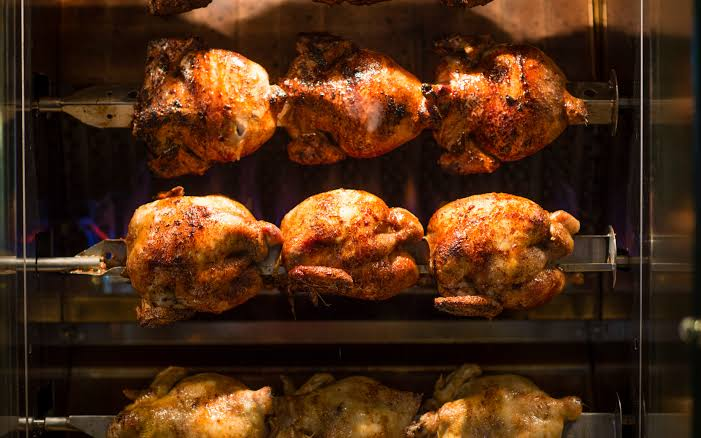
Rotisserie chicken is one popular food among people of all ages. Being incredibly flavorful, they are a pleasure to your taste buds.
However, it is quite natural to have one question coming to mind: are rotisserie chickens healthy?
Yes rotisserie chicken is healthy. It is packed with vitamins and minerals. It also contains a high amount of protein and vitamin B complex. From the creation of blood cells to the operation of the nervous system, it benefits all. It also improves skin health, mental function, and energy generation.
Still confused? Do not sweat! Because in this article, I have explained it all. And also provided tips to make it even healthier.
Read on!
Are Rotisserie Chicken Healthy to Eat?
For those searching for a lean source of protein, this rotisserie chicken is a wonderful option. And also, who either lack the time, inclination, or cooking ability.
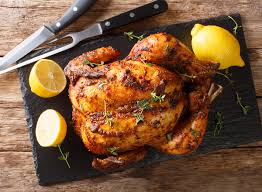
A variety of dishes can be made with chicken using this low-fat cooking technique.
In addition to helping the body create and maintain muscle, protein also helps the body regulate hormones and blood sugar.
Getting enough protein at a meal helps you feel satisfied for a longer period of time since it is processed more slowly than carbohydrates.
Rotisserie chicken supplies a variety of other crucial elements in addition to being a lean protein.
Rotisserie chicken has vitamins and minerals that are important for everything.
From the production of blood cells to the function of your nervous system. Plus, facilitates skin health, mental function, and energy generation.
A quick dinner starter is typically how people prefer it. Additionally, rotisserie chicken is a great way to increase your consumption of other nutrient-dense meals. For example, whole grains, veggies, and healthy fats.
Is It Okay to Eat the Skin of Rotisserie Chickens?
It’s likely that someone has advised you to avoid the skin of any fowl, and in general, it is sound advice. Despite the fact that the skin may be tasty, I usually tell people to avoid it because it contains saturated fat.
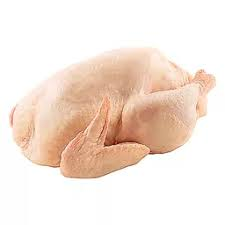
In fact, if you’re eating the breast, removing the skin can reduce the saturated fat by half, and if you’re eating dark meat, it can reduce it by a third.
It has been demonstrated that consuming saturated fat raises LDL cholesterol, which may increase the chance of developing cardiovascular disease.
However, it’s acceptable to eat some skin if you genuinely appreciate it and can’t imagine eating rotisserie chicken without it.
Just remember to include it in the amount of saturated fat you consume overall each day.
The American Heart Association advises limiting saturated fat consumption to 5 to 6% of total calories, or around 13 grams per day for people consuming 2,000 calories or less.
Health Benefits of Consuming Rotisserie Chicken
Rotisserie chickens are nutritious and low in fat. Particularly when you’re consuming white meat, unlike crispy or any other types of meat.
Rotisserie is cooked on a direct heat source, for example, an oven, fire, or perhaps a campfire.
Additionally, these hens can feed a whole family for a reasonable price. There is something for everyone between the breasts, drumsticks, legs, and thighs!
Let’s go over the top health advantages of rotisserie chicken.
Suitable Protein Source with Minimal Saturated Fats
There are many different sources of protein, but many people receive it from the meat and dairy they eat.
However, meats like pork, beef, and lamb that are high in protein also frequently have high levels of saturated fats.
On the other hand, chicken is a fantastic protein source and contains lower quantities of saturated fats.
Remove any skin or discernible fat before eating to make your rotisserie chicken even healthier.
Additionally, be mindful of your meal amounts since most people require 6-7 ounces of protein each day. Typically, half a chicken breast weighs about 3 ounces.
Plenty of B-Complex Vitamins in This Food
Despite the fact that chicken is typically connected with protein, it also contains a variety of other vital nutrients, such as niacin, and vitamins B3, B6, and B12.
These vitamins are necessary for the metabolism of fats and sugars as well as for the preservation of healthy cells.
Along with the B complex vitamins, this chicken is a satisfactory source of magnesium, potassium, and zinc.
The best part is that, as long as the skin is removed, you can consume all of these nutrients without gaining additional fat or cholesterol.
The chicken breast has the least amount of fat, and you can shred it for salads and soups to make it last longer while reducing the amount you eat.
Promotes Weight Loss
Every balanced meal needs some chicken on it.
Yet why?
Lean meat, such as that found in chicken, has little to no fat. Additionally, choosing grilled chicken results in the loss of harmful fats.
Consequently, eating chicken frequently will aid in your efforts to lose weight.
Maintains Body Muscle Mass
Rotisserie chicken, which is high in protein, aids in maintaining lean muscle mass, which is beneficial as you age.
Only a few reports have demonstrated a connection between mortality as well as muscle mass loss.
Reduces the Risk Of Cardiovascular Illnesses
Selenium, a mineral found in foods like chicken, guards against damage to cell membranes and prevents platelets from getting sticky, lowering the risk of cardiovascular diseases over time.
Side Effects of Rotisserie Chicken Consumption
However, there are some downsides, as well. Let us take a glimpse at those.
Possible Presence of Sodium
Since rotisserie chicken is packed with valuable minerals and high-quality protein, it is not the issue in and of itself.
However, the chicken may be extraordinarily heavy in sodium depending on how it is seasoned.
In addition to potassium and chloride, sodium is a vital electrolyte that aids in the delivery of water to your body’s cells.
Nonetheless, consuming too much salt might be harmful. If available, choose an unseasoned version to reduce potential salt.
Juicy, and seasoned just perfectly, this type of chicken possesses a near-flawless texture. plus, it provides a pleasing savor profile to boot.
Nonetheless, is this sort of cooking technique the healthiest for you?
Possible Addition of Sugar
Again, there is one main drawback of purchasing rotisserie chicken. That is, except for the visible delicate meat, you really have no idea what’s hiding beneath that crispy brown exterior.
But according to Consumer Reports, every rotisserie chicken is injected with a solution to keep it moist and flavorful. For instance, sugar could be a component of this solution.
Consider this: Would you sprinkle sugar on the chicken breast you are pan-frying?
Most likely not.
Some Unfavorable Additives
This item also brings a few other disagreeable elements. That includes additives such as carrageenan, natural flavors, as well as gums.
Take the (Hot) Freshness Guaranteed Garlic-Flavored Rotisserie Chicken from Walmart as an illustration.
Consider purchasing a rotisserie chicken from Whole Foods if you’re concerned about contaminants because organic chicken is the only ingredient.
More Tips for Making Rotisserie Chicken Healthier
Here I am including some more ways you can make the rotisserie chicken even healthier. Let us see what those are!
Choose the White Meat
Aim for White Flesh Rotisserie chicken from your local supermarket will have both white and black meat. Usually, dark meat contains more fat. The healthiest option is the white flesh from the chicken breast.
Are They Organic?
Although chicken raised more ethically is likely to be healthier and have a better quality of life, it is not a guarantee that it will taste better.
Try to stay away from any additives, including antibiotics, for the healthiest possible chicken.
When reading the nutrition label, anything you find difficult to pronounce is probably an addition or preservative. That reduces the nutritional value of the chicken.
Try to choose a bird that is USDA-certified organic in place of any that have ingredients like bromelain, ficin, monosodium glutamate, or papin on the label.
Add to It Later
Eating chicken with other foods rich in vitamins and nutrients is one method to make it healthier and better for you.
Your rotisserie chicken can be chopped up and added to a soup or diced and added to a power bowl with rice, lettuce, and other greens.
Portion Size to Watch
Half a chicken breast typically contains 3 ounces of protein, which is the recommended daily intake of protein according to the American Heart Association.
Even though chicken is healthy, eating too much of it is not good for you.
Now let’s go learn some FAQs on this topic.
FAQs
Is rotisserie chicken a good way to lose weight?
Yes, they are. Rotisserie poultry is typically protein-rich. Chicken that is high in protein can increase satiety. They also boost your post-meal calorie burn by as much as 35%!
Is rotisserie chicken good for your heart?
Even while rotisserie chicken is a convenient and delicious supper alternative, it can harm your heart. Chicken from a rotisserie is high in saturated fats and salt. Saturated fat consumption is one of the leading contributors to heart failure and cardiac illness.
Is rotisserie chicken processed meat?
Rotisserie chicken is typically processed, which means the meat is pre-seasoned in factories. That is before being delivered to stores. The tender meat frequently contains sodium and sugar. Also modified corn starch, as can be seen by a fast scan at the ingredient list.
Wrapping Up
Hope I have resolved your confusion of are rotisserie chickens healthy?
Now you know the answer. So, from now on you can add it to your meal without any hesitation. Just make sure you are following the right instructions and that is all.
This is all for now. Have an awesome day!
Related Posts






Subscribe for New Racipies
Get mental health tips, updates, and resources delivered to your inbox.
Pumpkin Spice Marshmallow Puffs


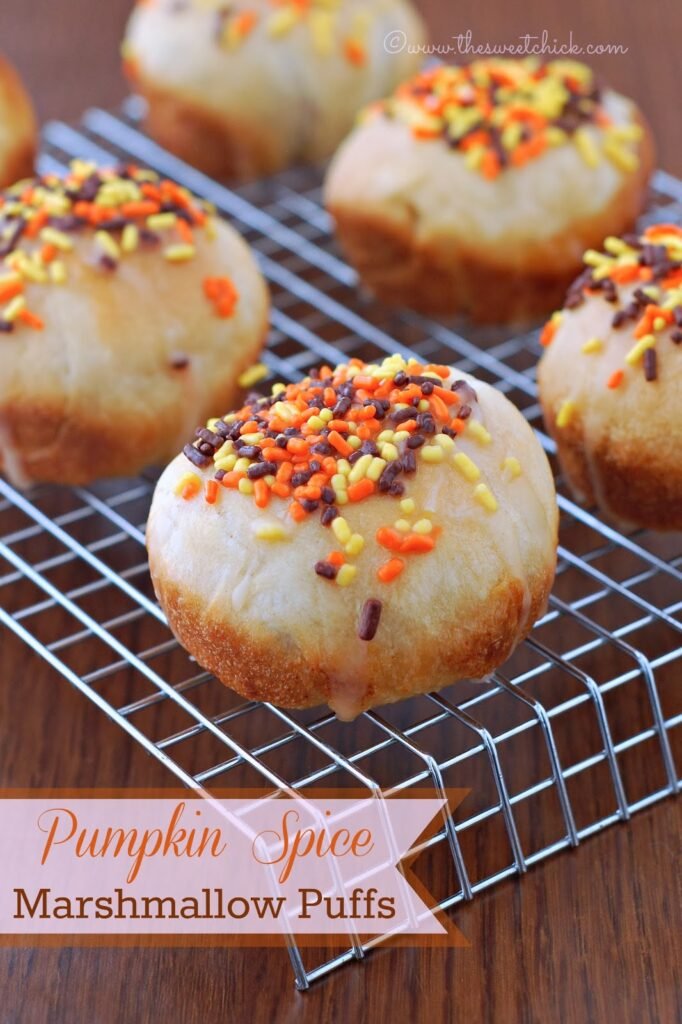
I was watching the Pillsbury Bake-off Contest 2013 all weekend via Instagram. There were a lot of my favorite bloggers in attendance. The whole event looked a lot of fun from their media perspective, but I couldn’t imagine how much pressure the contestants were feeling trying to win $1 million dollars. That’s just crazy. I don’t think I could perform under that kind of pressure. But I would love to know how it feels to win. Perhaps someday I will enter. In the meantime, I was inspired to whip up these little treats for the family this weekend.
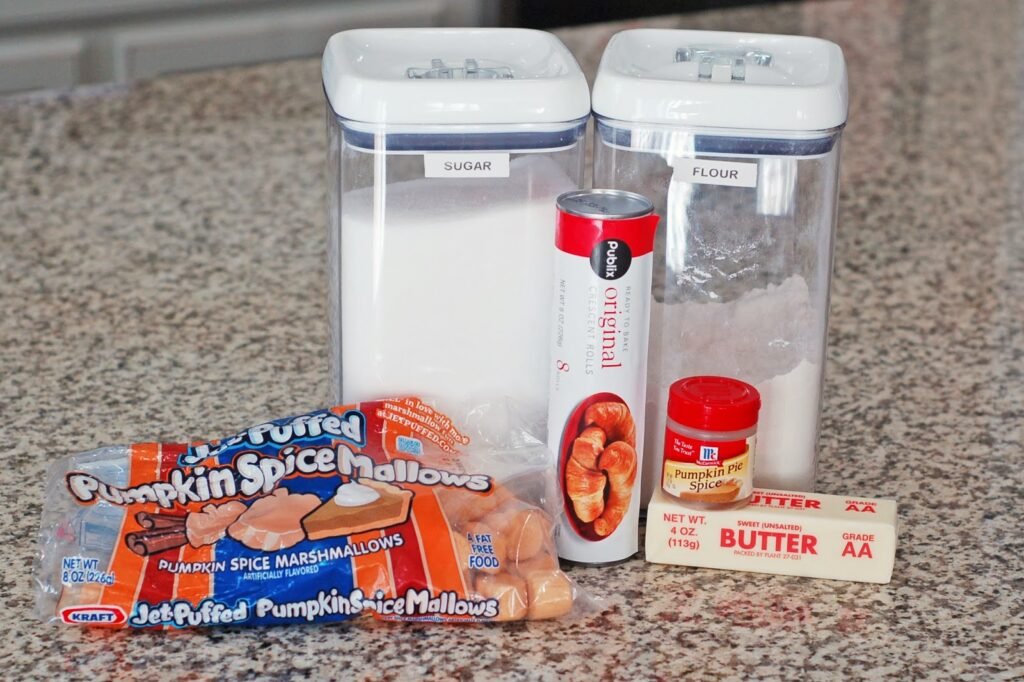
This recipe is adapted from the 1969 Pillsbury Bake-Off Contest winning recipe, the Magic Marshmallow Crescent Puffs. I had some leftover Jet-Puffed Pumpkin Spice Mallows in the pantry and didn’t want them to go to waste. I actually never made the marshmallow puffs before.

My daughter had a blast helping out. They are easy enough for a 7 year old to put them together.

Just dip the marshmallows in the butter and in the sugar mixture. Then roll them up in the crescent. Since the Pumpkin Spice Mallows are smaller than a regular marshmallow, I used two. And I rolled them up from the wide end of the crescent instead of the narrow end. I just folded the sides in over the marshmallows and then rolled them up.

Then you need to make sure all the edges are sealed. I just pinched them a little with my fingers.

Don’t forget to dip the bottoms in the remaining butter. This helps a lot if the crescents leak and makes a sticky mess.

I did have a couple of the puffs leak out a little filling, but since I had greased my pan well and with the added butter, they came out of the pan easily.
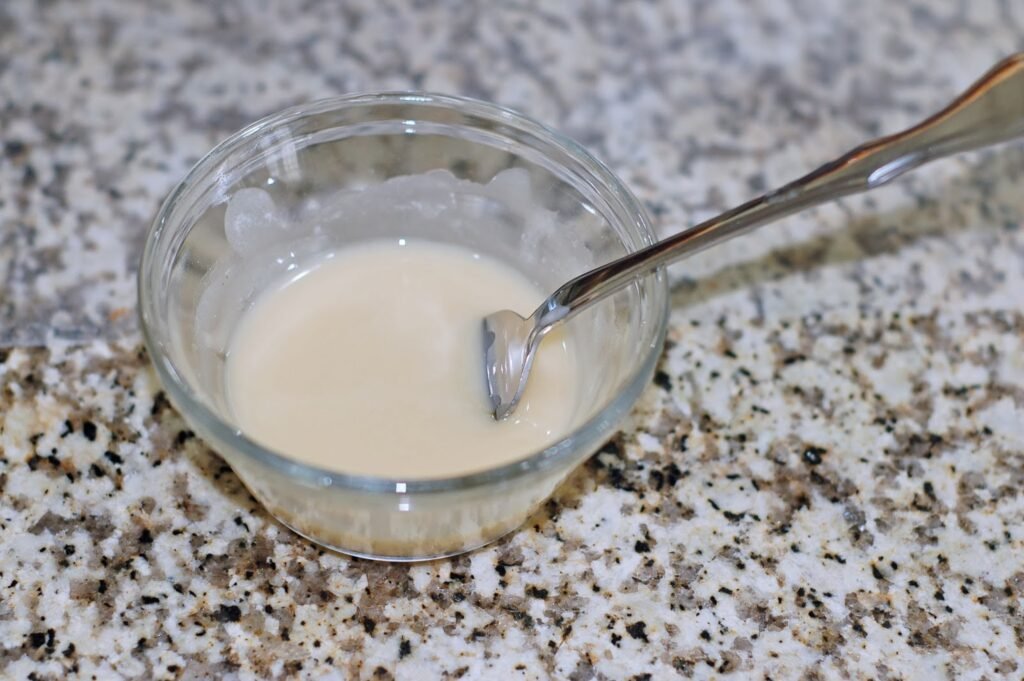
I added a little maple syrup to the glaze for a some extra flavor. And for fun, I added some sprinkles. I like how the marshmallows melt away and leave behind a sweet, gooey filling. The maple glaze topped it off just right.
hese are a great after school treat for the kids or you can double up the recipe for a party. Enjoy!
Pumpkin Spice Marshmallow Puffs

by The Sweet Chick
Prep Time: 15-20 minutes
Cook Time: 12-15 minutes
Keywords: bake dessert snack crescent rolls pumpkin spice pumpkin spice marshmallows maple syrup crescent rolls American fall
Ingredients (8 servings)
For the puffs
- 2 tablespoons sugar
- 1 tablespoon all purpose flour
- 1/2 teaspoon pumpkin pie spice
- 1 can (8 oz.) ready to bake crescent rolls
- 16 Jet-Puffed Pumpkin Spice Mallows
- 2 tablespoons butter, melted
For the glaze
- 1/4 cup powdered sugar
- 1 teaspoon pure maple syrup
- 1 tablespoon milk
Optional toppings
- sprinkles
Instructions
For the puffs
Preheat oven to 375º F.
In a small bowl, mix together the sugar, flour and spice.
Separate crescent rolls into 8 triangles and lay on a flat surface.
First dip each marshmallow in the melted butter, then dip each in the sugar mixture and coat evenly.
Place 2 marshmallows side by side at the widest end of the crescent roll. Wrap the side inwards over the marshmallows then roll until marshmallows are completely covered.
Pinch all seam with fingers to make sure they are sealed. Repeat process for all marshmallows until all crescent rolls are filled.
Dip bottoms of each filled crescent roll in the remaining butter and place buttered side down into a greased muffin pan. You may place muffin pan on a cookie sheet in case of spillage.
Bake at 375ºF for 12-15 minutes or until tops are golden.
Remove from oven and let the crescent puffs cool for 1-2 minutes.
Then remove them from the pan and place them on a cooling rack with a wax paper underneath and prepare the glaze.
For the glaze
in a small bowl mix together the sugar, syrup, and milk until smooth.
Then drizzle evenly over the crescent rolls with a spoon and let the glaze set.
For the toppings
If you want to add sprinkles, add them before the glaze sets.
You can serve these warm or at room temperature. Either way they are just as tasty. And they still taste good the second day if placed in an airtight container.
Related Posts





Subscribe for New Racipies
Get mental health tips, updates, and resources delivered to your inbox.